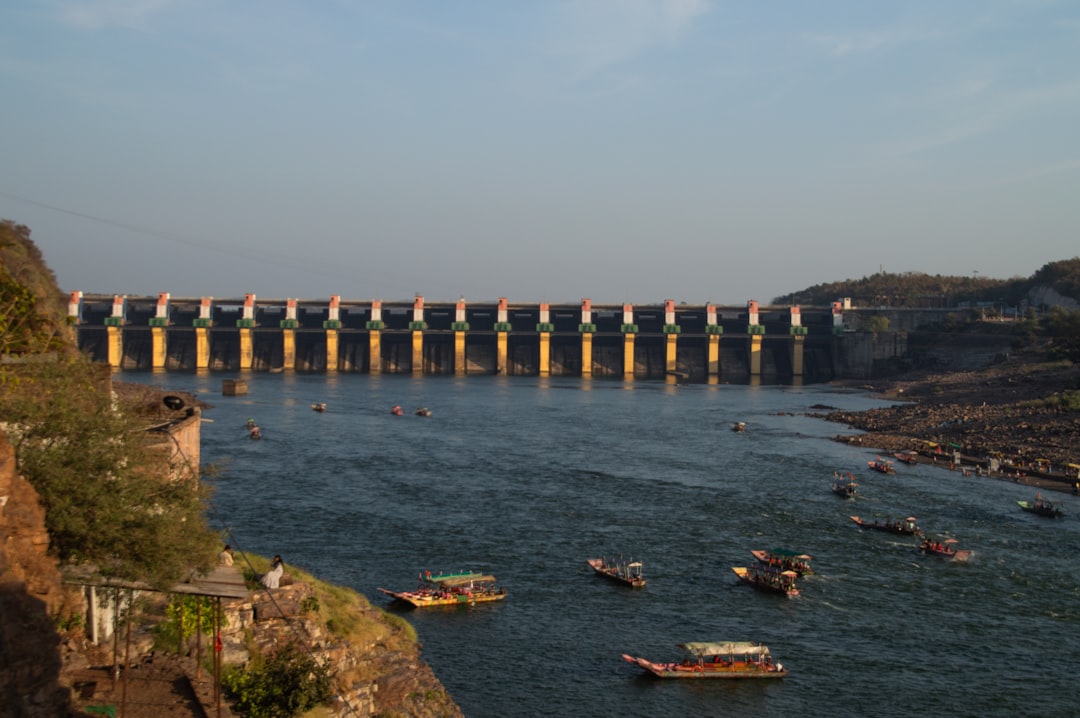
Tajikistan, a mountainous nation in Central Asia, possesses an abundance of hydropower potential due to its numerous rivers and high elevations. This natural endowment has positioned hydropower as the cornerstone of the country’s energy strategy, with ambitious plans for the construction of large-scale dams. However, harnessing this power carries a weighty responsibility, as the environmental ramifications of such projects are multifaceted and far-reaching. This article delves into the various environmental impacts associated with Tajikistan’s hydropower dams, exploring both immediate and long-term consequences.
The construction of dams fundamentally transforms riverine ecosystems, creating artificial reservoirs and disrupting natural flow regimes. These changes cascade through the aquatic environment, affecting everything from water quality to biodiversity.
Fragmentation of River Habitats
Dams act as formidable barriers, segmenting rivers into isolated stretches. This fragmentation disrupts the natural migration patterns of fish and other aquatic organisms. Many species, particularly anadromous and catadromous fish, rely on unimpeded access to different parts of the river for spawning, feeding, and seeking refuge. A dam can effectively block these vital movements, leading to population declines and even localized extinctions. Consider the metaphor of a highway suddenly bisected by an uncrossable chasm; the traffic, in this case, the fish, can no longer reach its intended destination.
Changes in Sediment Transport
Rivers naturally carry sediment downstream, a process crucial for maintaining deltaic ecosystems, replenishing coastal areas, and providing nutrients to floodplains. Dams, however, impound this sediment behind their walls, preventing it from reaching downstream areas. This phenomenon, known as sediment starvation, can lead to several adverse consequences. Downstream, riverbeds can erode, lowering groundwater tables and impacting riparian vegetation. The loss of sediment also deprives deltas of the material needed to counteract subsidence and sea-level rise, making them more vulnerable. Conversely, sediment accumulation in reservoirs can reduce their storage capacity over time and impact dam operations.
Alterations to Water Temperature and Chemistry
Reservoirs, being deeper and more stagnant than free-flowing rivers, often exhibit different thermal profiles. Surface waters heat up more readily, while deeper layers can remain significantly colder. When water is released from the lower levels of a dam, it can be unnaturally cold and anoxic (low in oxygen), shocking downstream ecosystems. The altered flow regime also changes the river’s self-purification capacity, potentially leading to increased concentrations of pollutants or an overgrowth of algae due to reduced flushing. Furthermore, the decomposition of organic matter in submerged vegetation within reservoirs can lead to the release of greenhouse gases like methane, a potent climate change contributor.
The impact of hydropower dams in Tajikistan has been a subject of significant discussion, particularly regarding their effects on local ecosystems and communities. For a deeper understanding of this topic, you can refer to a related article that explores the environmental and social implications of these projects. To read more about it, visit this article.
Impacts on Terrestrial Ecosystems and Biodiversity
Beyond the immediate river corridor, hydropower dams exert significant pressure on terrestrial ecosystems, often leading to habitat loss, species displacement, and alterations to landscape hydrology.
Habitat Loss and Fragmentation from Reservoir Inundation
The most immediate and discernible impact of dam construction is the inundation of vast tracts of land to create reservoirs. This submerges existing terrestrial habitats, including forests, grasslands, and agricultural lands, leading to the direct loss of biodiversity. Species unable to relocate or adapt to the new aquatic environment face extinction or severe population declines. Furthermore, the creation of reservoirs can fragment terrestrial habitats, isolating populations of animals and plants and limiting genetic exchange, akin to scattering stepping stones across an impassable lake.
Displacement of Wildlife and Human Communities
The loss of habitat necessitates the displacement of wildlife. Animals may be forced into smaller, already occupied areas, leading to increased competition for resources and higher mortality rates. In some cases, human communities that have historically resided in the areas designated for inundation are also displaced. This not only has profound social and economic consequences but can also indirectly impact wildlife through increased pressure on surrounding natural resources as displaced communities seek new livelihoods.
Alterations to Groundwater Levels and Riparian Zones
The creation of a large reservoir can significantly alter the local hydrological regime, impacting groundwater levels in the surrounding areas. Water-saturated soils around the reservoir can lead to unforeseen changes in vegetation composition and an increase in moisture-loving species at the expense of others. Conversely, downstream from the dam, reduced river flow can lower groundwater tables, leading to the desiccation of floodplains and riparian forests, which are vital habitats and crucial for maintaining riverbank stability.
Geohazards and Socio-Economic Consequences
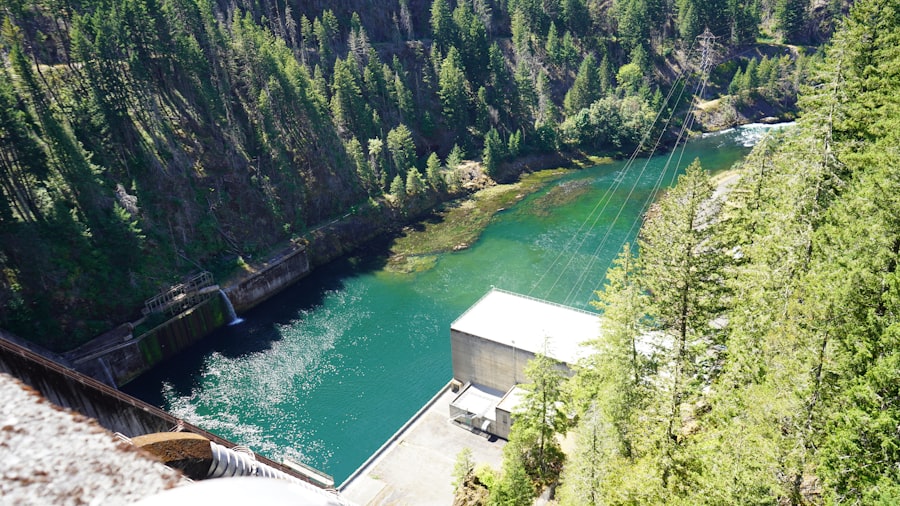
Beyond direct ecological impacts, large hydropower projects in seismically active regions like Tajikistan raise concerns about induced seismicity and carry significant socio-economic implications for local populations.
Induced Seismicity
The construction of large reservoirs can sometimes induce seismic activity, a phenomenon known as Reservoir-Induced Seismicity (RIS). The immense weight of the water in a reservoir can increase stress on existing geological fault lines, and the infiltration of water into cracks and fissures can reduce the frictional resistance, potentially triggering earthquakes. Given Tajikistan’s location in a highly active seismic zone, this is a significant concern. While the precise mechanisms are still being studied, the potential for RIS to exacerbate existing seismic risks is a factor that must be carefully considered during dam planning and construction.
Livelihood Disruption and Cultural Heritage Loss
The displacement of human communities due to reservoir inundation has profound socio-economic consequences. Traditional livelihoods, often based on agriculture, fishing, or pastoralism, are destroyed. Relocated communities may struggle to adapt to new environments and economic opportunities, leading to poverty and social unrest. Furthermore, the flooding of ancestral lands and historical sites results in an irreversible loss of cultural heritage, severing connections to the past and eroding communal identity.
Water Scarcity and Transboundary Water Politics
While hydropower dams are intended to provide energy and often irrigation, they can also exacerbate water scarcity downstream, particularly in an arid region like Central Asia where transboundary rivers are a source of considerable political tension. Upstream impoundment of water for energy generation can reduce water availability for agricultural and domestic use in downstream countries. This raises complex issues of water sharing, international agreements, and potential regional conflicts, as each nation seeks to secure its water resources. The careful negotiation and adherence to international water laws become paramount in such a delicate balance.
Mitigation and Sustainable Practices

Recognizing the significant environmental and socio-economic impacts, a growing emphasis is placed on incorporating mitigation measures and sustainable practices throughout the lifecycle of hydropower projects.
Environmental Impact Assessments (EIAs) and Strategic Environmental Assessments (SEAs)
Thorough and independent Environmental Impact Assessments (EIAs) are crucial tools for identifying, predicting, evaluating, and mitigating the environmental and social impacts of proposed dam projects. These assessments should involve extensive stakeholder consultation, including local communities and environmental experts. Furthermore, Strategic Environmental Assessments (SEAs) can provide a broader, regional perspective on the cumulative impacts of multiple dams, ensuring that individual projects are considered within a larger hydrological and ecological context.
Fish Passage Facilities and Environmental Flows
To counteract river fragmentation, various fish passage facilities, such as fish ladders, elevators, and bypass channels, can be incorporated into dam designs. While not always 100% effective, they aim to facilitate the movement of migratory fish. Additionally, maintaining “environmental flows” – specific releases of water downstream – is critical for mimicking natural flow regimes, supporting aquatic ecosystems, and maintaining riparian habitats. These flows need to be carefully calibrated to meet the ecological needs of the river throughout different seasons.
Sustainable Sediment Management
Addressing sediment accumulation in reservoirs and sediment starvation downstream requires sustainable sediment management strategies. These can include sediment flushing, sluicing, or bypassing techniques to allow sediment to pass through or around the dam. While challenging and sometimes costly, these methods are crucial for preserving reservoir capacity and maintaining downstream ecological health.
Resettlement Planning and Community Engagement
For dam projects requiring the displacement of human communities, comprehensive and culturally sensitive resettlement planning is paramount. This should involve fair compensation, provision of suitable alternative livelihoods, access to essential services, and active participation of affected communities in the planning and implementation process. Respecting and preserving cultural heritage also requires careful archaeological surveys and documentation before inundation.
International Cooperation and Data Sharing
Given the transboundary nature of many rivers in Central Asia, international cooperation and transparent data sharing are essential for sustainable hydropower development. Collaborative efforts on water management, environmental monitoring, and impact assessment can help prevent conflicts and ensure equitable sharing of water resources. This necessitates robust regional agreements and mechanisms for dialogue among riparian states.
The development of hydropower dams in Tajikistan has significant implications for both the environment and regional geopolitics. A recent article explores how these projects affect local ecosystems and water resources, highlighting the delicate balance between energy production and environmental sustainability. For a deeper understanding of these impacts, you can read more in this insightful piece on the topic. To learn more about the broader implications of hydropower in Central Asia, visit this article.
Conclusion
| Metric | Value | Unit | Notes |
|---|---|---|---|
| Number of Hydropower Dams | 50+ | Count | Includes operational and under construction dams |
| Total Installed Capacity | 5,000 | MW | Approximate total hydropower capacity |
| Annual Electricity Generation | 20,000 | GWh | Estimated yearly output from hydropower plants |
| Percentage of National Electricity from Hydropower | 98 | % | Hydropower is the dominant electricity source |
| Impact on Downstream Water Flow | Reduced by 15-30 | % | Seasonal flow reduction affecting agriculture and ecosystems |
| Displacement of Local Communities | Approx. 5,000 | People | Due to reservoir creation and dam construction |
| Greenhouse Gas Emissions Reduction | 1.5 million | tons CO2/year | Compared to fossil fuel alternatives |
| Impact on Fish Migration | Significant | Qualitative | Barriers to fish movement in major rivers |
| Economic Contribution | 30 | % | Share of hydropower in national GDP |
| Investment in Hydropower Sector (last 5 years) | 2,000 | Million | Investment in infrastructure and modernization |
Tajikistan’s pursuit of hydropower for energy security and economic development is understandable, given its abundant water resources. However, the environmental impact of large-scale dam construction is profound and necessitates a cautious and holistic approach. The fragmentation of rivers, alterations to aquatic and terrestrial ecosystems, potential for induced seismicity, and significant socio-economic consequences for displaced communities all underscore the complex interplay between human development and environmental sustainability.
The future of Tajikistan’s hydropower lies not just in constructing more dams, but in constructing them responsibly, with a steadfast commitment to mitigating environmental harm, safeguarding biodiversity, and ensuring the well-being of its citizens and its neighbors. Embracing rigorous environmental assessments, implementing cutting-edge mitigation technologies, and fostering genuine community engagement are not mere optional extras but fundamental pillars of truly sustainable hydropower development. The long-term prosperity of Tajikistan, and indeed the entire Central Asian region, hinges on a delicate balance between harnessing natural resources and preserving the delicate ecological fabric that sustains life. Ignoring these impacts is akin to building a house without a strong foundation – it may stand for a time, but its long-term stability will always be precarious when faced with environmental pressures.
▶️ STOP: The Middle Corridor Is A Death Trap
FAQs
What is the significance of hydropower dams in Tajikistan?
Hydropower dams in Tajikistan are crucial for generating electricity, as the country relies heavily on its abundant water resources from mountain rivers. These dams provide a significant portion of the nation’s energy supply, supporting both domestic consumption and export.
How do hydropower dams impact the environment in Tajikistan?
Hydropower dams can alter river ecosystems by changing water flow, affecting fish migration, and impacting aquatic biodiversity. They may also lead to changes in sediment transport and water quality, which can have downstream environmental consequences.
What are the social effects of hydropower dam projects in Tajikistan?
The construction of hydropower dams can lead to the displacement of local communities and changes in livelihoods, especially for those dependent on fishing and agriculture. However, these projects can also create job opportunities and improve infrastructure in some areas.
How do Tajikistan’s hydropower dams affect regional water politics?
Tajikistan’s hydropower dams influence water availability for downstream countries, such as Uzbekistan and Turkmenistan, leading to regional tensions over water sharing. The management of transboundary water resources is a critical issue in Central Asia’s geopolitical landscape.
What measures are being taken to mitigate the negative impacts of hydropower dams in Tajikistan?
Efforts to mitigate negative impacts include implementing environmental flow regulations, investing in fish passages, conducting environmental impact assessments, and engaging in regional cooperation to manage water resources sustainably. International organizations often support these initiatives.