Central Asia’s Desertification Crisis: Trends and Impacts
A vast swathe of Eurasia, Central Asia, a region often envisioned as an expansive canvas of steppes and legendary Silk Road routes, is facing a slow-motion environmental cataclysm. This crisis, desertification, is not a distant threat but a present reality that is redrawing the ecological map of the region, impacting livelihoods, and posing significant challenges to its future. This article delves into the multifaceted nature of Central Asia’s desertification crisis, exploring its underlying trends, tangible impacts, and the complex web of factors contributing to its escalation.
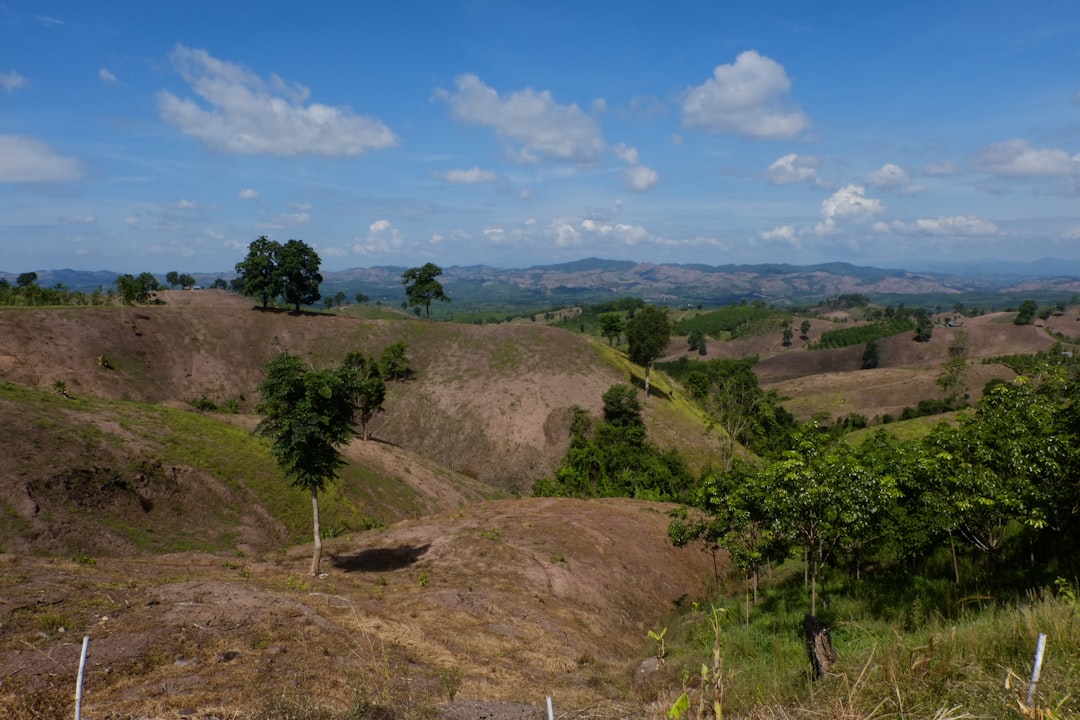
Desertification refers to the degradation of land in arid, semi-arid, and dry sub-humid areas, resulting from various factors, including climatic variations and human activities. In Central Asia, this phenomenon is not simply about deserts expanding; it is a complex process of land degradation that diminishes the biological productivity and economic potential of once fertile or semi-fertile lands. The region’s inherent aridity and susceptibility to climate variability make it a natural hotspot for desertification, but the pace and severity of its progression are undeniably exacerbated by human interventions.
The Arid Canvas: Central Asia’s Natural Vulnerability
The geographical reality of Central Asia is one of vast, often dry, landscapes. Much of the region falls within arid and semi-arid bioclimatic zones, characterized by low rainfall, high evaporation rates, and a delicate ecological balance. The absence of extensive forest cover across much of the territory means that vegetation plays a crucial role in stabilizing soils and retaining moisture. Historically, these lands have been managed through nomadic pastoralism, a system that, when practiced sustainably, allowed for natural regeneration. However, shifts in land use patterns and intensified exploitation have placed unprecedented pressure on these fragile ecosystems.
Red Flags on the Horizon: Key Trends in Central Asian Desertification
The trend lines for desertification in Central Asia paint a concerning picture. Satellite imagery and on-the-ground surveys reveal a consistent pattern of land degradation across the region. This is not a uniform phenomenon; some areas are experiencing more rapid deterioration than others, but the overall trajectory is one of increasing vulnerability.
Shrinking Water Sources: The Drying Arteries of Life
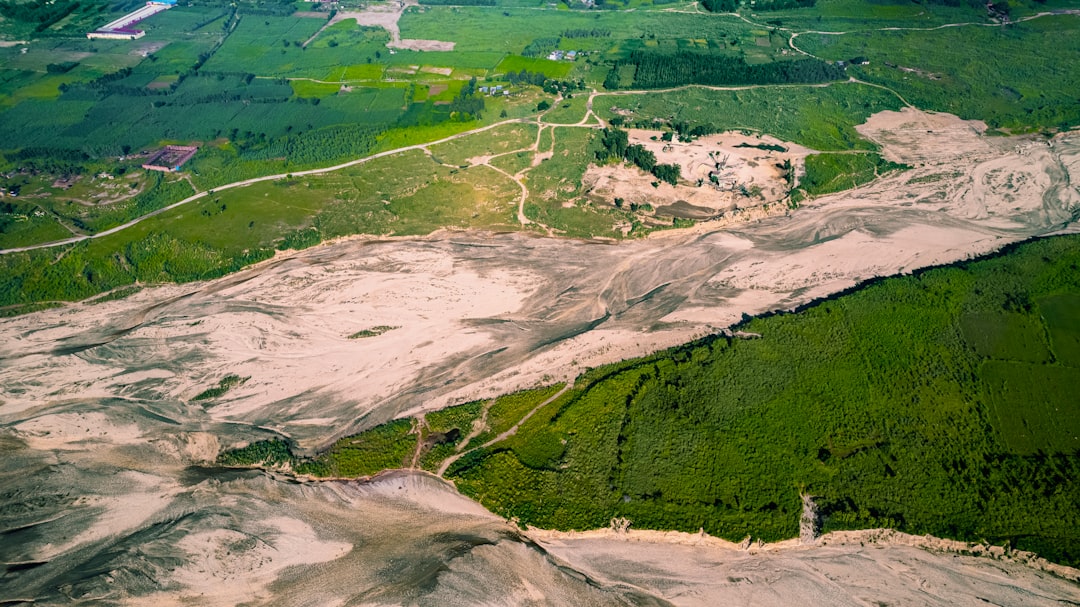
One of the most significant trends is the diminishing availability of water. The Aral Sea, once the fourth-largest lake in the world, serves as a stark monument to this trend. Its dramatic shrinkage, primarily due to the diversion of its feeder rivers for irrigation, has created a vast salt-laden desert, the Aralkum, radiating outwards. This ecological disaster has had profound consequences for regional climate, biodiversity, and human health. Beyond the Aral Sea, many other rivers and smaller water bodies are experiencing reduced flows, impacting agriculture and ecosystems downstream.
Soil Degradation: The Loss of Earth’s Foundation
The bedrock of productivity for any ecosystem is its soil. In Central Asia, soils are suffering from a multifaceted assault.
Salinization: The Salt Scourge
A pervasive form of soil degradation is salinization. This occurs when irrigation water, often of poor quality, evaporates, leaving behind dissolved salts. When this process is repeated over time, salt accumulates in the topsoil, creating a toxic environment for most plants. The expansion of irrigated agriculture, particularly with inefficient irrigation techniques, is a major driver of salinization in areas like the Fergana Valley.
Erosion: The Winds of Change and Water’s Scythe
Exposed soils, stripped of their vegetative cover, are highly susceptible to both wind and water erosion. Historically, overgrazing has denuded grasslands, leaving them vulnerable to the persistent winds that sweep across the steppes. In mountainous and hilly areas, torrential rains can wreak havoc, carrying away precious topsoil and carving out gullies. The loss of this fertile surface layer is a direct assault on the land’s ability to support life.
Compaction: The Stifling Grip of Machinery
With the advent of mechanized agriculture, soil compaction has become a growing concern. Heavy machinery can compress the soil structure, reducing its porosity and hindering root growth, water infiltration, and aeration. This creates a more challenging environment for vegetation to establish and thrive.
Desertification in Central Asia has become a pressing environmental issue, impacting both the ecosystem and local communities. A related article that delves deeper into the trends and implications of this phenomenon can be found at My Geo Quest. This resource provides valuable insights into the causes of desertification, its effects on biodiversity, and potential strategies for mitigation in the region.
The Human Footprint: Drivers of Desertification
While climate variability plays a role, the human footprint in Central Asia is undoubtedly the primary engine of its escalating desertification crisis. The legacy of centrally planned economies, with their emphasis on large-scale agricultural projects and resource extraction, has left deep scars.
Agricultural Intensification and Mismanagement: A Thirst for More
The expansion and intensification of agriculture, particularly cotton monoculture, have been significant contributors. The drive for high yields often led to the unsustainable use of water and agrochemicals.
The Legacy of Soviet Water Management: A Thirst Unquenched
The Soviet era saw ambitious irrigation projects designed to transform arid lands into fertile agricultural zones, primarily for cotton production. While these projects initially boosted agricultural output, the underlying water management philosophy was often one of unrestrained extraction. The reliance on rivers flowing into the Aral Sea for irrigation epitomizes this approach, where the ecological consequences for the receiving basin were largely disregarded.
Inefficient Irrigation Practices: A Constant Drain
Much of the irrigation infrastructure in Central Asia is old and inefficient. Open canals lose a considerable amount of water through seepage and evaporation before it reaches the fields. Sprinkler and drip irrigation systems, which are far more water-efficient, are not widely adopted, leading to excessive water use and increased salinization.
Overgrazing: The Undoing of Grasslands
Traditional nomadic pastoralism has, in many areas, given way to more sedentary or semi-nomadic practices that often concentrate livestock on smaller areas. This leads to overgrazing, where animals consume vegetation faster than it can regenerate. The delicate balance of steppe ecosystems is easily disrupted, allowing for the invasion of less palatable and more resilient plant species, or the complete loss of vegetative cover, paving the way for erosion.
Industrial Activities and Resource Extraction: Scarring the Land
Beyond agriculture, industrial activities and resource extraction have also contributed to land degradation.
Mining and Industrial Pollution: A Toxic Legacy
The mining of minerals and hydrocarbons, prevalent in parts of Central Asia, often involves the disturbance of large land areas, creating waste dumps that can be sources of soil and water contamination. Industrial facilities, particularly in older industrial centers, can release pollutants that degrade soil quality and affect surrounding vegetation.
Deforestation and Fuelwood Collection: Cutting Down the Guardians
While Central Asia is not heavily forested, the remaining natural vegetation, including shrubs and trees in mountainous or riverine areas, plays a vital role in soil stabilization. In some regions, fuelwood collection and limited deforestation for construction or agricultural expansion have further weakened these ecological defenses.
Climate Change and its Amplifying Effect: A Silent Partner in Destruction
The global phenomenon of climate change acts as a significant, albeit an indirectly acting, driver and amplifier of desertification in Central Asia. The region is projected to experience more pronounced impacts, exacerbating existing vulnerabilities.
Rising Temperatures and Increased Evaporation: The Sun’s Fierce Gaze
Global warming is leading to higher average temperatures across Central Asia. This increases evaporation rates from soils and water bodies, further reducing the availability of moisture for vegetation. This heightened evaporative demand puts additional stress on already arid and semi-arid ecosystems.
Altered Precipitation Patterns: The Whims of the Sky
While the precise impact of climate change on precipitation patterns in Central Asia is complex and varies by sub-region, there is a general concern about increased variability. This could mean more prolonged droughts in some areas and more intense, but infrequent, rainfall in others, both of which can contribute to land degradation. More intense rainfall events can lead to increased soil erosion, while prolonged droughts can decimate vegetation, leaving soils exposed.
Glacier Melt and Water Scarcity: The Mountain’s Diminishing Tears
Many of Central Asia’s major rivers originate from glaciers in the Tien Shan and Pamir mountains. Climate change is accelerating glacier melt. While this may temporarily increase water availability in some rivers, the long-term trend is one of depletion, as the glaciers shrink. This poses a significant threat to water security for agriculture, ecosystems, and human populations downstream.
The Ripple Effect: Impacts of Desertification Across Central Asia
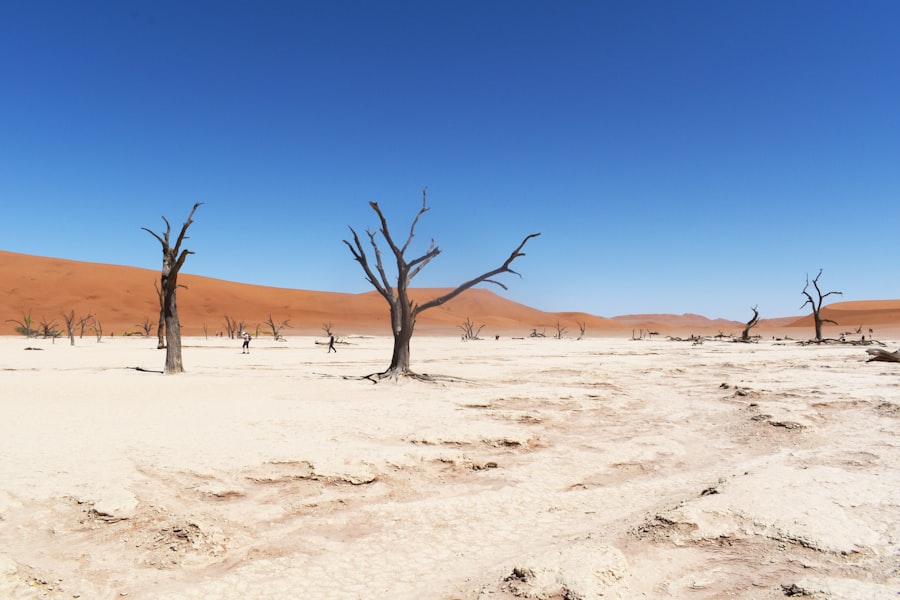
The consequences of desertification in Central Asia are far-reaching, impacting not only the environment but also the socio-economic fabric of the region.
Ecological Devastation: The Unraveling of Ecosystems
The most direct impact of desertification is the degradation and loss of ecosystems.
Biodiversity Loss: The Silence of the Steppes
As land becomes less productive and habitats shrink, countless plant and animal species are finding it increasingly difficult to survive. This leads to a significant loss of biodiversity, weakening the resilience of the remaining ecosystems. Many endemic species, uniquely adapted to the Central Asian environment, are particularly vulnerable.
Dust and Salt Storms: The Airborne Threat
The expansion of barren, salt-encrusted land, particularly around the Aral Sea, has led to an increase in dust and salt storms. These storms can travel hundreds of kilometers, carrying not only dust but also toxic salts and pesticides. They can damage crops, degrade soil in distant areas, and have serious implications for human health, causing respiratory problems and other ailments.
Disrupted Water Cycles: The Flow is Broken
Desertification disrupts the natural water cycles. Reduced vegetation cover means less transpiration and less water returned to the atmosphere, potentially altering local rainfall patterns. The increased runoff from bare land can lead to flash floods, while reduced infiltration diminishes groundwater recharge.
Socio-Economic Hardship: The Struggle for Livelihoods
The environmental degradation translates directly into economic and social challenges for the people of Central Asia.
Agricultural Decline: The Empty Fields
The most obvious economic impact is the decline in agricultural productivity. Salinized and eroded soils yield less, making farming less profitable and sustainable. This is particularly devastating for communities that rely heavily on agriculture for their livelihoods. Smallholder farmers, often lacking the resources to invest in soil conservation or more efficient irrigation, are disproportionately affected.
Water Scarcity and Conflict: The Thirsty Divide
As water sources dwindle due to a combination of reduced natural availability and increased demand, water scarcity becomes a pressing issue. This can create tension and even conflict, particularly in transboundary river basins where upstream and downstream countries have different water needs and priorities. The competition for water can exacerbate existing geopolitical sensitivities in the region.
Livelihood Diversification Challenges: The Narrowing Path
When traditional livelihoods, such as farming or pastoralism, become unsustainable due to desertification, people are forced to seek alternative sources of income. However, opportunities for livelihood diversification are often limited in rural areas, leading to increased poverty and outward migration.
Health Impacts: The Silent Scourge
The environmental consequences of desertification have direct and indirect impacts on human health. Dust and salt storms carry pollutants that contribute to respiratory illnesses, cardiovascular problems, and other health issues. The degradation of water sources can also lead to the spread of waterborne diseases. Furthermore, the stress and uncertainty associated with declining livelihoods can have psychological impacts on affected communities.
Rural-Urban Migration: The Exodus from the Land
As rural livelihoods become increasingly precarious, many people are forced to migrate to urban centers in search of work and better living conditions. This rural-urban migration can place a strain on urban infrastructure and services and can lead to the abandonment of rural communities, further exacerbating land degradation in depopulated areas.
The Path Forward: Addressing Central Asia’s Desertification Crisis
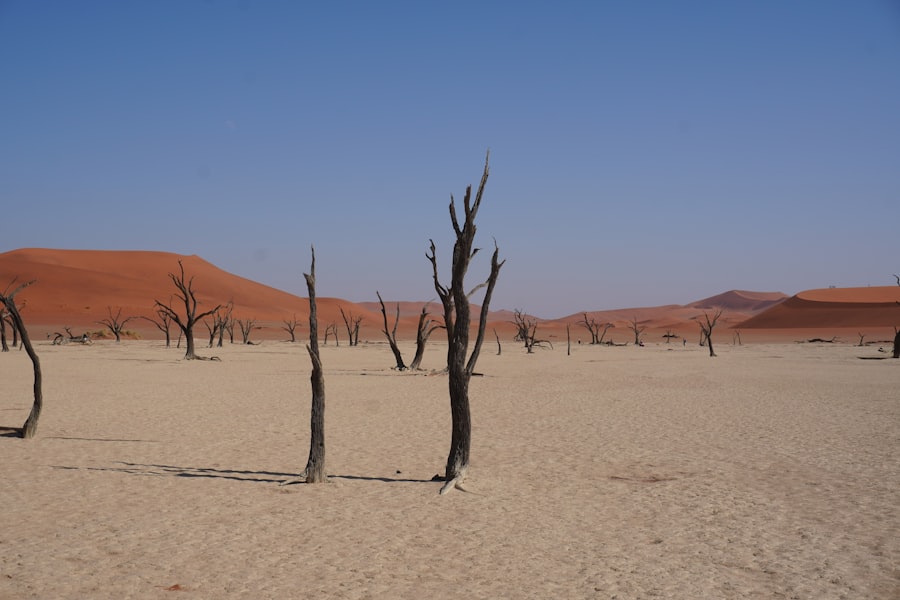
Confronting the desertification crisis in Central Asia requires a multi-pronged approach that addresses both the underlying drivers and its multifaceted impacts. This is not a problem that can be solved by a single solution; it demands a concerted and sustained effort from governments, international organizations, communities, and individuals.
Sustainable Land Management Practices: Healing the Wounds
The cornerstone of any effective strategy is the widespread adoption of sustainable land management practices that aim to restore and maintain the health of the land. This involves a shift away from exploitative practices towards those that work in harmony with natural processes.
Reforestation and Afforestation Initiatives: Planting the Seeds of Hope
Planting trees and shrubs in degraded areas can help stabilize soils, reduce erosion, and improve water retention. This includes active reforestation programs in vulnerable areas and encouraging the sustainable management of existing natural vegetation. The planting of drought-resistant species is crucial here.
Improved Irrigation Techniques: A More Efficient Thirst
Transitioning from inefficient flood irrigation to more water-saving methods like drip and sprinkler irrigation is essential. This not only reduces water consumption but also minimizes the risk of salinization. Investments in modernizing irrigation infrastructure are crucial.
Sustainable Grazing Management: Letting the Land Breathe
Implementing rotational grazing systems, adjusting stocking rates to match the carrying capacity of the land, and promoting a greater understanding of ecological thresholds are vital for restoring degraded grasslands.
Soil Conservation Measures: The Earth’s Shield
Techniques such as terracing, contour plowing, and the use of cover crops can significantly reduce soil erosion by wind and water. Promoting practices that enhance soil organic matter content, such as composting and the use of organic fertilizers, further strengthens soil health.
Water Resource Management: A Precious Commodity
Given the critical role of water in Central Asia, its management is paramount. A more holistic and cooperative approach to water resource management is needed.
Transboundary Water Cooperation: Sharing the Lifelines
Establishing and strengthening frameworks for transboundary water cooperation among Central Asian countries is crucial. This involves equitable sharing of water resources, joint planning for water infrastructure, and mechanisms for conflict resolution.
Water Conservation and Efficiency: Every Drop Counts
Promoting water conservation at all levels, from individual households to large-scale agriculture, is essential. This includes public awareness campaigns, implementing water pricing mechanisms that incentivize efficiency, and investing in technologies that reduce water loss.
Protecting and Restoring Water Sources: Nurturing the Springs
Efforts to protect and restore rivers, lakes, and groundwater sources from pollution and overuse are vital. This may involve establishing protected zones, improving wastewater treatment, and regulating industrial and agricultural discharges.
Climate Change Adaptation and Mitigation: Preparing for the Inevitable
Recognizing the impact of climate change, adaptation and mitigation strategies are necessary.
Promoting Climate-Resilient Agriculture: Farming for a Changing Climate
Encouraging the adoption of crop varieties that are more tolerant to drought and heat, and diversifying agricultural practices to reduce reliance on single crops, can help build resilience in the agricultural sector.
Early Warning Systems and Disaster Preparedness: Reading the Clouds
Developing robust early warning systems for droughts, dust storms, and other extreme weather events, coupled with effective disaster preparedness plans, can help communities mitigate the impacts of climate-related hazards.
Transitioning to Renewable Energy: A Cleaner Future
Reducing reliance on fossil fuels and investing in renewable energy sources can contribute to global mitigation efforts and improve air quality within the region.
Policy and Governance: The Guiding Hand
Effective policies and strong governance are essential to implement and sustain efforts to combat desertification.
National Desertification Action Plans: A Blueprint for Action
Developing and implementing comprehensive national desertification action plans, with clear targets and allocated resources, is a critical first step. These plans should integrate environmental, economic, and social considerations.
Strengthening Institutions and Legislation: The Framework for Change
Establishing and strengthening relevant government institutions, enforcing environmental laws, and creating supportive policy frameworks are essential for driving change. This includes incentives for adopting sustainable practices and penalties for non-compliance.
Community Engagement and Empowerment: The Local Voice
Engaging local communities in the planning and implementation of desertification control measures is crucial for their success and sustainability. Empowering communities with knowledge, resources, and decision-making power fosters ownership and ensures that interventions are tailored to local needs and conditions.
International Cooperation and Investment: A Shared Responsibility
The scale of the desertification crisis in Central Asia often necessitates international collaboration and financial support.
Knowledge Sharing and Capacity Building: Learning from Each Other
Facilitating the exchange of knowledge, best practices, and technological innovations among countries and organizations working on desertification is vital. Providing training and capacity-building programs to local stakeholders can enhance their ability to implement effective solutions.
Financial Support and Investment: Fueling the Solutions
Securing adequate financial resources for research, implementation of projects, and long-term monitoring is crucial. International funding agencies and private investors can play a significant role in supporting Central Asian countries in their fight against desertification.
Desertification in Central Asia has become a pressing issue, impacting both the environment and local communities. A related article discusses the various factors contributing to this phenomenon and highlights potential strategies for mitigation. For more in-depth insights, you can read the article on desertification trends in Central Asia at MyGeoQuest. Understanding these trends is crucial for developing effective policies to combat land degradation and promote sustainable land management practices in the region.
The Unfolding Narrative: The Future of Central Asia’s Landscapes
| Country | Desertification Rate (%) | Annual Land Degradation (km²) | Primary Causes | Mitigation Efforts | Trend (Last 10 Years) |
|---|---|---|---|---|---|
| Kazakhstan | 12 | 1,200 | Overgrazing, Climate Change | Reforestation, Sustainable Grazing | Increasing |
| Uzbekistan | 18 | 1,800 | Water Mismanagement, Salinization | Irrigation Reform, Soil Conservation | Stable |
| Turkmenistan | 15 | 1,500 | Desiccation of Aral Sea, Overcultivation | Afforestation, Water Resource Management | Increasing |
| Kyrgyzstan | 8 | 600 | Deforestation, Overgrazing | Reforestation, Grazing Controls | Decreasing |
| Tajikistan | 10 | 700 | Soil Erosion, Overgrazing | Terracing, Sustainable Agriculture | Stable |
The story of Central Asia’s desertification crisis is still being written. The choices made today will profoundly shape the ecological and socio-economic future of this strategically important region. The current trends are a clear warning, a siren’s call to action. The immense challenges are undeniable, but so too is the potential for resilience and transformation. By embracing sustainable practices, fostering cooperation, and prioritizing the health of its land and water resources, Central Asia can begin to turn the tide against desertification, ensuring a more stable and prosperous future for its people and its precious natural heritage. The journey ahead is arduous, a marathon rather than a sprint, but the alternative – a landscape increasingly stripped of its vitality – is a future that no one can afford to ignore. This is a call to collective action, a plea for foresight, and a testament to the enduring power of human ingenuity when directed towards the preservation of our shared planet.
▶️ STOP: The Middle Corridor Is A Death Trap
FAQs
What is desertification and how does it affect Central Asia?
Desertification is the process by which fertile land becomes desert, typically as a result of drought, deforestation, or inappropriate agriculture. In Central Asia, desertification leads to the degradation of soil quality, reduced agricultural productivity, and loss of biodiversity, impacting local economies and livelihoods.
What are the main causes of desertification in Central Asia?
The primary causes include climate change-induced droughts, overgrazing by livestock, unsustainable farming practices, deforestation, and water mismanagement. These factors contribute to soil erosion and the expansion of desert-like conditions in the region.
Which countries in Central Asia are most affected by desertification?
Countries such as Kazakhstan, Uzbekistan, Turkmenistan, Kyrgyzstan, and Tajikistan are all affected, with Uzbekistan and Turkmenistan experiencing some of the most severe desertification due to extensive irrigation and agricultural activities combined with arid climate conditions.
What are the environmental and socio-economic impacts of desertification in Central Asia?
Desertification leads to loss of arable land, reduced water availability, and increased frequency of dust storms. This results in food insecurity, displacement of rural populations, loss of income for farmers and herders, and increased poverty in affected communities.
What measures are being taken to combat desertification in Central Asia?
Efforts include reforestation projects, sustainable land management practices, improved irrigation techniques, regional cooperation on water resource management, and international support for environmental restoration programs aimed at reversing land degradation trends.