
The Disappearing Act: Understanding the Decline of Rivers
Rivers, the lifeblood of our planet, are facing an unprecedented decline. Once mighty arteries, they are now shrinking, polluted, and in many cases, vanishing altogether. This alarming trend, driven by a confluence of human activities and environmental shifts, portends severe ecological devastation and far-reaching societal consequences. Understanding the multifaceted causes and profound impacts of river decline is no longer a matter of academic interest; it is an urgent imperative for our collective future.
The insatiable demand for water is a primary driver behind the diminishing flow of rivers. As populations grow and economies develop, the thirst of agriculture, industry, and burgeoning urban centers intensifies, placing immense pressure on these vital water sources.
Agriculture’s Deep Roots in River Depletion
Agriculture, the largest consumer of freshwater globally, plays a significant role in river decline. The expansion of irrigation, particularly for water-intensive crops, diverts vast quantities of water before it can reach downstream ecosystems.
The Imperative of Irrigation: Feeding a Growing World
The Green Revolution, while credited with averting widespread famine, relied heavily on irrigation to boost crop yields. This reliance has, over decades, led to the construction of a vast network of dams, canals, and pumping stations, effectively channeling river water away from its natural course. In many arid and semi-arid regions, agriculture accounts for an overwhelming percentage of water usage, often leaving rivers as mere trickles or entirely dry beds for significant periods. For instance, the Colorado River in the United States, a critical water source for millions, is so heavily allocated that it often fails to reach the Sea of Cortez.
Inefficient Practices and Water Waste
Beyond the sheer volume of water used, inefficient agricultural practices exacerbate the problem. Traditional flood irrigation methods, where water is simply channeled across fields, result in substantial evaporation and seepage losses before reaching plant roots. While drip irrigation and other water-saving techniques exist, their widespread adoption is often hindered by cost, infrastructure limitations, or a lack of awareness. The water that is drawn from rivers, therefore, is not always used with the utmost efficiency, making the demand even more pronounced.
Industrial Demands: A Thirst for Production
Industry, a cornerstone of economic development, also exerts a considerable demand on riverine resources. Water is used for cooling in power plants, as a solvent or ingredient in manufacturing processes, and for transportation.
Cooling Systems and Thermal Pollution
Many industrial facilities, particularly thermal power plants, rely on rivers as a readily available source of cooling water. This process involves withdrawing large volumes of water, using it to dissipate heat from industrial operations, and then returning it to the river, often at a significantly higher temperature. This “thermal pollution” can have devastating consequences for aquatic life. Fish and other organisms adapted to specific temperature ranges can experience stress, reduced reproductive success, and even mass mortality when exposed to warmer waters. This is akin to exposing delicate creatures to a perpetual fever, disrupting their biological rhythms.
Manufacturing Processes and Chemical Discharge
Beyond cooling, water serves as a fundamental component in numerous manufacturing processes. It can be used as a solvent, a cleaning agent, or an ingredient in various products. The discharge of wastewater from these industries, often laden with chemicals, heavy metals, and other pollutants, further degrades river water quality, diminishing its suitability for other uses and harming ecosystems.
Urban Sprawl: The Growing Thirst of Cities
As cities expand and populations concentrate, the demand for water for domestic consumption, sanitation, and urban infrastructure escalates. This urban thirst often translates into increased pressure on nearby rivers and their tributaries.
Domestic Consumption and Municipal Supply
Providing clean drinking water to millions of urban dwellers requires substantial water extraction. Municipal water systems draw directly from rivers, reservoirs, and groundwater sources, often depleting them to meet the daily needs of households, businesses, and public institutions.
Sewage and Wastewater Discharge
While modern cities have wastewater treatment facilities, they are not always capable of removing all pollutants before discharging treated water back into rivers. Furthermore, in some rapidly developing urban areas, inadequate or overburdened sewage systems can lead to the direct release of untreated or partially treated wastewater into river systems, turning them into conduits for urban waste.
The alarming trend of disappearing rivers is a pressing environmental issue that has garnered significant attention in recent years. Factors such as climate change, urbanization, and excessive water extraction are contributing to the decline of these vital waterways. For a deeper understanding of this phenomenon and its implications, you can read a related article that explores the causes and consequences of vanishing rivers at this link.
A Poisoned Flow: The Scourge of Pollution
The decline of rivers is not solely a story of volume but also of quality. Pollution, in its myriad forms, transforms rivers from life-sustaining arteries into toxic veins, rendering them unsuitable for both human and ecological use.
Agricultural Runoff: The Silent Contaminant
The widespread use of fertilizers and pesticides in agriculture leads to a significant portion of these chemicals being washed into rivers through surface runoff. This agricultural deluge of chemicals poses a serious threat to aquatic ecosystems.
Nutrient Overload: The Algal Bloom Menace
Fertilizers, rich in nitrogen and phosphorus, can lead to eutrophication. When excess nutrients enter a river, they act as a fertilizer for algae and aquatic plants, causing them to proliferate rapidly, forming dense blooms. These blooms can block sunlight from reaching submerged vegetation, hindering photosynthesis and leading to oxygen depletion when the algae die and decompose. This process creates “dead zones” where aquatic life cannot survive, turning once vibrant river sections into stagnant, oxygen-starved environments.
Pesticide Poisoning: A Slow and Insidious Attack
Pesticides, designed to kill pests, can also be toxic to a wide range of non-target organisms in aquatic ecosystems, including fish, amphibians, and aquatic invertebrates. These chemicals can accumulate in the tissues of organisms, biomagnifying up the food chain, meaning predators ingest higher concentrations of toxins than their prey. This can lead to reproductive problems, developmental abnormalities, and even death in fish and other aquatic species.
Industrial Effluents: A Cocktail of Chemicals
Discharges from industrial facilities, as mentioned earlier, introduce a complex mix of chemical pollutants into rivers, further compromising water quality.
Heavy Metals: Persistent and Pernicious
Industrial processes can release heavy metals like mercury, lead, cadmium, and arsenic into waterways. These metals are persistent, meaning they do not easily break down in the environment, and can accumulate in sediments and aquatic organisms. Ingesting contaminated fish and shellfish can expose humans to these toxic metals, leading to serious health problems, including neurological damage and organ dysfunction.
Chemical Spills and Leaks: Sudden and Catastrophic
Accidental spills and leaks from industrial sites or transportation vehicles can result in sudden, catastrophic pollution events. These incidents can introduce high concentrations of hazardous substances into rivers, causing immediate and widespread damage to aquatic life and potentially contaminating drinking water sources.
Urban Wastewater: A Legacy of Neglect
Untreated or inadequately treated sewage from urban areas introduces a range of pollutants into rivers, impacting both water quality and public health.
Pathogens and Disease Transmission
Sewage contains a multitude of pathogens, including bacteria, viruses, and parasites, which can cause a range of waterborne diseases such as cholera, typhoid, and dysentery. If such water is used for drinking, bathing, or even recreational purposes, it can lead to significant public health crises.
Emerging Contaminants: The Unseen Threat
Beyond conventional pollutants, urban wastewater often contains “emerging contaminants” such as pharmaceuticals, personal care products, and microplastics. These substances, often present in low concentrations, are not always effectively removed by conventional wastewater treatment and their long-term ecological and health impacts are still being studied. They are like unseen ghosts in the water, with unknown consequences.
The Fevered Planet: Climate Change’s Grasp
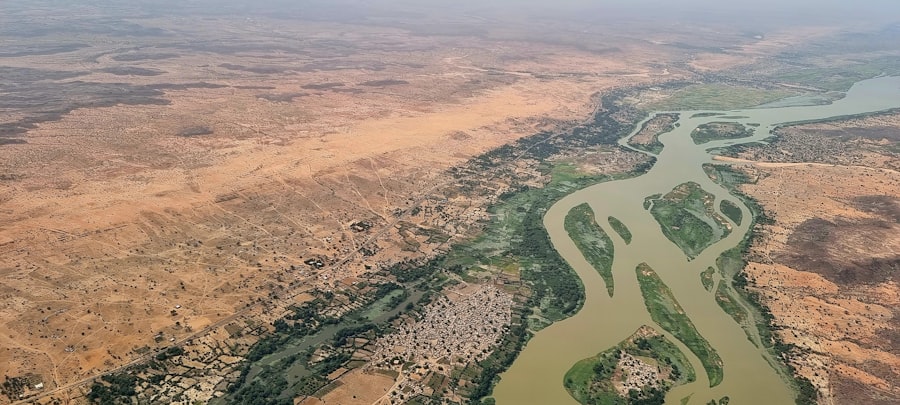
Climate change is not merely an abstract future threat; it is a present reality that is profoundly altering the hydrological cycle and exacerbating the decline of rivers. The Earth’s fever is directly impacting the flow and availability of freshwater.
Changing Precipitation Patterns: A Volatile Balance
The warming planet is leading to erratic and unpredictable precipitation patterns, with some regions experiencing more intense rainfall and flooding, while others face prolonged droughts.
Intensified Droughts and Reduced Base Flows
In many parts of the world, rising temperatures lead to increased evaporation from land surfaces and water bodies, exacerbating drought conditions. This results in significantly reduced rainfall, leading to diminished river flows. The “base flow” of rivers, the water supplied by groundwater, can also be depleted during prolonged dry periods. This means that even when it doesn’t rain, the river’s vital pulse weakens.
Glacial Melt and Snowpack Reduction: Shrinking Reservoirs
Many major river systems, particularly in mountainous regions, are fed by glacial meltwater and snowpack. As global temperatures rise, glaciers are shrinking at an alarming rate, and snowpack is diminishing. This means that the natural reservoirs that have historically sustained rivers for centuries are gradually disappearing, leading to a projected long-term decline in water availability during drier seasons. This is like tapping into an ancient, dwindling well.
Shifting Seasons and Water Availability
Climate change is also altering the timing of natural hydrological events, such as snowmelt and monsoon seasons, further disrupting water availability.
Early Snowmelt and Summer Water Stress
Warmer winters lead to earlier snowmelt in mountainous regions. While this may initially increase water availability in spring, it can result in a premature depletion of snowpack. By the time the dry summer months arrive, when water demand is typically highest, many rivers dependent on snowmelt experience critically low flows, leading to acute water scarcity for agriculture, cities, and ecosystems.
Unpredictable Monsoons and Flood-Drought Cycles
In regions reliant on monsoon rains, climate change is leading to more erratic patterns. This can manifest as delayed monsoons, less frequent heavy rainfall events, or conversely, more intense and destructive downpours. This unpredictability creates a dangerous cycle of floods followed by prolonged droughts, making water management extremely challenging and increasing the risk of both water scarcity and water-related disasters.
Ecological Cascade: The Unraveling Web of Life
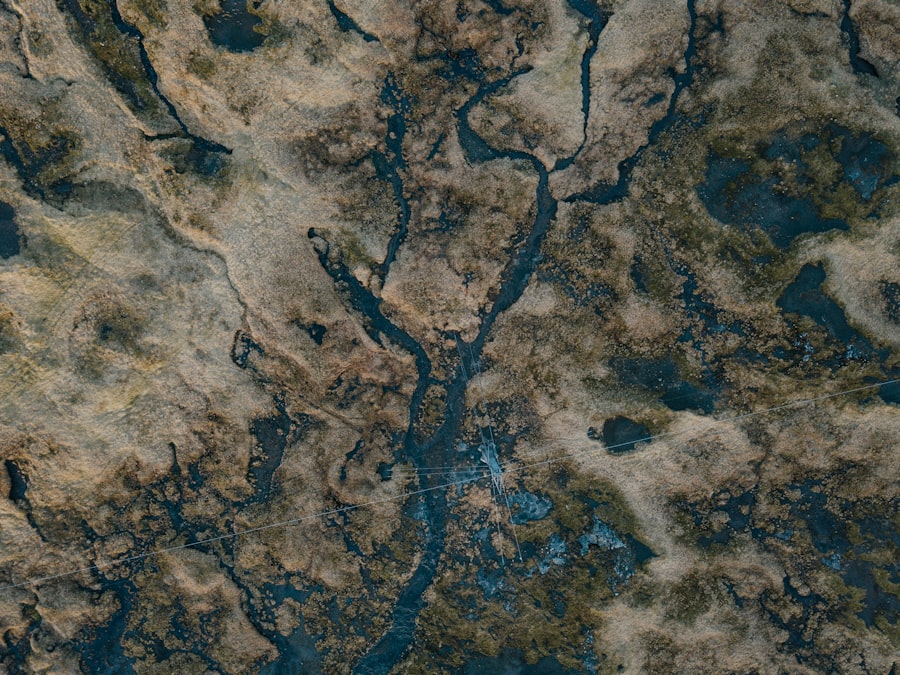
The decline and degradation of rivers trigger a cascade of detrimental ecological consequences, unraveling the intricate web of life that depends on these vital freshwater ecosystems.
Biodiversity Loss: The Fading Symphony of Life
Rivers are hotspots of biodiversity, supporting a vast array of plant and animal species. As rivers shrink, become polluted, or experience altered flow regimes, this biodiversity is irrevocably threatened.
Habitat Degradation and Fragmentation
Reduced water levels, increased pollution, and altered flow patterns directly degrade aquatic habitats. Wetlands, riparian zones, and riverbeds that are essential for spawning, breeding, and foraging are diminished or destroyed. This habitat loss is a primary driver of species decline. Furthermore, the fragmentation of rivers, often caused by dams, creates isolated populations, hindering gene flow and making species more vulnerable to extinction.
Extinction Risks for Unique Species
Many riverine species are highly specialized, adapted to specific flow regimes, water temperatures, and water quality conditions. When these conditions change drastically, these species struggle to adapt and face a heightened risk of extinction. This includes iconic species like certain types of freshwater dolphins, sturgeon, and countless species of fish, amphibians, and invertebrates that are critical components of the riverine ecosystem.
Disruption of Ecosystem Services: The Silent Cost
Rivers provide a multitude of invaluable ecosystem services that benefit human societies. The decline of rivers jeopardizes these services, leading to significant economic and social costs.
Water Purification and Nutrient Cycling
Healthy rivers naturally filter and purify water, removing pollutants and cycling nutrients. Degraded rivers lose this capacity, requiring expensive artificial water treatment to make water potable. The disruption of nutrient cycling can also impact downstream ecosystems, such as coastal wetlands and estuaries, which rely on nutrient inputs from rivers.
Fisheries Collapse and Food Security
Rivers are vital for freshwater fisheries that support the livelihoods of millions of people and contribute to global food security. As rivers decline and become polluted, fish populations dwindle, leading to fisheries collapse. This impacts local economies, food availability, and the cultural heritage of communities that have depended on these fisheries for generations.
Flood Regulation and Sediment Transport
Rivers play a crucial role in regulating floods and transporting sediment. Dams and altered flow regimes can disrupt natural flood cycles, leading to increased flood risks in some areas and sediment starvation in others, impacting coastal erosion and delta formation.
The alarming trend of disappearing rivers has raised significant concerns among environmentalists and scientists alike. Factors such as climate change, urbanization, and excessive water extraction for agriculture are contributing to this crisis. A related article discusses the intricate relationship between human activity and river ecosystems, shedding light on the urgent need for sustainable water management practices. For more insights on this pressing issue, you can read the article here: mygeoquest. Understanding these dynamics is crucial for preserving our vital water resources.
The Human Toll: Societal Impacts of Diminishing Rivers
| Factor | Description | Impact on Rivers | Example Regions |
|---|---|---|---|
| Climate Change | Rising temperatures and altered precipitation patterns reduce river flow. | Decreased water volume, increased evaporation rates. | Southwestern USA, Australia |
| Over-extraction of Water | Excessive withdrawal of water for agriculture, industry, and domestic use. | Lowered river levels, some rivers drying up seasonally or permanently. | Indus River Basin, Colorado River |
| Dams and Water Diversion | Construction of dams and canals alters natural flow regimes. | Reduced downstream flow, sediment trapping, habitat disruption. | Yangtze River, Nile River |
| Deforestation | Removal of trees reduces soil stability and water retention. | Increased runoff, sedimentation, and reduced groundwater recharge. | Amazon Basin, Southeast Asia |
| Urbanization | Expansion of impervious surfaces increases runoff and pollution. | Altered flow patterns, contamination, reduced infiltration. | Many metropolitan areas worldwide |
| Pollution | Discharge of industrial, agricultural, and domestic waste into rivers. | Degradation of water quality, affecting aquatic life and usability. | Ganges River, Citarum River |
The disappearing act of our rivers extends far beyond ecological concerns, inflicting a profound and multifaceted toll on human societies worldwide.
Water Scarcity and Conflict: A Looming Crisis
The diminishing availability of freshwater is increasingly becoming a source of tension and conflict, both within and between nations.
Competition for Scarce Resources
As rivers shrink and water sources become more contested, competition intensifies among agriculture, industry, urban centers, and environmental needs. This can lead to a breakdown in cooperation and exacerbate existing socio-economic inequalities, as marginalized communities often bear the brunt of water scarcity.
Transboundary Water Disputes
Many of the world’s major rivers flow across national borders, making them inherently transboundary resources. When upstream nations extensively utilize or divert river water, it can significantly impact downstream nations, leading to diplomatic tensions and the potential for conflict. The equitable and sustainable management of shared water resources is a complex geopolitical challenge.
Economic Ramifications: The Ripple Effect of Scarcity
The economic consequences of river decline are far-reaching, impacting various sectors and leading to significant financial burdens.
Agricultural Productivity and Food Prices
Reduced water availability for irrigation directly impacts agricultural productivity, leading to crop failures, reduced yields, and higher food prices. This has significant implications for food security and economic stability, particularly in regions heavily reliant on agriculture.
Industrial Production and Tourism
Water is essential for many industrial processes. Scarcity can lead to production cutbacks, increased operating costs, and a decline in industrial output. Similarly, the degradation of rivers and surrounding landscapes negatively impacts tourism, a vital economic sector for many regions.
Health and Sanitation: A Threat to Well-being
The decline in water quality and availability poses a direct threat to public health and sanitation.
Waterborne Diseases and Public Health Crises
Polluted rivers can become breeding grounds for waterborne pathogens, leading to outbreaks of diseases and straining healthcare systems. Inadequate access to clean water for drinking and sanitation exacerbates these health risks, particularly in developing countries.
Displacement and Migration
In regions severely impacted by water scarcity and desertification, communities may be forced to abandon their homes and livelihoods, leading to internal displacement and potential migration. This can create social disruption and place additional strain on resources in receiving areas.
The disappearing act of rivers is a complex, interlinked crisis, born from unsustainable human practices and amplified by environmental change. Recognizing the gravity of this situation, understanding its myriad causes and profound impacts, and committing to collective action are the crucial steps needed to safeguard these vital arteries of life for generations to come. The future of our planet, and indeed our own survival, is intrinsically linked to the health and vitality of our rivers.
▶️ STOP: The Middle Corridor Is A Death Trap
FAQs
Why are some rivers disappearing?
Rivers are disappearing primarily due to factors such as excessive water extraction for agriculture and industry, climate change leading to reduced rainfall, dam construction altering natural flow, and deforestation affecting watershed health.
How does climate change contribute to the disappearance of rivers?
Climate change affects river systems by altering precipitation patterns, increasing evaporation rates, and causing more frequent droughts, all of which reduce the amount of water flowing in rivers.
What role does human activity play in river depletion?
Human activities like over-extraction of water for irrigation, urban development, damming, and pollution significantly reduce river water levels and can lead to rivers drying up.
Can disappearing rivers impact local ecosystems?
Yes, disappearing rivers can severely impact local ecosystems by destroying habitats, reducing biodiversity, and disrupting the natural balance of aquatic and terrestrial life dependent on the river.
Are there any solutions to prevent rivers from disappearing?
Solutions include sustainable water management practices, reforestation, reducing water waste, implementing policies to regulate water use, restoring natural river flows, and addressing climate change through global efforts.