
The global fertilizer trade is a colossal and intricate network, essential for sustaining agricultural productivity worldwide. It functions as the circulatory system of global food security, delivering vital nutrients to crops across continents. However, this system, like any complex organism, is subject to myriad logistical challenges and external pressures. Understanding its dynamics is crucial for anyone involved in agriculture, economics, or international trade.
The international fertilizer market is characterized by a significant disparity between raw material extraction, fertilizer production, and consumption. While some countries possess abundant reserves of phosphates, potash, and natural gas (the primary feedstock for nitrogen fertilizers), others are entirely reliant on imports to meet their agricultural demands. This geographical misalignment necessitates a robust and efficient global trade infrastructure.
Key Fertilizer Types and Their Sources
- Nitrogen Fertilizers: Primarily derived from ammonia, which is synthesized from natural gas and atmospheric nitrogen. Major producers include China, India, Russia, and the United States, driven by their access to natural gas resources.
- Phosphate Fertilizers: Sourced from phosphate rock, with the largest reserves concentrated in Morocco, China, and the United States. Morocco holds approximately 70% of the world’s known phosphate rock reserves, making it a critical player.
- Potash Fertilizers: Extracted from underground salt deposits. Canada is the world’s largest producer and exporter of potash, followed by Russia and Belarus. Political events and trade sanctions can significantly impact potash supply.
Market Drivers and Volatility
Several factors influence the global fertilizer market, contributing to its inherent volatility. These include:
- Crop Prices: High crop prices incentivize farmers to increase fertilizer application, boosting demand. Conversely, low crop prices can lead to reduced fertilizer use.
- Energy Costs: The price of natural gas, a significant input for nitrogen fertilizer production, directly impacts production costs and, consequently, fertilizer prices.
- Geopolitical Events: Conflicts, trade disputes, and sanctions can disrupt supply chains, restrict exports from major producing nations, and lead to price spikes.
- Environmental Regulations: Stricter regulations on emissions from fertilizer production or runoff can influence production methods and costs, ultimately affecting market dynamics.
- Currency Fluctuations: As fertilizers are traded in global markets, exchange rate movements can impact the purchasing power of importing countries and the profitability of exporting nations.
The logistics of global fertilizer trade play a crucial role in ensuring food security and agricultural productivity worldwide. A related article that delves into the complexities of this trade can be found at MyGeoQuest, where it discusses the various factors influencing fertilizer distribution, including supply chain challenges, geopolitical issues, and environmental considerations. Understanding these logistics is essential for stakeholders in the agricultural sector to navigate the ever-evolving landscape of fertilizer availability and pricing.
The Logistical Labyrinth: Transporting Essential Nutrients
The sheer volume and bulk nature of fertilizers pose significant logistical challenges. Unlike high-value, low-volume goods, fertilizers require efficient and cost-effective transport solutions to maintain affordability for farmers. The journey from mine or plant to farm gate is often a multi-modal undertaking, traversing oceans, rivers, rails, and roads.
Marine Shipping: The Backbone of Global Trade
Bulk carriers are the primary mode of international transport for fertilizers. Their capacity to move massive quantities of material at a relatively low cost per ton makes them indispensable.
- Port Infrastructure: The efficiency of port operations is critical. Deepwater ports with specialized handling equipment for bulk commodities, such as grab unloaders and conveyors, are essential to minimize turnaround times and reduce demurrage costs.
- Shipping Routes and Chokepoints: Major shipping routes, such as the Panama Canal and the Suez Canal, are vital arteries for fertilizer trade. Disruptions in these chokepoints, whether due to congestion, accidents, or geopolitical tensions, can have far-reaching consequences on global supply.
- Freight Rates: Fluctuate based on supply and demand for shipping capacity, fuel costs, and geopolitical factors. Spikes in freight rates can significantly increase the delivered cost of fertilizers, impacting farmer profitability.
Inland Transportation: The Last Mile Challenge
Once fertilizers arrive at a major port, they must be transported inland to distribution centers and, ultimately, to farms. This leg of the journey often presents its own set of complexities.
- Rail Networks: For large volumes over long distances, rail transport is often the most economical and environmentally friendly option. Adequate rail infrastructure, including dedicated lines and terminals, is crucial.
- River Barges: In regions with navigable rivers, barges offer a cost-effective alternative for bulk transport, particularly for countries with extensive river systems like the United States, Brazil, and China.
- Road Haulage: Trucks provide the final link in the supply chain, delivering fertilizers from distribution centers to individual farms. The quality of road infrastructure, availability of trucks, and fuel costs all play a role in this segment.
- Storage and Warehousing: Proper storage facilities are essential to protect fertilizers from moisture and contamination, and to manage inventory effectively. Strategic placement of warehouses can reduce transportation distances and improve delivery times.
Specialized Handling and Safety Considerations
Fertilizers are not generic bulk goods; they require specialized handling to ensure safety and preserve product quality.
- Corrosive Properties: Some fertilizers are corrosive, necessitating appropriate handling equipment and storage materials.
- Hygroscopic Nature: Many fertilizers absorb moisture from the air, which can lead to caking and reduced efficacy. This requires climate-controlled storage and careful packaging.
- Dust and Fumes: Handling operations can generate dust and, in some cases, noxious fumes, requiring proper ventilation and protective gear for workers.
- Fire and Explosion Risks: Certain fertilizer compounds, particularly ammonium nitrate, can pose fire and explosion risks if not handled and stored correctly. Strict safety protocols are paramount.
Overcoming Challenges: Strategies for Resilience
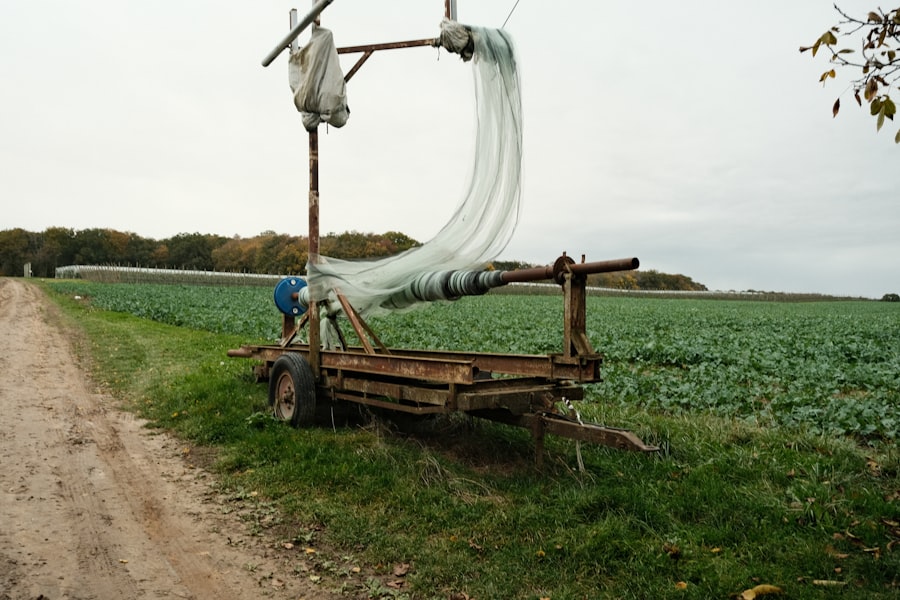
The global fertilizer trade is constantly grappling with a multitude of challenges, from inherent market volatility to external shocks. Building resilience into the system is paramount for ensuring global food security.
Geopolitical Risks and Trade Protectionism
Geopolitical tensions are a recurring threat to the stability of fertilizer supply chains. Export restrictions, sanctions, and trade wars can disrupt established trade flows and lead to artificial shortages.
- Diversification of Sourcing: Countries heavily reliant on a single source for a particular fertilizer type are particularly vulnerable. Diversifying suppliers can mitigate the impact of disruptions from any single nation.
- Strategic Reserves: Maintaining strategic reserves of essential fertilizers can provide a buffer against short-term supply disruptions, allowing time for alternative sourcing or transport arrangements to be made.
- Multilateral Trade Agreements: Strong international trade agreements and organizations, such as the WTO, can help to mediate disputes and promote fair and open trade practices, reducing the likelihood of sudden export bans or tariffs.
Infrastructure Development and Modernization
In many parts of the world, aging or inadequate infrastructure presents a significant bottleneck to efficient fertilizer trade. Investment in modernizing and expanding port facilities, rail networks, and road infrastructure is crucial.
- Public-Private Partnerships: Collaborative efforts between governments and private companies can accelerate infrastructure development, leveraging both public funding and private expertise.
- Digitalization of Logistics: Implementing advanced tracking systems, predictive analytics, and blockchain technology can improve transparency, optimize routing, and reduce transit times.
- Green Logistics: Investing in more environmentally friendly transport solutions, such as electric trains and barges, can reduce the carbon footprint of the fertilizer supply chain.
Mitigating Environmental Impact
The production, transport, and application of fertilizers all have environmental implications. Addressing these concerns is increasingly important for sustainability.
- Precision Agriculture: Technologies that allow for more precise application of fertilizers can reduce overuse, minimize nutrient runoff into waterways, and lower overall environmental impact.
- Enhanced Efficiency Fertilizers (EEFs): Developing and promoting fertilizers that release nutrients more slowly or are more resistant to leaching can improve nutrient uptake by crops and reduce environmental losses.
- Circular Economy Principles: Exploring opportunities to recover nutrients from waste streams, such as wastewater treatment plants or agricultural byproducts, can reduce reliance on virgin raw materials and create more sustainable nutrient cycles.
- Carbon Footprint Reduction: Companies in the fertilizer industry are increasingly investing in technologies to reduce greenhouse gas emissions from production processes, such as carbon capture and storage.
The Future Landscape: Innovation and Sustainability
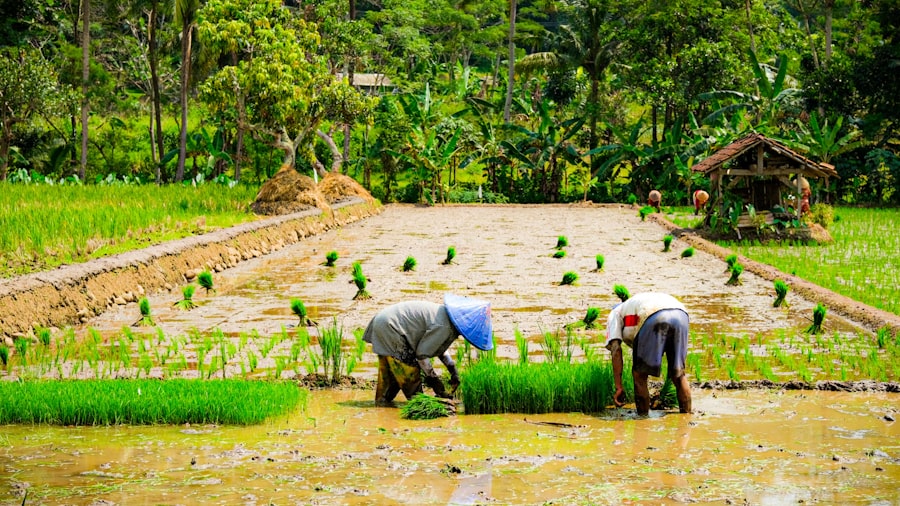
The global fertilizer trade is not static; it is continually evolving in response to technological advancements, environmental imperatives, and shifting geopolitical realities. The path forward involves a blend of innovation and a commitment to sustainable practices.
Technological Advancements in Production
New technologies are emerging to make fertilizer production more efficient and less carbon-intensive.
- Green Ammonia Production: Research into producing ammonia using renewable energy sources (e.g., wind or solar power for electrolysis of water) instead of natural gas holds promise for drastically reducing the carbon footprint of nitrogen fertilizers.
- Nutrient Recovery Technologies: Innovations in extracting phosphorus and potassium from wastewater, manure, and other organic waste streams could provide alternative sources of nutrients, reducing reliance on finite mineral reserves.
- Bio-fertilizers: The development of microbial inoculants that enhance nutrient uptake by plants or fix atmospheric nitrogen naturally offers a complementary approach to traditional synthetic fertilizers.
Adapting to Climate Change
Climate change poses both direct and indirect threats to the fertilizer trade. Extreme weather events can disrupt production, transport, and agricultural yield, while changing rainfall patterns can influence fertilizer demand.
- Resilient Supply Chains: Building supply chain resilience against climate-related disruptions, such as investing in infrastructure hardened against extreme weather, is becoming increasingly critical.
- Climate-Smart Agriculture: Promoting agricultural practices that enhance soil health and water use efficiency, reducing the need for excessive fertilizer application, contributes to both climate adaptation and mitigation.
- Forecasting and Early Warning Systems: Improved climate forecasting and agricultural yield prediction models can help anticipate supply and demand shifts, allowing for proactive adjustments in fertilizer trade.
The Role of International Cooperation
Given the global nature of the fertilizer trade, international cooperation is indispensable for navigating its complexities and ensuring equitable access to essential nutrients.
- Information Sharing: Greater transparency and sharing of market data among nations can help stabilize prices and prevent unwarranted speculation.
- Capacity Building: Supporting developing countries in improving their agricultural practices, fertilizer supply chain management, and sustainable nutrient use can strengthen global food security.
- Collaborative Research and Development: International collaboration on research into sustainable fertilizer production, efficient application methods, and nutrient recovery technologies can accelerate progress towards a more resilient and sustainable global food system.
By understanding the intricate logistical pathways, confronting the inherent challenges head-on, and embracing innovation, the global fertilizer trade can continue to fulfill its vital role in nourishing the world’s growing population. Its journey is a testament to human ingenuity and the constant pursuit of feeding humanity, a journey that demands unwavering attention and strategic foresight.
FAQs
What are the main challenges in the logistics of global fertilizer trade?
The main challenges include handling the bulk and weight of fertilizers, ensuring proper storage to prevent moisture damage, navigating complex international regulations, and managing transportation costs and delays.
Which transportation modes are commonly used in global fertilizer trade?
Fertilizers are typically transported using a combination of sea freight, rail, and road transport. Sea freight is preferred for long-distance international shipping due to cost efficiency, while rail and road are used for inland distribution.
How do seasonal demands affect the logistics of fertilizer trade?
Seasonal agricultural cycles create peak demand periods for fertilizers, requiring careful planning in production, inventory management, and transportation to ensure timely delivery and avoid supply shortages.
What role do ports play in the global fertilizer supply chain?
Ports serve as critical hubs for the import and export of fertilizers, facilitating the transfer between sea vessels and land transportation. Efficient port operations are essential to minimize delays and maintain the quality of fertilizer shipments.
How is the quality of fertilizers maintained during transportation?
Quality is maintained by using appropriate packaging, controlling moisture exposure, and employing specialized storage facilities. Additionally, adherence to safety standards and regular inspections help prevent contamination and degradation.