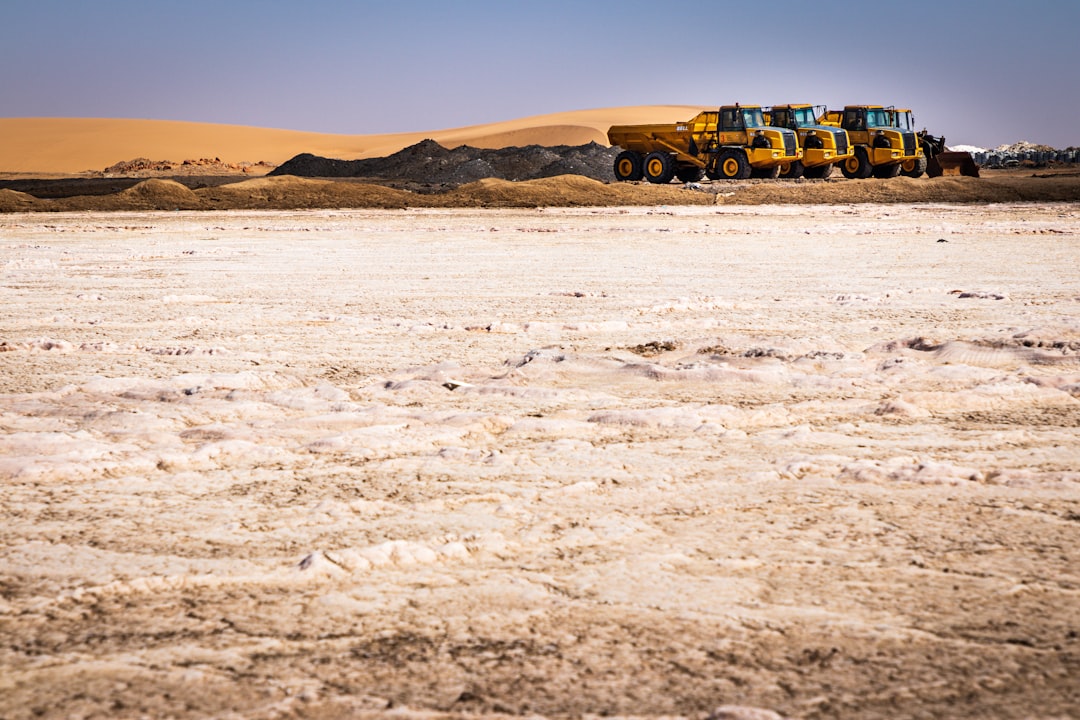
Climate change, a multifaceted phenomenon driven by rising global temperatures, is projected to exert considerable influence across a multitude of human activities and natural systems. One area of increasingly recognized concern is its impact on phosphate mining, an industry critical to global food security through its role in fertilizer production. This article will explore the complex interplay between a changing climate and the extraction of this indispensable resource, detailing the direct and indirect challenges presented to the phosphate sector.
Phosphate rock, the primary source of phosphorus for agricultural fertilizers, animal feed supplements, and various industrial applications, is a non-renewable resource formed over geological timescales. Its extraction typically involves either open-pit or underground mining, followed by beneficiation processes to separate the phosphate minerals from gangue materials.
Global Distribution and Reserves
Significant phosphate rock deposits are concentrated in relatively few countries. Morocco, China, and the United States collectively hold a substantial portion of the world’s commercial reserves. The geological and climatic conditions during their formation have endowed these regions with vast phosphate resources, making them pivotal to the global supply chain. The geographical concentration of these deposits inherently exposes the industry to localized climate impacts.
The Role of Phosphate in Agriculture
Phosphorus is an essential macronutrient for plant growth, playing a vital role in processes such as photosynthesis, energy transfer, and nutrient uptake. Its deficiency severely limits crop yields, emphasizing the irreplaceable function of phosphate fertilizers in maintaining global food production for an ever-growing population. A disruption in phosphate supply, therefore, has immediate and far-reaching implications for food security.
Environmental Footprint of Conventional Mining
Conventional phosphate mining operations often entail significant environmental footprints. These can include extensive land disturbance, habitat destruction, biodiversity loss, and the generation of large quantities of phosphogypsum, a by-product that frequently contains elevated levels of radionuclides and heavy metals. The management of these environmental liabilities is already complex and is poised to become even more challenging under varying climatic conditions.
The impact of climate change on phosphate mining is a critical issue that has garnered attention in recent years. As global temperatures rise and weather patterns shift, the sustainability of phosphate mining operations is increasingly at risk. For a deeper understanding of this topic, you can explore a related article that discusses the environmental implications and challenges faced by the phosphate industry in the context of climate change. To read more, visit MyGeoQuest.
Direct Climate Change Impacts on Mining Operations
Climate change manifests through altered weather patterns, increased frequency and intensity of extreme weather events, and shifts in hydrological regimes. These changes directly impinge upon the operational viability and safety of phosphate mining.
Water Scarcity and Availability
Many phosphate mines are located in arid or semi-arid regions, or regions experiencing increasing water stress. Mining operations, particularly the beneficiation processes, are highly water-intensive. Changes in precipitation patterns, including prolonged droughts and reduced snowpack melt, directly threaten the availability of crucial water resources for mining.
- Impact on Beneficiation: Water scarcity can severely restrict the wet beneficiation processes used to concentrate phosphate rock, potentially leading to reduced throughput and increased operational costs as alternative water sources or more expensive water treatment technologies become necessary.
- Competition for Water: Mining operations often compete with agricultural and domestic users for limited water resources. Climate-induced water scarcity can exacerbate these conflicts, potentially leading to social unrest and regulatory restrictions on water usage by the mining sector.
Extreme Weather Events
The increased frequency and intensity of extreme weather events, such as heavy rainfall, floods, and tropical cyclones, pose significant risks to mining infrastructure and personnel.
- Flooding and Infrastructure Damage: Intense rainfall can lead to localized flooding, damaging haul roads, processing plants, and tailing storage facilities. Such events can cause operational downtime, require costly repairs, and potentially lead to environmental contamination if containment structures fail.
- Slope Stability and Geohazards: Elevated moisture content in soils due to increased rainfall or glacial melt in colder regions can reduce slope stability in open-pit mines and increase the risk of landslides and rockfalls, posing safety hazards to workers and disrupting operations.
Temperature Extremes
Rising ambient temperatures can influence operational efficiency and worker safety, particularly in open-pit mines where prolonged exposure to heat can lead to heat stress and reduced productivity.
- Equipment Performance: Elevated temperatures can impact the performance and durability of heavy machinery, requiring more frequent maintenance and potentially increasing fuel consumption for cooling systems.
- Worker Safety and Productivity: Heat stress in exposed environments mandates additional safety protocols, including hydration breaks and reduced working hours during peak heat, consequently affecting overall productivity and labor costs.
Indirect Climate Change Impacts on the Phosphate Value Chain
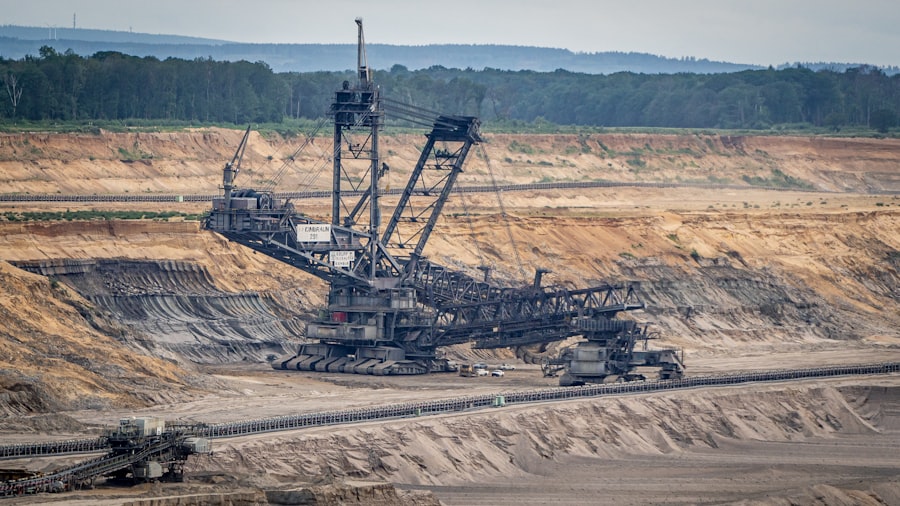
Beyond direct impacts on mining sites, climate change exerts its influence across the entire phosphate value chain, from resource access to market dynamics.
Disruptions to Transportation and Logistics
The transport of mined phosphate rock and processed fertilizers relies heavily on infrastructure susceptible to climate impacts.
- Port and Shipping Vulnerabilities: Rising sea levels and increased storm surges threaten coastal port infrastructure essential for international trade of phosphate products. Disruptions to shipping lanes due to extreme weather can delay deliveries and increase freight costs.
- Inland Transport Challenges: Damage to road and rail networks due to floods, landslides, or extreme winds can impede the efficient movement of phosphate from mines to processing plants or to end-users, leading to supply chain bottlenecks.
Energy Costs and Regulatory Pressures
The mining and processing of phosphate are energy-intensive activities. Climate change mitigation efforts, such as carbon pricing and stricter emissions regulations, are likely to influence the operating costs of the industry.
- Transition to Renewable Energy: A global shift towards renewable energy sources could lead to fluctuating and potentially higher energy costs for operations that remain reliant on fossil fuels, incentivizing a transition that may require significant capital investment.
- Carbon Taxes and Emissions Trading: The introduction or expansion of carbon taxes and emissions trading schemes will directly increase the operational expenditures for companies with significant greenhouse gas emissions, pushing them to invest in cleaner technologies.
Market Dynamics and Agricultural Demand Shifts
Climate change is projected to alter agricultural productivity and demand for specific crops, which in turn will influence the demand for phosphate fertilizers.
- Regional Shifts in Agriculture: Changes in temperature and precipitation patterns may render some agricultural regions less productive, while others may become newly suitable. This geographical shift in food production will necessitate adjustments in fertilizer distribution and potentially lead to new demand centers.
- Crop Type Adaptations: Farmers may adapt to changing conditions by cultivating different crop varieties or types that are more resilient to new climatic conditions. This could lead to shifts in the specific nutrient requirements and, consequently, in the demand for different types of phosphate fertilizers.
Environmental and Social Dimensions
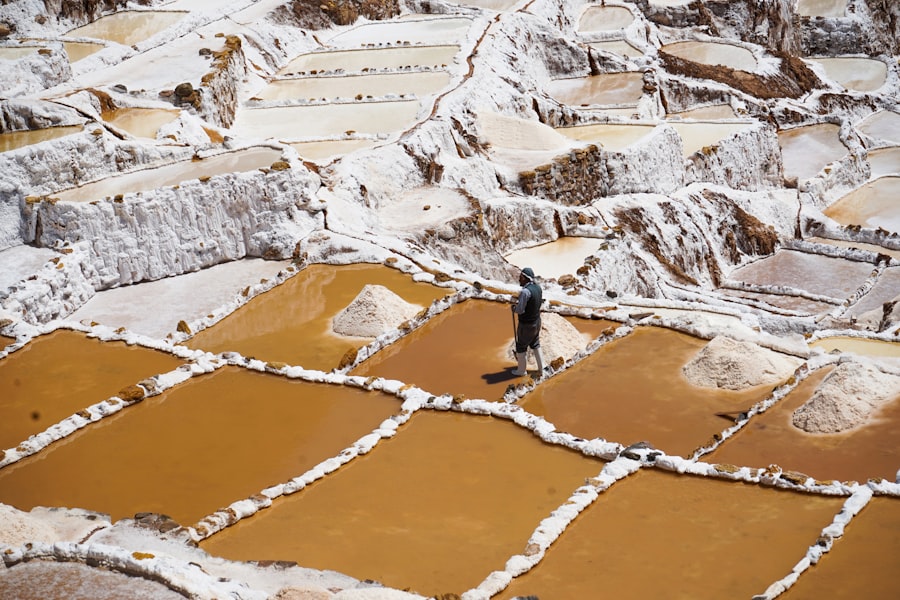
The environmental and social implications of phosphate mining are exacerbated by climate change, necessitating more robust mitigation and adaptation strategies.
Tailings Management and Geochemical Stability
The stability of tailings storage facilities (TSFs) and the geochemical behavior of mining waste are critical concerns, especially under changing climatic conditions.
- Increased Risk of TSF Failure: Extreme rainfall events can overwhelm TSFs, leading to dam failures and catastrophic spills of contaminated materials into surrounding environments, with long-lasting ecological and social consequences.
- Acid Mine Drainage (AMD): Changes in hydrological regimes, particularly increased infiltration, can accelerate the formation and release of acid mine drainage from waste rock piles, contaminating water bodies with heavy metals and acidity.
Biodiversity and Ecosystem Degradation
Mining operations already contribute to habitat destruction and biodiversity loss. Climate change adds a layer of complexity by stressing ecosystems and species, making them more vulnerable to these anthropogenic disturbances.
- Exacerbated Habitat Loss: The combined pressures of mining expansion and climate-induced habitat shifts or degradation can accelerate the loss of critical ecosystems and the extinction of vulnerable species.
- Cumulative Impacts: The cumulative impact of mining activities and climate change on local ecosystems can push environmental systems beyond their tipping points, leading to irreversible damage.
Community Resilience and Displacement
Mining communities, particularly those in vulnerable regions, are disproportionately affected by the dual challenges of resource extraction and climate change.
- Water Access for Communities: In areas facing water scarcity, mining operations can compete with local communities for essential water resources, leading to social tensions and impacting human rights, especially under intensified drought conditions.
- Climate Migration and Livelihood Loss: Climate-induced displacement, combined with the environmental footprint of mining, can undermine the livelihoods of local communities, potentially leading to forced migration and social instability.
The impact of climate change on phosphate mining is a growing concern, as rising temperatures and shifting weather patterns can significantly affect the availability and quality of phosphate resources. For a deeper understanding of this issue, you can explore a related article that discusses the environmental implications and potential solutions in greater detail. This insightful piece can be found here, providing valuable information on how the mining industry is adapting to the challenges posed by climate change.
Adaptation and Mitigation Strategies for the Phosphate Sector
| Metric | Impact Description | Data/Value | Source/Year |
|---|---|---|---|
| Phosphate Ore Yield Reduction | Decrease in phosphate ore quality and quantity due to increased soil erosion and altered precipitation patterns | Up to 15% yield reduction projected by 2050 | IPCC Report, 2022 |
| Water Availability for Mining | Reduced freshwater availability impacting mining operations and ore processing | 20-30% decrease in accessible water in key mining regions | World Bank, 2023 |
| Energy Consumption Increase | Higher energy use due to deeper mining and processing of lower-grade ores | Estimated 10-12% increase in energy consumption by 2040 | IEA, 2021 |
| GHG Emissions from Mining | Increased greenhouse gas emissions from intensified mining activities and energy use | Projected rise of 8% in emissions by 2035 | UNEP, 2022 |
| Impact on Local Biodiversity | Loss of habitat and species diversity due to mining expansion and climate stress | Up to 25% decline in local species richness in mining areas | Conservation Biology Journal, 2023 |
| Economic Impact on Mining Communities | Reduced income and employment due to disrupted mining operations and resource scarcity | Estimated 10% decline in local mining sector GDP by 2040 | OECD Report, 2023 |
Addressing the multifaceted impacts of climate change requires a proactive and comprehensive approach from the phosphate mining sector.
Investing in Climate-Resilient Infrastructure
Building infrastructure capable of withstanding extreme weather events is paramount to ensuring operational continuity and safety.
- Robust Water Management Systems: Implementing advanced water capture, recycling, and treatment technologies will enhance water security and reduce reliance on external freshwater sources. This includes designing runoff management systems capable of handling increased precipitation events.
- Strengthening Tailings Facilities: Upgrading TSFs to meet higher design standards that account for projected increases in rainfall intensity and seismic activity will be crucial to preventing environmental disasters.
Transitioning to Sustainable Mining Practices
Embracing environmentally sound and resource-efficient mining methods can mitigate both the industry’s climate footprint and its vulnerability.
- Energy Efficiency and Renewable Energy Integration: Investing in energy-efficient technologies and transitioning to renewable energy sources (solar, wind) for mining operations will reduce greenhouse gas emissions and operational costs in the long term.
- Circular Economy Principles: Exploring innovative approaches to waste management, such as the recovery of phosphorus from waste streams (e.g., wastewater, manure), can reduce reliance on virgin phosphate rock extraction and minimize environmental impacts.
Enhancing Monitoring and Data-Driven Decision Making
Improved data collection and analysis are essential for understanding and responding to climate risks.
- Climate Risk Assessments: Regular and comprehensive climate risk assessments should be integrated into strategic planning processes, informing investment decisions and operational adjustments.
- Environmental Monitoring Systems: Advanced monitoring systems for water quality, air quality, and ecosystem health will provide early warnings of environmental degradation and enable timely remedial actions.
Collaboration and Stakeholder Engagement
Addressing climate change impacts effectively requires collaboration across multiple stakeholders.
- Government and Regulatory Bodies: Governments have a crucial role in establishing clear regulatory frameworks, incentivizing sustainable practices, and supporting research into climate-resilient mining technologies.
- Local Communities and Indigenous Peoples: Engaging with local communities and Indigenous Peoples is vital to ensure that mining operations respect their rights, consider their vulnerabilities, and contribute to their long-term resilience.
In conclusion, the impact of climate change on phosphate mining is a complex and evolving challenge. It acts as both a disruptor to traditional operations and an amplifier of existing environmental and social concerns. For an industry fundamental to global food security, understanding these interactions is not merely an academic exercise but an imperative for ensuring the long-term sustainability and resilience of the phosphate supply chain. The sector must adapt, innovate, and collaborate to navigate the climatic uncertainties of the coming decades, turning challenges into opportunities for more responsible resource management and a more secure global food future.
FAQs
What is the relationship between climate change and phosphate mining?
Climate change affects phosphate mining by altering weather patterns, increasing the frequency of extreme weather events, and impacting water availability, all of which can disrupt mining operations and reduce phosphate production.
How does climate change impact the environmental sustainability of phosphate mining?
Climate change can exacerbate environmental issues related to phosphate mining, such as soil erosion, habitat destruction, and water pollution, making it more challenging to manage mining sites sustainably.
Are phosphate mining operations vulnerable to climate-induced natural disasters?
Yes, phosphate mining sites are vulnerable to climate-induced natural disasters like floods, droughts, and storms, which can damage infrastructure, halt production, and increase operational costs.
What measures can phosphate mining companies take to mitigate the effects of climate change?
Companies can implement water conservation techniques, improve energy efficiency, adopt climate-resilient infrastructure, and engage in land reclamation and reforestation to reduce the impact of climate change on mining activities.
Why is phosphate mining important in the context of global food security and climate change?
Phosphate is a critical component of fertilizers essential for global food production. Climate change impacts on phosphate mining can affect fertilizer supply, thereby influencing agricultural productivity and food security worldwide.