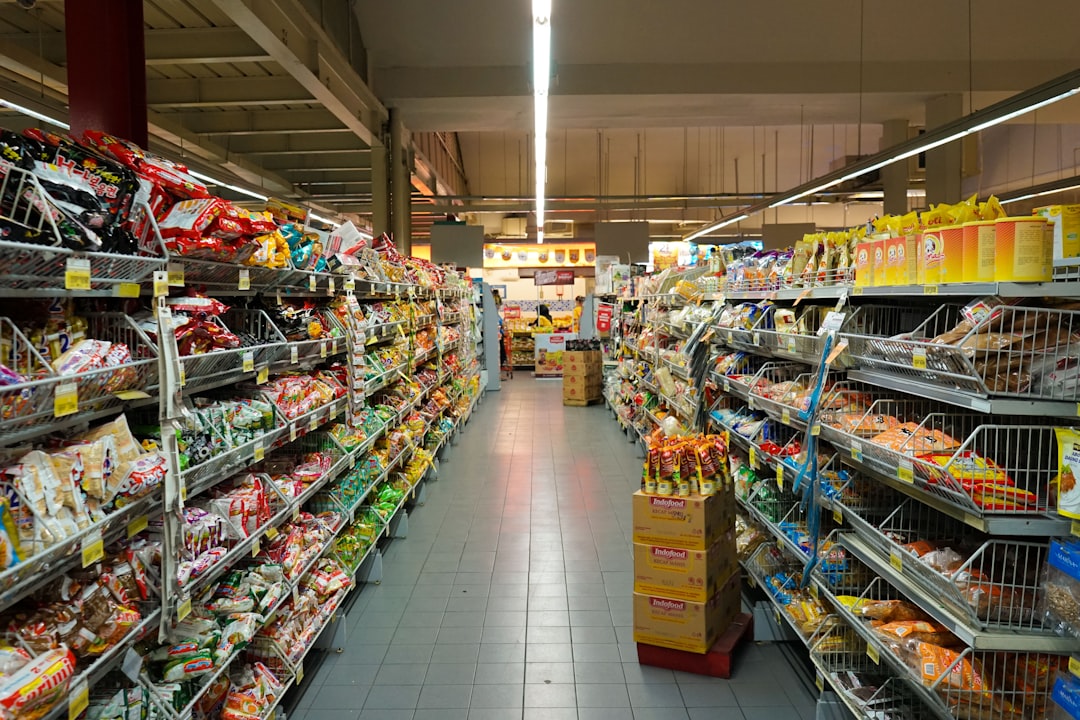
The global food system, a colossal apparatus responsible for nourishing billions, is often perceived through the narrow lens of supermarket shelves. This perception, however, belies a far more intricate and costly reality, a hidden financial burden that experts estimate to be in the trillions of dollars. The term “12 Trillion Dollar Grocery Lie” encapsulates this grand deception, a revelation that not only challenges conventional understandings of food economics but also demands a critical re-evaluation of how societies produce, consume, and value their sustenance. This article aims to dissect this multifaceted issue, unveiling the hidden costs embedded within the food supply chain and their profound implications for economies, the environment, and human well-being.
The price tag on a grocery item, seemingly a straightforward reflection of its value, is merely the tip of an immense financial iceberg. Consumers often mistake this retail price for the true cost of food, overlooking a vast array of expenses that are externalized and borne by other sectors of society. This externalization creates an illusion of affordability, masking the profound financial and environmental consequences of current food production practices.
The True Cost of Production: A Web of Hidden Subsidies
Agricultural industries, particularly in developed nations, benefit significantly from direct and indirect government subsidies. These subsidies, often designed to stabilize food prices or support specific farming communities, distort market signals and encourage practices that may not be environmentally or economically sustainable in the long run. For instance, policies that encourage monoculture or intensive livestock farming can lead to lower retail prices for certain commodities, but these savings often come at the expense of soil degradation, water pollution, and antibiotic resistance, costs that are eventually borne by taxpayers or future generations.
Environmental Degradation: A Debt to Nature
The modern industrial food system is a significant contributor to global environmental challenges. Deforestation for agricultural expansion, excessive water consumption for irrigation, and the widespread use of synthetic fertilizers and pesticides impose substantial environmental costs. These include biodiversity loss, climate change due to greenhouse gas emissions, and ecosystem collapse. Valuing these damages and incorporating them into the cost of food reveals a colossal financial burden, a “debt to nature” often overlooked in economic calculations. The conversion of biodiverse ecosystems into monoculture farms, for example, might seem economically efficient in the short term by maximizing yields, but the long-term ecological consequences represent an unquantified cost of immense magnitude.
Health Externalities: The Price of Processed Perfection
The food choices available to many, particularly in urbanized and low-income areas, are often dominated by highly processed, calorie-dense, and nutrient-poor options. The consumption of such foods is directly linked to an escalating global health crisis, characterized by rising rates of obesity, type 2 diabetes, cardiovascular diseases, and certain cancers. The healthcare costs associated with treating these diet-related illnesses represent a significant, often unacknowledged, component of the true cost of food. This burden is shouldered by healthcare systems, insurance companies, and individuals, effectively subsidizing the production and consumption of unhealthy food.
The recent discussion surrounding the “12 trillion dollar grocery lie” has sparked interest in the broader implications of consumer spending and inflation in the grocery sector. For those looking to delve deeper into this topic, a related article titled “Understanding the Real Costs of Grocery Shopping” provides valuable insights into how pricing strategies and market dynamics affect our everyday purchases. You can read more about it here: Understanding the Real Costs of Grocery Shopping.
Supply Chain Inefficiencies: Leaks in the System
The journey of food from farm to fork is a complex one, fraught with inefficiencies that contribute to the inflated global cost. These inefficiencies, ranging from food waste to exploitative labor practices, represent economic leakages that ultimately impact both producers and consumers.
Food Loss and Waste: A Squandered Resource
Globally, an estimated one-third of all food produced for human consumption is either lost or wasted. This colossal waste occurs at every stage of the supply chain, from post-harvest losses in developing countries due to inadequate infrastructure to supermarket discards and household plate waste in developed nations. The economic implications of this waste are staggering, representing not only lost revenue for farmers and businesses but also squandered resources – water, land, energy, and labor – invested in producing food that is never consumed. Imagine a river of resources, constantly flowing, only for a significant portion of its volume to spill out before reaching its destination. This is the metaphor for food loss and waste.
Exploitative Labor Practices: The Human Cost of Cheap Food
The pursuit of ever-cheaper food often comes at the expense of fair labor practices within the agricultural and food processing sectors. From farm workers in developing countries to seasonal laborers in developed nations, many are subjected to low wages, unsafe working conditions, and limited access to benefits. This exploitation, while seemingly reducing the retail price of food, represents a hidden social cost, impacting individuals, communities, and national economies through increased social welfare burdens and reduced productivity. The illusion of cheap food is often built upon the backs of those who produce it.
Transportation and Logistics: The Carbon Footprint of Our Plates
The globalized food system relies heavily on extensive transportation networks, moving food across continents and oceans. This logistical behemoth contributes significantly to greenhouse gas emissions and environmental pollution. The costs associated with fuel consumption, infrastructure maintenance, and addressing climate change impacts are all implicitly embedded within the “true cost” of food. The idea of air-freighted strawberries in winter, while a luxury for some, carries with it a substantial environmental and financial burden that is rarely transparent.
The Power Imbalance: Who Profits, Who Pays?

The structure of the global food system is characterized by significant power imbalances, with a few large corporations often dominating production, processing, and retail. This consolidation of power can lead to practices that extract maximum profit while externalizing costs to others.
Corporate Consolidation and Monopoly Power: Squeezing the Margins
The food industry has witnessed a trend towards increasing consolidation, with a handful of multinational corporations controlling vast segments of the supply chain. This concentration of power can lead to anti-competitive practices, such as price fixing and unfair bargaining with farmers, who often have limited options for selling their produce. While these corporations may report substantial profits, the upstream costs to farmers and the downstream costs to consumers often remain opaque and disproportionately distributed. The analogy of an hourglass comes to mind, where the vast quantities of inputs from farmers narrow to a few powerful players in the middle before fanning out again to consumers, with significant value captured in the constricted neck.
Marketing and Advertising: Cultivating Desires, Driving Consumption
The food industry invests billions annually in marketing and advertising, influencing consumer preferences and driving purchasing decisions. While this might stimulate demand and provide consumer choice, it also contributes to the “grocery lie” by creating artificial desires and promoting less healthy or sustainable options. The costs of these extensive marketing campaigns are ultimately passed on to consumers, further inflating the true cost of food, not in terms of production, but in terms of perceived value and manufactured demand.
Policy and Regulation: A Lack of Holistic Oversight
Current agricultural and food policies often operate in silos, failing to adopt a holistic approach that considers the interconnectedness of food production, environmental sustainability, and public health. For example, policies designed to maximize agricultural output may inadvertently lead to environmental degradation or health crises. A lack of comprehensive regulation regarding food waste, sustainable farming practices, and fair labor standards perpetuates the externalization of costs, allowing the “12 Trillion Dollar Grocery Lie” to persist.
Towards a Transparent and Sustainable Food System: Unmasking the Truth
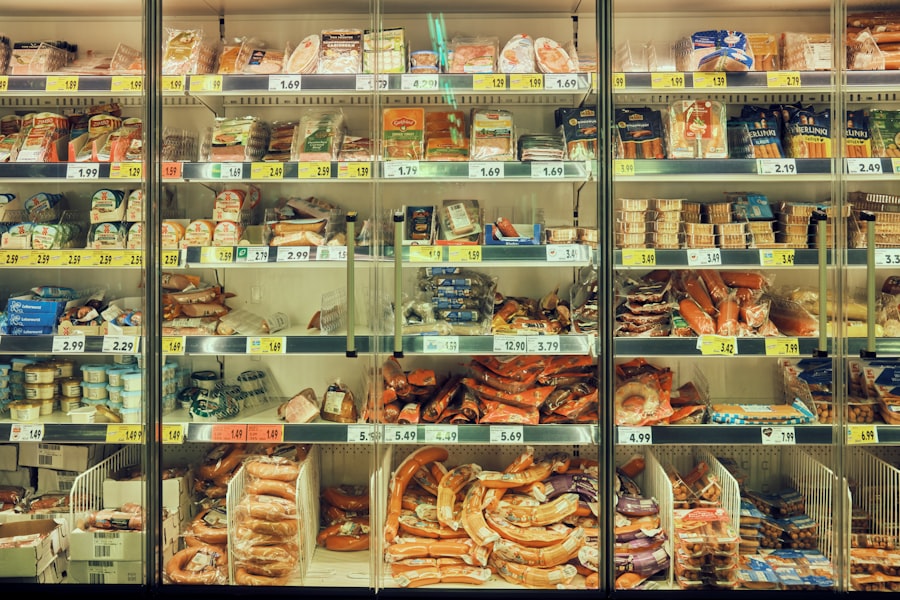
Acknowledging the “12 Trillion Dollar Grocery Lie” is the first step towards building a more transparent, equitable, and sustainable food system. This requires a fundamental shift in perspective, moving beyond the retail price to understand the full societal and environmental costs of our food choices.
Redefining Value: Accounting for True Costs
A crucial step is to develop methodologies for “true cost accounting” in the food system. This involves systematically quantifying and internalizing the environmental, social, and health externalities currently externalized. By integrating these costs into the price of food, consumers would gain a more accurate understanding of the real value of their purchases, and producers would be incentivized to adopt more sustainable and ethical practices. Imagine a price tag that not only lists the monetary cost but also an environmental footprint and a social equity score, allowing for informed choices.
Policy Reform: Fostering Sustainable Practices and Fair Play
Government policies play a pivotal role in shaping the food system. Reforms are needed to shift agricultural subsidies towards sustainable and regenerative farming practices, incentivize reduced food waste, and enforce fair labor standards. Robust regulations are also essential to curb corporate consolidation and ensure competitive markets that benefit both producers and consumers. Policymakers must move beyond short-term economic gains and embrace a long-term vision for food security and planetary health.
Empowering Consumers: Informed Choices and Conscious Consumption
Consumers, as the ultimate drivers of demand, have a significant role to play in unraveling the “grocery lie.” By seeking out transparently labeled products, supporting local and sustainable farms, and reducing food waste, individuals can exert pressure on the system to change. Education about the true cost of food and the broader impacts of dietary choices is paramount to fostering conscious consumption habits. The power of the purse, when wielded with knowledge and intention, can be a potent force for positive change.
Innovation and Technology: Solutions for a Smarter System
Technological advancements and innovative approaches can contribute significantly to addressing the challenges posed by the true cost of food. This includes developing more efficient farming techniques, implementing data-driven solutions to reduce food waste, and exploring alternative protein sources that have a lower environmental footprint. Investment in research and development is crucial to fostering a food system that is both productive and sustainable.
The “12 Trillion Dollar Grocery Lie” is not a hyperbolic claim but a deeply researched assessment of the systemic mispricing of food. It represents the accumulated burden of externalized costs that our current food system offloads onto society and the environment. Unmasking this lie is not merely an academic exercise; it is an urgent imperative that demands collective action from governments, corporations, and individuals. Only by embracing a holistic understanding of the true cost of food can we hope to build a food system that nourishes humanity without depleting our planet or compromising our future. The journey ahead is complex, but the destination—a food system that is truly sustainable, equitable, and healthy—is undeniably worth the effort.
FAQs
What is the main claim discussed in “The 12 Trillion Dollar Grocery Lie”?
The article discusses a widespread misconception or misleading information related to the grocery industry, specifically involving a figure of 12 trillion dollars, which is likely exaggerated or misrepresented.
Is the 12 trillion dollar figure related to the global grocery market size?
No, the 12 trillion dollar figure is not an accurate representation of the global grocery market size. The article clarifies that this number is a myth or an inflated statistic that has been circulated without factual basis.
Why is the 12 trillion dollar figure considered a “lie” in the grocery context?
It is considered a “lie” because the number is either fabricated, taken out of context, or used to mislead consumers or stakeholders about the scale or economic impact of the grocery industry.
What impact does spreading false information like the 12 trillion dollar claim have?
Spreading false information can lead to misunderstandings about the grocery market, affect consumer trust, influence policy decisions inaccurately, and distort economic analyses related to food retail and supply chains.
How can consumers verify claims about large economic figures in industries like grocery?
Consumers can verify such claims by consulting reputable sources such as government economic reports, industry analyses from trusted market research firms, and academic studies, rather than relying on unverified online posts or sensational headlines.