The relentless hum of construction sites, the towering skylines that define modern metropolises, and the ever-expanding infrastructure that connects our world – all of these achievements have a silent, often unseen, foundational element: sand. Yet, this ubiquitous resource, seemingly as abundant as pebbles on a beach, is at the heart of a burgeoning global crisis, perpetuated by a shadow industry known as the “Sand Mafia.” This is not a fictional criminal syndicate wielding Tommy guns, but a complex and pervasive network of illegal miners, corrupt officials, and complicit businesses that are systematically plundering the planet’s shorelines and riverbeds, leaving a trail of environmental devastation and societal disruption in their wake. This article will delve into the intricate workings of the sand mafia, its far-reaching consequences, and the formidable challenges in curbing its insatiable appetite.
For much of human history, sand was a resource taken for granted. Its sheer abundance, particularly from coastal areas and riverbanks, meant that its extraction was largely unregulated and its environmental impact largely unexamined. However, the dramatic acceleration of global urbanization and infrastructure development in the past few decades has transformed sand from a plentiful commodity into a scarce and highly contested resource. The sheer scale of construction projects – from the artificial islands of Dubai to the sprawling cities of China and the massive dams being erected across developing nations – has created an insatiable hunger for aggregate, the primary component of concrete, that is predominantly sourced from sand.
Concrete: The Bedrock of Modernity, and the Sand Mafia’s Enabling Factor
Concrete, the workhorse of the construction industry, is a composite material composed of cement, aggregate (sand and gravel), and water. The global demand for concrete is staggering, with estimates suggesting that humanity uses more sand than any other resource, save for water. This immense demand directly translates into an equally immense demand for sand. The sand mafia thrives in this environment, exploiting the sheer volume required to make its illicit operations profitable.
Urbanization’s Unseen Footprint
As cities expand, so too does the need for new buildings, roads, bridges, and public spaces. This relentless march of urbanization, particularly in rapidly developing economies, fuels a demand for building materials that often outstrips the legal supply. The sand mafia steps into this vacuum, offering a seemingly inexhaustible and cheaper alternative to legally sourced sand.
The Infrastructure Boom: A Double-Edged Sword
The construction of new infrastructure – airports, high-speed rail lines, power plants, and water systems – is often portrayed as a sign of progress and economic growth. However, this boom has an often-overlooked environmental cost. The extraction of sand for these mega-projects, particularly when conducted illegally, places an immense strain on ecosystems.
The issue of the sand mafia’s control over global construction has garnered significant attention in recent years, highlighting the illegal extraction and trade of sand, which is a crucial resource for building infrastructure. A related article that delves deeper into this pressing topic can be found at My Geo Quest, where it explores the environmental and social implications of sand mining, as well as the challenges faced by governments in regulating this lucrative yet destructive industry.
The Illicit Extraction: A Scrape Against the Earth’s Skin
The methods employed by the sand mafia are as varied as they are destructive. These operations, often conducted under the cloak of darkness or through intricate networks of shell companies and bribed officials, prioritize speed and volume over sustainability and legality. The visual of a pristine beach or a tranquil riverbank can be deceiving; beneath the surface, these ecosystems can be silently ravaged.
Dredging’s Devastation: Sucking the Lifeblood from Rivers and Seas
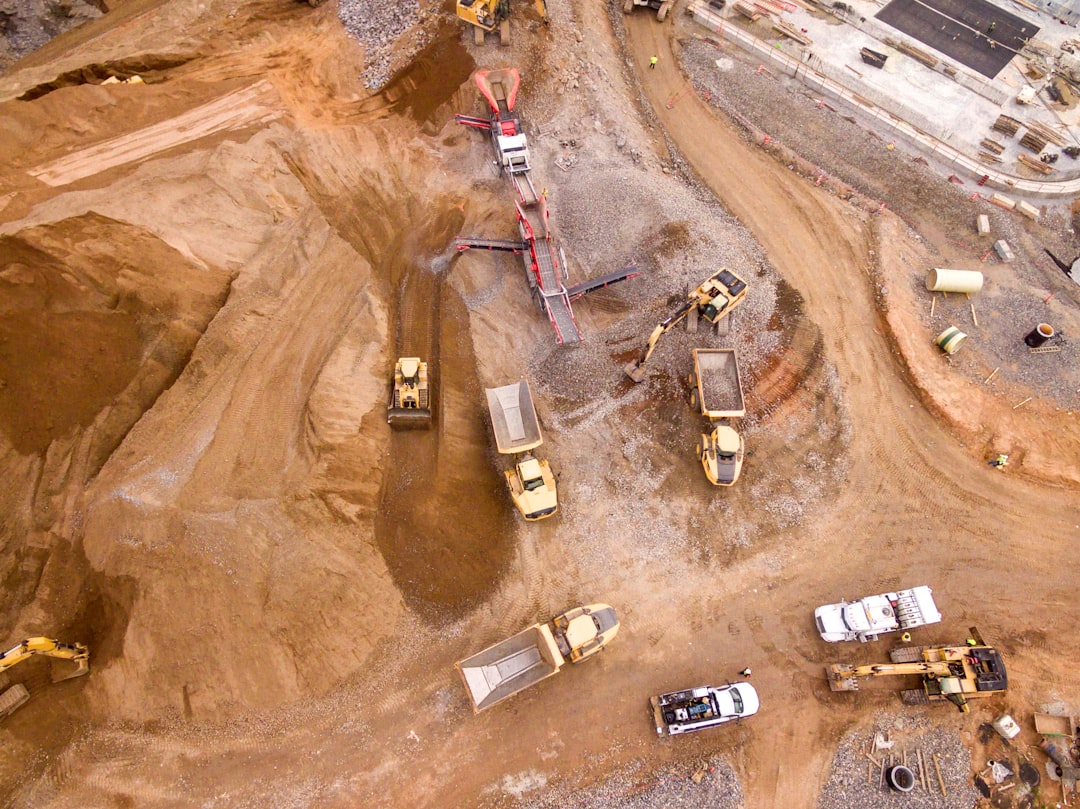
The most common method of illegal sand extraction involves industrial-scale dredging. Powerful suction dredgers are deployed to vacuum sand from riverbeds, delta regions, and even shallow coastal waters. This process is akin to ripping out the vital organs of these aquatic environments, causing irreversible damage.
River Desiccation: Starving the Waterways
Dredging rivers not only removes sand but also alters their flow, depth, and sediment composition. This can lead to reduced water levels, increased erosion of riverbanks, and a disruption of aquatic habitats. In some regions, illegal dredging has been directly linked to the drying up of rivers, impacting agriculture, drinking water supplies, and the livelihoods of communities that depend on these waterways.
Coastal Erosion: Undermining Natural Defenses
Coastal sand dunes and offshore sandbars act as natural barriers against storm surges and erosion. Illegally extracting sand from these areas leaves coastlines vulnerable to the destructive power of the sea. Communities living in these areas face increased risks of flooding and property damage, while vital coastal ecosystems, such as mangrove forests and coral reefs, are also threatened.
Inland Grabs: The Ravaging of Land and Landscapes
Beyond aquatic environments, the sand mafia also targets terrestrial sand deposits. These operations can be equally destructive, leading to land degradation, habitat loss, and the creation of unsightly, gaping holes in the landscape.
Agricultural Land’s Sacrifice: The Greed for Grey Gold
In many regions, arable land rich in sand deposits is being illegally encroached upon and exploited for sand extraction. This robs communities of their agricultural base, leading to food insecurity and economic hardship.
Ecosystem Collapse: The Silent Death of Biodiversity
Natural sand habitats, whether coastal or inland, are often home to unique and vulnerable species. The wholesale removal of sand destroys these habitats, pushing species towards extinction and unraveling complex ecological webs.
The Architects of Illegality: The Sand Mafia’s Network
The sand mafia is not a monolithic entity but a sophisticated network of individuals and organizations that operate with alarming impunity. Their success hinges on a confluence of factors, including weak governance, corruption, and a lack of public awareness.
The Corrupt Nexus: Bribes and Collusion
A crucial element in the sand mafia’s continued operation is the complicity of officials tasked with environmental protection and resource management. Bribes, intimidation, and direct collusion allow illegal operations to flourish unchecked. This corruption acts as a protective shield, rendering enforcement efforts ineffective.
Local Officials on the Take: The Gatekeepers of Greed
In many instances, local law enforcement and administrative officials are either directly involved in the illicit sand trade or turn a blind eye in exchange for financial incentives. This local corruption is the first line of defense for the sand mafia.
Political Patronage: A Wider Web of Influence
The reach of the sand mafia can extend to higher echelons of political power. Political patronage can provide them with a degree of protection from investigation and prosecution, making it exceedingly difficult to dismantle their networks.
The Business of Exploitation: From Shell Companies to Front Operations
The sand mafia often disguises its illegal activities through layers of shell companies and legitimate-sounding businesses. This complex web of financial maneuvering makes it difficult to trace the ownership of extracted sand and to hold those responsible accountable.
Front Operations: The Mask of Legitimacy
Many construction companies, from small contractors to large development firms, may unknowingly or knowingly procure sand from illegal sources. This creates a powerful demand that fuels the illicit extraction.
International Trade Routes: The Global Reach of Illicit Sand
In some cases, sand extracted illegally in one country is then trafficked to others, particularly to regions experiencing a severe sand shortage. This international trade in illicit sand further complicates enforcement efforts and highlights the global nature of the problem.
The Devastating Repercussions: A World Eroding from Within
The consequences of unchecked sand extraction extend far beyond the immediate environmental damage. They ripple through societies, impacting economies, exacerbating social inequalities, and even contributing to political instability. The sand mafia’s activities are like a slow-acting poison, gradually weakening the foundations of communities and ecosystems.
Environmental Catastrophe: A Scarred Planet
The most visible and immediate impact of the sand mafia’s actions is the environmental devastation they leave behind. This is not just about the loss of pretty beaches; it’s about the unraveling of vital ecosystems and the destabilization of natural processes.
Biodiversity Loss: The Silencing of Nature’s Symphony
As habitats are destroyed, species that depend on them disappear. The unique flora and fauna of coastal and riverine ecosystems are particularly vulnerable. This loss of biodiversity weakens the resilience of ecosystems and can have unforeseen consequences for the broader environment.
Increased Natural Disaster Vulnerability: Nature’s Retaliation
The removal of natural sand barriers makes coastal communities more susceptible to the impacts of climate change, such as rising sea levels and more frequent and intense storms. What was once a protective buffer becomes a point of vulnerability.
Socio-Economic Disruption: The Human Cost of Greed
The sand mafia’s activities are not just an environmental issue; they have profound socio-economic consequences for the communities directly affected and on a wider scale.
Displacement and Loss of Livelihoods: The Rootless Communities
Communities that depend on fishing, agriculture, or tourism tied to healthy coastal or riverine environments often find their livelihoods decimated by illegal sand extraction. This can lead to displacement and increased poverty.
Water Scarcity and Quality Degradation: The Thirst for Clean Water
The alteration of riverbeds and groundwater levels due to sand mining can lead to reduced water availability and contamination of water sources, posing a significant threat to public health and agriculture.
Conflict and Violence: The Sand Wars
In regions where sand is particularly scarce and valuable, competition for its control can erupt into violence. The sand mafia often operates in a climate of intimidation and can be linked to organized crime and resource-driven conflicts.
The Global Economy’s Achilles’ Heel: A Vulnerable Supply Chain
The construction industry is a cornerstone of the global economy. The reliance on sand as a primary building material makes the industry vulnerable to disruptions in its supply chain, especially when that supply is being illegally harvested.
Price Volatility: The Unpredictable Cost of Building
The clandestine nature of illegal sand extraction and the constant threat of crackdowns can lead to significant price volatility in the sand market, making it difficult for legitimate businesses to plan and budget for projects.
Compromised Infrastructure: The Weakening of Tomorrow’s Foundations
When substandard or illegally sourced materials are used in construction due to the activities of the sand mafia, the long-term integrity and safety of infrastructure can be compromised, leading to costly repairs and potential failures.
The influence of the sand mafia on global construction is a pressing issue that has garnered attention in recent years. This underground network not only exploits natural resources but also poses significant challenges to sustainable development. For a deeper understanding of this topic, you can explore a related article that delves into the complexities of the sand trade and its implications for the environment and society. To read more about this critical issue, visit this insightful article that sheds light on the dark side of the construction industry.
The Herculean Task of Reform: Tackling the Sand Mafia
| Metric | Details | Impact on Global Construction |
|---|---|---|
| Estimated Illegal Sand Mining Volume | Up to 90% of sand used in some regions | Creates supply shortages and drives up prices |
| Countries Most Affected | India, China, Indonesia, Vietnam, Nigeria | Disrupts local construction markets and ecosystems |
| Price Inflation Due to Sand Mafia | Sand prices increased by 30-50% in affected areas | Raises overall construction costs globally |
| Environmental Damage | Riverbed erosion, loss of biodiversity, groundwater depletion | Leads to stricter regulations and project delays |
| Corruption and Enforcement | Bribery of officials to overlook illegal mining | Weakens regulatory frameworks and encourages illegal activity |
| Impact on Infrastructure Projects | Delays and increased costs due to sand scarcity | Slows down urban development and housing projects |
| Global Sand Demand | Approximately 50 billion tons annually | High demand fuels illegal mining and mafia control |
Combating the sand mafia is a formidable challenge, requiring a multi-pronged approach that addresses the root causes of the problem and involves collaboration across various sectors and national borders. It is a battle against ingrained corruption, powerful vested interests, and a deeply embedded demand.
Strengthening Governance and Enforcement: Building the Walls of Accountability
A fundamental step in curbing the sand mafia is the strengthening of governance structures and the rigorous enforcement of existing laws. This requires political will and a commitment to transparency and accountability.
Independent Oversight and Judicial Reform: Unshackling Justice
Establishing independent bodies to oversee resource management and environmental protection, and reforming judicial systems to ensure swift and impartial prosecution of offenders, are crucial. Without a functioning justice system, the sand mafia will continue to operate with impunity.
Community Involvement and Empowerment: The Eyes and Ears of the Public
Empowering local communities to monitor sand extraction activities, report illegal operations, and participate in decision-making processes is vital. When communities have a stake in protecting their environment, they become powerful allies in the fight against illegal extraction.
Exploring Sustainable Alternatives: Shifting the Paradigm
The long-term solution lies in reducing our reliance on virgin sand and exploring sustainable alternatives in the construction industry. This requires innovation, research, and a willingness to adopt new practices.
Recycled and Manufactured Aggregates: Giving Waste New Life
The development and widespread adoption of recycled concrete aggregates and manufactured sands from other rock types can significantly reduce the demand for natural sand. This is akin to turning discarded building materials back into building blocks.
Innovative Building Materials: Beyond the Traditional Mix
Investing in research and development of alternative building materials that require less or no sand, such as advanced composites or bio-based materials, could revolutionize the construction industry and diminish the sand mafia’s leverage.
International Cooperation and Awareness: A United Front Against a Global Threat
Given the transboundary nature of the sand trade and the global demand for construction materials, international cooperation and raising public awareness are essential.
Cross-Border Collaboration and Intelligence Sharing: Connecting the Dots
Governments need to collaborate on intelligence sharing, joint enforcement operations, and the harmonization of regulations to effectively track and dismantle international sand trafficking networks.
Public Awareness Campaigns: Shining a Light on the Darkness
Educating the public about the environmental and social consequences of illegal sand extraction can create a demand for ethically sourced materials and put pressure on governments and businesses to act. Ignorance is the fertile ground where the sand mafia flourishes.
The grip of the sand mafia on global construction is a stark reminder that even the most seemingly abundant resources can be depleted and exploited when profit motives override ethical considerations and environmental stewardship. The insatiable demand for sand, fueled by our ever-expanding built environment, has created a shadow industry that is leaving a trail of ecological devastation and social injustice. While the task of dismantling this complex network is immense, it is an imperative for the health of our planet and the well-being of future generations. The whispers of the waves and the murmur of the rivers are cries for help, and it is time for the world to listen and act before these vital veins of our planet are utterly drained.
WATCH NOW ▶️ WARNING: Why the World is Running Out of Sand (And You Never Noticed)
FAQs
What is the sand mafia?
The sand mafia refers to organized criminal groups involved in the illegal mining and trafficking of sand. These groups operate in various countries and control significant portions of the sand supply used in construction.
Why is sand important for global construction?
Sand is a critical raw material in construction, used in making concrete, asphalt, glass, and other building materials. Its demand is extremely high due to rapid urbanization and infrastructure development worldwide.
How does the sand mafia impact the construction industry?
The sand mafia controls large quantities of sand through illegal mining, often leading to inflated prices, supply shortages, and compromised quality. This can delay construction projects and increase costs globally.
What environmental issues are associated with illegal sand mining?
Illegal sand mining causes severe environmental damage, including riverbed erosion, loss of biodiversity, groundwater depletion, and increased vulnerability to floods and landslides.
What measures are being taken to combat the sand mafia?
Governments and international organizations are implementing stricter regulations, monitoring systems, and promoting sustainable alternatives to natural sand. Efforts also include cracking down on illegal mining operations and raising public awareness.