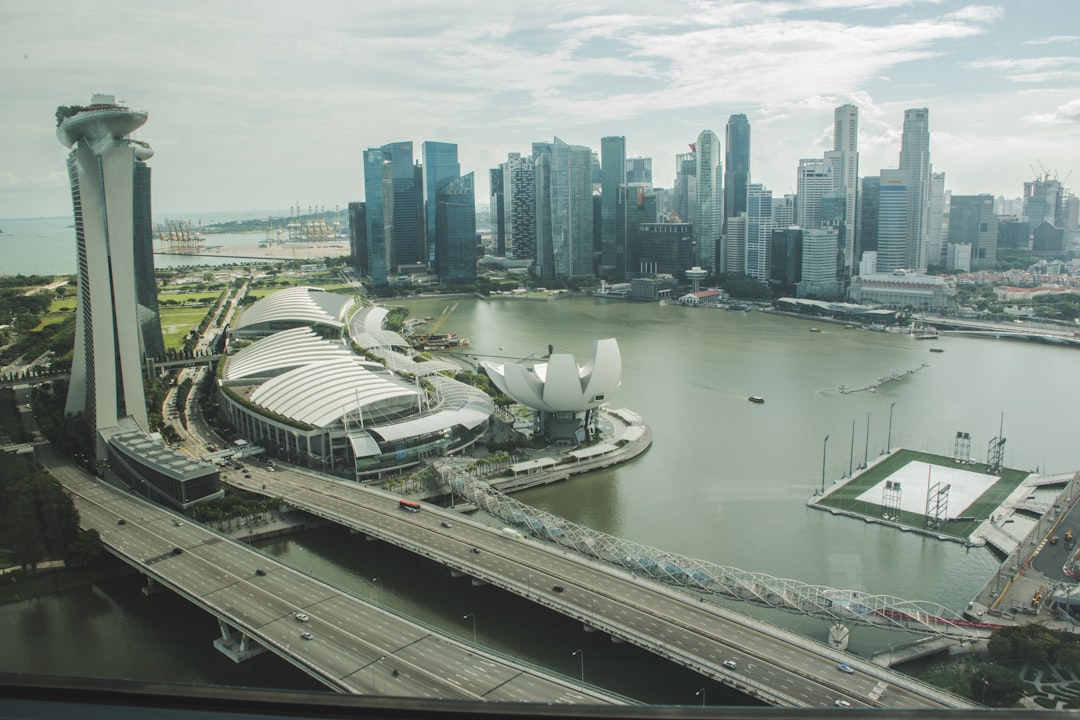
The astute observer of Singapore’s urban landscape will undoubtedly notice its remarkable expansion. From the iconic Marina Bay Sands to the burgeoning Jurong Lake District, land reclamation has been an indelible feature of the nation’s growth trajectory. This growth, however, hinges on a constant and substantial supply of sand – a resource often taken for granted until its scarcity or geopolitical complexities come to the fore. Singapore’s proactive, and at times controversial, approach to securing this vital material is not merely a matter of urban planning; it is a strategic imperative underpinning its long-term sustainable development goals.
Singapore is a city-state of finite land, a precious commodity that has historically dictated its developmental constraints and innovations. With a land area of just over 700 square kilometers, and a population exceeding 5.7 million, the pressure to expand is intense. This pressure is not merely about accommodating a growing population; it is also about creating space for economic diversification, infrastructure development, and enhancing residents’ quality of life.
A History of Expansion: From Swamps to Skyscrapers
Early Singapore, as depicted in historical maps, was significantly smaller than its contemporary form. Large swathes of its current landmass are the result of ambitious land reclamation projects dating back to the colonial era. The initial motivations were often pragmatic: port expansion, creating stable areas for housing, and mitigating disease by filling in marshlands. Post-independence, led by visionary leaders, reclamation became a cornerstone of national development strategy, transforming the island’s coastline and interior. Marina Bay, for example, once a stretch of sea, now hosts world-renowned landmarks and a bustling financial district, a testament to the transformative power of sand.
The Land as a Strategic Asset: Beyond Mere Space
For Singapore, land is more than just real estate; it is a strategic asset. It underpins economic competitiveness by providing space for high-tech industries, advanced manufacturing, and logistical hubs. It allows for the development of green spaces and recreational areas, crucial for a high-density urban environment. Furthermore, land reclamation directly contributes to national security by enabling the construction of critical infrastructure and military facilities. Without this ability to expand its territorial footprint, Singapore’s growth trajectory would be severely limited, forcing difficult compromises on economic, social, and environmental fronts. The constant, almost insatiable, demand for sand is thus directly proportional to the nation’s ambition to overcome its inherent geographical limitations.
Singapore’s increasing demand for sand has raised eyebrows globally, as the city-state embarks on extensive land reclamation projects to accommodate its growing population and urban development needs. This phenomenon is explored in detail in a related article that discusses the environmental and geopolitical implications of sand extraction. For more insights on this pressing issue, you can read the article here: Why Singapore is Buying So Much Sand.
The Global Sand Market: Navigating a Complex and Contentious Landscape
The global demand for sand, particularly construction-grade sand, is colossal. It is the second most exploited natural resource after water, forming the backbone of concrete, asphalt, and glass production. The very act of reading this article likely takes place within a structure composed largely of sand. However, the seemingly ubiquitous nature of sand belies a complex and often ethically fraught global market.
The Specificity of Construction-Grade Sand: Not All Sands Are Equal
It is crucial to understand that not all sand is suitable for construction. Desert sand, for instance, with its smooth, wind-eroded grains, does not bind well in concrete mixtures. The ideal construction sand – angular, coarse, and free of impurities – is typically found in riverbeds, lakes, and coastal areas. This specificity concentrates demand on certain geographical locations, creating hotspots of extraction and exploitation. Singapore’s reclamation projects, demanding vast quantities of this particular type of sand, have historically sourced from neighboring countries, a practice that has generated significant international discourse and, at times, considerable friction.
Geopolitical Dimensions of Sand: A Resource Under Scrutiny
The extraction of sand, especially at the scale required for land reclamation projects, carries significant environmental consequences. Dredging operations can disrupt marine ecosystems, increase water turbidity, and accelerate coastal erosion in the donor countries. These impacts have led to increasing scrutiny from environmental groups and the international community. Consequently, several nations, including Indonesia, Malaysia, and Vietnam, have, at various points, imposed restrictions or outright bans on sand exports to Singapore. These bans, often driven by environmental concerns and a desire to protect national sovereignty over resources, have forced Singapore to continually diversify its supply chains and invest in alternative solutions. The resulting geopolitical dance over sand highlights the interconnectedness of national development and resource diplomacy.
Singapore’s Multifaceted Strategy: Securing a Critical Resource

Faced with a finite domestic supply of sand (mostly from dredging its own shallow coastal waters for port expansion) and the volatile nature of international markets, Singapore has adopted a comprehensive, multi-pronged strategy to ensure a continuous supply of this essential resource. This strategy involves diplomatic initiatives, technological innovation, and a calculated approach to resource management.
Diversification of Supply: Spreading the Sand Net Wide
Singapore has proactively sought to diversify its sand suppliers, moving beyond its immediate neighbors to establish procurement channels with more distant countries. This ‘global sand net’ mitigates the risks associated with dependency on a single or limited number of sources. While precise details of these agreements are often commercially sensitive, public information suggests sourcing from countries like Cambodia, Myanmar, and Australia, albeit with varying degrees of success and public awareness. This diversification not only ensures a steady supply but also acts as a geopolitical hedging strategy, reducing vulnerability to unilateral export bans.
Diplomatic Engagement and Responsible Sourcing: A Balancing Act
Singapore understands that its sand sourcing must be conducted responsibly and in accordance with international environmental standards. The Ministry of Foreign Affairs and other agencies are actively involved in diplomatic engagement with potential supplier nations, seeking to establish transparent and mutually beneficial agreements. This involves assurances regarding environmental impact assessments, fair compensation for affected communities, and adherence to sustainable extraction practices. The nation is acutely aware that unsustainable practices can generate negative publicity, harm international relations, and ultimately jeopardize its long-term access to this vital resource. Therefore, the ‘sand buying spree’ is increasingly framed within a framework of responsible procurement.
Technological Innovation: The Path to Reduced Reliance
While direct sand procurement remains essential, Singapore is also heavily investing in technological innovations aimed at reducing its overall reliance on virgin sand. This forward-looking approach is critical for long-term sustainability.
Recycled and Alternative Materials: The Circular Economy of Construction
One significant avenue is the increased use of recycled and alternative materials. Construction and demolition (C&D) waste, for instance, can be processed and utilized as aggregate in concrete or as fill material. Singapore’s National Environment Agency (NEA) actively promotes the recycling of such waste. Beyond C&D waste, research is ongoing into innovative materials like “washed copper slag” or “recycled glass” as partial or full substitutes for sand in various applications. While these alternatives currently meet only a fraction of the total demand, their increasing adoption represents a tangible step towards a more circular economy in construction.
Advanced Reclamation Techniques: Less Sand, More Space
The methods of land reclamation themselves are evolving to become more efficient in their sand usage. Technologies such as geotextile tubes and advanced dredging techniques allow for more precise placement and compaction of sand, minimizing waste. Furthermore, the development of “polder” technology, inspired by Dutch engineering, allows for the creation of land by building dikes around an area and then draining the seawater, thus requiring significantly less sand for fill compared to traditional infill methods. The Tuas Port project, a massive undertaking, extensively utilizes polder technology, demonstrating a conscious shift towards more sand-efficient expansion.
Environmental and Ethical Considerations: The Unseen Costs of Progress
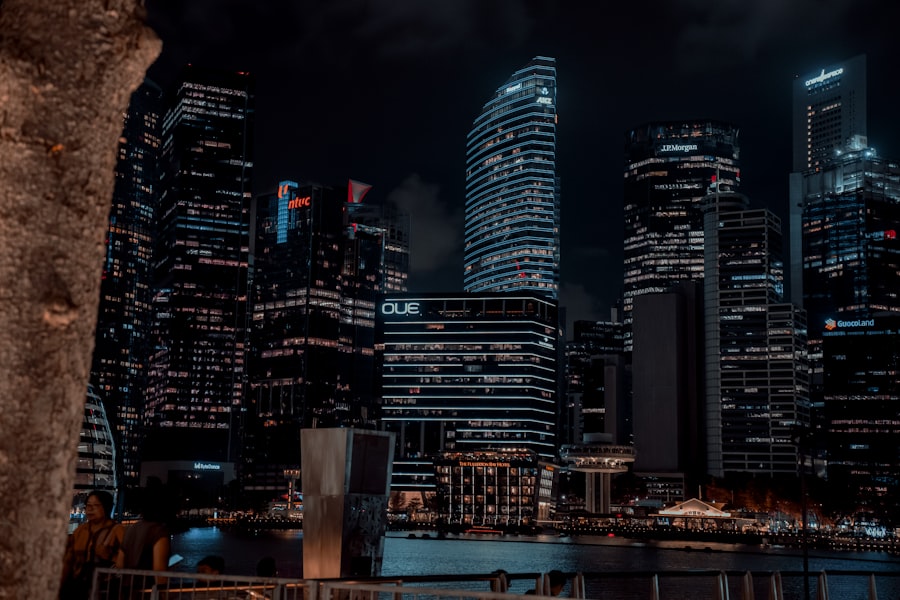
Beneath the narrative of progress and expansion lies a complex web of environmental and ethical considerations directly tied to Singapore’s sand procurement. Acknowledging these challenges is crucial for a complete understanding of the nation’s developmental strategy.
Ecosystem Degradation in Source Countries: A Silent Toll
The environmental impact of large-scale sand dredging in supplier countries can be devastating. Marine ecosystems, including coral reefs and seagrass beds, are particularly vulnerable. Dredging can destroy habitats, increase water turbidity, and alter corrente patterns, affecting fish populations and the livelihoods of fishing communities. In regions like the Mekong Delta, intensified sand mining has been linked to increased riverbed erosion and saltwater intrusion, threatening agricultural land and freshwater supplies. While Singapore has pledged to source responsibly, the inherent nature of bulk material extraction means some ecological disruption is often unavoidable on the supplier side.
Social and Economic Impacts on Local Communities: The Human Element
Beyond the environmental, there are significant social and economic repercussions for communities in sand-exporting regions. Displacement of communities, loss of fishing grounds, and damage to coastal infrastructure can occur. These impacts disproportionately affect vulnerable populations who often lack the political power to oppose large-scale industrial extraction. Accusations of “sand cartels” and illicit mining operations further complicate the ethical landscape, raising questions about transparency, accountability, and the equitable distribution of benefits from resource extraction. Addressing these concerns requires a commitment to robust due diligence and engagement with civil society organizations in supplier nations.
The Challenge of Transparency: Tracing the Grains of Sand
One of the persistent challenges in the global sand trade, including Singapore’s procurement, is the lack of transparency in supply chains. The opaque nature of some transactions makes it difficult to verify the origin of sand, assess the environmental and social impacts at the source, and ensure ethical labor practices. While Singapore strives for responsible sourcing, the complexity of global commodity markets means that complete oversight is often elusive. Increased transparency, perhaps through industry-wide certification schemes or blockchain technology, could help to shed light on these ‘dark sides’ of the sand trade, aligning procurement with broader sustainability goals.
Singapore’s increasing demand for sand has raised eyebrows globally, as the city-state seeks to expand its land area and support its ambitious construction projects. This surge in sand purchases is not just about urban development; it also highlights the broader implications of resource scarcity and environmental concerns. For a deeper understanding of the complexities surrounding this issue, you can read a related article that explores the geopolitical and ecological factors at play in Singapore’s sand acquisition efforts. Check it out here.
The Future of Singapore’s Development: Beyond the Sand Dune
| Metric | Value | Explanation |
|---|---|---|
| Annual Sand Import Volume | Approximately 50 million tonnes | Singapore imports large quantities of sand to support land reclamation and construction projects. |
| Land Reclamation Area Added | ~130 square kilometers since independence | Singapore has expanded its land area by reclaiming land from the sea, requiring vast amounts of sand. |
| Construction Industry Growth Rate | 4-6% annually | Rapid urban development increases demand for sand in concrete and infrastructure. |
| Sand Source Countries | Indonesia, Malaysia, Cambodia, Vietnam | Singapore imports sand primarily from neighboring countries due to lack of natural sand resources. |
| Environmental Impact Concerns | High | Sand mining in source countries has led to ecological damage and diplomatic tensions. |
| Alternative Materials Usage | Increasing | Singapore is exploring recycled sand and other materials to reduce reliance on natural sand. |
Singapore’s journey with sand procurement is a microcosm of the larger global challenge of balancing development with environmental and social responsibility. As the nation continues to grow and adapt, its approach to this critical resource will undoubtedly evolve further.
Sustained Investment in R&D: The Next Generation of Materials
The long-term solution to heavy sand reliance lies in sustained and significant investment in research and development (R&D) into novel construction materials and advanced reclamation techniques. This includes exploring entirely new types of aggregates, developing self-healing concrete, and innovating in areas like 3D-printed construction that can dramatically reduce material waste. Singapore’s robust R&D ecosystem, coupled with strong government support, positions it well to be a leader in this area. The shift from a “sand-hungry” to a “sand-smart” approach is not just a desirable outcome; it is a fundamental pillar of future sustainability.
Regional Cooperation and International Standards: A Collective Responsibility
The challenges associated with sand extraction are not confined to national borders. They are regional and global in scope, requiring collective action. Singapore, as a significant consumer of sand, has a role to play in advocating for and helping to shape international standards for sustainable sand extraction. This could involve working with international bodies, sharing best practices, and fostering regional cooperation to monitor and manage sand resources more effectively. A common framework for responsible sourcing, involving both consumer and producer nations, is essential to mitigate the negative impacts of this pervasive industry.
Redefining ‘Growth’: Beyond Land Area Expansion
Ultimately, Singapore’s long-term sustainability may hinge on a re-evaluation of its growth paradigm. While land reclamation will likely continue, there may be a shift towards optimizing the use of existing land, intensifying urban development vertically, and prioritizing quality of life over sheer physical expansion. Concepts like a “compact city” and “sponge city” (urban design that mimics natural processes to manage rainwater) exemplify this shift towards more thoughtful and resource-efficient urban planning. The story of Singapore’s sand buying is not just about a resource; it is a narrative reflecting the aspirations, ingenuity, and inherent challenges faced by a nation striving for sustainable development in a resource-constrained world. The grains of sand, once mere geological deposits, have become the tangible substance of a national dream, constantly reminding us of the intricate balance between human ambition and planetary limits.
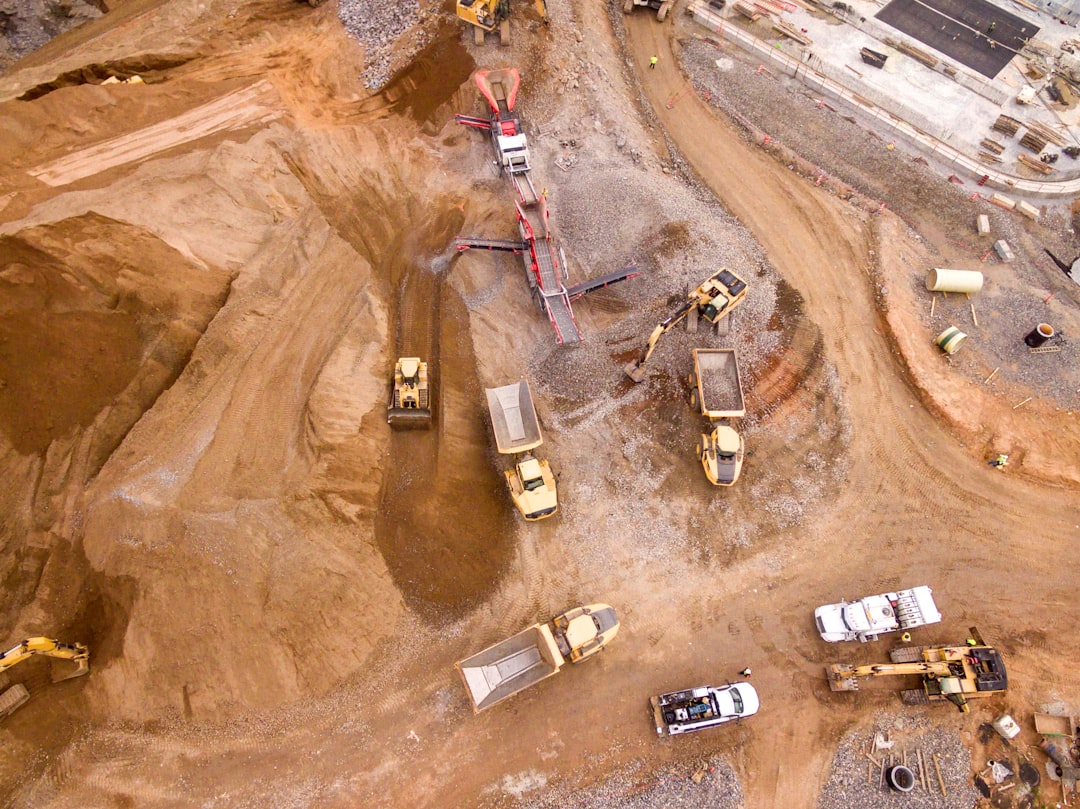
WATCH NOW ▶️ WARNING: Why the World is Running Out of Sand (And You Never Noticed)
FAQs
Why does Singapore need to buy large quantities of sand?
Singapore requires large amounts of sand primarily for land reclamation projects to expand its limited land area. The country has very little natural land available for development, so importing sand is essential to create new land for housing, industry, and infrastructure.
Where does Singapore source its sand from?
Singapore imports sand mainly from neighboring countries such as Indonesia, Malaysia, Cambodia, and Vietnam. These countries have abundant sand resources that Singapore uses for its reclamation and construction needs.
Is the sand used by Singapore only for construction purposes?
While a significant portion of the sand is used for construction, especially in building infrastructure and housing, much of it is also used in land reclamation projects to increase Singapore’s land area.
Are there environmental concerns related to Singapore’s sand imports?
Yes, the extraction of sand in source countries has raised environmental concerns, including coastal erosion, habitat destruction, and negative impacts on marine ecosystems. These issues have led to stricter regulations and bans on sand exports in some countries.
How is Singapore addressing the sustainability of its sand supply?
Singapore is exploring alternative materials such as recycled construction waste and manufactured sand to reduce reliance on natural sand. The government also promotes sustainable sourcing practices and invests in research to find innovative solutions for land reclamation and construction.