The world’s infrastructure, a complex tapestry of bridges, dams, power grids, and communication networks, appears to be showing cracks. From the aging highways in the United States to the faltering power supply in parts of Europe and the vulnerable water systems globally, the signs of decay are becoming increasingly apparent. While the immediate causes might seem like isolated incidents – a bridge failure, a power outage, or a burst water main – a deeper examination reveals a more pervasive and systemic issue at play. The hidden reason for global infrastructure collapse is not a single cataclysmic event, but rather a slow, insidious erosion fueled by a confluence of interlinked factors that have been quietly undermining these vital systems for decades.
The most obvious, yet often overlooked, culprit is the pervasive strategy of deferred maintenance. Infrastructure, much like a living organism, requires constant attention and timely repairs. When these needs are neglected, the wear and tear that is an inevitable part of their lifespan begins to accumulate, transforming minor issues into significant structural deficiencies. Ignoring a small leak in a dam might seem economical in the short term, but it can eventually lead to catastrophic failure.
The Budgetary Black Hole: Where Funding Goes Missing
A primary driver of deferred maintenance is the chronic underfunding of infrastructure projects. Governments worldwide face competing demands on their budgets, and infrastructure, often perceived as a long-term, less politically immediate concern, frequently finds itself at the bottom of the priority list. This isn’t a sudden abandonment, but rather a gradual starvation of resources.
A Cycle of Underinvestment: The Vicious Loop
This underinvestment creates a vicious cycle. As infrastructure deteriorates, the cost of repairs and upgrades escalates dramatically. What could have been addressed with a modest investment years ago now requires a monumental sum. This costliness, in turn, makes future funding even more challenging, perpetuating the neglect. It’s akin to a homeowner who delays fixing a leaky faucet; the small drip eventually corrodes the pipes and leads to significant water damage, costing far more to repair than the initial plumbing job.
Shifting Priorities: The Siren Song of New Projects
Political expediency often favors the ribbon-cutting ceremony of a new project over the less glamorous but essential task of maintaining existing structures. Politicians might be tempted to propose and inaugurate novel developments, as these are more visible and can garner immediate public approval. The silent, constant work of maintaining what already exists, however, often gets less fanfare and, consequently, less funding.
The Illusion of Durability: Out of Sight, Out of Mind
Many of our foundational infrastructure elements are built to last for decades, even centuries. This inherent durability can breed complacency. When bridges stand for generations and power grids hum reliably, it’s easy for engineers and policymakers alike to assume they will continue to do so indefinitely without substantial intervention. This assumption, however, fails to account for the cumulative impact of environmental stressors, increased usage, and the natural entropy of materials.
The Unseen Enemy: Environmental Degradation
The environment itself is a relentless force, a slow sculptor of stone and steel. Extreme weather events, amplified by climate change, are taking a significant toll. Increased rainfall, more intense storms, and rising sea levels exert greater pressure on bridges, dams, and coastal defenses. Fluctuations in temperature can cause materials to expand and contract, leading to fatigue. Atmospheric pollution can accelerate the corrosion of metal components. These environmental factors are not static; they are dynamic and, in many cases, intensifying.
The Ever-Increasing Load: Pushing the Limits
The demands placed on infrastructure have also grown exponentially. Populations have swelled, urbanization has intensified, and the volume of goods and people transported has increased dramatically. Infrastructure designed for the needs of the 20th century is now being pushed to its limits, and often beyond, by the 21st century’s insatiable appetite for movement and connectivity. Imagine a highway built in the 1950s, designed for a fraction of the current traffic volume. The toll is evident in the potholes and crumbling asphalt; these are the physical manifestations of an overwhelming burden.
The hidden reason for global infrastructure collapse has been a topic of increasing concern among experts and policymakers alike. A related article that delves deeper into this issue can be found at MyGeoQuest, where it explores the underlying factors contributing to the deterioration of essential systems worldwide. This insightful piece highlights the interplay between aging infrastructure, insufficient funding, and the impacts of climate change, providing a comprehensive overview of the challenges we face in maintaining and upgrading our global networks.
The Shifting Sands of Technological Obsolescence: Falling Behind the Curve
Beyond physical decay, a significant factor in the global infrastructure crisis is technological obsolescence. The pace of technological advancement is relentless, and infrastructure, by its very nature, is slow to adapt. Systems that were once state-of-the-art are now struggling to keep pace with new demands, efficiencies, and security requirements.
The Inertia of Legacy Systems: Clinging to the Past
Many critical infrastructure systems are built upon legacy technologies that are expensive, difficult to upgrade, and often lack the flexibility to integrate with newer, more efficient systems. Replacing these deeply embedded technologies is a monumental undertaking, akin to trying to rewire a skyscraper while people are still living and working in it. The sheer complexity and cost involved create immense inertia, making it easier to patch and maintain the old rather than embrace the new.
The Cost Barrier to Innovation: A Price Too High to Pay
The financial implications of adopting new technologies are substantial. This includes the cost of research and development, manufacturing, installation, and the training of personnel. For many governments and private entities managing infrastructure, these upfront costs can be prohibitive, especially when facing immediate maintenance backlogs. The perceived risk of investing in unproven or still-developing technologies adds another layer of hesitancy.
Security Vulnerabilities: The Backdoor to Disaster
In an increasingly interconnected world, outdated technological systems create significant security vulnerabilities. Older power grids, for example, may lack the sophisticated cybersecurity measures necessary to defend against sophisticated cyberattacks. Communications networks built on dated protocols can be more easily infiltrated. This is a critical blind spot; the digital infrastructure that underpins our physical infrastructure is as vital as the concrete and steel, and its obsolescence can be a critical chokepoint.
The Missed Opportunities: Failing to Embrace the Future
The failure to integrate new technologies isn’t just about maintaining functionality; it’s also about missing out on opportunities for increased efficiency, sustainability, and resilience. Smart grid technologies, for instance, can optimize energy distribution and reduce waste. Advanced materials can lead to more durable and longer-lasting structures. The missed opportunities are not just economic; they represent a failure to adapt to a changing world and build infrastructure that is truly future-proof.
The Elusive Quest for Sustainable Funding Models: A Perpetual Shortage

The fundamental issue underpinning much of this neglect and obsolescence is the perpetual shortage of sustainable and predictable funding for infrastructure. The “fix it when it breaks” approach, driven by short-term budget cycles and political whims, has proven to be a recipe for disaster.
The Public vs. Private Debate: A Tug-of-War for Resources
There is an ongoing debate about the optimal balance between public and private funding for infrastructure. While private investment can bring much-needed capital and efficiency, it is often driven by profitability, which can lead to a focus on revenue-generating projects at the expense of essential but less profitable public services. Conversely, public funding is susceptible to political budget cycles and competing demands.
The Inadequacy of Traditional Funding Mechanisms: Peppering the Elephant
Traditional funding mechanisms, such as user fees and general tax revenues, are often insufficient to meet the escalating needs of modern infrastructure. User fees, like tolls, may not capture the full cost of infrastructure maintenance and expansion, especially for services that are broadly beneficial but not directly tied to usage. General tax revenues are subject to the vagaries of economic cycles and political priorities.
The Challenge of Long-Term Planning: A Squint into the Fog
Infrastructure projects are inherently long-term endeavors, requiring decades of planning, construction, and maintenance. However, political and budgetary cycles are typically much shorter, often spanning only a few years. This misalignment makes it difficult to secure the consistent, long-term funding streams necessary for effective infrastructure development and maintenance. It’s akin to trying to build a marathon-running team by only looking at the next few sprints.
The Growth of Debt: A Faustian Bargain
When faced with funding shortfalls, governments often resort to borrowing, increasing public debt. While debt can provide immediate capital, it creates a future burden of interest payments and principal repayment, which can further strain future budgets and divert funds away from essential maintenance and upgrades. This can be a Faustian bargain, providing short-term relief at the expense of long-term fiscal health.
The Erosion of Engineering Expertise and Human Capital: A Brain Drain from the Backbone
Beyond financial and technological issues, the global infrastructure crisis is also exacerbated by an erosion of engineering expertise and a dwindling pool of skilled labor. The people who design, build, and maintain our critical infrastructure are the bedrock of its functionality, and their capacity is being tested.
The Aging Workforce: A Generational Gap in Knowledge
Across many developed nations, the engineering and construction workforce is aging. Many experienced professionals are retiring, taking with them decades of invaluable practical knowledge and institutional memory. This generational gap in expertise is a significant concern, particularly in specialized fields critical for infrastructure maintenance and development.
The Lack of Succession Planning: A Missing Ladder
In many sectors, there is a discernible lack of comprehensive succession planning. This means that the pipeline of new talent being trained and integrated into these fields is not robust enough to replace the departing experienced professionals. The challenge is not just about numbers, but about the intricate, often unwritten, knowledge that is passed down through mentorship and hands-on experience.
The Decline of Vocational Training: A Forgotten Craft
In some regions, there has been a decline in emphasis on vocational training and skilled trades, which are essential for the hands-on construction and maintenance of infrastructure. A greater societal emphasis on higher education has, in some cases, inadvertently led to a devaluing of these critical skill sets. This creates a shortage of qualified electricians, welders, pipefitters, and other tradespeople indispensable for infrastructure work.
The Competition for Talent: Lured by Other Industries
The skilled professionals available are often courted by other, potentially more lucrative or glamorous, industries. The inherent challenges and sometimes lower perceived prestige of infrastructure-related careers can make it difficult to attract and retain top talent, especially when compared to the tech sector or finance.
The “Brain Drain”: A Global Pipping of Talent
This competition for talent can also lead to a “brain drain,” where skilled engineers and technicians from developing nations are lured to work in more developed countries, further depleting the expertise available in their home regions. This can have a devastating impact on the ability of these nations to maintain and develop their own critical infrastructure.
The hidden reason for global infrastructure collapse is a complex issue that intertwines various factors, including economic instability and climate change. A related article explores these themes in depth, shedding light on the underlying causes that often go unnoticed. For those interested in understanding this critical topic further, you can read more about it in this insightful piece here. This exploration not only highlights the immediate consequences but also emphasizes the long-term implications for societies worldwide.
The Shadow of Political Polarization and Corruption: A Systemic Dysfunction
| Metric | Value | Unit | Description |
|---|---|---|---|
| Infrastructure Age | 45 | Years | Average age of critical infrastructure globally |
| Maintenance Deficit | 30 | Percent | Estimated percentage of infrastructure lacking adequate maintenance |
| Investment Gap | 15 | Percent | Annual shortfall in infrastructure investment compared to needs |
| Climate Impact Increase | 25 | Percent | Increase in infrastructure failures attributed to climate-related events over the past decade |
| Urbanization Rate | 2.5 | Percent per year | Global urban population growth rate stressing existing infrastructure |
| Technological Obsolescence | 40 | Percent | Proportion of infrastructure systems outdated and incompatible with modern technology |
| Corruption Index Impact | 18 | Percent | Estimated impact of corruption on infrastructure project delays and quality |
Finally, the hidden reason for global infrastructure collapse is deeply intertwined with systemic dysfunction, most notably political polarization and corruption. These forces, often operating in the shadows, systematically undermine good governance, efficient resource allocation, and the very integrity of infrastructure projects.
The Stymied Policy-Making: Gridlock and Inertia
Intense political polarization can lead to legislative gridlock, making it nearly impossible to pass the necessary legislation and secure funding for long-term infrastructure initiatives. When partisan politics supersede reasoned policy-making, infrastructure projects can become pawns in larger political battles, leading to delays, compromises that weaken structural integrity, or outright cancellations. The development of a national infrastructure plan becomes a herculean task when the political landscape is a battleground.
The Short-Termism of Election Cycles: A Focus on Immediate Gains
The pressures of election cycles often incentivize politicians to focus on short-term, visible projects that can yield immediate political returns, rather than on the complex, long-term planning and maintenance required for robust infrastructure. This short-termism creates a perpetual cycle of reactive problem-solving rather than proactive development.
The Corrosive Influence of Corruption: A Cancer on Public Funds
Corruption acts as a corrosive agent, siphoning away funds that should be allocated to infrastructure development and maintenance. When tenders are awarded based on bribes rather than merit, or when substandard materials are used to cut costs and pocket illicit gains, the integrity and longevity of infrastructure are fundamentally compromised. This is like building a house on a foundation of sand; it may stand for a while, but its ultimate collapse is inevitable.
The Undermining of Quality and Safety: A Costly Deception
Corruption directly impacts the quality and safety of infrastructure. It can lead to the use of inferior construction materials, shortcuts in engineering processes, and a lack of proper oversight, all of which contribute to premature failure and endanger public safety. The promise of a well-built bridge can be reduced to a hollow shell by corrupt practices.
The Loss of Public Trust: A Foundation of Erosion
The prevalence of corruption erodes public trust in government institutions and the very concept of public service. When citizens perceive that public funds are being plundered, their willingness to support and invest in public works diminishes, further exacerbating the funding challenges. This loss of trust is a critical component of systemic dysfunction.
In conclusion, the global infrastructure crisis is not a sudden event but a gradual deterioration caused by a complex interplay of deferred maintenance, technological obsolescence, unsustainable funding models, a depletion of expertise, and the systemic dysfunction of political polarization and corruption. Addressing this crisis requires a fundamental shift in perspective, moving away from short-term fixes and embracing a long-term, holistic approach that prioritizes robust planning, consistent investment, technological advancement, and strong, transparent governance. The future of our interconnected world depends on our ability to shore up the foundations that support it.
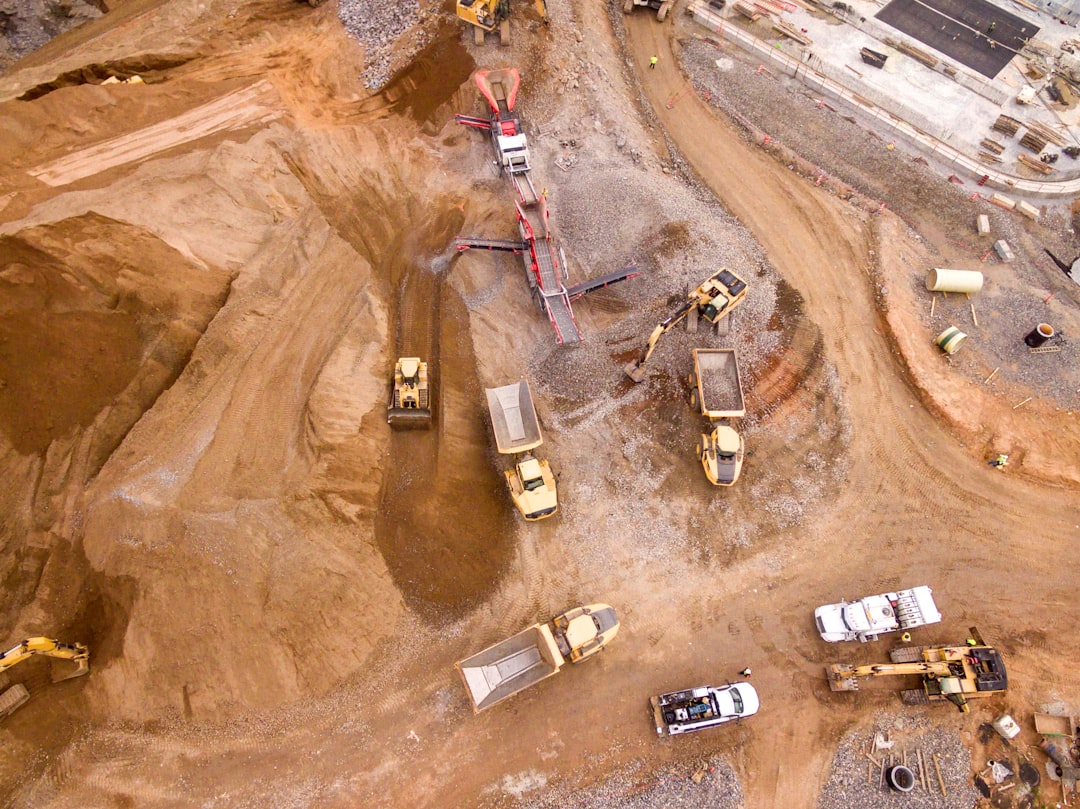
WATCH NOW ▶️ WARNING: Why the World is Running Out of Sand (And You Never Noticed)
FAQs
What is the primary cause of global infrastructure collapse?
The primary cause of global infrastructure collapse is often linked to aging systems combined with insufficient maintenance and investment, leading to structural failures and reduced functionality.
How does climate change contribute to infrastructure failure?
Climate change contributes to infrastructure failure by increasing the frequency and severity of extreme weather events such as floods, hurricanes, and heatwaves, which can damage roads, bridges, power grids, and water systems.
What role does urbanization play in infrastructure stress?
Rapid urbanization places additional stress on existing infrastructure by increasing demand for transportation, water, energy, and waste management systems, often outpacing the capacity and resilience of current facilities.
Are there economic factors involved in infrastructure collapse?
Yes, economic factors such as budget constraints, lack of funding for upgrades, and prioritization of short-term projects over long-term sustainability contribute significantly to infrastructure deterioration and collapse.
What measures can be taken to prevent global infrastructure collapse?
Preventative measures include increasing investment in maintenance and modernization, adopting resilient design standards, integrating climate adaptation strategies, and improving governance and planning to ensure sustainable infrastructure development.