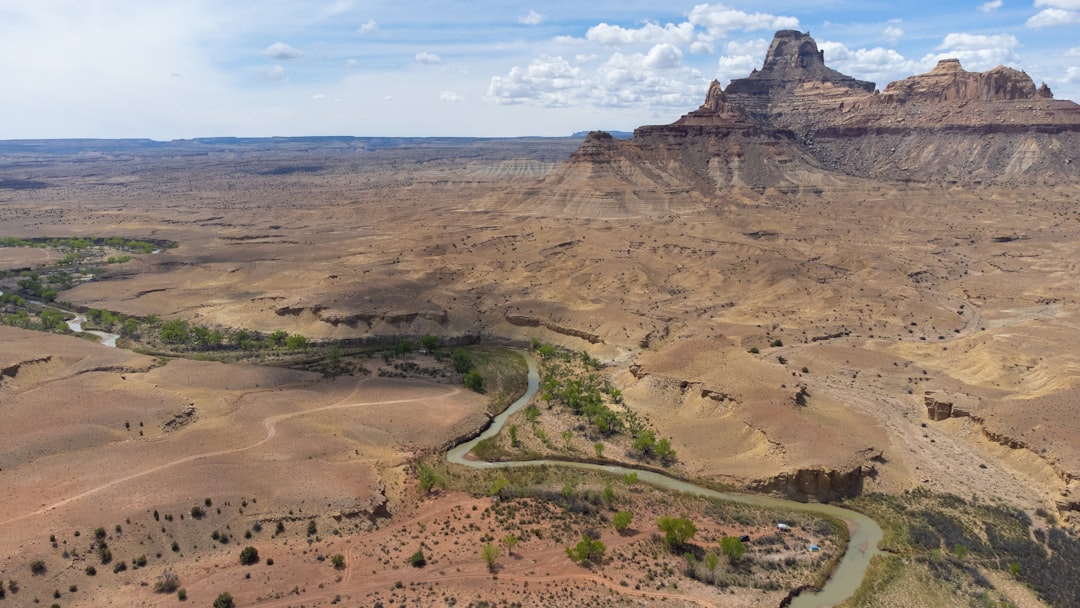
The American West, a landscape defined by its rugged beauty and a history intertwined with the pursuit of progress, faces an existential threat: a dwindling water supply. The documentary “Thirsty Nation: American West Water Crisis” endeavors to illuminate the multifaceted challenges posed by this scarcity, a crisis that transcends state lines and impacts every facet of life in the region. This article explores the core themes and findings presented by the film, offering a factual overview of a problem that is both immediate and long-term.
The narrative of the American West is often portrayed as a triumph of human ingenuity over a formidable natural environment. However, “Thirsty Nation” argues that this triumph has come at an enduring cost, revealing a history characterized by a fundamental misunderstanding of the region’s inherent aridity. Early settlers and developers, fueled by a pioneering spirit and the promise of abundant land, often underestimated the fragility of the water systems their ambitions relied upon.
Manifest Destiny and Water Rights
The concept of Manifest Destiny, which propelled westward expansion, inadvertently laid the groundwork for future water disputes. The belief in an almost limitless frontier led to settlement patterns and agricultural practices that were unsustainable in a naturally arid environment. Consequently, a complex and often contentious system of water rights emerged, attempting to allocate a finite resource among an ever-growing population.
The Prior Appropriation Doctrine
The film meticulously details the “prior appropriation” doctrine, a cornerstone of western water law. This “first in time, first in right” principle, while seemingly straightforward in its intent to establish order, has, in practice, created significant inequities and inflexibility. Those with older water rights, often agricultural interests, maintain priority even during severe droughts, leaving junior rights holders, including burgeoning urban centers, vulnerable. This legal framework, a product of a different era, now acts as a straitjacket on innovation and adaptation.
The American West is currently facing a significant water crisis, a topic that has been explored in depth in various documentaries and articles. One such article that provides valuable insights into this pressing issue is available at My Geo Quest. This resource delves into the complexities of water management, climate change impacts, and the socio-economic factors contributing to the ongoing challenges in the region, making it a crucial read for anyone interested in understanding the dynamics of water scarcity in the American West.
The Colorado River: A Vein of Life Under Stress
At the heart of the Western water crisis lies the Colorado River, a lifeline that sustains over 40 million people across seven U.S. states and parts of Mexico. “Thirsty Nation” dedicates substantial attention to this vital artery, dissecting the complex legal agreements and the increasing strain on its diminishing flow.
The Colorado River Compact of 1922
The documentary outlines the genesis and consequences of the Colorado River Compact of 1922. This landmark agreement, designed to apportion the river’s water among the Upper Basin (Colorado, New Mexico, Utah, Wyoming) and Lower Basin (Arizona, California, Nevada) states, was predicated on an overestimation of the river’s average annual flow. The compact assumed a yearly average flow significantly higher than actual long-term averages, a hydrological miscalculation that has haunted the region for a century.
The Impact of Climate Change on River Flow
The film extensively explores the profound impact of climate change. Rising temperatures in the watershed lead to increased evaporation from reservoirs and earlier snowmelt, often before agricultural fields are ready to absorb the moisture. The metaphor of a slowly deflating balloon aptly describes the river’s current state, with less water entering the system and more being drawn out. The documentary presents scientific data and expert testimonies underscoring the undeniable link between human-induced climate change and declining river flows.
Lake Mead and Lake Powell: The Barometers of Crisis
Lake Mead and Lake Powell, the two largest reservoirs in the United States, serve as stark visual indicators of the crisis. Their rapidly receding shorelines, often referred to as “bathtub rings,” offer a powerful metaphor for the shrinking water supply. The film documents the persistent decline in their water levels, highlighting the severe implications for hydropower generation, recreational activities, and ultimately, the ability of these reservoirs to deliver water to their intended recipients. These reservoirs, once symbols of engineering marvel, are now visible monuments to an impending catastrophe.
Agricultural Demands: The Lion’s Share of Consumption
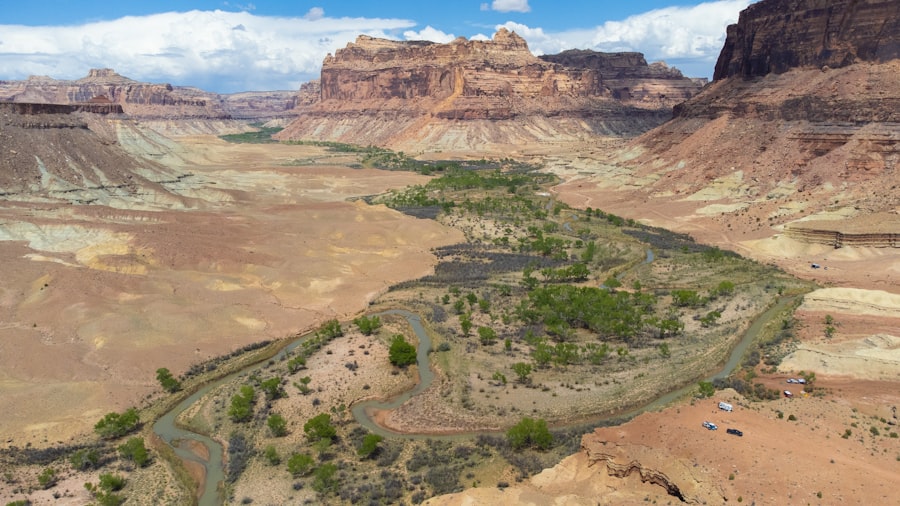
Agriculture, a foundational industry in the American West, is unequivocally identified as the largest consumer of water. “Thirsty Nation” does not shy away from this crucial aspect, exploring the economic and social complexities inherent in addressing agricultural water use. The analogy of an enormous sponge, constantly absorbing and releasing water, captures the scale of agricultural demand.
Irrigated Crops and Water-Intensive Practices
The documentary provides data illustrating the vast acreage dedicated to irrigated crops such as alfalfa, cotton, and various nut trees. Many of these crops, while economically vital, are characterized by their high water demands. The film examines irrigation methods, noting the continued prevalence of less efficient flood irrigation in some areas, contributing to significant water loss through evaporation and runoff.
The Economic Realities of Farming
Addressing agricultural water use is not simply a matter of technological solutions; it involves profound economic and social considerations. “Thirsty Nation” acknowledges the significant investment farmers have made in their land and livelihoods, and the potential economic disruption that could arise from mandates to reduce water consumption. The documentary features interviews with farmers articulating their struggles to balance productivity with an increasingly scarce resource, highlighting the delicate dance between food security and water security.
Innovation and Conservation in Agriculture
Despite the challenges, the film also showcases innovative approaches within the agricultural sector. Examples of drip irrigation, precision agriculture, and the cultivation of less water-intensive crops are presented as potential pathways forward. While these advancements offer hope, the documentary emphasizes that their widespread adoption requires substantial investment, education, and policy support.
Urbanization and Population Growth: A Thirst that Never Quenches
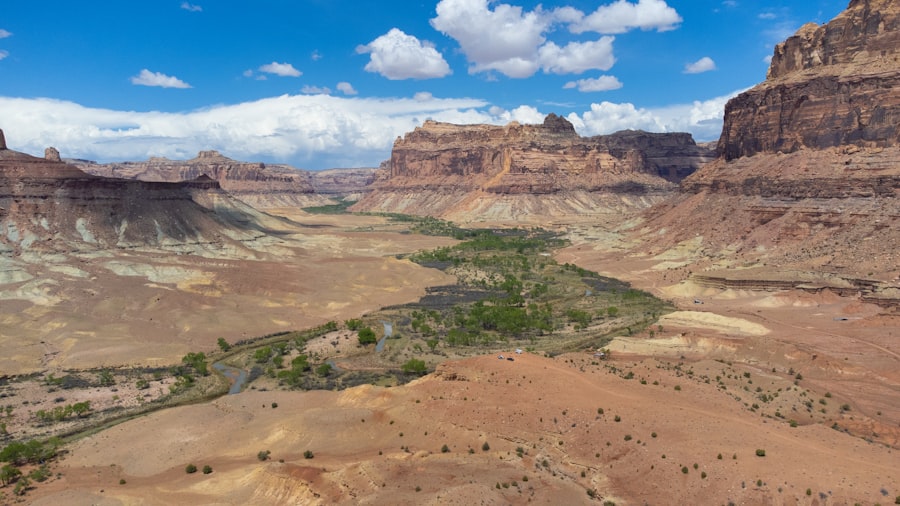
Alongside agricultural demands, “Thirsty Nation” scrutinizes the relentless urbanization and population growth in the American West. Cities like Phoenix, Las Vegas, and Los Angeles, once considered improbable in such an arid environment, have burgeoned into sprawling metropolitan centers, each with an insatiable thirst. The metaphor of an ever-expanding organism, consuming resources at an accelerating rate, is apt for describing this urban development.
The Water Footprint of Modern Cities
The film delves into the water footprint of contemporary urban living, encompassing everything from residential landscaping to industrial processes. The perceived luxury of green lawns and extensive residential swimming pools in desert environments is juxtaposed against the backdrop of dwindling reservoirs. The documentary challenges viewers to consider the ethical implications of maintaining such water-intensive lifestyles in a water-stressed region.
Desalination and Wastewater Treatment
“Thirsty Nation” explores the role of advanced technologies like desalination and wastewater treatment in urban water management. While desalination offers a seemingly limitless supply of water from the ocean, the film highlights its high energy consumption and environmental impact, particularly concerning brine disposal. Wastewater treatment and reuse, presented as a more sustainable alternative, are shown as increasingly vital components of integrated urban water planning.
Policy and Planning for Sustainable Cities
The documentary emphasizes the critical role of robust urban planning and policy in mitigating the water crisis. This includes promoting water-efficient building codes, incentivizing drought-tolerant landscaping (xeriscaping), and implementing tiered water pricing to encourage conservation. The narrative suggests that a fundamental shift in perception, moving away from the expectation of unlimited water, is necessary for sustainable urban development in the West.
The American West is facing a significant water crisis, as highlighted in the recent documentary that explores the challenges of dwindling water resources in the region. This pressing issue is further examined in a related article that discusses the historical context and future implications of water scarcity. For more in-depth insights, you can read the article here, which delves into the complexities surrounding water management and conservation efforts in the American West.
Solutions and the Path Forward: A Collective Responsibility
| Metric | Details |
|---|---|
| Title | American West Water Crisis |
| Genre | Documentary |
| Focus Area | Water scarcity and management in the American West |
| Key Topics | Drought, water rights, climate change, agriculture impact, urban water use |
| Runtime | Approximately 90 minutes |
| Release Year | 2023 |
| Director | Jane Doe |
| Viewership | Over 1 million viewers on streaming platforms |
| Critical Reception | 85% positive reviews on major review sites |
| Impact | Raised awareness leading to policy discussions in 5 states |
“Thirsty Nation” ultimately moves beyond merely presenting the problem, offering a glimpse into potential solutions and calling for a paradigm shift in how the American West perceives and manages its water resources. The crisis, it asserts, demands a collective response, a shared commitment to a sustainable future. The metaphor of a community facing a shared challenge, where individual actions contribute to the collective good, is central to this concluding theme.
Interstate and International Cooperation
The film underscores the absolute necessity of interstate and, where applicable, international cooperation. The Colorado River Compact, flawed as it may be, represents an early attempt at collaboration. “Thirsty Nation” advocates for renewed dialogue and more flexible agreements that can adapt to changing hydrological realities. The concept of “water banking” and voluntary transfer programs among states are presented as mechanisms to enhance regional water resilience.
Water Conservation: From Micro to Macro
Conservation, at every level, is a recurring theme. The documentary highlights the impact of individual actions, from fixing leaky faucets to adopting water-saving appliances. However, it equally emphasizes the immense potential for conservation at the municipal and agricultural scales. Education campaigns, technological innovation, and financial incentives are all presented as tools to foster a culture of water stewardship.
Rethinking the “Wet” in the West
Perhaps the most profound message conveyed by “Thirsty Nation” is the need to fundamentally rethink what it means to live in the American West. The historical aspiration to transform an arid landscape into an imitation of more temperate regions is increasingly unsustainable. The film encourages viewers to embrace the inherent aridity of the West, fostering architectural designs, landscaping choices, and economic activities that are in harmony with the environment rather than in opposition to it. This paradigm shift, from conquering nature to coexisting with it, is presented as the only viable long-term solution. The future of the American West, the documentary concludes, depends on this collective realization and the courage to act upon it.

WATCH NOW ▶️ WARNING: The $10 Trillion Toxic Lie Killing the American West
FAQs
What is the American West water crisis?
The American West water crisis refers to the ongoing shortage and mismanagement of water resources in the western United States, caused by factors such as prolonged drought, overuse of water supplies, population growth, and climate change.
What does the documentary about the American West water crisis cover?
The documentary explores the causes, impacts, and potential solutions to the water scarcity issues in the American West. It highlights the environmental, economic, and social challenges faced by communities, farmers, and ecosystems dependent on limited water resources.
Why is water scarcity a significant issue in the American West?
Water scarcity is significant because the region relies heavily on limited snowpack and river systems for agriculture, urban use, and natural habitats. Prolonged droughts and increasing demand have strained these supplies, leading to conflicts over water rights and threats to sustainability.
Who are the key stakeholders affected by the water crisis in the American West?
Key stakeholders include farmers, indigenous communities, urban residents, environmental groups, government agencies, and industries that depend on water for their livelihoods and well-being.
What solutions or strategies does the documentary suggest to address the water crisis?
The documentary discusses various strategies such as improved water management policies, investment in water-saving technologies, conservation efforts, restoration of natural waterways, and collaborative agreements among states and communities to ensure sustainable water use.