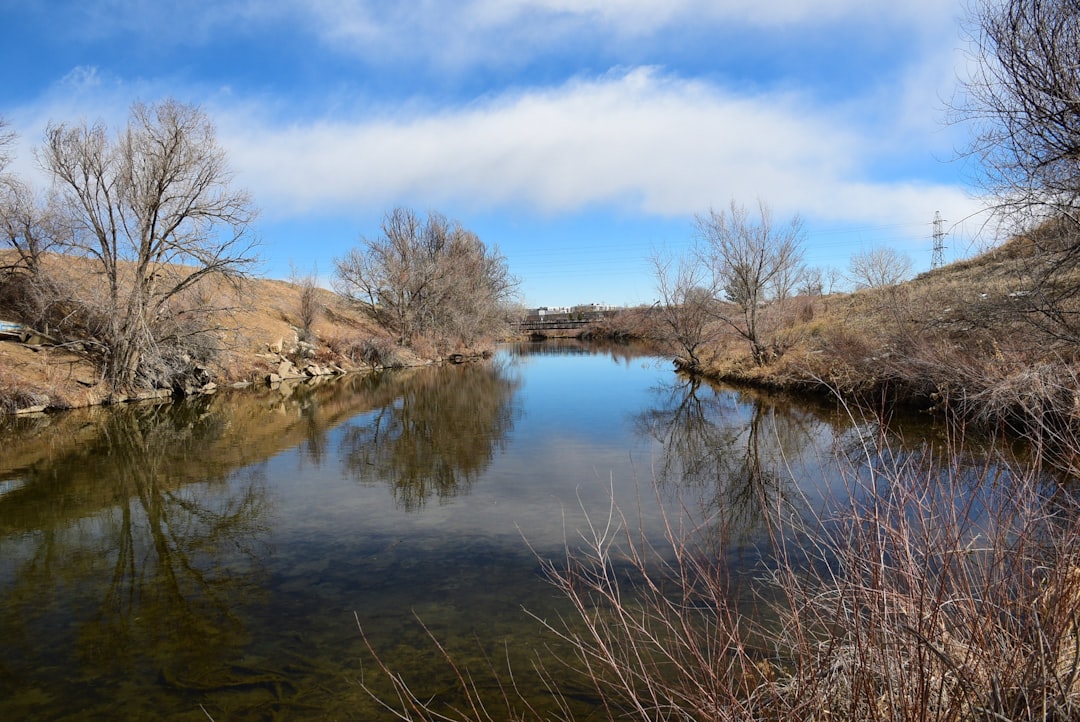
The Colorado River, often hailed as the lifeblood of the American Southwest, is a mighty artery that sustains agriculture, burgeoning cities, and diverse ecosystems across seven states and Mexico. However, this vital water source is facing a crisis of unprecedented proportions, a crisis that can be fundamentally understood through the lens of the Colorado River Compact’s failure. This agreement, a cornerstone of water management in the region for a century, was designed to equitably distribute the river’s bounty. Yet, as the arid West confronts a prolonged drought and increasing demand, the compact’s framework is proving to be as brittle as sun-baked earth, incapable of weathering the storm of ecological and societal change.
To truly grasp the compact’s shortcomings, one must first understand its genesis. Negotiated in the 1920s, a period of unusually wet years, the agreement operated under a fundamentally flawed assumption: that the Colorado River’s flow was a perpetual, predictable deluge. This optimistic outlook, perhaps a byproduct of the prevailing “manifest destiny” mentality, laid the groundwork for future conflict.
The “Law of the River” Takes Shape
The Colorado River Compact, signed in 1922, was a pivotal moment in western water law. It was not a legal mandate from a higher authority but rather an interstate agreement, a handshake between states wrestling for control of a precious resource. This voluntary pact, often referred to as the first of the “Law of the River” agreements, divided the basin into Upper and Lower Basin states. The Upper Basin (Colorado, Wyoming, Utah, New Mexico) agreed to deliver a specified amount of water to the Lower Basin, while the Lower Basin states (Arizona, California, Nevada) gained rights to consume a significant portion of the river’s flow.
The Role of the U.S. Bureau of Reclamation
The U.S. Bureau of Reclamation played a significant role in shaping the understanding and allocation of the river’s water. Their engineering prowess was instrumental in damming the river and creating reservoirs like Lake Mead and Lake Powell, which were seen as guarantees of water supply. The perception was that these massive infrastructure projects had effectively tamed the river, making its flow a controllable and inexhaustible commodity. This technologically driven optimism overshadowed any deep consideration of long-term climatic variability.
The Ambiguity of “Surplus” and “Beneficial Use”
A critical weakness embedded within the compact’s text was the vague definition of “surplus” water. The agreement did not clearly delineate how to handle periods of lower flow, nor did it adequately account for the river’s natural variability. Furthermore, the compact relied on the principle of “beneficial use,” a concept that, while common in water law, can be interpreted in myriad ways. This ambiguity has proven to be a significant chasm, allowing states to interpret their rights and obligations in ways that serve their immediate interests.
The Challenge of “Apportionment” in a Finite System
The compact’s apportionment was based on an assumed average annual flow of 17.5 million acre-feet. This figure, derived from historical data that was skewed by unusually wet periods, was an overestimation that has haunted the system for decades. The river’s actual average flow is closer to 15 million acre-feet, a deficit that has been amplified by increased demand and a changing climate. The apportionment, therefore, was never truly a division of scarcity, but rather a distribution of an illusionary abundance.
The complexities surrounding the Colorado River Compact and its potential failure are thoroughly examined in a related article that provides insights into the historical context and current challenges facing water management in the region. For a deeper understanding of these issues, you can read more in this informative piece available at this link.
The Silent Erosion: Drought, Demand, and Declining Flows
The optimism of the 1920s has long since evaporated, replaced by the stark reality of the 21st-century West. A megadrought, the most severe in 1,200 years, has gripped the region, exposing the fragility of the compact’s assumptions and the precariousness of the river’s health. The delicate balance struck by the compact has been irrevocably tipped by the twin forces of increasing demand and diminishing supply.
The “Wet Cycle” Mirage of the Early 20th Century
The historical record used to inform the compact’s apportionment was largely drawn from the early 20th century, a period that, in retrospect, was a temporal anomaly of unusually high precipitation. This “wet cycle” provided a deceptively generous outlook on the river’s capacity. The negotiators, lacking the sophisticated climate modeling and long-term historical data available today, understandably projected this temporary abundance into perpetuity. It was akin to building a financial budget based on a winning lottery ticket, without considering the possibility of future financial hardship.
The Illusion of Unfettered Growth
This elevated flow fostered an environment where rapid population growth and agricultural expansion were not only feasible but actively encouraged. States, particularly California, developed vast agricultural operations and supported sprawling urban centers, all underpinned by the assumption of a reliable and abundant water supply from the Colorado River. The compact, by facilitating this growth, inadvertently sowed the seeds of its own future inadequacy.
The Onset of the Twenty-First Century Megadrought
The current drought, however, is no ordinary dry spell. Scientific consensus points to it as a megadrought, a multi-decadal event far exceeding the scope of the data available at the time of the compact’s negotiation. This prolonged period of reduced precipitation and snowpack melt has led to a dramatic and sustained decline in the Colorado River’s flow. Reservoirs like Lake Mead and Lake Powell are now at historically low levels, visible scars on the landscape that serve as potent symbols of the deepening crisis.
Meteorological Shifts and Reduced Snowpack
The changing climate is fundamentally altering the hydrology of the West. Warmer temperatures mean that more precipitation falls as rain rather than snow, and the snowpack that does accumulate melts earlier in the spring. This disrupts the natural release of water that has historically replenished the river system. Scientists are now attributing a significant portion of the reduced river flow to these anthropogenic climate changes, a factor entirely absent from the original compact’s considerations.
Escalating Demand: A Thirsty Population and Agriculture
Simultaneously, the demand for Colorado River water has continued to climb. The booming populations of Phoenix, Las Vegas, and Denver, alongside the intensive agricultural operations in states like California and Arizona, exert immense pressure on the diminished supply. The water that once seemed plentiful is now a hotly contested commodity, a finite resource being stretched thin to meet the needs of a growing region. This is a classic case of supply and demand in stark, and increasingly desperate, opposition.
Agriculture: The Largest Water Consumer
Agriculture, by far the largest consumer of Colorado River water, employs irrigation techniques that have remained largely unchanged for decades. While essential for food production, these methods are often inefficient in arid environments. As water becomes scarcer, the question of who bears the burden of its conservation – urban centers or agricultural users – becomes a deeply divisive issue.
The Unforeseen Consequences: Miscalculations and Inequities
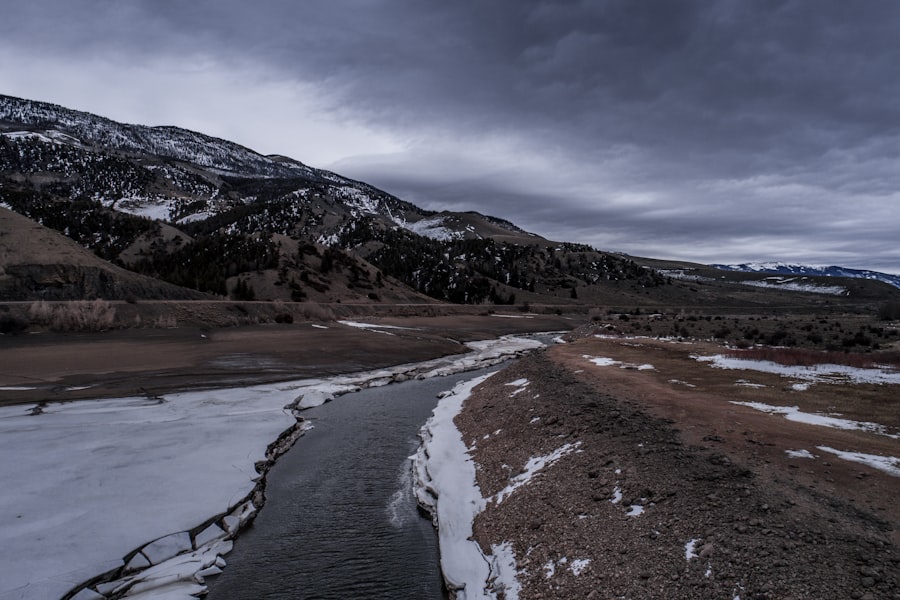
The compact’s original framers could not have anticipated the full spectrum of challenges that would emerge a century later. The inherent limitations of their understanding and the unpredictable nature of climate have led to a system riddled with unaddressed inequities and looming water rights disputes.
The “Made-Up” Water: Over-Allocation and the Illusion of Plenty
One of the most significant failures of the compact lies in its premise of over-allocation. Because the compact was based on an inflated estimate of the river’s flow, the states were essentially allocated more water than the river could reliably deliver, even in a normal year. This “made-up” water, as some have described it, created a false sense of security and incentivized continued development based on unsupportable assumptions.
California’s Senior Water Rights: A Historical Advantage
California, as an arrival to the water allocation table, secured significant water rights early on due to its large population and agricultural needs. These senior water rights, established before the compact was fully ratified and implemented, give California a preferential claim to a substantial portion of the river’s flow. This has often put downstream states in a position of vulnerability, as they have less water to draw upon and are often the first to face cutbacks.
The Law of the River’s Complex and Contested Hierarchy
The “Law of the River” is not a single document but a complex, layered framework of compacts, court decrees, federal laws, and administrative actions. This intricate web of regulations has created a hierarchy of water rights that is often difficult to navigate and has led to significant disputes. The compact is just one piece of this puzzle, and its limitations have magnified the inherent challenges within the broader legal structure.
The Doctrine of Prior Appropriation: “First in Time, First in Right”
In many western states, including those along the Colorado River, water allocation is governed by the doctrine of prior appropriation. This principle dictates that the first person to divert water and put it to beneficial use has the senior right to that water. This system, while intended to provide certainty, can lead to situations where senior rights holders can continue to draw significantly from the river even when junior rights holders are experiencing severe shortages.
The Unforeseen Impact of Evaporation and Groundwater Depletion
The compact, focused primarily on surface water flows, did not adequately account for losses through evaporation from reservoirs or the unsustainable depletion of groundwater aquifers that are intimately connected to the river system. As the river’s surface flow diminishes, the reliance on groundwater increases, creating a feedback loop that further stresses the entire water basin. These “hidden” losses further erode the already tenuous water supply.
Hydroelectric Power Generation: A Water Use Paradox
The dams that store Colorado River water, while essential for irrigation and urban supply, are also crucial for hydroelectric power generation. However, the generation of this power is intrinsically linked to water flow. As water levels in reservoirs fall, so too does the capacity for hydroelectric power production, creating a cascading effect that impacts energy supply and introduces an economic dimension to the water crisis.
The Inflexibility of the Compact: A Rigid Framework in a Dynamic World
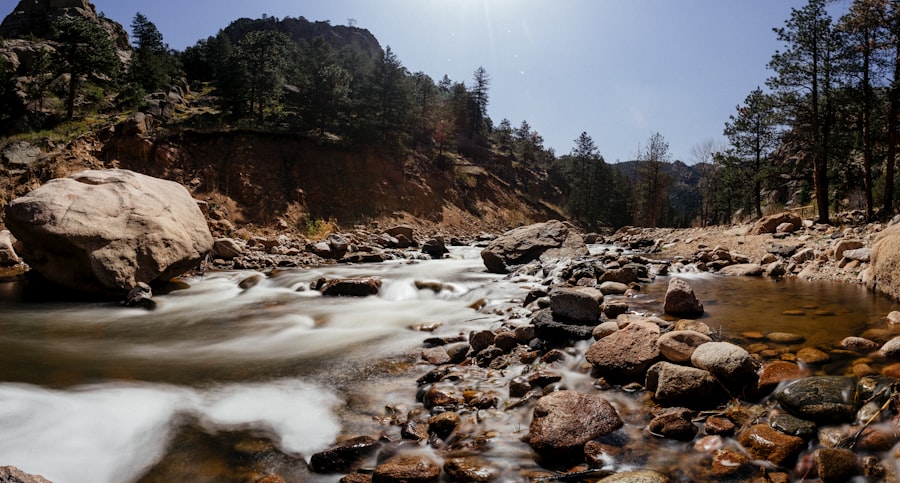
The most profound failure of the Colorado River Compact lies in its inherent inflexibility. Negotiated a century ago for a vastly different set of circumstances, its rigid structure is ill-suited to address the dynamic and rapidly changing realities of the modern West. Attempts to adapt have been met with entrenched interests and a reluctance to fundamentally alter the established order.
The Decadal Agreement and its Limitations
The principle of the compact involves a decadal accounting of water use and delivery. While this system offers a degree of flexibility over time, it has proven insufficient in the face of the current prolonged drought. The compact was designed to manage cyclical fluctuations, not a systemic, long-term decline in the river’s flow. The delays inherent in the system mean that by the time a deficit is formally recognized and addressed, the situation can be dire.
The Role of “Re-Operation” and Emergency Measures
In recent years, managers of the Colorado River have resorted to a series of increasingly drastic “re-operation” plans and emergency measures to prevent the collapse of the reservoir system. These are not solutions that the original compact contemplated but rather reactive steps taken to mitigate a crisis. They highlight the inadequacy of the existing framework.
The Unresolved Issue of Mexico’s Water Rights
The Colorado River Compact primarily addresses the allocation of water among the U.S. states. However, the river flows into Mexico, and the United States has a treaty obligation to deliver a certain amount of water to that nation. The compact’s framework did not fully integrate the needs or rights of Mexico, leading to further complications and potential international disputes when water becomes scarce.
The 1944 Water Treaty: A Separate but Intertwined Obligation
The 1944 Treaty Relating to the Utilization of Waters of the Colorado and Tijuana Rivers and of the Rio Grande addressed U.S. water deliveries to Mexico. However, the compact’s allocations and the treaty’s obligations are not always fully harmonized. When water is scarce, the fulfillment of both domestic and international commitments becomes a significant challenge, often requiring difficult trade-offs.
The “Hoover Dam Paradox”: Control Without Sustainability
The construction of Hoover Dam and the creation of Lake Mead represented a triumph of engineering and a powerful symbol of human control over nature. However, these massive infrastructure projects, built with the compact’s allocations in mind, have inadvertently created a system that appears stable on the surface but is fundamentally unsustainable. The illusion of control has masked a growing ecological vulnerability.
The Challenge of Reconciling Past Agreements with Future Needs
The fundamental flaw of the compact is its inability to reconcile the water rights established under a past paradigm of perceived abundance with the stark realities of a future defined by scarcity. The legal and political inertia created by a century of established practices makes meaningful reform incredibly difficult. It is like trying to alter the course of a grand river with a teaspoon.
The ongoing challenges surrounding the Colorado River Compact have raised significant concerns about water management in the American West. For a deeper understanding of the implications of this compact’s failure, you can explore a related article that delves into the historical context and current issues affecting the river’s water supply. This insightful piece can be found at My Geo Quest, where it discusses the potential consequences for agriculture, urban areas, and ecosystems reliant on this vital resource.
The Consequences of Failure: A Cascade of Crises
| Metric | Description | Value/Impact |
|---|---|---|
| Year of Compact Agreement | The year the Colorado River Compact was signed | 1922 |
| States Involved | Number of U.S. states sharing Colorado River water | 7 (Arizona, California, Colorado, Nevada, New Mexico, Utah, Wyoming) |
| Allocated Water Volume | Annual water allocation under the compact | 15 million acre-feet |
| Average River Flow (1920s estimate) | Estimated average annual flow used for allocation | Approximately 17.5 million acre-feet |
| Actual Average River Flow (Recent) | Measured average annual flow in recent decades | About 12-14 million acre-feet |
| Over-allocation Percentage | Extent to which water was over-allocated compared to actual flow | Approximately 20-30% |
| Impact of Drought | Reduction in river flow due to prolonged drought | Up to 20% decrease over last 20 years |
| Consequences of Compact Failure | Effects of water shortages and legal disputes | Water shortages, interstate conflicts, reduced agricultural output |
| Efforts to Address Failure | Measures taken to manage water scarcity | Water conservation, renegotiation talks, infrastructure improvements |
The failure of the Colorado River Compact is not merely an abstract legal or political problem. It is a tangible crisis with profound implications for the environment, the economy, and the quality of life for tens of millions of people. The consequences are far-reaching and interconnected, creating a cascade of challenges that threaten the sustainability of the entire region.
Environmental Degradation: Ecosystems on the Brink
The reduced flows of the Colorado River are having a devastating impact on the natural environment. Wetlands that once thrived are drying up, and the habitat for countless species of fish and wildlife is shrinking. The health of the river ecosystem, from its headwaters to its delta, is in jeopardy. This ecological distress is a direct consequence of over-allocations and reduced flows.
Delta Ecosystems: A Lost Frontier
Historically, the Colorado River flowed into the Gulf of California, creating a vast and ecologically rich delta system. However, due to the extensive dams and diversions upstream, the river rarely reaches the sea today. The delta has become a parched wasteland, a stark reminder of what has been lost.
Economic Instability: Agriculture and Industry Under Threat
The agricultural sector, which relies heavily on Colorado River water, faces significant economic disruption. Reduced water availability necessitates cutbacks in irrigated acreage and the production of certain crops. This can lead to job losses, increased food prices, and broader economic instability across the region. Industries that depend on water, from manufacturing to tourism, also face uncertainty.
The Specter of Water Rationing and Mandatory Cuts
As the crisis deepens, the prospect of widespread water rationing and mandatory cuts to urban and agricultural users becomes increasingly likely. This would have a profound impact on daily life, affecting everything from lawn watering to industrial processes, and could trigger significant social and economic dislocations.
Social Tensions and Inter-State Conflict
The scarcity of water inevitably breeds conflict. As states are forced to confront the reality of less water, tensions rise over existing water rights and the equitable distribution of the remaining supply. The compact’s ambiguity and the rigid hierarchy of water rights exacerbate these tensions, creating a fertile ground for protracted legal battles and inter-state antagonism.
The “Water Wars” of the Future: A Real Possibility
The specter of “water wars” – not necessarily armed conflict but intense legal and political battles – looms large. As resources dwindle, the willingness of states to compromise diminishes, and the compact’s failure to provide a clear and equitable path forward could lead to a deeply fractured and acrimonious future for the Colorado River Basin.
Pathways Forward: Reimagining Water Management
The recognition of the Colorado River Compact’s failure is not an end but a crucial beginning. Addressing this crisis requires a fundamental reimagining of water management in the American West, moving beyond the assumptions of the past and embracing innovation, collaboration, and a commitment to long-term sustainability. The old playbook is no longer sufficient; new strategies are urgently needed.
Rethinking Allocation: The Need for Flexibility and Equity
The rigid allocation system established by the compact is no longer tenable. Future solutions must incorporate greater flexibility and equity, acknowledging the dynamic nature of water availability and the interconnectedness of the basin. This may involve renegotiating existing agreements, establishing new formulas for water distribution, and prioritizing conservation and efficiency.
Developing a New Compact for a New Era
Many experts argue that a new compact, or at least a significant amendment to the existing one, is necessary. This new agreement would need to be based on more accurate hydrological data, incorporate climate change projections, and establish clear guidelines for drought management and water conservation. It would be a radical departure from the original, reflecting a hard-won understanding of the West’s arid realities.
Embracing Conservation and Efficiency: Doing More with Less
The most immediate and impactful strategy for addressing water scarcity is to significantly improve conservation and efficiency across all water-use sectors. This means investing in water-saving technologies for agriculture, promoting water-wise landscaping and practices in urban areas, and reducing water loss through improved infrastructure. Every drop saved is a drop available for future use.
Technological Innovations: The Promise of Irrigation and Reuse
Advancements in irrigation technology, such as drip irrigation and precision water application, can dramatically reduce agricultural water consumption. Furthermore, the expansion of water recycling and reuse programs, particularly in urban areas, offers a significant opportunity to augment supply without drawing further on the river. This approach turns waste into a resource.
The Role of Data and Science: Informed Decision-Making
Accurate, real-time data on water availability, usage, and climate trends is essential for effective water management. Investing in scientific research, hydrological modeling, and monitoring systems will provide the foundation for informed decision-making and proactive adaptation to changing conditions. Science must be the compass guiding future water policy.
Climate Change Adaptation: Preparing for a Water-Scarce Future
The science is clear: the West is becoming warmer and drier. Water management strategies must explicitly account for projected changes in precipitation, snowpack, and evaporation rates. This means developing adaptive management plans that can respond to evolving climatic conditions and ensuring that infrastructure and policies are resilient to future challenges.
Collaboration and Negotiation: The Only Path Forward
Ultimately, the failure of the Colorado River Compact underscores the vital importance of collaboration and good-faith negotiation among the basin states and other stakeholders. The challenges ahead are too great to be overcome through unilateral action or adversarial approaches. Dialogue, compromise, and a shared commitment to the long-term health of the Colorado River are essential for finding a sustainable path forward. The future of the West depends on it.

WATCH NOW ▶️ WARNING: The $10 Trillion Toxic Lie Killing the American West
FAQs
What is the Colorado River Compact?
The Colorado River Compact is a 1922 agreement among seven U.S. states in the Colorado River Basin that allocates water rights and governs the distribution of the river’s water resources.
Why is the Colorado River Compact considered a failure?
The Compact is considered a failure because it overestimated the river’s average flow, leading to overallocation of water rights. This has caused ongoing shortages, legal disputes, and environmental degradation.
Which states are affected by the Colorado River Compact?
The Compact affects seven states: Arizona, California, Colorado, Nevada, New Mexico, Utah, and Wyoming. These states rely on the Colorado River for water supply, agriculture, and urban use.
What are the main consequences of the Compact’s failure?
Consequences include water shortages, reduced river flow, conflicts among states and with Mexico, harm to ecosystems, and challenges in managing water sustainably in the face of drought and climate change.
Are there efforts to address the issues caused by the Compact’s failure?
Yes, there are ongoing negotiations, updated agreements, conservation initiatives, and water management reforms aimed at improving water allocation, reducing consumption, and enhancing cooperation among the basin states.