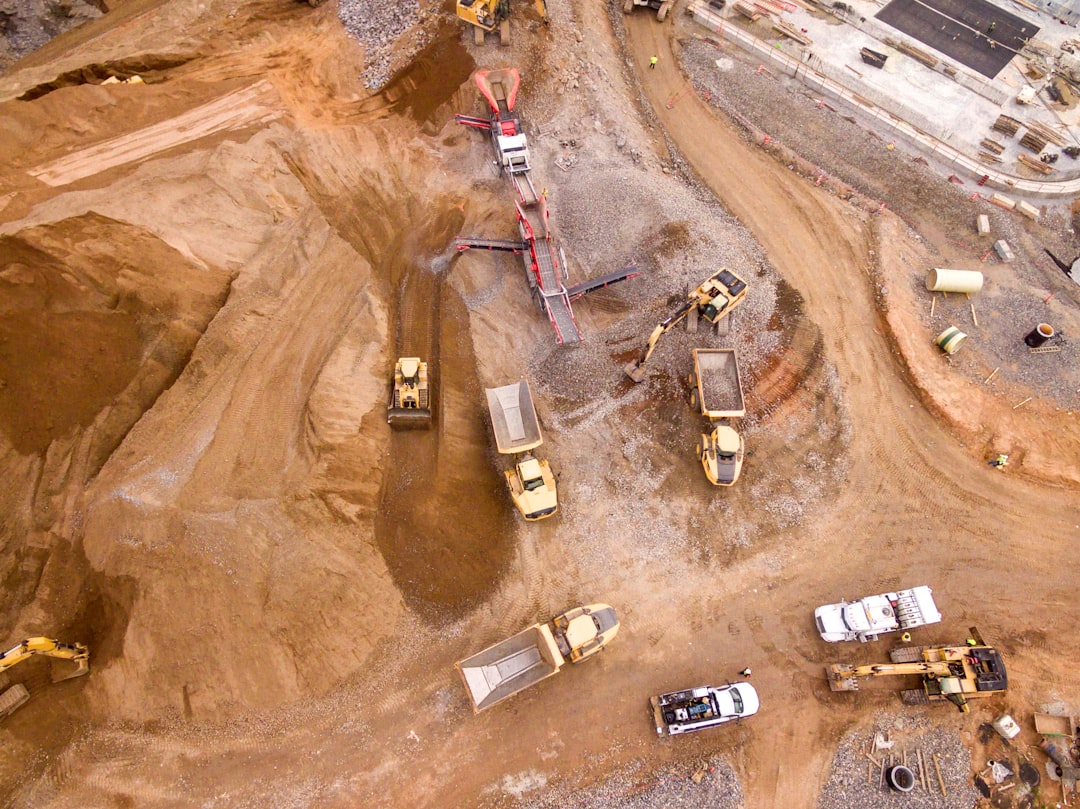
The Great Salt Lake, a terminal lake in Utah, is a vast hydrological basin and a unique ecosystem. Beyond its prominent ecological role, the lake is also being increasingly recognized as a significant potential source of lithium, a critical element in the rapidly expanding battery market. This article explores the prospects and challenges associated with lithium extraction from the Great Salt Lake, a resource that remains largely untapped.
The world’s appetite for lithium has surged dramatically in recent years, primarily driven by the burgeoning electric vehicle (EV) industry and the widespread adoption of portable electronic devices. Lithium-ion batteries are the powerhouses behind this technological revolution, and their demand shows no signs of abating. Consequently, securing reliable and diversified sources of lithium has become a geopolitical and economic imperative for many nations.
Traditional Lithium Sources
Historically, lithium has been primarily sourced from two main types of geological deposits:
- Hard Rock Mines: These involve the extraction of lithium-bearing minerals like spodumene from pegmatite rocks. Australia is a leading producer from these hard rock mines.
- Brine Deposits: Lithium is extracted from subterranean brines, often found in arid regions. Chile and Argentina are significant producers from these “lithium triangles.” The extraction process typically involves pumping the brine to the surface and allowing solar evaporation to concentrate the lithium.
The Great Salt Lake as a Brine Resource
The Great Salt Lake, with its naturally high salinity, presents a compelling case as a potential brine-based lithium resource. Its waters contain dissolved minerals, accumulated over millennia from the runoff of surrounding mountain ranges. While the lithium concentration in the Great Salt Lake brine is generally lower than some South American salars, its vast volume acts as a counterweight, offering a substantial overall endowment. The lake can be viewed as an immense, naturally occurring mineral reservoir, continuously fed by geological processes.
Strategic Importance of Domestic Lithium
For the United States, developing domestic lithium resources like the Great Salt Lake holds significant strategic value. Reducing reliance on foreign suppliers enhances national economic security and strengthens supply chains, particularly in critical sectors like clean energy and defense. The development of a domestic lithium industry would also foster job creation and technological innovation within the country.
Lithium mining in the Great Salt Lake has garnered significant attention due to its potential impact on both the environment and the economy. A related article that delves deeper into the implications of this emerging industry can be found at MyGeoQuest. This resource provides insights into the geological aspects of lithium extraction, the challenges faced by mining companies, and the broader consequences for local ecosystems.
Current Extraction Technologies and Their Applicability to the Great Salt Lake
The extraction of lithium from brine is a complex process, and the specific characteristics of the Great Salt Lake brine necessitate careful consideration of available technologies. Traditional solar evaporation ponds, while effective in some locations, face unique challenges in the Great Salt Lake basin.
Solar Evaporation Ponds
- The Principle: This method involves pumping brine into large, shallow ponds and allowing the sun’s energy to evaporate water, progressively concentrating the dissolved minerals, including lithium.
- Challenges at Great Salt Lake:
- Land Use: The sheer volume of brine in the Great Salt Lake would require an enormous land footprint for evaporation ponds, potentially impacting environmentally sensitive areas and competing with other land uses around the lake.
- Climatic Variability: While Utah enjoys ample sunshine, seasonal fluctuations in precipitation and temperature could affect the efficiency and consistency of solar evaporation.
- Contaminants: The Great Salt Lake brine contains a complex mixture of salts, and separating lithium from other common ions like magnesium, sodium, and potassium requires further processing, adding to the overall cost and complexity. The high magnesium-to-lithium ratio in some areas of the lake is a particular concern, as magnesium can hinder efficient lithium recovery.
Direct Lithium Extraction (DLE) Technologies
Direct Lithium Extraction (DLE) technologies offer a more targeted and potentially environmentally friendly approach compared to traditional evaporation ponds. These technologies aim to selectively extract lithium from brine while minimizing freshwater consumption and land disturbance.
- Adsorption: Certain materials, like lithium-selective adsorbents, can selectively bind lithium ions from the brine. Once saturated, the adsorbents are regenerated, releasing the concentrated lithium.
- Ion Exchange: Similar to adsorption, ion exchange resins can selectively capture lithium ions based on their charge and size.
- Solvent Extraction: In this method, a selective organic solvent is used to extract lithium into an organic phase, separating it from other brine components.
- Membrane Technologies: Advanced membrane systems can be employed to separate lithium from brine based on molecular size or charge.
Advantages of DLE for Great Salt Lake
- Reduced Environmental Impact: DLE technologies typically require a much smaller land footprint than evaporation ponds and can significantly reduce freshwater usage, as the depleted brine can often be reinjected back into the lake.
- Faster Processing: DLE processes can be significantly faster than solar evaporation, reducing the time to market for lithium products.
- Higher Selectivity: DLE can offer greater selectivity for lithium, potentially simplifying the downstream refining process and yielding higher-purity lithium products.
Pilot Projects and Early Stage Development
Several companies are currently exploring and piloting DLE technologies specifically tailored for the Great Salt Lake brine. These pilot projects are crucial for validating the technical feasibility, economic viability, and environmental performance of these methods in this unique hydrological setting. The success of these initial ventures will be pivotal in determining the future of lithium extraction from the lake.
Environmental Considerations and Sustainable Practices
The Great Salt Lake is not merely a source of minerals; it is a vital ecological hub, supporting millions of migratory birds and contributing significantly to the regional economy through tourism and brine shrimp harvesting. Any development impacting the lake must prioritize environmental protection and adhere to stringent sustainability standards.
Water Levels and Salinity
The Great Salt Lake is a dynamic system, and its water levels have fluctuated significantly over time due to climate patterns and human water diversions. Lithium extraction, particularly through large-scale operations, could potentially impact groundwater levels and the lake’s overall hydrological balance if not carefully managed. Maintaining appropriate water levels is crucial for preserving the lake’s delicate ecosystem and preventing adverse effects on its wildlife.
Brine Management and Discharge
The management of depleted brine – the remaining solution after lithium extraction – is a critical environmental concern. Releasing highly concentrated or chemically altered brine back into the lake or surrounding environment without proper treatment could disrupt the ecosystem and harm aquatic life. Responsible operators must implement robust brine management strategies, including potential reinjection or further treatment, to minimize ecological impacts.
Ecosystem Protection
- Shoreline Habitats: The lake’s vast mudflats and wetlands are essential habitats for diverse bird species. Lithium operations must be designed to avoid or mitigate impacts on these critical areas.
- Brine Shrimp: The Great Salt Lake is home to a thriving brine shrimp industry, which is an important food source for migratory birds. Any extraction process must ensure it does not negatively affect brine shrimp populations or their harvesting.
- Air Quality: Industrial activities associated with lithium extraction, including processing plants and transportation, could generate air emissions. Comprehensive air quality monitoring and mitigation measures will be necessary to protect public health and the environment.
Regulatory Framework and Oversight
Robust regulatory frameworks and stringent government oversight are essential to ensure that lithium extraction from the Great Salt Lake proceeds in an environmentally responsible manner. This includes comprehensive environmental impact assessments, permitting processes, and ongoing monitoring to ensure compliance with environmental standards. Collaboration between industry, government, environmental groups, and local communities will be crucial for developing sustainable practices.
Economic Potential and Regional Impact
The potential for lithium extraction from the Great Salt Lake carries significant economic implications for Utah and the broader national economy. The development of a robust lithium industry could create new jobs, attract investment, and bolster the region’s overall economic prosperity.
Job Creation
- Direct Employment: Lithium mining and processing operations would create direct jobs in areas such as engineering, geology, chemistry, operations, and logistics.
- Indirect Employment: The industry would also stimulate indirect job creation in supporting sectors like manufacturing, transportation, and services.
Investment and Infrastructure Development
Developing lithium resources requires substantial capital investment in exploration, extraction facilities, processing plants, and associated infrastructure. This investment can revitalize local economies and spur further development.
Revenue Generation
Lithium extraction could generate significant tax revenues for both state and local governments, which can be reinvested into public services, infrastructure, and environmental conservation initiatives.
Supply Chain Development
The presence of a domestic lithium source can incentivize the development of an entire battery supply chain within the United States, from raw material extraction to battery manufacturing and recycling. This creates a powerful economic multiplier effect.
Lithium mining in the Great Salt Lake has become a topic of significant interest due to the increasing demand for lithium-ion batteries. As companies explore sustainable methods for extraction, the environmental implications of such operations are under scrutiny. For a deeper understanding of the challenges and innovations in this field, you can read a related article that discusses various aspects of lithium mining and its impact on local ecosystems. This insightful piece can be found here.
Challenges and Future Outlook
| Metric | Value | Unit | Notes |
|---|---|---|---|
| Estimated Lithium Reserves | 1.6 | Million Metric Tons | Contained in brine of Great Salt Lake |
| Annual Lithium Production | 15,000 | Metric Tons | Projected for 2024 |
| Brine Lithium Concentration | 200-300 | mg/L | Varies by location in lake |
| Extraction Method | Solar Evaporation & Direct Lithium Extraction | N/A | Common techniques used |
| Environmental Impact | Moderate | N/A | Concerns about water usage and habitat disruption |
| Major Companies Involved | 3 | Number | Including private and public entities |
While the Great Salt Lake holds substantial promise as a lithium source, numerous challenges must be addressed for its full potential to be realized.
Technical Feasibility and Cost-Effectiveness
- DLE Scalability: While DLE technologies show promise at a pilot scale, scaling them up to commercial production volumes for the Great Salt Lake brine presents engineering and cost challenges.
- Contaminant Management: The complex chemical composition of Great Salt Lake brine, including the presence of other salts and trace elements, requires sophisticated separation and purification processes, impacting overall cost-effectiveness. The ratio of magnesium to lithium, as mentioned earlier, is a particularly thorny problem to overcome.
Permitting and Regulatory Hurdles
Navigating the intricate web of environmental regulations, permitting processes, and stakeholder consultations can be a time-consuming and complex endeavor. Obtaining all necessary approvals for large-scale operations will be a significant undertaking.
Social Acceptance and Stakeholder Engagement
Public perception and social license to operate are critical for any large-scale industrial project. Engaging with local communities, environmental groups, and indigenous populations early and transparently is essential to address concerns and build trust.
Market Volatility
The lithium market has experienced periods of significant price volatility. While long-term demand is projected to remain strong, fluctuations in prices can impact the economic viability of new projects.
Water Stress in the West
The American West, including Utah, faces ongoing challenges related to water availability. While DLE technologies offer a more water-efficient approach than traditional evaporation, any industrial activity will inevitably have a water footprint, which must be carefully managed in this arid region.
The Path Forward
The Great Salt Lake represents a crucial, untapped resource in the global quest for sustainable lithium. Fully realizing its potential requires a multifaceted approach: continued research and development in DLE technologies, robust environmental stewardship, transparent stakeholder engagement, and supportive governmental policies. The lake is not just a source of minerals; it is a natural wonder that demands respect and careful management. The journey to unlock its lithium reserves will be a testament to human ingenuity and our commitment to balancing economic development with environmental preservation. As with any resource extraction, the decisions made today will echo through generations, shaping both the regional economy and the ecological health of this unique and vital body of water.

WATCH NOW ▶️ WARNING: The $10 Trillion Toxic Lie Killing the American West
FAQs
What is lithium mining in the Great Salt Lake?
Lithium mining in the Great Salt Lake involves extracting lithium, a key component used in batteries, from brine deposits found in the lake. The process typically includes pumping brine to evaporation ponds where lithium is concentrated and then processed.
Why is lithium mining important in the Great Salt Lake region?
The Great Salt Lake region is rich in lithium resources, making it a significant source for lithium production in the United States. Lithium is essential for manufacturing batteries used in electric vehicles, electronics, and renewable energy storage, contributing to the clean energy transition.
What environmental concerns are associated with lithium mining in the Great Salt Lake?
Environmental concerns include potential impacts on water levels, disruption of local ecosystems, and effects on wildlife habitats. The extraction process can also affect the lake’s salinity and water quality, which are critical for the region’s biodiversity.
How is lithium extracted from the Great Salt Lake?
Lithium is extracted by pumping lithium-rich brine from beneath the lake into large evaporation ponds. Over time, water evaporates, increasing lithium concentration. The concentrated brine is then processed to separate lithium compounds for commercial use.
What regulations govern lithium mining in the Great Salt Lake?
Lithium mining in the Great Salt Lake is regulated by state and federal agencies, including environmental protection laws and water rights regulations. These rules aim to balance resource development with environmental conservation and community interests.