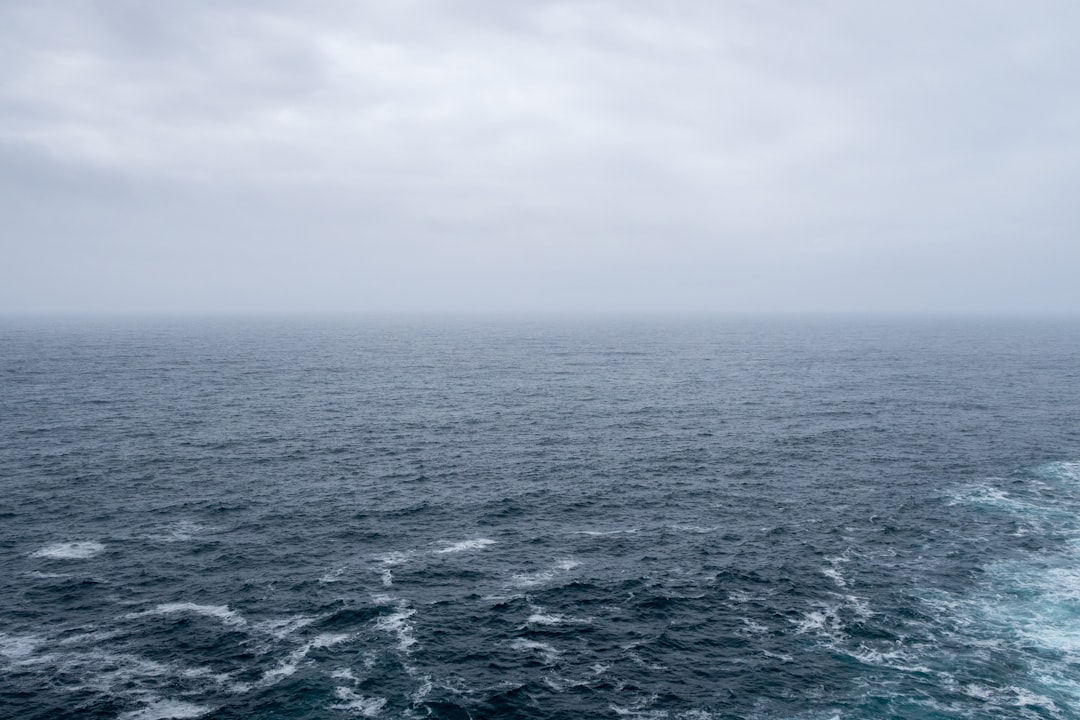
The Drake Passage, a body of water situated between the southern tip of South America and Antarctica, is renowned for its tumultuous seas and significant role in global maritime navigation. Stretching approximately 800 kilometers (500 miles) wide, it serves as a critical conduit for vessels traversing between the Atlantic and Pacific Oceans. Named after the English explorer Sir Francis Drake, who navigated these waters in the late 16th century, the passage has become synonymous with both adventure and peril.
Its unpredictable weather patterns and strong currents have earned it a reputation as one of the most challenging maritime routes in the world. The passage is not merely a geographical feature; it is a vital link that connects diverse ecosystems and cultures. The waters are rich in marine life, serving as a breeding ground for various species, including whales, seals, and seabirds.
The Drake Passage also plays a crucial role in regulating oceanic currents and climate patterns, making it an area of interest for scientists and environmentalists alike. As global interest in the Antarctic region grows, understanding the complexities of the Drake Passage becomes increasingly important for navigation, ecology, and climate science.
Key Takeaways
- The Drake Passage is a body of water located between the southern tip of South America and the northern tip of the Antarctic Peninsula, known for its turbulent seas and strong winds.
- The Drake Passage holds historical significance as the route taken by famous explorers such as Sir Francis Drake and Ferdinand Magellan during their circumnavigation of the globe.
- Geographically, the Drake Passage is a crucial link between the Atlantic, Pacific, and Southern Oceans, allowing for the circulation of water and marine life between these major bodies of water.
- The Drake Passage is ecologically significant as it serves as a vital migratory route for marine mammals and seabirds, and is home to a diverse range of marine species, including krill, which form the base of the Antarctic food web.
- The Drake Passage is of great importance for scientific research, particularly in the fields of oceanography, climatology, and marine biology, providing valuable insights into global climate patterns and the impact of human activities on the environment.
Historical significance of the Drake Passage
Historically, the Drake Passage has been a pivotal route for explorers and traders since the Age of Discovery. Sir Francis Drake’s circumnavigation of the globe in the late 1500s marked one of the first significant European engagements with this treacherous waterway. His journey not only demonstrated the potential for maritime trade routes but also highlighted the dangers posed by the passage’s fierce winds and turbulent waters.
The Drake Passage became a symbol of exploration, representing both the ambition and peril associated with venturing into uncharted territories. In subsequent centuries, the passage continued to attract explorers, whalers, and researchers drawn by its mysteries and challenges. The 19th century saw an influx of whaling ships that exploited the rich marine resources of the Southern Ocean, leading to significant ecological changes.
The historical significance of the Drake Passage extends beyond exploration; it has also been a site of geopolitical interest, particularly during periods of territorial claims in Antarctica. The passage’s strategic location has made it a focal point for discussions on maritime law and international governance.
Geographic importance of the Drake Passage
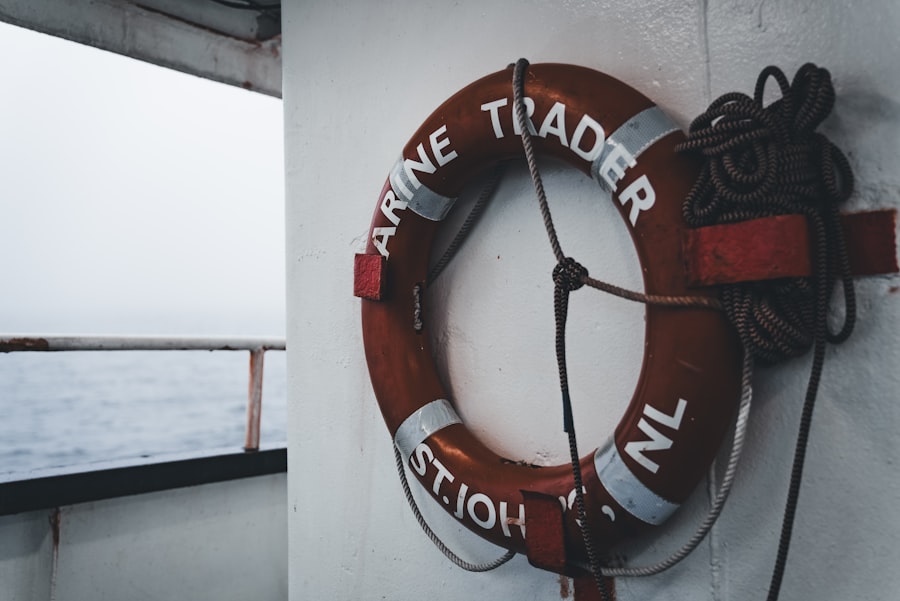
Geographically, the Drake Passage serves as a natural barrier that separates two major landmasses: South America and Antarctica. This positioning is crucial for understanding oceanic currents and climatic conditions in both regions. The passage is characterized by its deep waters and complex topography, which includes underwater ridges and valleys that influence marine navigation and biodiversity.
The geographic importance of the Drake Passage extends to its role in global ocean circulation. It acts as a conduit for the Antarctic Circumpolar Current, which is the world’s largest ocean current.
This current plays a vital role in regulating global climate by redistributing heat and nutrients across oceans. The interaction between different water masses in the Drake Passage contributes to significant climatic phenomena, influencing weather patterns far beyond its immediate vicinity. Understanding these geographic dynamics is essential for predicting climate change impacts and managing marine resources effectively.
Ecological significance of the Drake Passage
| Ecological Significance of the Drake Passage |
|---|
| 1. Biodiversity hotspot |
| 2. Important migratory route for marine mammals and birds |
| 3. Critical for the distribution of nutrients and phytoplankton |
| 4. Supports diverse marine ecosystems |
| 5. Influences global climate patterns |
The ecological significance of the Drake Passage cannot be overstated.
These tiny crustaceans are a primary food source for larger animals such as whales, seals, and seabirds.
The abundance of krill in these waters is crucial for maintaining the health of marine food webs and supporting biodiversity in the region. The passage’s unique environmental conditions foster a variety of habitats that are essential for numerous species’ survival. Moreover, the Drake Passage plays a critical role in nutrient cycling within the Southern Ocean.
Upwelling currents bring nutrient-rich waters to the surface, promoting phytoplankton growth that forms the basis of the marine food chain. This productivity not only sustains local wildlife but also has implications for global carbon cycling, as phytoplankton absorb carbon dioxide during photosynthesis. The ecological dynamics within the Drake Passage are thus integral to understanding broader environmental processes and addressing challenges related to climate change and marine conservation.
Importance of the Drake Passage for scientific research
The Drake Passage has emerged as a focal point for scientific research due to its unique environmental conditions and critical role in global oceanography. Researchers from around the world flock to this region to study its complex ecosystems, ocean currents, and climate interactions. The passage serves as a natural laboratory for investigating phenomena such as ocean acidification, climate change impacts, and marine biodiversity.
Its accessibility from both South America and Antarctica makes it an ideal location for interdisciplinary studies that bridge marine biology, climatology, and geology. In recent years, advancements in technology have further enhanced research capabilities in the Drake Passage. The use of autonomous underwater vehicles (AUVs) and remote sensing tools allows scientists to gather data on oceanographic conditions with unprecedented precision.
These innovations facilitate long-term monitoring of environmental changes, providing valuable insights into how climate change is affecting polar regions. As global interest in understanding climate dynamics intensifies, the scientific community recognizes the Drake Passage as an essential area for ongoing research efforts.
Economic importance of the Drake Passage
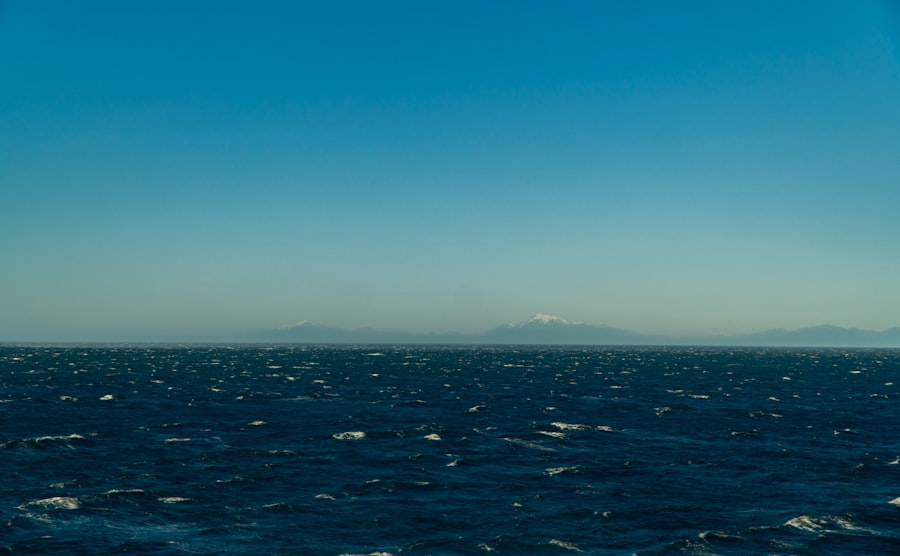
The economic importance of the Drake Passage is multifaceted, encompassing shipping routes, fishing industries, and tourism opportunities. As a key maritime corridor connecting major oceans, it facilitates international trade by allowing vessels to navigate between North America, Europe, and Asia without having to traverse longer routes around Cape Horn or through the Panama Canal. This efficiency not only reduces shipping times but also lowers transportation costs, making it an attractive option for global commerce.
Additionally, the fishing industry relies heavily on the rich marine resources found within the waters of the Drake Passage. Commercial fisheries target species such as krill and various fish populations that thrive in these nutrient-rich waters. However, this economic activity must be balanced with sustainable practices to ensure that overfishing does not deplete these vital resources.
Furthermore, tourism has become an increasingly important economic driver in recent years, with adventure-seeking travelers drawn to explore the stunning landscapes and unique wildlife of Antarctica via cruises that often traverse the Drake Passage.
Challenges and dangers of navigating the Drake Passage
Navigating the Drake Passage presents numerous challenges and dangers that have earned it a fearsome reputation among mariners. The passage is notorious for its unpredictable weather patterns, which can change rapidly and without warning. Strong winds, towering waves, and dense fog can create treacherous conditions that pose significant risks to vessels attempting to cross.
Mariners must be well-prepared and experienced to navigate these waters safely, as even seasoned sailors can find themselves at the mercy of nature’s fury. In addition to weather-related challenges, navigational hazards such as icebergs and shifting currents further complicate passage through this region. Icebergs calving from glaciers can drift into shipping lanes unexpectedly, creating potential collision hazards for vessels.
Moreover, strong currents can affect a ship’s course and speed, requiring constant vigilance from crews to ensure safe navigation. These challenges underscore the need for robust safety protocols and advanced navigational technologies when traversing this formidable waterway.
Climate and weather patterns in the Drake Passage
The climate and weather patterns in the Drake Passage are characterized by their variability and intensity. The region experiences strong westerly winds known as the “Roaring Forties,” which can generate powerful storms that impact maritime operations significantly. These winds contribute to high wave heights and rough seas, making navigation particularly challenging during certain times of the year.
Seasonal variations also play a role; summer months may bring relatively calmer conditions compared to winter when storms are more frequent. Temperature fluctuations are another defining feature of the climate in this area. The waters of the Drake Passage are influenced by cold Antarctic currents that collide with warmer waters from the north, creating dynamic thermal gradients that affect local weather patterns.
This interaction can lead to fog formation and sudden changes in visibility, further complicating navigation efforts. Understanding these climatic nuances is essential for mariners operating in this region and for scientists studying broader climate trends.
International cooperation and governance of the Drake Passage
Given its strategic importance and ecological significance, international cooperation is vital for managing activities within the Drake Passage effectively. Various treaties and agreements govern maritime operations in this region, with countries recognizing the need to balance economic interests with environmental protection. The Antarctic Treaty System plays a crucial role in regulating human activities on the continent and surrounding waters, promoting scientific research while prohibiting military activities.
Collaboration among nations is essential for addressing challenges such as overfishing, pollution control, and climate change impacts on marine ecosystems. Organizations like the Commission for the Conservation of Antarctic Marine Living Resources (CCAMLR) work towards sustainable management practices that ensure long-term ecological health while allowing for responsible economic activities like fishing and tourism. This framework fosters dialogue among stakeholders from different countries, emphasizing shared responsibility for preserving this unique environment.
Future prospects and developments for the Drake Passage
Looking ahead, future prospects for the Drake Passage are shaped by ongoing environmental changes and increasing human activity in polar regions. Climate change poses significant threats to marine ecosystems within this area; rising temperatures may alter species distributions and disrupt established food webs. As researchers continue to monitor these changes closely, there is an urgent need for adaptive management strategies that can respond effectively to emerging challenges.
Moreover, advancements in technology may facilitate safer navigation through this challenging waterway while enhancing scientific research capabilities. Innovations such as improved satellite tracking systems and autonomous vessels could revolutionize how ships operate in these waters, reducing risks associated with navigation while providing valuable data on oceanographic conditions. As interest in Antarctica grows—both for scientific exploration and tourism—ensuring sustainable practices will be paramount to preserving this fragile environment for future generations.
The enduring importance of the Drake Passage
In conclusion, the Drake Passage stands as a testament to nature’s power and complexity while serving as a vital link between continents and oceans. Its historical significance as a route for exploration has paved the way for modern maritime trade while highlighting humanity’s enduring quest for knowledge about our planet’s frontiers. Geographically positioned at a crossroads between diverse ecosystems, it plays an essential role in regulating global climate patterns through ocean circulation.
As scientific research continues to unveil new insights into this dynamic region’s ecology and climate interactions, understanding its challenges becomes increasingly critical amid growing human activity. International cooperation remains essential for ensuring sustainable practices that balance economic interests with environmental stewardship within this unique maritime corridor. Ultimately, recognizing the enduring importance of the Drake Passage will guide future efforts toward preserving its ecological integrity while navigating its complexities responsibly.
The Drake Passage is a crucial waterway that connects the Atlantic and Pacific Oceans, playing a significant role in global ocean circulation and climate regulation. Its unique position and the powerful Antarctic Circumpolar Current make it a key area for scientific research, particularly in understanding climate change and marine biodiversity. For more insights into the geographical and environmental significance of the Drake Passage, you can explore a related article on MyGeoQuest, which delves into the intricate dynamics of this important maritime corridor.
WATCH NOW! Drake Passage: Earth’s Deadliest Waters Revealed
FAQs
What is the Drake Passage?
The Drake Passage is the body of water between the southern tip of South America at Cape Horn and the South Shetland Islands of Antarctica. It connects the southwestern part of the Atlantic Ocean with the southeastern part of the Pacific Ocean.
Why is the Drake Passage important?
The Drake Passage is important for several reasons. It serves as a major gateway for the movement of ocean currents and marine life between the Atlantic and Pacific Oceans. It also plays a crucial role in the global climate system, as it is a key location for the exchange of cold Antarctic waters with warmer waters from the north.
What is the significance of the Drake Passage for scientific research?
The Drake Passage is significant for scientific research, particularly in the fields of oceanography, climatology, and marine biology. Its unique oceanographic and atmospheric conditions make it an ideal location for studying the interactions between the Antarctic continent and the rest of the world, as well as for understanding the impact of climate change on the Southern Ocean.
How does the Drake Passage impact wildlife?
The Drake Passage is a critical migratory route for a wide variety of marine species, including whales, seals, and seabirds. Its nutrient-rich waters support a diverse ecosystem, making it an important area for conservation and biodiversity.
What challenges are associated with the Drake Passage?
The Drake Passage is known for its notoriously rough and unpredictable seas, with strong winds and large waves making it one of the most challenging maritime routes in the world. These conditions can pose significant challenges for ships and vessels navigating through the passage.