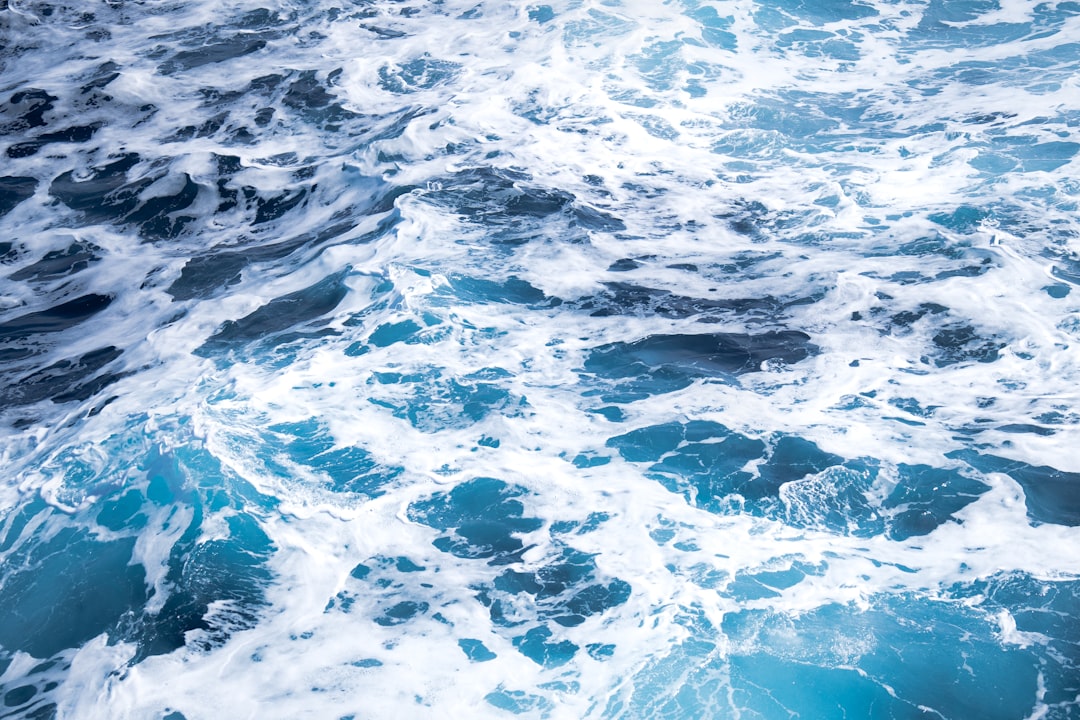
The Drake Passage, a body of water that separates South America from Antarctica, is renowned for its tumultuous seas and breathtaking vistas. Stretching approximately 600 miles, it serves as a critical conduit for ocean currents and marine life, making it a significant area for both ecological and navigational studies. The passage is often characterized by its unpredictable weather patterns and rough waters, which have earned it a reputation as one of the most challenging maritime routes in the world.
As travelers embark on journeys through this iconic passage, they are often met with a mix of excitement and trepidation. The Drake Passage is not merely a geographical feature; it embodies the spirit of exploration and the allure of the unknown.
Its waters have witnessed countless tales of bravery and discovery, making it a focal point for those drawn to the mysteries of the southern seas. The passage is not only a vital link between two continents but also a testament to the power of nature and the resilience of those who dare to navigate its depths.
Key Takeaways
- The Drake Passage is a narrow body of water between South America’s Cape Horn and the South Shetland Islands of Antarctica.
- The Drake Passage has a rich history of exploration, with famous expeditions by explorers such as Sir Francis Drake and James Cook.
- The passage is home to a diverse range of wildlife, including penguins, seals, and various species of seabirds.
- The weather and climate in the Drake Passage are known for their extreme and unpredictable nature, with strong winds and rough seas.
- Navigating the Drake Passage requires careful planning and preparation due to its challenging conditions and the potential for rough seas.
The History of the Drake Passage
The history of the Drake Passage is steeped in exploration and maritime lore. Named after Sir Francis Drake, an English sea captain and explorer who sailed through these waters in the late 16th century, the passage has long been a site of intrigue for navigators. Drake’s expedition was one of the first recorded instances of European exploration in this region, paving the way for future voyages that would further unveil the mysteries of Antarctica.
His journey not only highlighted the strategic importance of the passage but also marked a significant moment in the Age of Discovery. Over the centuries, the Drake Passage has been traversed by numerous explorers, scientists, and adventurers, each contributing to its rich tapestry of history. The passage became a crucial route for whalers and sealers in the 19th century, as they sought to exploit the abundant marine resources found in these frigid waters.
The stories of shipwrecks and daring rescues have become part of its lore, illustrating both the perilous nature of navigation in this region and the indomitable spirit of those who ventured into its depths. Today, the Drake Passage continues to be a focal point for maritime history, drawing attention from historians and enthusiasts alike.
Wildlife in the Drake Passage

The Drake Passage is not only significant for its historical context but also for its rich biodiversity. The waters are teeming with life, serving as a vital habitat for various marine species. From majestic whales to playful seals, the passage is a sanctuary for wildlife that thrives in its cold, nutrient-rich waters.
Among the most notable inhabitants are species such as humpback whales, orcas, and blue whales, which migrate through these waters in search of food and breeding grounds. The sight of these magnificent creatures breaching the surface is a breathtaking experience that captivates all who venture into the passage. In addition to marine mammals, the Drake Passage is home to an array of seabirds that soar above its turbulent waters.
Species such as albatrosses and petrels can often be seen gliding gracefully on the wind currents, showcasing their remarkable adaptations to life at sea. These birds play a crucial role in the ecosystem, helping to maintain balance within the marine food web. The presence of such diverse wildlife not only enhances the ecological significance of the Drake Passage but also provides opportunities for researchers to study animal behavior and migration patterns in response to changing environmental conditions.
Weather and Climate in the Drake Passage
| Month | Average Temperature (°C) | Wind Speed (km/h) | Precipitation (mm) |
|---|---|---|---|
| January | 5 | 35 | 80 |
| February | 5 | 35 | 90 |
| March | 4 | 35 | 100 |
| April | 2 | 35 | 110 |
| May | 0 | 35 | 120 |
| June | -2 | 35 | 130 |
| July | -3 | 35 | 140 |
| August | -2 | 35 | 130 |
| September | 0 | 35 | 120 |
| October | 2 | 35 | 110 |
| November | 3 | 35 | 90 |
| December | 4 | 35 | 80 |
The weather in the Drake Passage is notoriously unpredictable, characterized by rapidly changing conditions that can shift from calm to stormy within moments. This variability is largely due to its geographical location, where cold Antarctic waters meet warmer currents from the Pacific and Atlantic Oceans. As a result, sailors navigating these waters must be prepared for anything—from tranquil seas to towering waves that can reach heights of over 30 feet.
Such conditions have earned the passage its reputation as one of the most treacherous maritime routes in existence. The climate surrounding the Drake Passage is classified as polar maritime, with temperatures that can vary significantly throughout the year. During summer months, temperatures may hover around freezing, while winter brings frigid conditions that can plunge well below zero.
Precipitation is common, often falling as snow or sleet, further complicating navigation efforts. Understanding these climatic patterns is essential for those planning to traverse the passage, as they can greatly influence travel plans and safety measures.
Navigating the Drake Passage
Navigating the Drake Passage requires skill, experience, and an understanding of its unique challenges. Mariners must be well-versed in charting courses that account for shifting weather patterns and strong currents that can affect vessel stability. Modern technology has greatly improved navigation safety in these waters; however, traditional seamanship skills remain invaluable when facing unpredictable conditions.
Many vessels equipped for Antarctic expeditions are designed with reinforced hulls to withstand ice and rough seas, ensuring that they can safely traverse this formidable passage. For those embarking on expeditions through the Drake Passage, preparation is key. It is essential to monitor weather forecasts closely and remain flexible with travel plans to accommodate sudden changes in conditions.
Experienced crews often employ strategies such as adjusting sail configurations or altering course to navigate around particularly rough patches. The ability to adapt quickly can mean the difference between a successful journey and a perilous encounter with nature’s fury.
Famous Expeditions and Explorers in the Drake Passage

Throughout history, numerous expeditions have ventured into the Drake Passage, each leaving an indelible mark on maritime exploration. One of the most notable figures associated with this region is Ernest Shackleton, whose ill-fated Endurance expedition in 1914 became legendary for its tale of survival against all odds. Shackleton’s crew faced unimaginable challenges after their ship became trapped in ice, ultimately leading them on a harrowing journey across treacherous waters to safety.
This expedition not only highlighted the dangers of navigating the Drake Passage but also showcased human resilience in the face of adversity. Another significant expedition was led by Robert Falcon Scott during his quest to reach the South Pole in 1911. Scott’s journey through the Drake Passage was fraught with difficulties, yet it contributed immensely to scientific knowledge about Antarctica and its surrounding waters.
These expeditions have inspired generations of explorers and researchers to continue pushing boundaries in their quest for knowledge about this remote region. The stories of these adventurers serve as reminders of both the allure and peril inherent in exploring one of Earth’s last frontiers.
The Impact of Climate Change on the Drake Passage
As global temperatures rise due to climate change, the effects on the Drake Passage are becoming increasingly evident. The warming climate has led to shifts in ocean currents and alterations in marine ecosystems that could have far-reaching consequences for wildlife populations and human activities alike. Researchers are closely monitoring these changes to understand their implications better; shifts in species distribution could disrupt established food webs and impact fishing industries reliant on stable marine environments.
Moreover, melting ice from Antarctica poses additional challenges for navigation through the Drake Passage. As icebergs break off from glaciers and drift into shipping lanes, they create hazards for vessels traversing these waters. Increased shipping traffic due to rising interest in Antarctic tourism further complicates matters, necessitating careful management strategies to ensure safe navigation while protecting fragile ecosystems.
The ongoing research into climate change’s impact on this vital passage underscores its importance as both an ecological treasure and a critical maritime route.
Safety Precautions for Traveling through the Drake Passage
Traveling through the Drake Passage demands careful planning and adherence to safety precautions due to its unpredictable nature. Mariners are advised to equip their vessels with essential safety gear, including life jackets, flares, and emergency beacons. Additionally, maintaining open lines of communication with coast guard services or other vessels can provide crucial support during emergencies or adverse weather conditions.
It is also advisable for travelers to undergo thorough training before embarking on journeys through these waters. Knowledge of survival techniques, first aid skills, and emergency protocols can significantly enhance safety during unexpected situations at sea. For those participating in guided expeditions, choosing reputable operators with experienced crews can further mitigate risks associated with navigating this challenging passage.
The Beauty of the Drake Passage
Despite its reputation for rough seas and unpredictable weather, there exists an undeniable beauty within the Drake Passage that captivates all who venture into its depths. The stark contrast between icy blue waters and rugged mountain ranges creates a stunning backdrop that leaves an indelible impression on travelers’ minds. Sunrises and sunsets over this vast expanse often paint vibrant colors across the sky, offering breathtaking views that evoke a sense of wonder.
The natural beauty extends beyond mere aesthetics; it encompasses diverse ecosystems teeming with life. Glacial formations dotting the landscape add an element of majesty to this remote region while serving as reminders of nature’s power and fragility. For those fortunate enough to witness this spectacle firsthand, exploring the Drake Passage becomes not just an adventure but also an opportunity for reflection on humanity’s relationship with nature.
Research and Scientific Discoveries in the Drake Passage
The Drake Passage has long been a focal point for scientific research due to its unique ecological characteristics and significance within global oceanic systems. Researchers from various disciplines converge here to study everything from marine biology to climate science. The passage serves as a natural laboratory where scientists can observe how changing environmental conditions impact marine life and ecosystems.
One notable area of research involves studying ocean currents that flow through the passage, which play a crucial role in regulating global climate patterns. Understanding these currents helps scientists predict how climate change may affect weather systems worldwide. Additionally, ongoing studies into biodiversity within this region contribute valuable insights into species adaptation and resilience amid shifting environmental conditions.
The scientific discoveries made in the Drake Passage continue to enhance knowledge about our planet’s oceans while underscoring their importance for future generations.
Tips for Exploring the Drake Passage
For those eager to explore the wonders of the Drake Passage, several tips can enhance their experience while ensuring safety and enjoyment throughout their journey. First and foremost, travelers should prioritize thorough research before embarking on any expedition—understanding weather patterns, wildlife sightings, and potential hazards will help set realistic expectations. Packing appropriately is also essential; layering clothing suitable for cold temperatures will ensure comfort during unpredictable weather changes at sea.
Additionally, bringing binoculars can enhance wildlife viewing opportunities while capturing stunning vistas along the way. Finally, maintaining an open mind about potential challenges will foster resilience during unexpected situations at sea—embracing spontaneity often leads to unforgettable memories amid nature’s grandeur within this remarkable passage. In conclusion, exploring the Drake Passage offers an unparalleled adventure filled with rich history, diverse wildlife encounters, breathtaking landscapes, and opportunities for scientific discovery—all set against one of Earth’s most challenging maritime environments.
The Drake Passage, a significant body of water, is located between the southern tip of South America and Antarctica, connecting the southwestern part of the Atlantic Ocean with the southeastern part of the Pacific Ocean. This passage is known for its challenging navigation conditions due to strong currents and frequent storms. For more detailed information about the geographical significance and challenges of the Drake Passage, you can explore a related article on the MyGeoQuest website. Visit this link to learn more about the unique features and historical importance of this oceanic passage.
WATCH NOW! Drake Passage: Earth’s Deadliest Waters Revealed
FAQs
What is the Drake Passage?
The Drake Passage is the body of water between the southern tip of South America and the northern tip of the Antarctic Peninsula.
Which ocean is the Drake Passage in?
The Drake Passage is in the Southern Ocean. It connects the Atlantic Ocean to the Pacific Ocean.
Why is the Drake Passage significant?
The Drake Passage is known for its rough seas and strong winds, making it a challenging and important route for ships traveling between the Atlantic and Pacific Oceans.
What is the climate like in the Drake Passage?
The climate in the Drake Passage is characterized by strong winds, rough seas, and cold temperatures, due to its location in the Southern Ocean and its proximity to Antarctica.
Are there any islands in the Drake Passage?
There are several islands in the Drake Passage, including the South Shetland Islands and the South Orkney Islands, which are part of the Antarctic region.