
The allure of the White Continent has never been stronger, drawing an ever-increasing number of visitors to its frigid shores. Antarctic tourism, once a niche pursuit for intrepid explorers, has transformed into a booming industry, offering a glimpse into one of Earth’s last truly wild frontiers. Yet, this surge in popularity is not without its inherent perils, most notably the formidable Drake Passage, a capricious stretch of ocean that serves as the gateway to this frozen realm. Understanding both the magnetizing draw of Antarctica and the significant risks involved is crucial for those contemplating this extraordinary journey.
Antarctica, a continent of unparalleled beauty and stark isolation, exerts a powerful pull on the human psyche. Its vast icy landscapes, sculpted by millennia of wind and frost, present a panorama that is both humbling and awe-inspiring. The opportunity to witness towering icebergs, calving glaciers, and the diverse wildlife that thrives in this extreme environment is an experience few can resist.
A Landscape Unspoiled and Untamed
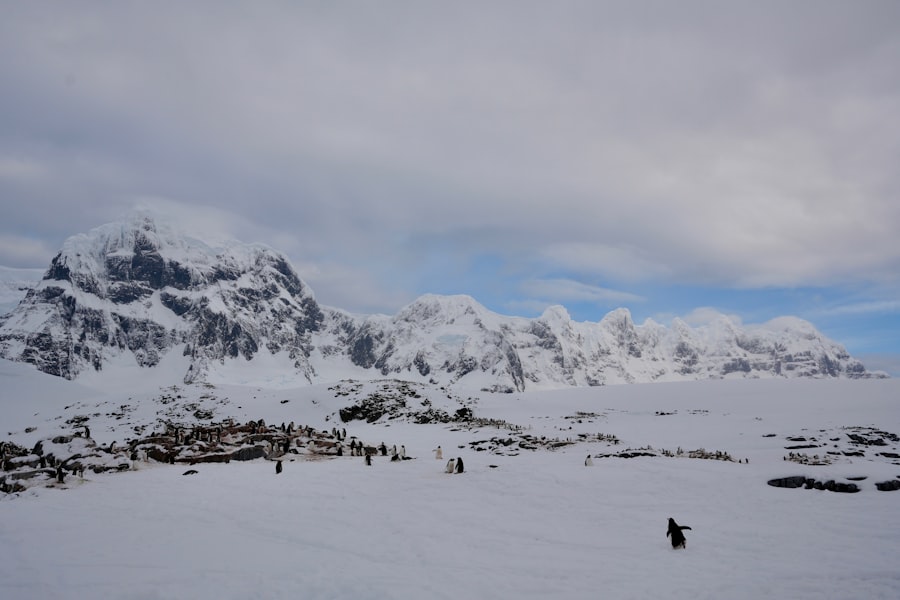
The sheer scale and pristine nature of the Antarctic wilderness are its primary attractions. Visitors are greeted by a continent largely untouched by human development, a stark contrast to the increasingly modified landscapes of most other regions on Earth.
Ice Sculptures of Epic Proportions
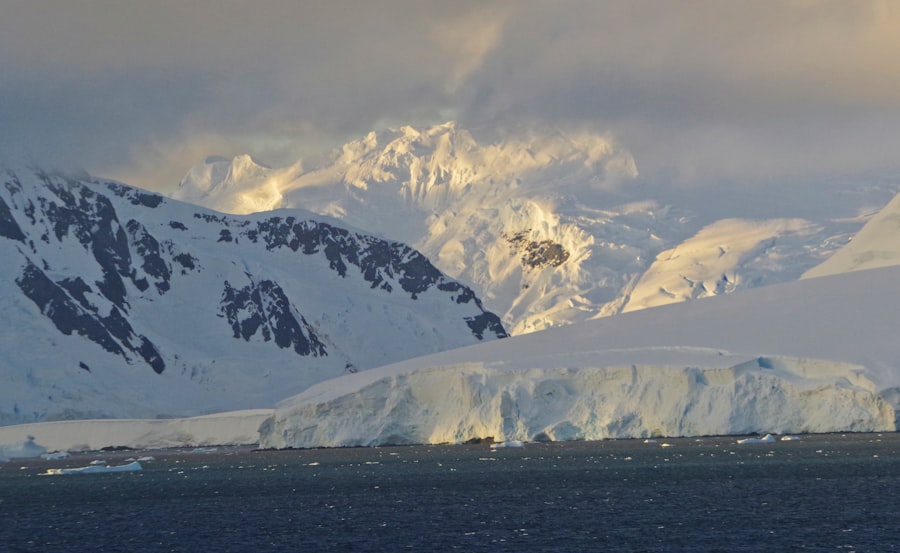
Antarctica’s ice formations are not merely frozen water; they are colossal natural sculptures, constantly shifting and evolving. Glaciers, rivers of ice, carve their way towards the sea, their ancient depths holding secrets of Earth’s climate history. Icebergs, calved from these colossal ice sheets, drift like majestic fortresses, each a unique and transient masterpiece. The sapphire hues and intricate textures within these icy behemoths are a testament to their immense age and the profound forces that shaped them. To witness a glacier calving, a thunderous spectacle of ice and spray, is to experience the raw power of nature in its most unadulterated form.
A Canvas of White and Blue
The dominant palette of Antarctica is one of brilliant white and deep azure, a visually striking minimalist masterpiece. The snow-covered plains and mountains, reflecting the sunlight, create a dazzling spectacle. This monochromatic brilliance is punctuated by the intense blues of glacial ice and the vibrant hues of the Antarctic Ocean. The sky, often a crisp and clear cerulean, further enhances this stark, yet captivating, visual symphony. It is a landscape that demands quiet contemplation, where the absence of overt color amplifies the subtle shifts in light and shadow.
Encounters with Extraordinary Wildlife
The Antarctic ecosystem supports a remarkable array of life, uniquely adapted to survive in the extreme cold. For many tourists, these wildlife encounters are the highlight of their journey, offering intimate glimpses into the lives of creatures found nowhere else on Earth.
The Regal Penguins
Penguins, arguably the most iconic inhabitants of Antarctica, are a constant source of fascination. From the stately Emperor penguins to the comical Adelie penguins, observing them in their natural habitat is an unforgettable experience. Witnessing their waddling gait on land, their effortless torpedo-like maneuvers in the water, and their complex social interactions provides a profound connection to the natural world. The sheer abundance of these flightless birds, forming vast colonies that stretch as far as the eye can see, is a testament to the resilience of life.
The Majestic Cetaceans
The nutrient-rich waters surrounding Antarctica are a feeding ground for a variety of cetaceans, including whales such as humpbacks, minke, and the occasional orca. Spotting these magnificent marine mammals breaching the surface or finning through the icy waters is a truly awe-inspiring moment. The sheer size and grace of these giants, navigating their frigid domain, evoke a sense of wonder and deep respect for the ocean’s biodiversity.
The Seafaring Seals
Various species of seals, including the leopard seal, Weddell seal, and crabeater seal, are commonly sighted. Observing them basking on ice floes, their sleek bodies glistening in the sun, or undertaking their hunting expeditions beneath the waves offers a glimpse into the intricate food web of the Southern Ocean. The leopard seal, a formidable predator, commands a particular respect, its powerful physique a stark reminder of the raw, untamed nature of this environment.
The growth of Antarctic tourism has sparked significant interest, particularly regarding the risks associated with traversing the Drake Passage. A related article that delves into these concerns can be found on MyGeoQuest, where it discusses the increasing number of tourists venturing to the icy continent and the potential dangers they face during their journeys. For more insights on this topic, you can read the article here: MyGeoQuest.
The Drake Passage: A Gauntlet of Waves
While the allure of Antarctica is undeniable, the journey there is far from effortless. The Drake Passage, the body of water separating the southern tip of South America from the Antarctic Peninsula, stands as a formidable obstacle. This notorious stretch of ocean is renowned for its unpredictable and often violent temperament, a true test for any vessel brave enough to traverse it.
A Reputation Forged in Storms
The Drake Passage has earned its fearsome reputation through centuries of maritime history. Sailors and explorers alike have spoken of its tempestuous nature, a place where the sea can transform from a placid surface to a raging inferno in a matter of hours.
The Confluence of Currents
The Drake Passage is a critical oceanic junction where several major currents meet and interact. The Antarctic Circumpolar Current, the largest ocean current on Earth, flows unimpeded by landmasses, churning with immense power. This current, meeting the warmer waters from the Atlantic and Pacific Oceans, creates a volatile environment conducive to the formation of large waves and strong winds.
The Absence of Landmasses
Unlike many other sea routes, the Drake Passage is remarkably devoid of any significant landmasses to break the force of the prevailing winds and swell. This vast, open expanse allows weather systems to develop and intensify without impediment, leading to the characteristic rough seas. Imagine a vast, untamed billiard table where the balls are giant waves, propelled by relentless gusts of wind; this is the essence of the Drake Passage in a foul mood.
Meteorological Mayhem
The weather in the Drake Passage is notoriously difficult to predict, prone to sudden and dramatic shifts. Visitors can encounter calm seas one moment and gale-force winds and towering waves the next, a constant reminder of the raw power of nature.
The Roaring Forties and Furious Fifties
The latitudes of the Drake Passage lie within the infamous “Roaring Forties” and “Furious Fifties,” zones characterized by strong westerly winds. These winds, unimpeded by continental landmasses, can generate immense fetches, leading to the development of exceptionally large ocean swells that can persist for hundreds of miles.
Unpredictable Weather Fronts
The meeting of different air masses in this region often leads to the rapid formation and passage of weather fronts. These fronts can bring about sudden changes in wind direction and speed, as well as significant precipitation, including snow and sleet, further contributing to the challenging sea conditions. The Drake Passage, in this regard, is like a capricious storyteller, capable of weaving tales of serene beauty or terrifying drama with little warning.
The Risks and Realities of Antarctic Travel
While the prospect of visiting Antarctica is exhilarating, it is imperative to acknowledge and prepare for the inherent risks associated with such an expedition. These risks extend beyond the turbulent waters of the Drake Passage and encompass various environmental and logistical challenges.
Maritime Safety and Vessel Integrity
The primary mode of transportation to Antarctica is by sea, making the safety and seaworthiness of the vessels paramount. The unforgiving nature of the Southern Ocean places immense stress on expedition ships, necessitating robust construction and experienced crews.
The Specter of Capsizing
While modern expedition ships are designed to withstand considerable oceanographic forces, the possibility of severe weather leading to instability or even capsizing cannot be entirely discounted. The sheer scale of the waves in the Drake Passage, capable of dwarting even large vessels, presents a constant challenge to maintaining equilibrium. Historical accounts of shipwrecks serve as somber reminders of the ocean’s formidable power.
The Importance of Experienced Crew
A highly skilled and experienced crew is indispensable for navigating the treacherous waters of the Drake Passage and operating safely in Antarctic conditions. Their expertise in seamanship, meteorology, and emergency response is the first line of defense against potential hazards. Their vigilance acts as the ship’s rudder, steering through the potential storms of ill fortune.
Environmental Hazards and Their Mitigation
Beyond the maritime risks, the Antarctic environment itself presents a unique set of challenges that require careful consideration and proactive mitigation strategies.
The Perils of Sea Ice
Sea ice, a dynamic and ever-present feature of the Antarctic, can pose significant navigational hazards. While cruise ships are typically equipped to handle some ice, unexpected formations or extremely dense pack ice can impede progress or even trap vessels. The unpredictable nature of ice floes, like a scattered puzzle of immense proportions, requires constant monitoring and skillful maneuvering.
Extreme Cold and Weather Conditions
The extreme cold temperatures and potential for severe blizzards demand careful attention to personal safety and appropriate gear. Hypothermia, frostbite, and disorientation are serious risks for those venturing ashore, even for short periods. Diversions due to adverse weather can disrupt itineraries, meaning that flexibility and preparedness are not just advisable, but essential.
Limited Infrastructure and Rescue Capabilities
Antarctica has extremely limited infrastructure, and rescue operations in such remote locations are exceptionally challenging and time-consuming. Medical facilities are basic, and the nearest significant hospitals are thousands of miles away. This underscores the critical importance of comprehensive travel insurance and a thorough understanding of any pre-existing medical conditions.
The Psychological Impact of Isolation
The profound isolation of Antarctica, while part of its appeal, can also have a psychological impact on some visitors. Being thousands of miles from familiar surroundings and with limited communication can be disorienting and, for some, stressful. The vastness of the landscape can be both awe-inspiring and, at times, overwhelming, a silent testament to humanity’s smallness in the grand cosmic scheme.
The Booming Industry: Growth and Its Implications
Antarctic tourism has experienced a dramatic surge in recent decades, transforming from an exclusive expedition for the wealthy to a more accessible, albeit still premium, travel experience. This growth, while economically beneficial, raises important questions about sustainability and the impact on the fragile Antarctic environment.
A Statistical Surge
The numbers speak for themselves. The Antarctic and Southern Ocean have witnessed a substantial increase in tourist arrivals each year, with the exception of temporary dips due to global events like pandemics. This continuous upward trend signals a growing global interest in experiencing the continent.
Shifting Demographics of Visitors
While historically a domain of adventure seekers and those with considerable disposable income, the demographic of Antarctic tourists is broadening. Advances in ship technology and a wider range of itineraries have made it more accessible to a wider segment of travelers, although it remains a significant investment.
The Role of Expedition Cruise Ships
The rise of specialized expedition cruise ships, equipped with zodiacs for landings and often featuring onboard naturalists and guides, has been instrumental in facilitating this tourism boom. These vessels offer a comfortable base from which to explore the continent’s highlights, combining adventure with a degree of amenity.
Sustainability Concerns and Ethical Considerations
The increasing volume of visitors raises critical questions about the environmental impact of tourism on Antarctica’s pristine ecosystem. Preserving this unique environment for future generations is a paramount concern, driving the development of stricter regulations and best practices.
The Fragile Ecosystem Under Pressure
The Antarctic environment is characterized by slow recovery rates. Even minor disturbances, such as the introduction of non-native species or increased human footprint, can have long-lasting detrimental effects. Overcrowding at popular landing sites, for instance, can stress wildlife populations and damage sensitive vegetation, however small it may seem.
The IAATO Framework
The International Association of Antarctica Tour Operators (IAATO) plays a crucial role in managing and regulating Antarctic tourism. IAATO members adhere to strict guidelines regarding environmental protection, site guidelines, wildlife interactions, and waste management, aiming to minimize the footprint of tourism operations. This framework acts as a shepherd, guiding the flock of tourists through the delicate Antarctic landscape without disturbing its ancient slumber.
The Ethical Imperative of Responsible Tourism
Responsible tourism in Antarctica goes beyond mere compliance with regulations. It involves a conscious effort by all stakeholders – operators, guides, and tourists – to act with respect, awareness, and a commitment to minimizing their impact. This includes adhering to strict wildlife viewing protocols, avoiding any form of littering or pollution, and respecting the designated visitor sites. The privilege of visiting Antarctica comes with a profound responsibility to be its most diligent custodian.
The growth of Antarctic tourism has sparked significant interest, particularly regarding the associated risks of traversing the Drake Passage. As more travelers seek to experience the unique landscapes and wildlife of this remote region, understanding the potential dangers becomes crucial. For a deeper insight into the challenges posed by the Drake Passage and how they relate to the booming tourism industry, you can read a related article that explores these issues in detail. This article highlights the importance of safety measures and responsible travel practices in preserving the fragile Antarctic environment while ensuring a safe journey for adventurers. For more information, visit this article.
Navigating the Journey: Preparation and Expectations
| Year | Number of Tourists | Annual Growth Rate (%) | Drake Passage Incidents | Risk Level | Notes |
|---|---|---|---|---|---|
| 2015 | 44,000 | 5 | 3 | Moderate | Increased awareness of weather risks |
| 2016 | 46,200 | 5 | 4 | Moderate | More vessels operating in the region |
| 2017 | 48,500 | 5 | 5 | High | Severe weather events increased |
| 2018 | 51,000 | 5.2 | 6 | High | New safety protocols introduced |
| 2019 | 53,600 | 5.1 | 7 | High | Record tourist numbers |
| 2020 | 10,000 | -81.3 | 1 | Low | COVID-19 pandemic impact |
| 2021 | 12,000 | 20 | 2 | Moderate | Gradual recovery post-pandemic |
| 2022 | 15,000 | 25 | 3 | Moderate | Improved safety measures |
| 2023 | 18,000 | 20 | 4 | Moderate | Increased environmental concerns |
Embarking on an Antarctic expedition requires meticulous preparation and realistic expectations. Understanding what to anticipate, both in terms of the experience and the potential challenges, is key to a safe and rewarding journey.
Choosing the Right Expedition
The selection of an appropriate expedition cruise is a critical first step. Factors such as the duration of the trip, the types of activities offered, the size of the vessel, and the expertise of the onboard staff should be carefully considered.
Vessel Size and Itinerary Considerations
Smaller vessels generally offer a more intimate experience and can access a wider range of landing sites. Larger ships may provide more amenities but might have access limitations. The chosen itinerary should align with personal interests, whether that be wildlife viewing, historical exploration, or adventurous activities like kayaking or camping.
The Expertise of the Expedition Team
A highly qualified expedition team, comprising naturalists, historians, geologists, and other experts, can significantly enhance the understanding and appreciation of Antarctica. Their knowledge and guidance are invaluable in interpreting the environment and its inhabitants.
Packing for the Extremes
Appropriate gear is essential for comfort and safety in Antarctica’s harsh climate. Layering is the key to managing the fluctuating temperatures.
Essential Clothing and Footwear
Waterproof and windproof outer layers are indispensable, as are warm inner layers made of materials like fleece or wool. Sturdy, waterproof boots with good grip are crucial for shore excursions. Thermal socks, waterproof gloves, and a warm hat are also vital.
Optical Equipment and Camera Gear
Binoculars are highly recommended for wildlife viewing from the ship and on shore. For photographers, a good quality camera with a versatile lens and extra batteries will allow for capturing the stunning landscapes and wildlife. Remember that battery life is significantly reduced in cold temperatures.
Managing Expectations and Embracing the Unpredictable
Antarctic travel is an adventure, and as such, it is inherently unpredictable. Weather conditions can lead to itinerary changes, and wildlife sightings are never guaranteed.
Embracing the Zen of the Ice
A key element to enjoying Antarctica is embracing a flexible and adaptable mindset. The best experiences often come from unexpected moments and a willingness to go with the flow. Rather than rigidly adhering to a pre-determined schedule, one must learn to dance with the rhythm of the Antarctic elements. The journey is as much about the onboard experience and the shared wonder as it is about specific landing sites.
The Value of the Unexpected
While an itinerary provides a framework, the true magic of Antarctica often lies in the serendipitous encounters. A whale sighting as you enjoy breakfast, or an unexpected landing at a secluded bay, can become the most cherished memories. The continent itself is a vast, living entity, and its offerings are not always on display at a scheduled time. Patience and an open mind are the best telescopes for observing its wonders.
In conclusion, Antarctic tourism offers an unparalleled opportunity to witness one of the Earth’s last great wildernesses. However, the journey is marked by the formidable challenge of the Drake Passage and the inherent risks of a remote and extreme environment. As the number of visitors continues to grow, a commitment to responsible and sustainable tourism practices is paramount, ensuring that the pristine beauty of the White Continent can be appreciated by generations to come, without compromising its integrity. The allure is potent, the risks are real, and the preparation is key to unlocking the profound and unforgettable experience that Antarctica promises.
FAQs
What is driving the growth of tourism in Antarctica?
The growth of tourism in Antarctica is primarily driven by increased interest in unique and remote travel experiences, improved accessibility through specialized cruise ships, and greater global awareness of the continent’s natural beauty and wildlife.
What are the main risks associated with traveling through the Drake Passage?
The Drake Passage is known for its rough seas and unpredictable weather, which can pose risks such as seasickness, navigation challenges, and potential safety hazards for vessels crossing between South America and Antarctica.
How do tour operators manage environmental impacts in Antarctica?
Tour operators follow strict guidelines set by the Antarctic Treaty System, including limiting visitor numbers, enforcing no-trace policies, and ensuring that wildlife and natural habitats are not disturbed during visits.
What safety measures are in place for tourists visiting Antarctica?
Safety measures include mandatory briefings on environmental and personal safety, the use of experienced crew and guides, well-equipped vessels designed for polar conditions, and emergency response plans coordinated with international agencies.
Are there regulations governing tourism activities in Antarctica?
Yes, tourism activities in Antarctica are regulated under the Antarctic Treaty and the Protocol on Environmental Protection, which set standards for environmental protection, visitor conduct, and sustainable tourism practices to preserve the continent’s ecosystem.