
The intricate web that constitutes the global pharmaceutical supply chain is a monument to human ingenuity and international cooperation. It is a system designed to deliver life-saving medications from their point of origin to the patients who need them, often across vast distances and diverse geopolitical landscapes. However, this complex infrastructure, while remarkably efficient during stable times, is inherently vulnerable to disruptions. Whether stemming from natural disasters, political instability, pandemics, or simply the ebb and flow of global trade, these disruptions can have severe consequences, potentially leading to drug shortages, price volatility, and, most critically, compromised patient access to essential medicines. Therefore, the pursuit of resilience within pharmaceutical supply chains is not merely a matter of economic optimization; it is a vital imperative for global health security.
As the world grapples with an ever-increasing demand for pharmaceuticals and the persistent threat of supply chain shocks, understanding and leveraging key logistical arteries becomes paramount. Among these arteries, one geographical choke point stands out for its outsized influence on global trade and, by extension, the pharmaceutical sector: the Panama Canal. This engineering marvel, a narrow strait connecting the Atlantic and Pacific Oceans, serves as a critical conduit, facilitating the passage of a significant portion of the world’s shipping traffic. Its strategic importance cannot be overstated, especially for the pharmaceutical industry, where timely and reliable delivery of temperature-sensitive and high-value products is non-negotiable.
This article will delve into the crucial role of the Panama Canal in building resilient pharmaceutical supply chains. It will explore how this vital waterway acts as a linchpin in the global pharmaceutical trade, the vulnerabilities it faces, and the strategies being employed to enhance its resilience and, in turn, the resilience of the pharmaceutical supply chains that rely upon it. By understanding the mechanics of this intersection of geography and global commerce, we can better appreciate the foundational elements that underpin the availability of medicines worldwide.
The Panama Canal, a testament to human ambition and technological prowess, has been a cornerstone of global maritime trade since its opening in 1914. Its existence fundamentally reshaped international shipping routes, dramatically shortening transit times and reducing costs between the Atlantic and Pacific Oceans. For the pharmaceutical industry, this geographical shortcut is not just about convenience; it translates directly into efficiency and cost-effectiveness, crucial factors in the production and distribution of often expensive and time-sensitive medications.
A Gateway Connecting Continents and Markets
The canal’s strategic location in Central America positions it as a nexus for trade between North America, South America, Asia, and Europe. For pharmaceutical manufacturers, many of whom have established production facilities in Asia to leverage cost advantages, the Panama Canal is the primary route to reach lucrative markets in North and South America. Conversely, finished pharmaceutical products from North American manufacturing hubs often utilize the canal to reach Asian markets. This bidirectional flow underscores its indispensable nature in connecting consumption centers with production sites across continents.
Facilitating Just-in-Time Deliveries
The concept of “just-in-time” (JIT) manufacturing and delivery, a cornerstone of modern supply chain management, is heavily reliant on predictable transit times. The Panama Canal, by offering a consistent and efficient transit route, enables pharmaceutical companies to optimize their inventory levels. This means less capital tied up in warehousing and a reduced risk of product expiration due to prolonged storage. The ability to move raw materials and finished goods with relative speed and certainty is vital for maintaining the delicate balance of the pharmaceutical supply chain, where shelf life and efficacy are paramount.
The Impact on Cold Chain Logistics
Many pharmaceuticals, particularly biologics and vaccines, require stringent temperature control throughout their journey – a concept known as the “cold chain.” The efficient transit offered by the Panama Canal is critical for maintaining the integrity of these temperature-sensitive shipments. Extended transit times or frequent delays can compromise the cold chain, rendering valuable and life-saving medicines unusable. Therefore, the canal’s ability to minimize transit durations contributes significantly to the reliability of cold chain logistics for pharmaceuticals.
Volume and Scope: The Sheer Scale of Operations
The sheer volume of cargo passing through the Panama Canal is staggering. On average, it handles around 12% of global maritime trade. While not all of this is pharmaceutical-related, a significant portion comprises goods that feed into or are produced by the broader life sciences sector. This includes active pharmaceutical ingredients (APIs), packaging materials, medical devices, and, of course, finished drug products. The scale of operations means that any disruption at the canal can have ripple effects across a vast spectrum of industries, with pharmaceuticals being particularly sensitive to such disruptions.
The Rise of Neo-Panamax Vessels and Their Pharmaceutical Payload
The expansion of the Panama Canal, completed in 2016, significantly increased its capacity, allowing larger vessels, known as Neo-Panamax ships, to transit. This expansion has been transformative for global shipping, enabling economies of scale that benefit all industries, including pharmaceuticals. Larger vessels mean more cargo can be moved per voyage, further reducing per-unit shipping costs and enhancing the efficiency of global pharmaceutical distribution networks. These larger ships are now regularly carrying substantial volumes of pharmaceutical goods, making the canal’s continuous operation paramount.
A Hub for Regional Distribution Networks
Beyond facilitating intercontinental trade, the Panama Canal also plays a crucial role in regional pharmaceutical distribution networks. For countries in Central and South America, the canal serves as a vital link for receiving medicines and supplies from global manufacturers, as well as for distributing locally produced pharmaceuticals to neighboring countries. Its strategic position makes it an economic and logistical hub, influencing the accessibility of medicines across a vast geographical area.
In recent discussions about the resilience of pharmaceutical supply chains, the strategic importance of the Panama Canal has come to the forefront. The canal serves as a critical transit route for shipping pharmaceuticals and medical supplies, making its operational efficiency vital for global health. For a deeper understanding of how the Panama Canal impacts the pharmaceutical supply chain and the measures being taken to enhance its resilience, you can read a related article at this link.
Vulnerabilities: The Fragile Foundation of a Critical Link
While undeniably a linchpin, the Panama Canal, like any critical piece of infrastructure, is susceptible to various vulnerabilities. These vulnerabilities, if realized, can significantly disrupt the flow of pharmaceuticals, creating a cascade of negative consequences for global health. Understanding these potential choke points is the first step in building a more robust and resilient supply chain.
Environmental Factors: The Threat of Water Scarcity
The Panama Canal operates on a lock and gravity system that relies heavily on the availability of fresh water from Gatun Lake and Alajuela Lake. These lakes, fed by rainfall, are the canal’s lifeblood. In recent years, Panama has experienced periods of extended drought, exacerbated by climate change, which has led to critically low water levels. This scarcity has forced the Panama Canal Authority (ACP) to implement draught restrictions on vessels, limiting the size and number of ships that can pass through.
The Impact of Drought on Pharmaceutical Shipments
When draught restrictions are in place, larger, more efficient Neo-Panamax vessels, which often carry substantial pharmaceutical cargo, may be unable to transit or must carry reduced loads. This can lead to significant delays, increased shipping costs as companies seek alternative routes, and a general slowdown in the movement of vital medicines. The extended transit times that might result from rerouting around the Cape of Good Hope or through other less efficient channels can directly impact the viability of temperature-sensitive pharmaceuticals, particularly those with shorter shelf lives.
Climate Change as a Persistent Threat
The increasing frequency and intensity of extreme weather events, a hallmark of climate change, pose an ongoing threat to the water levels of the Panama Canal. Prolonged droughts, coupled with potential changes in rainfall patterns, could necessitate more frequent and severe draught restrictions, making the canal a less reliable transit route for pharmaceuticals. This necessitates a long-term strategic approach to water management for the canal and the exploration of alternative strategies within the pharmaceutical supply chain.
Operational Challenges: The Human Element and Infrastructure Strain
Beyond environmental concerns, the Panama Canal is also subject to operational challenges that can impact its reliability. These include routine maintenance, unexpected equipment failures, and the sheer logistical complexity of managing thousands of transits annually. Furthermore, increased global trade and the growing size of vessels place a continuous strain on the canal’s infrastructure and operational capacity.
The Risk of Maritime Accidents and Blockages
As seen with incidents in other vital waterways, the risk of maritime accidents, such as groundings or collisions, that could block the canal for extended periods is a persistent concern. A prolonged blockage of the Panama Canal would have immediate and severe repercussions for global shipping, with pharmaceutical supply chains being particularly vulnerable due to the time-sensitive nature of their products. The “Ever Given” incident in the Suez Canal in 2021 served as a stark reminder of this vulnerability.
Labor Unrest and Geopolitical Instability
While rare, labor disputes or significant geopolitical instability in the region could also disrupt canal operations. The smooth functioning of the canal relies on a dedicated workforce and a stable security environment. Any prolonged disruption in these areas would have a direct and immediate impact on the flow of goods, including pharmaceuticals, through this critical chokepoint.
Geopolitical Risks and Shifting Trade Patterns
The geostrategic importance of the Panama Canal also exposes it to potential geopolitical risks. Changes in international relations, trade disputes, or regional conflicts could, in extreme scenarios, lead to disruptions in its operation or affect the willingness of shipping lines to utilize the route. Furthermore, evolving global manufacturing strategies and the emergence of new production hubs could alter trade patterns, potentially increasing or decreasing reliance on the canal for specific pharmaceutical flows.
The Siren Song of Alternative Routes
While the Panama Canal offers unparalleled efficiency, the aforementioned vulnerabilities can lead to pharmaceutical companies exploring and investing in alternative shipping routes. These might include longer, more circuitous paths, or even a greater emphasis on regional manufacturing and distribution hubs. However, such alternatives often come with increased costs, longer transit times, and diminished efficiency, underscoring the unique value proposition of the canal when operating at full capacity.
Building Resilience: Strategies for a More Robust Pharmaceutical Supply Chain
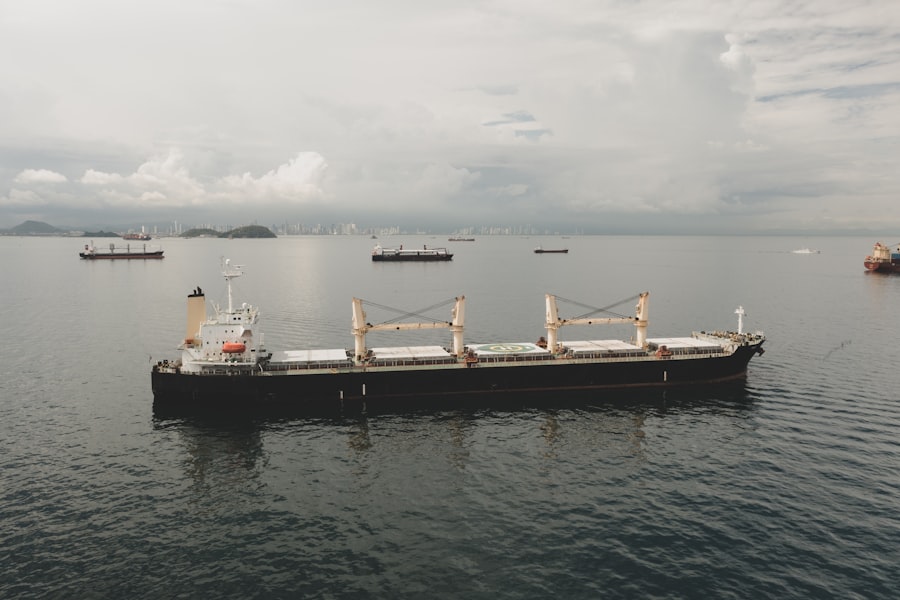
Recognizing the vulnerabilities inherent in relying so heavily on a single geographical choke point, the pharmaceutical industry, in conjunction with the Panama Canal Authority and other stakeholders, is actively pursuing strategies to build greater resilience into supply chains. These efforts are multifaceted, encompassing technological advancements, diversification of logistics, and collaborative approaches.
Diversification of Shipping Routes and Modes
One of the most fundamental strategies for enhancing resilience is diversification. This involves not relying solely on the Panama Canal for all pharmaceutical shipments between the Atlantic and Pacific. Rather, it entails a more strategic approach to route planning and the utilization of multiple transportation modes.
Leveraging Other Waterways and Land Bridges
When disruptions occur or are anticipated at the Panama Canal, pharmaceutical companies can explore alternative sea routes, such as transiting through the Strait of Malacca for East-West Asian trade, or the Suez Canal for Europe-Asia routes, though the latter faces its own set of vulnerabilities. Furthermore, the development of land bridges, particularly in North America where rail and road networks are extensive, can offer alternative pathways for moving goods across continents. While these alternatives may represent different trade-offs in terms of cost and time, their availability is crucial for maintaining supply chain continuity.
Embracing Air Cargo for Critical Shipments
For highly time-sensitive or high-value pharmaceutical products, air cargo remains a vital component of resilience. While more expensive than sea freight, air transport offers unparalleled speed and a greater degree of predictability, making it a crucial backup for critical medications. Pharmaceutical companies are increasingly investing in robust air cargo networks and partnerships to ensure that essential medicines can reach patients even when sea routes are compromised.
Technological Integration and Data-Driven Decision Making
The application of advanced technologies is transforming supply chain management, enabling greater visibility, predictability, and adaptability. For pharmaceutical supply chains, this translates into the ability to monitor shipments in real-time, predict potential disruptions, and make agile decisions.
Predictive Analytics for Proactive Risk Management
The use of predictive analytics, powered by artificial intelligence and machine learning, allows companies to forecast potential disruptions at the Panama Canal and other transit points. By analyzing historical data, weather patterns, and shipping traffic, these systems can identify potential bottlenecks and enable proactive rerouting or inventory adjustments before disruptions have a significant impact on the supply chain.
Blockchain for Enhanced Traceability and Transparency
Blockchain technology offers a secure and immutable ledger for tracking pharmaceutical products throughout their journey. This enhanced traceability is crucial for ensuring the authenticity of medicines, monitoring their condition (particularly temperature), and quickly identifying the source of any issues in the supply chain. For critical infrastructure like the Panama Canal, blockchain can also be used to ensure the integrity of transit data.
Collaboration and Information Sharing Among Stakeholders
Resilience in complex global supply chains is not achieved in isolation. It requires strong collaboration and open communication among all stakeholders, from manufacturers and logistics providers to canal authorities and regulatory bodies.
Public-Private Partnerships with the Panama Canal Authority
The Panama Canal Authority (ACP) recognizes the importance of its role in global supply chains and actively engages with the industries that rely upon it. Fostering robust public-private partnerships can lead to better communication regarding planned maintenance, potential restrictions, and investment in infrastructure upgrades. Such collaboration allows pharmaceutical companies to plan more effectively and to advocate for solutions that address their specific needs.
Industry-Wide Risk Assessment and Contingency Planning
Pharmaceutical companies, along with their logistics partners, are increasingly engaging in joint risk assessments and developing comprehensive contingency plans. This involves identifying critical dependencies, mapping out alternative scenarios, and establishing clear protocols for action in the event of a disruption at the Panama Canal or other key transit points. This shared understanding of risks and coordinated response is a cornerstone of collective resilience.
The Future of Pharmaceutical Logistics and the Panama Canal
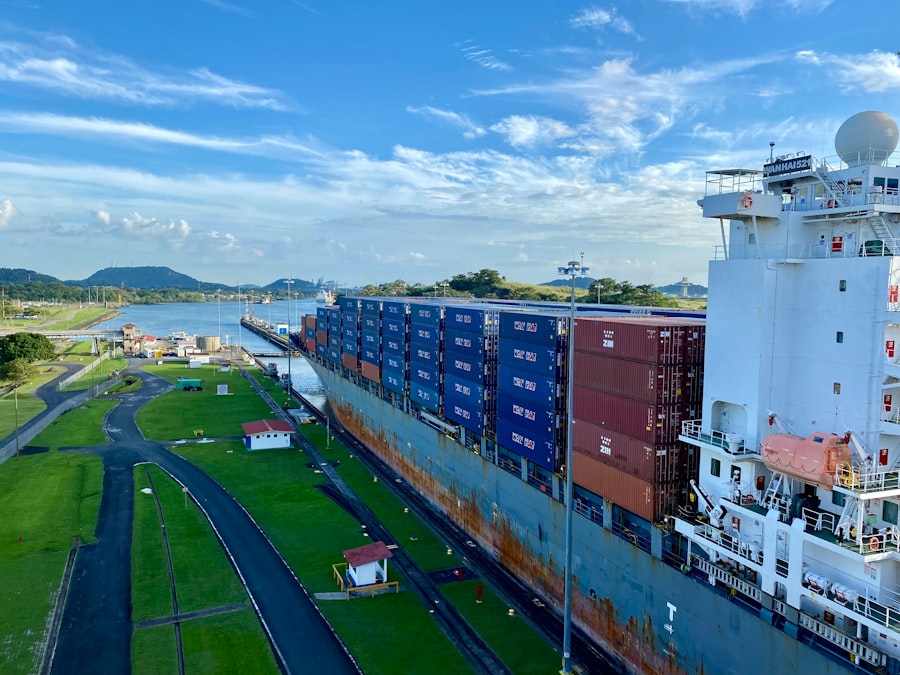
The role of the Panama Canal in pharmaceutical supply chains is likely to evolve as global trade patterns shift and the challenges of climate change become more pronounced. While its strategic importance remains, the industry must adapt to ensure that this vital artery continues to support the timely and reliable delivery of medicines.
Adapting to a Changing Climate
The enduring challenge of climate change and its impact on water availability for the Panama Canal necessitates long-term adaptation strategies. This includes investing in water conservation technologies, exploring alternative water sources, and potentially developing more drought-resistant operational methods for the canal. Simultaneously, the pharmaceutical industry must proactively build in greater flexibility to accommodate potential future restrictions.
Investment in Water Management Technologies
The Panama Canal Authority is already investing in technologies to improve water management, including recycling systems and basins to capture rainwater. Continued investment and innovation in these areas are crucial for ensuring the long-term viability of the canal as a reliable transit route. Pharmaceutical companies can also contribute by supporting research and development in related fields.
Exploring Novel Cargo Handling and Storage Solutions
As the industry adapts to potential transit limitations, there may be an increased focus on novel cargo handling and storage solutions that can extend the viability of pharmaceuticals during longer transit times. This could include advanced packaging materials, active temperature-controlled containers, and innovative warehousing strategies at strategic transit points.
The Evolving Landscape of Global Pharmaceutical Production
The global pharmaceutical manufacturing landscape is dynamic, with shifts in production locations and the rise of new advanced therapies. The Panama Canal’s role will be influenced by these evolving patterns, requiring continuous assessment and adaptation of logistics strategies.
The Reshoring and Nearshoring Trend
Recent global events have sparked a reconsideration of highly concentrated manufacturing hubs, leading to a trend towards reshoring and nearshoring of certain pharmaceutical production capabilities. This could potentially alter the volume and direction of pharmaceutical cargo transiting the Panama Canal, requiring an adjustment in logistics planning.
The Rise of Specialized Logistics for Advanced Therapies
The increasing development of complex and sensitive advanced therapies, such as cell and gene therapies, presents new logistical challenges. These highly specialized products often require even more stringent temperature control and faster transit times, further emphasizing the need for reliable and efficient transportation routes and contingency plans that include the Panama Canal.
Strengthening the “Last Mile” of Delivery
While the Panama Canal is a critical node in the global supply chain, its ultimate purpose is to ensure medicines reach patients. Therefore, efforts to build resilience must extend to the “last mile” of delivery, ensuring that disruptions at earlier stages do not prevent access to essential medicines at the local level.
Enhancing Regional Distribution Networks
Strengthening regional distribution networks within countries and across continents can create a buffer against disruptions at major transit points like the Panama Canal. This involves investing in localized warehousing, improving transportation infrastructure within regions, and leveraging digital platforms to manage inventory and distribution more effectively.
The Role of Technology in Last-Mile Optimization
Technologies such as drones, autonomous vehicles, and sophisticated route optimization software are increasingly being deployed to enhance the efficiency and resilience of last-mile pharmaceutical deliveries, particularly in challenging or remote areas. These innovations can help overcome local infrastructure limitations and ensure that medicines reach those who need them, irrespective of the challenges faced by global transit routes.
In conclusion, the Panama Canal stands as a vital artery in the complex circulatory system of global pharmaceutical supply chains. Its efficiency and strategic location are indispensable for the timely and cost-effective delivery of medicines worldwide. However, as this article has explored, the canal is not immune to vulnerabilities, ranging from environmental pressures like water scarcity exacerbated by climate change to operational and geopolitical risks. The pharmaceutical industry, by embracing diversification of routes and modes, leveraging technological advancements for predictive analytics and enhanced traceability, and fostering robust collaboration with stakeholders like the Panama Canal Authority, is actively working to build a more resilient future. The ongoing adaptation to climate change, the evolving landscape of global pharmaceutical production, and the critical optimization of the “last mile” of delivery will all shape the canal’s enduring significance. A proactive and multifaceted approach to resilience is not merely an option but an imperative to ensure that the life-saving medicines produced through global commerce reach every patient, every time.
FAQs
What is the significance of the Panama Canal in the pharmaceutical supply chain?
The Panama Canal serves as a critical maritime route that connects the Atlantic and Pacific Oceans, significantly reducing shipping times and costs. For the pharmaceutical supply chain, it enables faster and more efficient transportation of raw materials and finished products between manufacturing hubs and global markets, enhancing overall supply chain resilience.
How does the Panama Canal impact the resilience of pharmaceutical supply chains?
By providing a shorter and more reliable shipping route, the Panama Canal helps pharmaceutical companies mitigate risks associated with delays, disruptions, and increased transportation costs. This improved connectivity supports timely delivery of essential medicines and raw materials, which is crucial for maintaining continuous production and meeting global demand.
What challenges can affect the Panama Canal’s role in pharmaceutical supply chains?
Challenges include congestion, maintenance closures, and extreme weather events that can disrupt canal operations. Additionally, geopolitical tensions or changes in trade policies may impact shipping routes. Such disruptions can lead to delays and increased costs, affecting the timely distribution of pharmaceutical products.
How are pharmaceutical companies adapting their supply chains in relation to the Panama Canal?
Pharmaceutical companies are diversifying their logistics strategies by incorporating alternative routes, increasing inventory buffers, and investing in advanced supply chain technologies. These measures help reduce dependency on a single transit point like the Panama Canal and enhance overall supply chain flexibility and resilience.
What future developments could enhance the Panama Canal’s role in pharmaceutical supply chain resilience?
Ongoing expansions and technological upgrades to the Panama Canal aim to increase its capacity and efficiency. Additionally, digitalization efforts such as real-time tracking and improved coordination among stakeholders can further streamline operations. These advancements will support more reliable and agile pharmaceutical supply chains globally.