
Comparing Intermodal Rail Bridge Costs to Panama Canal Tolls
The global shipping industry is a vast and intricate network, where the efficient movement of goods across continents is paramount. Two prominent arteries in this network, the Panama Canal and the growing intermodal rail bridge system, serve as critical chokepoints for international trade. While both facilitate the transfer of cargo, their cost structures, operational models, and logistical implications offer a stark contrast. This article will delve into a comparative analysis of intermodal rail bridge costs and Panama Canal tolls, exploring the factors that influence their expenditure and the strategic considerations for shippers. Understanding these differences is akin to a navigator charting a course, deciding whether to rely on a well-trodden river or explore a newly engineered bypass.
We will examine the direct and indirect costs associated with each mode, the impact of evolving trade patterns, and the environmental considerations that increasingly weigh on logistical decisions. This exploration aims to provide a comprehensive overview for those involved in the complex world of international freight.
The Panama Canal, a marvel of early 20th-century engineering, has been a cornerstone of global maritime trade since its opening in 1914. Its existence dramatically reduced transit times and shipping costs for vessels traveling between the Atlantic and Pacific Oceans. The canal’s significance cannot be overstated; it effectively created a shortcut, a strategic artery that reshaped global trade routes, allowing for a more fluid exchange of goods between the East and West.
The Mechanics of Panama Canal Transit
The passage through the Panama Canal is a meticulously orchestrated process, involving a system of locks that lift and lower ships to overcome the elevation difference between the two oceans. This unique engineering feat, while effective, also dictates the canal’s capacity and the time required for transit. Ships are carefully guided through the locks by tugboats and canal personnel, ensuring a safe and controlled passage. The dimensions of the locks, particularly the expansion completed in 2016 with the Neopanamax locks, have significantly increased the capacity for larger vessels, yet the fundamental process of lockage remains a defining characteristic.
Panama Canal Toll Structures: A Multifaceted Calculation
The tolls levied by the Panama Canal Authority (ACP) are not a simple flat fee. They are a complex formula, designed to reflect the variety of vessels and cargo that traverse the waterway. This intricate pricing mechanism is a critical factor for shippers to comprehend when budgeting for their sea freight.
Factors Influencing Canal Tolls
The primary determinant of a Panama Canal toll is the vessel’s tonnage. However, this tonnage is not uniformly applied. The ACP utilizes several different measurement systems:
- Panama Canal Universal Measurement System (PC/UMS) Tonnage: This is the most common basis for calculating tolls. It represents the internal volume capacity of a vessel, where one PC/UMS ton is equivalent to 100 cubic feet of usable cargo space. This system is designed to provide a standardized measurement across diverse vessel types.
- Displacement Tonnage (for certain vessels): For some types of vessels, particularly warships and naval auxiliaries, tolls may be calculated based on their displacement tonnage, which is the weight of water the ship displaces. This reflects the physical size and weight of these specific vessels.
Beyond tonnage, several other elements contribute to the final toll calculation:
- Type of Vessel: Different vessel types, such as containerships, bulk carriers, tankers, cruise ships, and even yachts, have specific toll structures. For example, containerships are often subject to additional charges based on the number of containers carried, incentivizing higher utilization.
- Cargo Carried: While tonnage is primary, the ACP also factors in the cargo being transported. This can influence the vessel’s overall impact on the canal and, consequently, the toll.
- Specific Transit Dates and Times: In some instances, demand and scheduling can indirectly influence costs, though direct charges for specific time slots are less common than for other ports or services.
- Recent Toll Adjustments: The ACP periodically reviews and adjusts its toll structure to reflect operational costs, market conditions, and the value of the service provided. These adjustments are crucial for shippers to monitor, as they can significantly impact long-term shipping strategies.
The Economic Impact of Canal Tolls on Shippers
The tolls collected by the Panama Canal are a substantial operational expense for shipping companies. For a large Neopanamax containership, the toll can easily amount to hundreds of thousands of dollars per transit. This cost is then factored into the overall freight rates passed on to the end consumer. The canal represents a significant fixed cost that, like a toll booth on a highway, must be paid to access the shortcut. Over time, these recurring costs can accumulate, prompting businesses to seek alternative routes and transportation methods.
The discussion surrounding intermodal rail bridge costs in comparison to Panama Canal tolls is crucial for understanding the logistics and transportation industry. A related article that delves into these economic factors can be found at My Geo Quest, where it explores the financial implications of using rail infrastructure versus maritime routes. This analysis provides valuable insights into how these costs impact trade efficiency and supply chain management.
Intermodal Rail Bridges: A Developing Alternative
The concept of intermodal rail bridges, particularly those spanning continents, represents a more recent but increasingly significant development in global logistics. These routes, often referred to as “rail bridges” or “land bridges,” aim to connect major production and consumption centers by leveraging rail networks to bypass traditional maritime routes. The rise of these bridges is not a single event but rather a network effect, where the success of one route spurs the development of others.
Defining the Intermodal Rail Bridge Concept
An intermodal rail bridge is essentially a transportation corridor that combines different modes of transport, primarily ocean shipping and rail freight, to move goods across landmasses. The most prominent examples are the rail links between Asia and Europe that offer an alternative to the Suez Canal and the maritime routes around Africa. These bridges are not physical structures in the traditional sense of a bridge over water, but rather a coordinated logistical chain where goods are loaded onto ships, transported to a port, unloaded, transferred to railway cars, transported overland, and then potentially reloaded onto ships at a destination port.
The Evolution and Growth of Rail Bridge Networks
The development of intermodal rail bridges has been driven by several factors, including the desire for faster transit times, a response to port congestion, and geopolitical considerations. The Belt and Road Initiative (BRI) from China has played a significant role in fostering the development and expansion of these rail networks, connecting various regions across Eurasia. These initiatives have led to increased investment in rail infrastructure, allowing for more efficient and higher-volume freight movement.
Components of Rail Bridge Costs: Beyond the Freight Rate
The cost structure of an intermodal rail bridge is a mosaic of various components, unlike the more concentrated cost of a canal toll. Understanding these elements is crucial for a realistic cost comparison.
Direct Costs
Direct costs are the tangible expenditures incurred in moving goods via a rail bridge:
- Ocean Freight to Gateway Ports: The initial leg of the journey still involves ocean shipping to a designated gateway port, whether on the Pacific coast of Asia or the European coast. This incurs standard maritime freight charges.
- Port Handling and Terminal Fees: Upon arrival at the gateway port, goods are unloaded from ships and handled by port authorities and terminal operators. These fees cover services such as stevedoring, container handling, and storage.
- Rail Freight Charges: This is the core component of the “bridge” cost. Rail operators charge for the transportation of containers over land. This rate is influenced by distance, weight, volume, and the type of cargo. The development of dedicated freight trains and more efficient logistics management has contributed to competitive rail freight rates on key routes.
- Empty Container Repositioning Costs: A significant, often overlooked, cost is the return of empty containers. If the cargo flow is imbalanced, shipping lines incur costs to move empty containers back to their origin or to where they are needed. This cost is often factored into overall container shipping rates and can indirectly affect rail bridge costs.
- Customs Duties and Tariffs: Depending on the countries involved in the transit, customs duties and import/export tariffs will apply at various points along the route. These can be complex and vary significantly.
Indirect Costs
Indirect costs are less about a transactional fee and more about the broader implications of using a rail bridge:
- Transit Time and Inventory Carrying Costs: While rail bridges are generally faster than a full maritime route around continents, they are typically slower than direct transcontinental sea voyages or passage through canals like Panama. The longer transit time means capital is tied up in inventory for a longer period, leading to increased inventory carrying costs. This is a trade-off: faster than sailing around the globe, but slower than existing canal shortcuts.
- Risk and Insurance Premiums: The overland leg of a rail journey can expose cargo to different risks compared to sea freight. These might include theft, damage due to vibration or jolting, or delays caused by track maintenance or weather. Consequently, insurance premiums for rail-borne cargo might be higher.
- Inland Drayage Costs: At both the origin and destination points of the rail transit, containers need to be transported from warehouses to the rail terminal and from the rail terminal to the final destination. These “drayage” costs, using trucks, add to the overall logistical expense.
- Documentation and Administrative Costs: Managing a complex intermodal journey involving multiple modes of transport and potentially several countries necessitates more extensive documentation and administrative oversight, which translates to higher overhead.
Direct Cost Comparison: Canal Tolls vs. Rail Bridge Levies
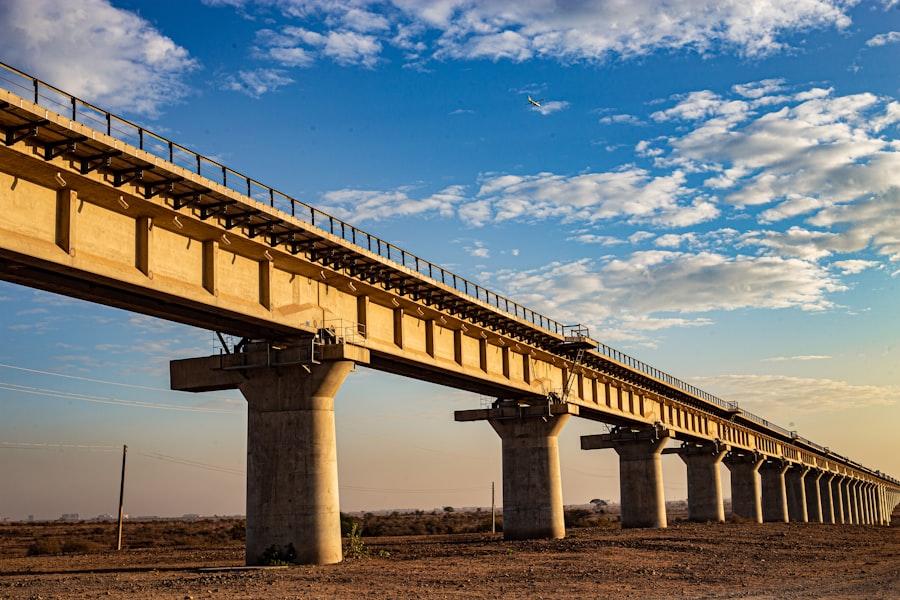
When directly comparing the immediate financial outlays, a clear divergence emerges. The Panama Canal toll is a singular, albeit substantial, payment for passage. In contrast, the cost of utilizing a rail bridge is a composite figure, an aggregation of numerous smaller, yet cumulatively significant, charges.
The Scale of Panama Canal Tolls
As previously established, the tolls for transiting the Panama Canal can be substantial. For a large container vessel, the fee can easily reach hundreds of thousands of dollars. This is a direct, itemized cost that appears prominently on a shipping manifest. This predictable, albeit high, cost acts as a fixed point in logistical planning.
The Aggregated Nature of Rail Bridge Expenses
The cost of a rail bridge, while potentially offering a faster alternative to some maritime routes, is not a single fee. Instead, it is the sum of its parts: the initial ocean freight, port handling fees, the rail freight itself (which is often priced per container, per mile), customs duties, and the final inland drayage. While the rail freight rate itself might appear competitive on a per-mile basis for a specific cargo, the accumulation of these various charges can lead to a total expenditure that rivals or even exceeds the Panama Canal toll for certain trade lanes.
Illustrative Scenario: A Container Journey
Consider a hypothetical scenario where a container is being shipped from Shanghai to New York.
- Via Panama Canal: The container would be shipped from Shanghai to a point in the Caribbean near the Panama Canal, transit the canal, and then continue its voyage to New York. The primary cost here would be the ocean freight to and from the canal, plus the substantial Panama Canal toll.
- Via a Rail Bridge (e.g., Trans-Siberian Railway or China-Europe Railway Express): The container would be shipped from Shanghai to a port in Northeast Asia (e.g., Vladivostok or a Chinese port), unloaded, loaded onto a train for transit across Eurasia, and then potentially loaded onto a ship at a European port for transshipment to New York, or directly transported to its final destination within Europe if that is the end of the line. This route involves multiple freight charges (ocean, rail, then potentially ocean again), port fees at both ends of the rail journey, customs clearance in multiple countries, and inland drayage at both the Asian and European terminals.
In this comparison, it is not always straightforward to declare one definitively more expensive. The specific trade lane, the size and type of vessel, the volume of cargo, and the prevailing market rates for both ocean and rail freight all play a crucial role.
Factors Influencing Cost Competitiveness: A Dynamic Equation
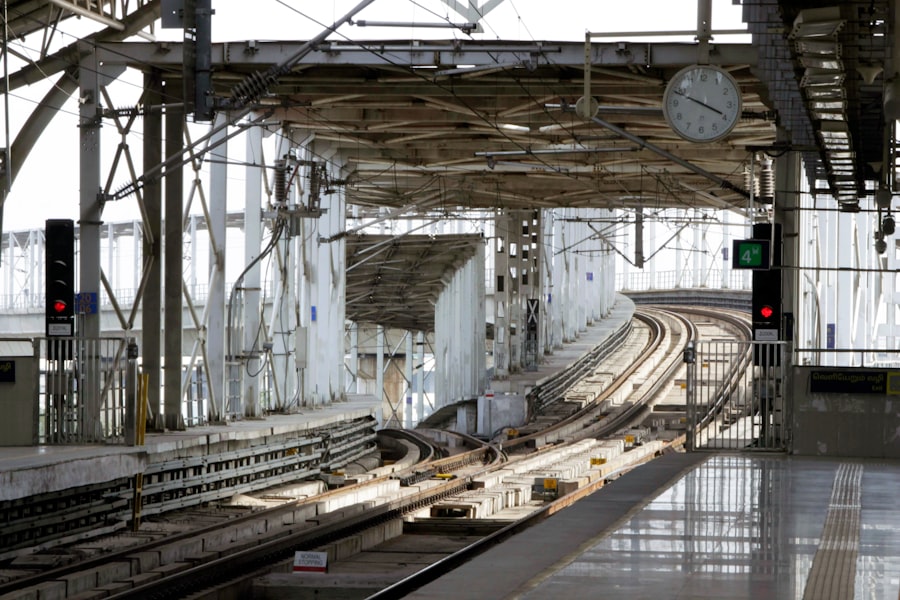
The cost-effectiveness of either the Panama Canal or an intermodal rail bridge is not static. It’s a dynamic equation influenced by a multitude of evolving factors. Shippers must constantly monitor these variables to make informed decisions.
Trade Volume and Container Utilization
The efficiency of both systems is heavily influenced by the volume of goods being transported and how effectively containers are utilized.
- Panama Canal: The Neopanamax expansion was a direct response to the increasing size of container ships and the demand for greater cargo capacity. Higher utilization of these larger vessels, meaning more containers per ship, helps to spread the Panama Canal toll over a larger volume of goods, thus reducing the per-container cost. Conversely, lower utilization can make the toll a more significant burden per unit.
- Intermodal Rail Bridges: Similarly, the economic viability of rail bridges is significantly enhanced by high container volumes. The fixed costs associated with maintaining and operating rail networks mean that running trains at or near full capacity is crucial for competitive pricing. The development of dedicated freight services and optimized route planning aims to maximize container utilization on these rail links.
Geopolitical and Economic Stability
Geopolitical landscapes and economic trends can dramatically impact the cost and feasibility of both transportation routes.
- Panama Canal: Stability in Panama and surrounding regions is crucial for the uninterrupted operation of the canal. Any disruptions, whether political or due to natural disasters, can lead to delays and increased costs due to rerouting. Furthermore, global economic growth or contraction directly impacts the volume of goods transiting the canal.
- Intermodal Rail Bridges: Rail bridges, especially those traversing multiple countries, are inherently susceptible to geopolitical tensions. Trade disputes, border closures, or changes in bilateral relations between transit countries can create uncertainty and increase costs. For example, the China-Europe rail freight network is sensitive to the economic and political relationships between China, Russia, and European Union member states.
Infrastructure Development and Technological Advancements
Continuous investment in infrastructure and the adoption of new technologies play a pivotal role in optimizing the cost and efficiency of both systems.
- Panama Canal: Ongoing maintenance, dredging, and potential future expansions of the canal are essential to accommodate the growing size of vessels and to maintain its operational efficiency. Technological advancements in vessel traffic management and lock operations contribute to smoother and faster transits.
- Intermodal Rail Bridges: The expansion and modernization of railway networks, including the development of high-speed rail for freight, improved signaling systems, and streamlined customs procedures at border crossings, are crucial for enhancing the competitiveness of rail bridges. Advances in intermodal transfer technologies at ports and rail yards also contribute to quicker turnaround times.
Fuel Costs and Environmental Regulations
Energy prices and the ever-increasing focus on environmental sustainability are becoming increasingly significant cost drivers.
- Panama Canal: While the canal does not directly charge for fuel, the cost of bunker fuel is a major component of ocean shipping rates that use the canal. Fluctuations in global oil prices will therefore impact the overall cost of maritime transport utilizing the canal. The canal itself is also investing in more energy-efficient operations.
- Intermodal Rail Bridges: Rail transport is generally considered more fuel-efficient per ton-mile compared to trucking and often sea freight, especially for long distances. However, the combined impact of ocean transit at both ends of the rail leg still means fuel costs are a significant factor. Stricter environmental regulations regarding emissions from ships and trains could also lead to increased operational costs for both modes, though the relative advantage of rail in terms of emissions per ton-mile may persist or even grow.
The ongoing debate about intermodal rail bridge costs compared to Panama Canal tolls highlights the complexities of modern transportation infrastructure. As logistics companies evaluate their options for moving goods efficiently, understanding the financial implications of these two modes becomes crucial. For a deeper insight into this topic, you can explore a related article that discusses the economic factors influencing these transportation choices. This resource provides valuable information that can help stakeholders make informed decisions about their shipping strategies. To read more, visit this article.
Strategic Implications and Future Outlook
| Metric | Intermodal Rail Bridge | Panama Canal Tolls |
|---|---|---|
| Average Cost per Container | 150 – 300 | 300 – 500 |
| Transit Time (hours) | 12 – 24 | 8 – 12 |
| Capacity (TEUs per day) | 10,000 – 20,000 | 35,000 – 40,000 |
| Infrastructure Investment (billion) | 5 – 10 | 5 – 6 |
| Environmental Impact | Moderate | High |
| Flexibility (Route Options) | High | Low |
| Maintenance Costs (annual, million) | 50 – 70 | 100 – 120 |
The ongoing interplay between the Panama Canal and the burgeoning intermodal rail bridge networks presents strategic challenges and opportunities for global trade. Understanding these dynamics is crucial for businesses to optimize their supply chains.
The Panama Canal’s Enduring Importance
Despite the rise of alternative routes, the Panama Canal is likely to remain a vital artery for global trade. Its strategic location, established infrastructure, and capacity for large vessels ensure its continued relevance for many trade lanes, particularly those connecting North America’s West Coast with its East Coast, and the Americas with Asia. The canal’s value proposition is its ability to offer a direct and relatively swift passage between two major oceans for a vast range of cargo.
The Growing Role of Rail Bridges as Complementary Routes
Intermodal rail bridges are not necessarily positioned as direct replacements for the Panama Canal but rather as complementary routes that offer distinct advantages for specific trade lanes and cargo types. They excel in providing an alternative when speed is a paramount concern, and port congestion at maritime hubs becomes a significant bottleneck. Moreover, they offer a pathway for goods between regions that are not directly served by major maritime routes, fostering new trade corridors.
Choosing the Optimal Route: A Case-by-Case Analysis
The decision of whether to utilize the Panama Canal or an intermodal rail bridge is not a one-size-fits-all answer. It necessitates a thorough case-by-case analysis, considering:
- Origin and Destination of Goods: The geographical proximity of the origin and destination to the respective transit points is a primary factor.
- Urgency of Delivery: For time-sensitive cargo, the faster transit times offered by certain rail bridges might outweigh higher costs.
- Cargo Type and Value: The nature of the goods being transported can influence risk assessment and insurance costs. High-value cargo might benefit from the perceived security of certain land routes, while bulk commodities might be more cost-sensitive to the efficiencies of maritime transport.
- Overall Price Sensitivity: Businesses with a higher tolerance for shipping costs may opt for faster routes, while cost-conscious entities will weigh every dollar.
- Supply Chain Resilience: Diversifying transportation options can enhance supply chain resilience, allowing businesses to pivot to alternative routes in the event of disruptions to one.
The Future Landscape: Integration and Innovation
The future of global logistics will likely see greater integration between maritime and rail networks. Innovations in intermodal transfer technologies, digital platforms for tracking and managing shipments across multiple modes, and further development of dedicated freight corridors will continue to shape the landscape. The Panama Canal and intermodal rail bridges will likely evolve in tandem, each playing a crucial role in the interconnected global economy. The constant pursuit of efficiency and cost-effectiveness will drive further innovation in both established and emerging transportation solutions.
FAQs
What are the primary cost factors involved in building an intermodal rail bridge?
The main cost factors include materials (steel, concrete), labor, engineering and design, land acquisition, environmental impact assessments, and ongoing maintenance expenses. Additional costs may arise from regulatory compliance and potential delays during construction.
How do Panama Canal tolls impact global shipping expenses?
Panama Canal tolls are fees charged to vessels for transiting the canal, which can significantly affect shipping costs. These tolls vary based on vessel size, type, and cargo, influencing the overall cost-efficiency of shipping routes that utilize the canal.
How does the cost of an intermodal rail bridge compare to Panama Canal tolls over time?
While the initial investment for an intermodal rail bridge is substantial, it can offer long-term savings by reducing reliance on toll-based maritime routes like the Panama Canal. Over time, the fixed costs of the bridge may be offset by avoiding recurring toll fees, especially for high volumes of cargo.
What are the advantages of using an intermodal rail bridge instead of shipping through the Panama Canal?
An intermodal rail bridge can provide faster transit times, reduce dependency on maritime routes subject to tolls and congestion, and offer more direct land-based connections. It also diversifies transportation options and can enhance supply chain resilience.
Are there environmental considerations when comparing intermodal rail bridges and Panama Canal shipping routes?
Yes, environmental impacts differ between the two. Rail bridges may reduce emissions by enabling more efficient land transport, while shipping through the Panama Canal involves fuel consumption and potential ecological risks to marine environments. Both options require environmental assessments to mitigate negative effects.