
The United States, a global economic power, relies heavily on the uninterrupted flow of goods and resources across the world’s oceans. This intricate network of maritime trade is not merely a passive conduit for commerce but a critical artery that sustains national prosperity and security. However, this vital system is vulnerable to disruption at specific geographical locations known as shipping chokepoints. These narrow passages, through which a significant portion of global maritime traffic must transit, represent potential pressure points that adversaries could exploit to inflict economic damage, cripple supply chains, and ultimately, undermine U.S. national security. Understanding and safeguarding these chokepoints is therefore an imperative for American policymakers, military strategists, and economic planners.
Shipping chokepoints are natural or man-made maritime passages where the width of the waterway is severely restricted, forcing vessels to slow down and concentrate their movements. This concentration makes them inherently susceptible to interdiction, blockade, or attack. They are not abstract concepts but physical locations on the globe, each with its own unique geopolitical and strategic significance. Their importance stems from the sheer volume of trade that passes through them. A disruption at a major chokepoint can have cascading effects, reverberating far beyond the immediate vicinity, impacting industries, consumer prices, and even the availability of essential goods within the United States.
Definition and Characteristics
At their core, shipping chokepoints are defined by their narrowness and the substantial proportion of global maritime trade they handle. Think of them as the bottlenecks in the global vascular system. If the flow of blood is impeded in a critical artery, the entire body suffers. Similarly, if the flow of cargo through a vital strait is interrupted, the global economy, and by extension, U.S. national security, experiences a severe shock. These passages are often characterized by their strategic locations, connecting major bodies of water that serve as highways for international shipping. Factors such as currents, prevailing weather patterns, and territorial control by littoral states also play a role in their operational dynamics and vulnerability.
Historical Significance
Throughout history, control of strategic waterways has been a cornerstone of imperial power and military dominance. Empires have risen and fallen based on their ability to secure and leverage key maritime passages. From the ancient control of the Bosporus and Dardanelles by the Ottoman Empire to the British Empire’s reliance on the Suez Canal and Strait of Malacca, the ability to navigate and dominate these points has translated directly into economic and military advantages. The United States, as a modern global power, inherits this historical imperative, recognizing that the unhindered flow of commerce through these chokepoints underpins its influence and security.
Economic and Strategic Importance
The economic implications of shipping chokepoints are immense. A significant percentage of global oil, manufactured goods, and raw materials transit through these narrow confines. For the United States, this translates to the import of countless consumer products, the export of American-made goods, and the secure supply of energy resources. Strategically, control or influence over these chokepoints provides leverage in international relations and offers a crucial advantage in projecting military power. Disruptions can lead to soaring energy prices, shortages of critical components for manufacturing, and a general destabilization of global markets, all of which can directly impact the U.S. economy and its ability to respond to global challenges.
In recent discussions surrounding US national security, the strategic importance of global shipping chokepoints has come to the forefront. A related article that delves into this topic is available at MyGeoQuest, where it explores how these critical maritime routes can impact trade, military logistics, and geopolitical stability. Understanding the vulnerabilities associated with these chokepoints is essential for formulating effective national security strategies.
Key Global Shipping Chokepoints
The world is dotted with several critical maritime chokepoints, each with its own implications for global trade and U.S. security. Their geographical dispersion means that a threat to one does not necessarily incapacitate the entire system, but a coordinated or simultaneous threat could be devastating. For the United States, monitoring and understanding the dynamics of these locations is a constant strategic endeavor.
The Strait of Hormuz
The Strait of Hormuz, a narrow waterway separating the Persian Gulf from the Gulf of Oman, is arguably one of the most crucial chokepoints globally. This vital artery is the primary transit route for oil exports from Saudi Arabia, Iran, the United Arab Emirates, Kuwait, and Iraq. A significant portion of global oil, particularly that destined for Asian markets and impacting global supply, passes through this strait.
Oil Flow and Global Energy Markets
The sheer volume of crude oil transiting the Strait of Hormuz makes it a linchpin of the global energy market. Any disruption, whether due to political instability, military conflict, or deliberate blockade, can send shockwaves through oil prices worldwide. For the United States, which still relies on imported oil and plays a significant role in global energy security, the stability of this strait is of paramount importance. A closure or severe disruption could lead to immediate economic strain, impacting transportation costs, manufacturing, and consumer prices across the U.S.
Geopolitical Vulnerabilities and Regional Actors
The Strait of Hormuz lies at the crossroads of complex regional politics. Iran, with its strategic positioning and historical assertiveness, holds a significant degree of influence. The potential for Iran to attempt to disrupt shipping as a political or military tactic is a persistent concern. The presence of U.S. naval forces in the region is a testament to the strategic importance of maintaining freedom of navigation and ensuring the unimpeded flow of oil. The dynamics between Iran and its regional rivals, as well as broader international relations, constantly shape the security environment around this chokepoint.
The Suez Canal
The Suez Canal, an artificial sea-level waterway in Egypt, connects the Mediterranean Sea to the Red Sea, providing a vital maritime shortcut between Europe and Asia. It bypasses the perilous journey around the southern tip of Africa, dramatically reducing transit times and costs for a vast array of goods. The canal’s strategic importance was highlighted in dramatic fashion by the Ever Given incident in 2021, which brought global shipping to a standstill for days, demonstrating the fragility of this seemingly robust passage.
Trade Routes and Economic Volumes
The Suez Canal serves as a critical conduit for trade between Europe and Asia, facilitating the movement of manufactured goods, energy, and raw materials. A vast percentage of global container traffic traverses its waters. For the United States, this canal is crucial for the import and export of goods to and from the European continent and the Far East. Its disruption affects the timely delivery of everything from electronics and automobiles to food products and textiles.
Security and Operational Challenges
The security of the Suez Canal relies on the stability of Egypt and proactive measures to prevent sabotage or interference. The canal is a tempting target for extremist groups or politically motivated actors seeking to disrupt global trade and exert pressure. Beyond physical security, operational challenges such as managing vessel traffic, maintaining depth, and dealing with occasional blockages, as seen with the Ever Given, also pose risks to the sustained flow of traffic.
The Strait of Malacca
The Strait of Malacca, a long and narrow waterway between the Malay Peninsula and the Indonesian island of Sumatra, is one of the busiest shipping lanes in the world. It is a vital link between the Indian Ocean and the Pacific Ocean, connecting major economies in East Asia with the Middle East and Europe. A staggering amount of the world’s trade, including a significant portion of seaborne oil, passes through this strait.
East Asian Trade and Energy Security
The economic dynamism of East Asia, including China, Japan, and South Korea, relies heavily on the Strait of Malacca for the import of energy resources and the export of manufactured goods. For the United States, the economic health of these key trading partners is intrinsically linked to its own economic well-being. Furthermore, disruptions to energy supplies transiting this strait can have repercussions for global energy markets, ultimately impacting U.S. energy security.
Piracy and Maritime Security Concerns
Historically, the Strait of Malacca has been plagued by piracy, a persistent threat to the safety of vessels and their cargoes. While international efforts have led to a reduction in incidents, the risk remains a significant concern for shipping companies and navies operating in the region. The presence of multiple littoral states with varying degrees of maritime control adds complexity to coordinated security efforts against piracy and other potential threats.
The Panama Canal
The Panama Canal, another vital man-made waterway, connects the Atlantic Ocean with the Pacific Ocean, providing a crucial shortcut for maritime trade between the East and West coasts of the Americas, as well as between Europe and Asia. Its expansion, completed in 2016, significantly increased its capacity, allowing larger vessels to transit. However, the canal’s reliance on freshwater for its lock system presents unique vulnerabilities.
Trans-Pacific and Trans-Atlantic Trade
The Panama Canal is a cornerstone for trade between the United States and its East Asian trading partners, as well as between its East Coast and West Coast ports. The ability to move goods efficiently through this canal directly impacts the competitiveness of American businesses and the cost of consumer goods. A disruption would force longer, more expensive routes around South America, significantly impacting supply chains.
Water Scarcity and Infrastructure Challenges
A primary vulnerability of the Panama Canal is its dependence on rainfall for its freshwater reserves, which are essential for operating the lock system. Periods of drought can lead to restrictions on the size and number of vessels that can transit, causing delays and economic losses. Managing water resources effectively is a continuous challenge, and climate change scenarios only amplify this concern. Furthermore, the aging infrastructure, despite expansions, requires ongoing maintenance and modernization to ensure its operational integrity.
The Strait of Gibraltar
The Strait of Gibraltar, a narrow waterway connecting the Atlantic Ocean to the Mediterranean Sea, is a critical passage for shipping between Europe and North Africa, as well as for vessels transiting to and from the Suez Canal. While it may not handle the same volume of oil as Hormuz or the sheer tonnage of Malacca, its strategic location makes it a significant chokepoint for regional maritime security and economic activity.
Mediterranean Trade and European Connectivity
The Strait of Gibraltar is a vital artery for trade into and out of the Mediterranean basin, including significant volumes of goods destined for or originating from Southern Europe, North Africa, and the Middle East. For the United States, its importance lies in maintaining open access to its European allies and facilitating trade with North African nations. Any disruption here could impact the flow of goods, military movements, and economic interactions within this crucial region.
Strategic Importance and Border Security
The Strait of Gibraltar is strategically important not only for maritime trade but also for naval operations and border security. The presence of Spain and Morocco on either side of the strait presents a unique geopolitical dynamic. The potential for irregular migration flows and other security challenges in the region underscores the complex nature of securing this vital passage.
U.S. National Security Implications
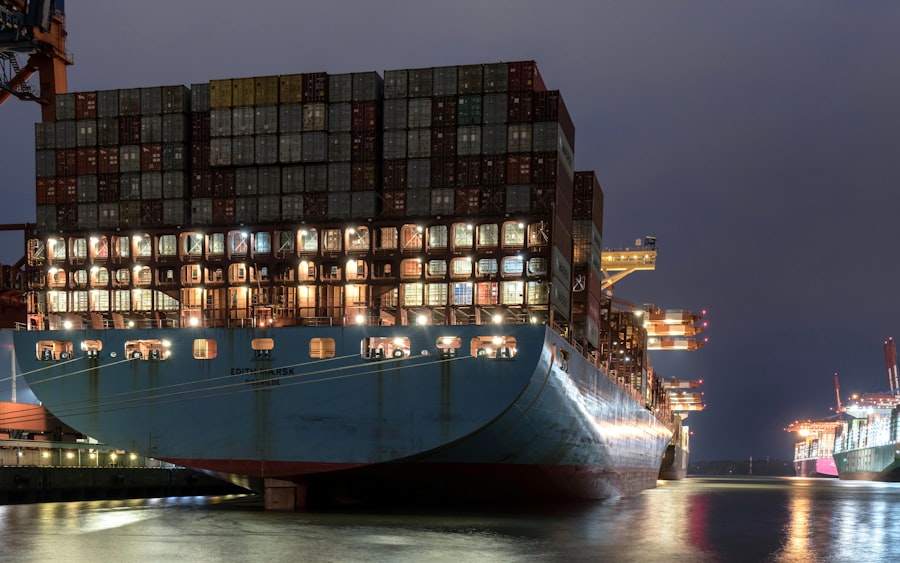
The security of these shipping chokepoints is not just an economic concern; it is a direct imperative for U.S. national security. A disruption at any of these critical junctures can have far-reaching consequences, impacting military readiness, global stability, and the economic foundation upon which American power rests.
Economic Warfare and Supply Chain Disruption
Adversaries seeking to undermine the United States could target shipping chokepoints as a form of economic warfare. By disrupting the flow of goods, they aim to inflict economic pain, destabilize markets, and sow internal discord. The intricate global supply chains that the U.S. economy relies upon are highly susceptible to such disruptions. A sustained blockade or attack on a major chokepoint could lead to manufacturing slowdowns, shortages of essential goods, and a significant impact on consumer confidence and national morale. This is akin to a surgeon’s scalpel precisely severing a major blood vessel, leading to systemic shock.
Military Projection and Global Reach
The ability of the U.S. military to project power and maintain its global presence relies on the unimpeded movement of naval vessels and logistical support through international waters. Shipping chokepoints are critical nodes in this network. If these passages become contested or blocked, the U.S. ability to respond to crises, support allies, and maintain a forward military presence is significantly degraded. This directly impacts its capacity to deter aggression and safeguard its interests worldwide.
Resource Dependency and Strategic Vulnerability
The United States, while a major producer, remains dependent on global markets for certain critical resources, particularly energy. The secure transit of oil and gas through chokepoints like Hormuz is essential for maintaining stable energy prices and ensuring national energy security. Disruptions could lead to price spikes, energy shortages, and a strategic vulnerability that adversaries could exploit. This dependency highlights the interconnectedness of global trade and national security.
U.S. Strategies for Protection
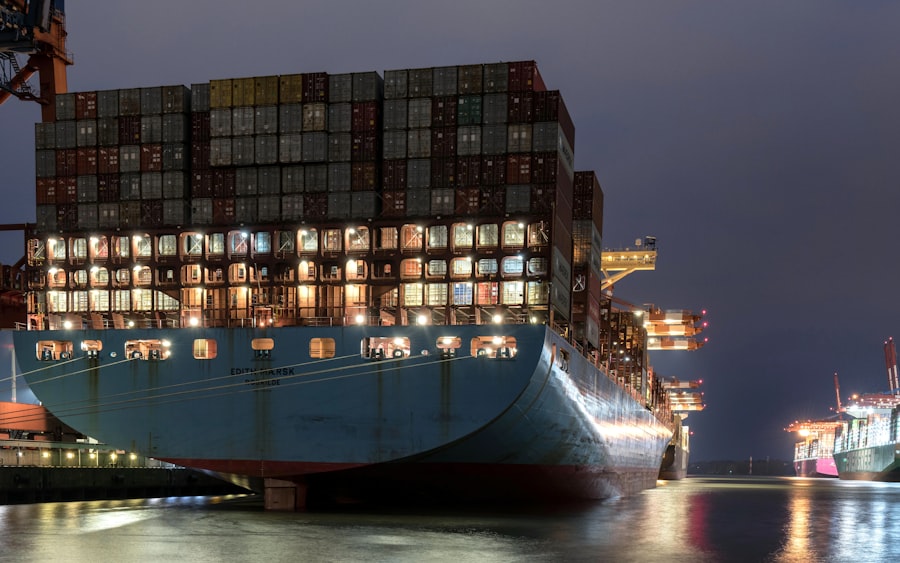
Recognizing the profound implications, the United States employs a multi-faceted approach to protect these vital shipping chokepoints. This involves a combination of diplomatic engagement, military presence, intelligence gathering, and international cooperation.
Naval Presence and Freedom of Navigation Operations
A cornerstone of U.S. strategy is maintaining a robust naval presence in and around key chokepoints. This presence serves as a deterrent to potential adversaries and ensures the continued application of the principle of freedom of navigation. U.S. naval vessels regularly conduct operations designed to assert the right of passage, underscoring their commitment to keeping these vital waterways open for all. This is akin to a vigilant guardian patrolling the perimeter, deterring any would-be intruder.
Intelligence Gathering and Surveillance
Effective protection of chokepoints necessitates comprehensive intelligence gathering and surveillance. Understanding the intentions and capabilities of potential adversaries, monitoring maritime traffic, and detecting anomalies are critical for early warning and proactive intervention. This involves the use of advanced technologies, human intelligence, and collaboration with allied nations to create a layered defense against emerging threats.
Diplomatic Engagement and International Cooperation
The United States actively engages in diplomatic efforts to foster stability and cooperation in regions surrounding critical chokepoints. This includes working with littoral states to enhance maritime security, participating in joint exercises, and supporting international frameworks that promote safe and secure navigation. Building strong partnerships is crucial, as no single nation can effectively safeguard these global arteries alone.
Cybersecurity and Infrastructure Resilience
In today’s interconnected world, the security of shipping chokepoints extends to the digital realm. Protecting critical maritime infrastructure, including navigation systems, communication networks, and port facilities, from cyber threats is paramount. Ensuring the resilience of these systems against cyberattacks is a growing imperative for maintaining the uninterrupted flow of global trade.
In recent discussions surrounding US national security, the strategic importance of shipping chokepoints has gained significant attention, particularly in light of rising geopolitical tensions. A related article explores how these narrow passages, such as the Strait of Hormuz and the Panama Canal, play a crucial role in global trade and military logistics. Understanding the implications of these chokepoints is essential for formulating effective security policies. For more insights on this topic, you can read the full article here.
Future Challenges and Considerations
| Shipping Chokepoint | Location | Annual Global Trade Volume (%) | US National Security Concerns | Strategic Importance |
|---|---|---|---|---|
| Strait of Hormuz | Between Persian Gulf and Gulf of Oman | 20% | Potential for disruption by regional conflicts; critical for oil supply security | Vital for energy imports and global oil market stability |
| Panama Canal | Panama | 5% | Vulnerability to cyberattacks and physical sabotage; key for US naval mobility | Connects Atlantic and Pacific Oceans, crucial for military and commercial shipping |
| Strait of Malacca | Between Malaysia and Indonesia | 16% | Risk of piracy and regional instability affecting supply chains | Major route for US trade with Asia and energy imports |
| Bab el-Mandeb | Between Red Sea and Gulf of Aden | 4% | Threats from terrorism and regional conflicts; chokepoint for Middle East trade | Critical for access to Suez Canal and European markets |
| Strait of Gibraltar | Between Spain and Morocco | 3% | Potential for geopolitical tensions impacting naval access | Gateway between Atlantic Ocean and Mediterranean Sea |
The landscape of global security is constantly evolving, and the challenges to protecting shipping chokepoints will continue to adapt. Emerging threats and changing geopolitical dynamics require ongoing vigilance and strategic adaptation.
Proliferation of Advanced Technologies
The increasing sophistication of technologies, including unmanned aerial vehicles (UAVs), advanced anti-ship missiles, and cyber warfare capabilities, presents new challenges to maintaining the security of maritime chokepoints. Adversaries can leverage these technologies to pose a more asymmetric and potentially devastating threat.
Climate Change and Resource Competition
The impacts of climate change, such as rising sea levels and altered weather patterns, can affect the navigability and infrastructure of certain chokepoints, particularly artificial canals. Furthermore, growing global demand for resources could intensify competition and potential conflict in strategically important maritime regions.
The Role of Emerging Powers
The rise of new global powers and shifting geopolitical alliances introduce new dynamics to the security calculus of shipping chokepoints. Understanding the interests and intentions of these emerging actors is crucial for anticipating future challenges and maintaining a stable international maritime order.
In conclusion, the protection of U.S. national security is inextricably linked to the unimpeded flow of maritime trade through global shipping chokepoints. These narrow passages, like the arteries of a vital organism, are essential for the health of the U.S. economy and its ability to project influence and security on the world stage. As the geopolitical landscape continues to transform, a comprehensive, adaptable, and collaborative approach to safeguarding these crucial conduits will remain a paramount priority for the United States. The vigilance required will be constant, for the seas, while vast, are also punctuated by vulnerable points that demand unwavering attention.
FAQs
What are shipping chokepoints and why are they important to US national security?
Shipping chokepoints are narrow passages along widely used global sea routes that are critical for international trade and energy supplies. They are important to US national security because disruptions at these points can significantly impact the global economy, energy security, and military logistics.
Which are the major global shipping chokepoints relevant to US national security?
Key shipping chokepoints include the Strait of Hormuz, the Strait of Malacca, the Suez Canal, the Panama Canal, and the Bab el-Mandeb Strait. These chokepoints are vital for the transportation of oil, goods, and military assets, making their security a priority for the US.
How does the US monitor and protect these shipping chokepoints?
The US employs a combination of naval presence, intelligence gathering, international partnerships, and diplomatic efforts to monitor and secure shipping chokepoints. The US Navy regularly conducts patrols and freedom of navigation operations to ensure open and safe passage.
What are the potential threats to shipping chokepoints that concern US national security?
Potential threats include piracy, terrorism, military conflicts, geopolitical tensions, and physical blockades. These threats can disrupt maritime traffic, leading to economic losses and challenges to US strategic interests.
How does the security of shipping chokepoints affect global energy supplies?
Many shipping chokepoints are critical transit routes for oil and natural gas shipments. Any disruption can lead to supply shortages, increased energy prices, and instability in global energy markets, directly impacting US energy security and economic stability.