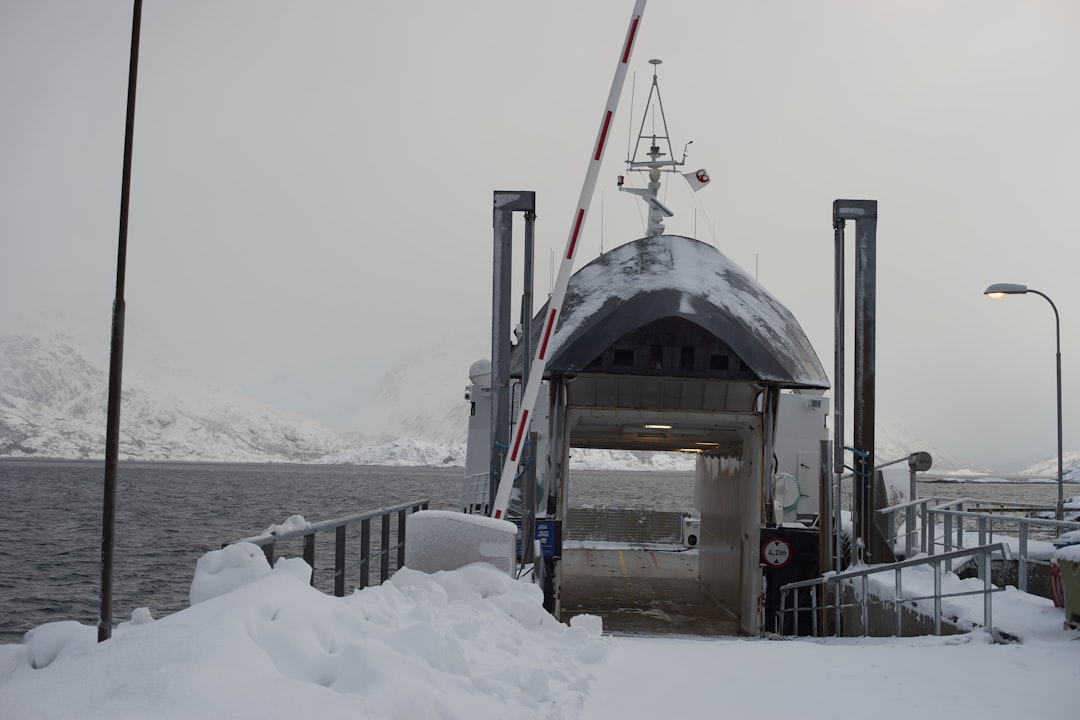
The Arctic region, long a formidable barrier to human endeavor, is increasingly being considered as a critical conduit for global communication infrastructure. As data traffic continues its relentless ascent, the allure of shorter, lower-latency submarine cable routes across the Arctic Ocean has grown significantly. This article delves into the complexities, challenges, and opportunities presented by an endeavor to navigate this frozen frontier for the purpose of laying fiber optic cables, offering a factual exploration of the topic.
The Arctic Ocean, often perceived as a remote and desolate expanse, holds the promise of revolutionizing global data transmission. Its geographical position offers a considerably shorter pathway between major economic hubs in Asia, Europe, and North America compared to existing routes that traverse the Atlantic or Pacific via more southerly latitudes.
Geographical Advantage and Latency Reduction
The most compelling argument for Arctic submarine cables lies in the principle of geodesic distance. A direct route across the top of the world significantly reduces the physical length of the fiber optic cable, which, in turn, directly translates to lower latency. For industries heavily reliant on near-instantaneous data transfer – such as high-frequency trading, cloud computing, and real-time gaming – even marginal reductions in latency can confer significant competitive advantages. Imagine the digital highways of the world as a network of roads; the Arctic route presents a potential shortcut, bypassing congested or circuitous paths.
Traffic Growth and Capacity Demands
The insatiable demand for bandwidth shows no signs of abating. Global internet traffic continues to grow exponentially, driven by the proliferation of streaming services, data-intensive applications, and the burgeoning Internet of Things (IoT). Existing submarine cable networks, while robust, are facing increasing pressure to meet these escalating demands. The Arctic, therefore, represents not just a novel route but a potential avenue for increasing the overall capacity and resilience of the global internet infrastructure.
The exploration of submarine cable routes in the Arctic has garnered significant attention due to the region’s changing climate and its potential for new shipping lanes. A related article that delves into the implications of these developments can be found at My Geo Quest. This piece discusses the strategic importance of Arctic submarine cables and how they could reshape global connectivity in the coming years.
Historical Context and Early Explorations
While the concept of Arctic submarine cables might seem like a contemporary innovation, the idea has roots in earlier aspirations for polar connectivity. The historical narrative provides valuable insights into the persistent human ambition to conquer geographical barriers for communication.
Early Telegraphic Ambitions
The 19th century witnessed ambitious proposals for telegraphic cables across the Arctic. Visionaries of the era, grappling with the limitations of existing communication technologies, recognized the potential of a polar route to connect distant empires and facilitate global commerce. However, the technological limitations of the time, coupled with the immense environmental challenges, rendered these early schemes impractical. These were the nascent dreams of a connected world, whispers of ambition against the vast, icy backdrop.
Modern Feasibility Studies and Project Proposals
The advent of fiber optic technology and advancements in ice-strengthened vessels and subsea installation techniques have breathed new life into Arctic cable projects. Numerous feasibility studies have been conducted by consortia of telecommunications companies, governments, and research institutions. Projects such as the “Arctic Fibre,” “Polar Gateway,” and “Trans-Arctic Cable System (TACS)” have been proposed, each aiming to connect continents via this challenging environment. These proposals represent a significant leap from the telegraphic ambitions of yesteryear, leveraging advanced engineering and a deeper understanding of the Arctic environment.
The Unforgiving Environment: Challenges of Arctic Cable Laying
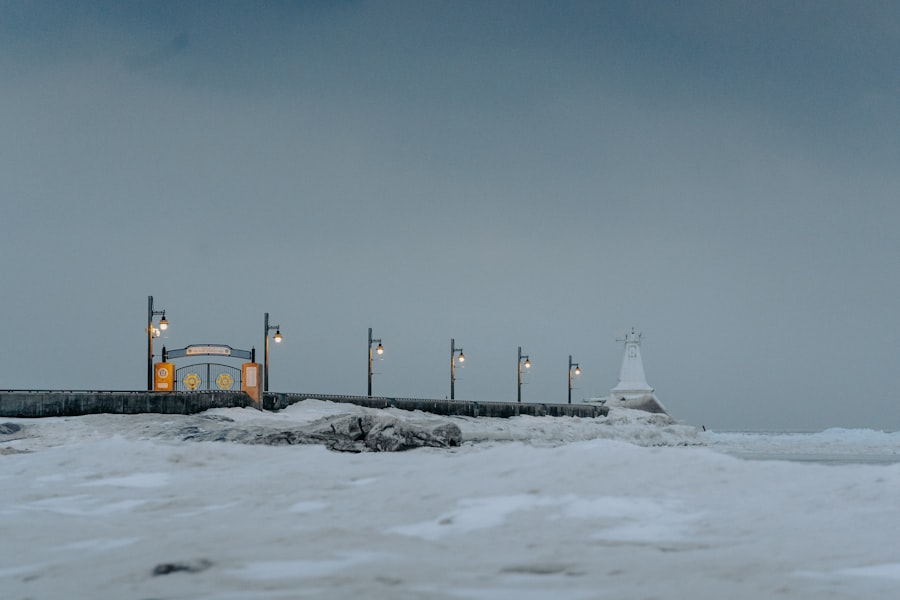
The Arctic is not merely a colder version of other oceans; it is a unique and dynamic environment that presents a formidable array of challenges for infrastructure development. Laying and maintaining fiber optic cables in this region requires overcoming extreme conditions that are largely absent in temperate waters.
Ice Conditions: A Dynamic and Destructive Force
The primary adversary in Arctic cable deployment is ice. Sea ice, in its various forms – from multi-year ice floes to powerful ice ridges – poses a constant threat. The movement of ice can exert immense pressure on cables, leading to abrasion, crushing, or even shearing.
First-Year and Multi-Year Ice
First-year ice, which forms annually, is relatively thin but can still damage cables, especially if driven by currents or winds. Multi-year ice, which persists for several years, is significantly thicker and stronger, presenting a much greater threat. Imagine geological forces in slow motion, grinding against anything in their path.
Ice Scouring and Keels
Icebergs and large ice floes often have deep underwater keels that can scour the seabed, displacing or damaging cables laid on or near the surface. Predicting and mitigating the effects of ice scour is a critical aspect of route planning and engineering. This scouring action is akin to an enormous, slow-moving plow, capable of carving deep furrows in the seafloor.
Ice Movement and Pressure Ridges
The dynamic nature of Arctic sea ice, driven by winds and ocean currents, means that cables are constantly subjected to movement and pressure. Ice ridges, formed by the collision of ice floes, can exert enormous forces on the seabed, potentially crushing unprotected cables.
Extreme Weather and Remote Logistics
Beyond ice, the Arctic presents a suite of other environmental challenges. The region experiences extreme cold, powerful storms, and prolonged periods of darkness.
Low Temperatures and Equipment Performance
The incredibly low temperatures can affect the performance and durability of electronic components and materials used in cable construction and installation equipment. Special considerations must be made for materials that can withstand sub-zero conditions without becoming brittle or failing.
Harsh Sea States and Limited Operating Windows
Powerful Arctic storms can generate severe sea states, making cable laying operations hazardous and dramatically limiting the operational windows for vessels. These windows are often very short during the brief Arctic summer, demanding meticulous planning and execution.
Challenges of Remote Operations and Repair
The sheer remoteness of the Arctic complicates logistics for cable laying and, crucially, for subsequent repair operations. Access to specialized equipment, skilled personnel, and spare parts is challenging and often expensive. A major cable break in a remote Arctic location could lead to protracted outages and significant financial losses.
Seabed Topography and Geological Considerations
The Arctic seabed itself presents unique geological hurdles that distinguish it from more commonly traversed ocean basins.
Varied Bathymetry and Uncharted Areas
The bathymetry of the Arctic Ocean is highly varied, with deep basins, shallow shelves, and rugged underwater mountain ranges. Some areas remain poorly charted, necessitating extensive pre-lay surveys. This is not a flat canvas but a complex geological tapestry.
Permafrost and Hydrates
In coastal and shelf areas, the presence of submarine permafrost and methane hydrates introduces additional complexities. Thawing permafrost can lead to seabed instability, while methane hydrates, if disturbed, could release gases. These geological phenomena require careful assessment to avoid long-term damage to the cable.
Technological Innovations and Mitigation Strategies
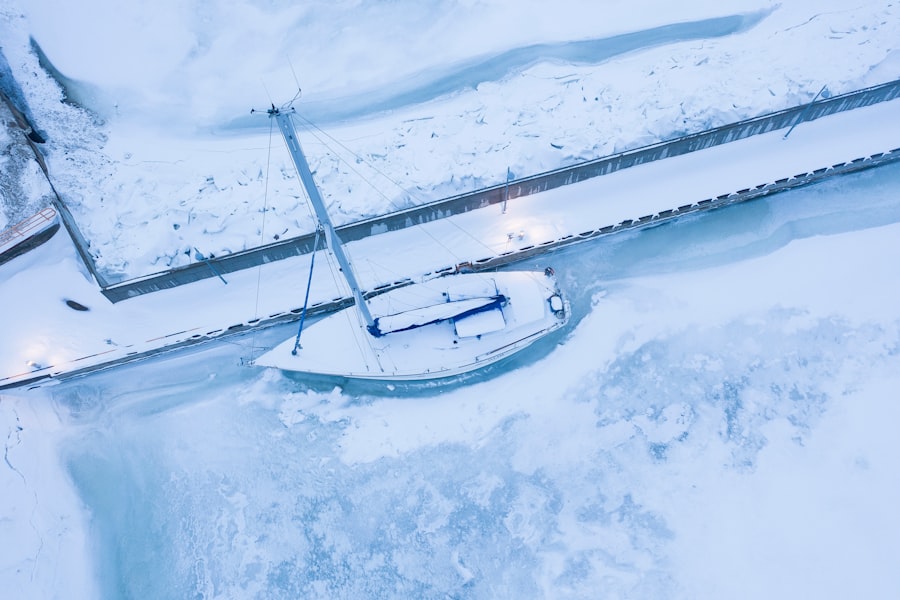
Addressing the myriad challenges of Arctic cable deployment necessitates pioneering technological innovation and the implementation of robust mitigation strategies. The industry is constantly evolving to meet these unprecedented demands.
Enhanced Cable Design and Protection
The very design of the submarine fiber optic cable must be adapted for the Arctic environment. Engineers are developing more robust and resilient cable architectures.
Heavier Armor and Burial Depths
Arctic cables are typically designed with significantly heavier armor than cables in temperate waters, using multiple layers of steel wires or composite materials to withstand abrasion and crushing forces from ice. Increased burial depths, achieved through advanced trenching techniques, are also crucial to protect cables from ice scour.
Advanced Materials and Monitoring Systems
Research into new materials that maintain their properties at extreme low temperatures is ongoing. Furthermore, integrated monitoring systems within the cable itself can provide real-time data on stress, temperature, and potential damage, allowing for proactive maintenance and early detection of issues.
Specialized Installation and Repair Vessels
The vessels deployed for Arctic cable operations are a testament to advanced marine engineering. These are not ordinary ships but ice-strengthened workhorses.
Ice-Class Cable Laying Ships
Cable-laying vessels designed for the Arctic are typically ice-strengthened, often with an ice-class rating that allows them to operate in ice-covered waters. These vessels feature advanced dynamic positioning systems for precise cable placement and powerful thrusters to maintain position in challenging conditions.
Subsea Robotics and ROVs
Remotely Operated Vehicles (ROVs) and Autonomous Underwater Vehicles (AUVs) are invaluable for detailed seabed surveys, trenching operations, inspection, and repair. These robots can operate in conditions too hazardous for human divers or provide precision where human intervention is impossible.
Optimized Route Planning and Environmental Data
Strategic route planning is paramount, leveraging extensive environmental data to minimize risks.
High-Resolution Bathymetric and Ice Mapping
Detailed mapping of the seabed (bathymetry) and comprehensive ice data are critical. Satellite imagery, ice radar, and subsea surveys provide vital information on ice thickness, movement, and the presence of icebergs, guiding the selection of the most secure routes.
Climate Models and Predictive Analysis
Utilizing climate models and predictive analysis helps to anticipate long-term changes in ice conditions, identify potential risks, and inform future maintenance strategies. Understanding the dynamic “weather” of the sea ice is crucial for long-term project viability.
The development of submarine cable routes in the Arctic region has garnered significant attention due to its potential to enhance global connectivity. A related article discusses the implications of these emerging routes on international trade and communication networks. For more insights into this topic, you can read the full article here: myGeoQuest. As climate change continues to open up new pathways, understanding the strategic importance of these cables becomes increasingly vital for both economic and geopolitical considerations.
Geopolitical Implications and International Cooperation
| Route Name | Start Point | End Point | Length (km) | Capacity (Tbps) | Status | Estimated Completion |
|---|---|---|---|---|---|---|
| Arctic Connect | Murmansk, Russia | Tokyo, Japan | 6,500 | 60 | Planned | 2027 |
| Polar Link | Anchorage, USA | Reykjavik, Iceland | 4,200 | 40 | Under Construction | 2025 |
| North Star Cable | Murmansk, Russia | London, UK | 5,800 | 50 | Proposed | 2028 |
| IceLink | Nuuk, Greenland | St. John’s, Canada | 3,000 | 30 | Operational | 2019 |
The pursuit of Arctic submarine cable routes transcends purely technical and economic considerations; it possesses significant geopolitical ramifications, fostering both competition and collaboration among nations. The lines on a chart of a new cable path can also represent lines in a geopolitical landscape.
Strategic Significance and National Interests
For Arctic and near-Arctic nations, these cable routes represent an assertion of sovereignty and a strategic play in the global digital infrastructure. The ability to host and control crucial data highways confers both economic and national security advantages.
Data Sovereignty and Cybersecurity
Nations are increasingly concerned about data sovereignty – the idea that data is subject to the laws and governance of the country in which it is collected or stored. Arctic cables, by offering more direct routes, could reduce reliance on routes traversing other nations, potentially enhancing cybersecurity and control over national data flows.
Economic Development in the Arctic
The development of Arctic infrastructure, including submarine cables, can spur economic activity in the region, including job creation in areas like survey, installation, and maintenance, as well as providing enhanced connectivity for local Arctic communities.
International Law and Governing Frameworks
The Arctic Ocean is governed by a complex web of international laws and agreements, primarily the United Nations Convention on the Law of the Sea (UNCLOS).
UNCLOS and Freedom of the High Seas
UNCLOS guarantees the freedom to lay submarine cables on the continental shelves and in the exclusive economic zones (EEZs) and high seas, subject to reasonable regard for other legitimate uses of the sea and compliance with environmental regulations. Navigating these legal frameworks carefully is essential for any international collaborative project.
Arctic Council and Regional Cooperation
Bodies such as the Arctic Council play a crucial role in fostering cooperation on environmental protection and sustainable development in the region. While not directly governing cable laying, its principles and guidelines influence responsible development and environmental impact assessments.
Environmental Stewardship and Impact Assessment
Laying cables in the Arctic demands an acute awareness of environmental sensitivities and a commitment to minimizing ecological impact. The fragile Arctic ecosystem requires meticulous attention.
Minimizing Disturbance to Marine Ecosystems
Cable laying operations must be conducted with extreme care to minimize disturbance to marine flora and fauna, particularly vulnerable species and habitats. This includes careful route selection to avoid sensitive areas and employing installation methods that reduce seabed disruption.
Pollution Prevention and Sustainable Practices
Strict protocols for pollution prevention, including waste management and fuel handling, are essential to protect the pristine Arctic environment. The long-term environmental footprint of cable infrastructure must be considered throughout the project lifecycle.
The Future of Arctic Connectivity: Outlook and Trends
The trajectory of Arctic submarine cable development is not linear; it is shaped by a confluence of technological advancements, geopolitical realities, and evolving climate conditions.
Advancements in Autonomous Systems
The increasing sophistication of Autonomous Underwater Vehicles (AUVs) and other autonomous systems promises to revolutionize Arctic cable operations. These systems can perform continuous monitoring, detailed surveys, and potentially even light repair tasks, reducing the need for human presence in hazardous environments. Imagine a fleet of silent, tireless guardians watching over the digital arteries.
Impact of Climate Change and Ice Melt
Paradoxically, while ice poses the primary challenge, the ongoing impacts of climate change and the reduction of seasonal sea ice cover could, in some areas and for limited periods, potentially open up new operational windows and routes. However, this also introduces new uncertainties, such as increased ice drift variability and potential for extreme weather events, further complicating long-term planning. The retreat of the ice offers tantalizing new paths, but also unveils previously hidden dangers.
Increasing Demand for Redundancy and Diversification
As global reliance on the internet intensifies, the demand for redundancy and diversification in submarine cable routes will only grow. The Arctic routes offer a fundamentally different geographical path, enhancing the overall resilience of the global network by reducing single points of failure. This diversification is a form of digital insurance, safeguarding against outages on existing, more conventional routes.
Economic Feasibility and Investment Challenges
Despite the clear strategic and technical advantages, Arctic cable projects remain exceptionally capital-intensive. The unique challenges translate into higher construction, installation, and long-term maintenance costs. Securing adequate investment from private consortia and/or government backing continues to be a significant hurdle. The sheer scale of investment required necessitates long-term vision and often, a collaborative funding model.
In conclusion, the endeavor to lay submarine fiber optic cables across the Arctic Ocean represents one of the most ambitious and technologically challenging infrastructure projects of our time. It embodies humanity’s relentless pursuit of faster, more efficient global communication. While the frozen frontier presents an arsenal of environmental and logistical obstacles, advanced engineering, international cooperation, and a deep understanding of the Arctic ecosystem are paving the way for these digital pathways. The successful realization of Arctic cable routes will not only redefine global connectivity but will also serve as a testament to human ingenuity in navigating and harnessing the extreme environments of our planet. These cables, beneath the ice, will become silent arteries, pulsing with the lifeblood of the global information age.
FAQs
What are submarine cable Arctic routes?
Submarine cable Arctic routes refer to underwater communication cables laid along or near the Arctic Ocean. These routes connect continents by passing through the Arctic region, offering potentially shorter and faster data transmission paths between Asia, Europe, and North America.
Why are Arctic routes important for submarine cables?
Arctic routes are important because they can significantly reduce the distance and latency between major global markets compared to traditional southern routes. This can improve internet speed and reliability, support growing data demands, and enhance global connectivity.
What challenges do submarine cables face in the Arctic?
Submarine cables in the Arctic face challenges such as extreme cold temperatures, ice movement, limited accessibility for maintenance, and environmental concerns. The harsh conditions require specialized cable designs and careful planning to ensure durability and functionality.
Which countries are involved in developing Arctic submarine cable routes?
Countries with interests in Arctic submarine cable routes include Russia, Canada, the United States, Norway, and other Arctic Council members. Additionally, global telecommunications companies and international consortia are involved in planning and investing in these routes.
How does climate change impact submarine cable Arctic routes?
Climate change, by reducing sea ice coverage, may make Arctic submarine cable routes more accessible for installation and maintenance. However, it also introduces uncertainties such as changing ice dynamics and environmental risks that must be carefully managed to protect the cables and the fragile Arctic ecosystem.