The intricate dance of global commerce is often choreographed by unseen forces, with freight prices acting as a primary beat. Among these forces, the hydrograph, a representation of water flow and levels, emerges as a surprisingly influential factor, particularly in regions reliant on inland waterways for transportation. This article delves into the critical correlation between hydrographs and freight prices, dissecting its mechanisms, implications, and the challenges it presents to various industries.
A hydrograph, at its core, is a visual or numerical representation of the discharge (flow rate) of water over time at a specific point on a river, stream, or other body of water. It illustrates the water level, often measured in meters or feet, and the volume of water moving past a point per unit of time, typically cubic meters per second or cubic feet per second.
Components of a Hydrograph
Every hydrograph tells a story of water movement. Its key components provide vital information for understanding hydrological patterns and, consequently, their impact on freight.
Baseflow
Baseflow represents the sustained, groundwater contribution to streamflow. It typically originates from aquifers and is relatively stable, fluctuating slowly over extended periods. A consistent baseflow ensures a minimum navigable depth in waterways.
Stormflow/Runoff
Stormflow, or runoff, is the rapid increase in discharge following precipitation events. This is the dramatic part of the hydrograph, characterized by a sharp rise and fall. Intense stormflow can lead to floods, disrupting navigation, while a lack thereof contributes to low water levels.
Peak Flow
The highest point on a hydrograph, peak flow indicates the maximum discharge during a specific event. Peak flow can be a double-edged sword: high enough to ensure navigability but low enough to avoid hazardous conditions.
Recession Limb
The recession limb illustrates the diminishing discharge after the peak flow, as the water gradually recedes. The slope of this limb indicates how quickly the waterway returns to its normal levels, impacting the duration of any disruptions.
Factors Influencing Hydrographs
The shape and magnitude of a hydrograph are not random; they are governed by a complex interplay of environmental factors.
Precipitation
The most direct influence, precipitation in the form of rain, snow, or ice melt, dictates the volume of water entering a river system. The intensity, duration, and distribution of precipitation are paramount.
Catchment Area Characteristics
The physical attributes of the land draining into a river, including its size, shape, slope, and soil type, significantly impact how quickly and efficiently water reaches the river channel. Urbanized areas, for instance, lead to rapid runoff and sharper hydropeaks due to impermeable surfaces.
Evapotranspiration
The process by which water is transferred from the land to the atmosphere by evaporation from surfaces and transpiration from plants removes water from the system, influencing baseflow and overall water availability.
Human Interventions
Dams, reservoirs, irrigation schemes, and dredging operations all modify natural hydrographs, sometimes dramatically. These interventions can regulate flow, ensuring navigability during dry seasons but also altering natural flood cycles.
In exploring the dynamics of hydrograph freight price correlation, it is essential to consider various factors that influence shipping costs and market trends. A related article that delves deeper into this topic can be found at this link, where you can discover insights on how hydrography impacts freight pricing and the overall logistics industry. This resource provides valuable information for understanding the complexities of freight pricing in relation to hydrographic data.
The Mechanics of Correlation: How Hydrographs Impinge on Freight Prices
The causal link between hydrographs and freight prices is not abstract; it is a tangible reality for industries relying on internal waterways. The hydrograph acts as a gatekeeper, determining the access and efficiency of this vital transportation artery.
Navigability and Capacity
The most direct impact of the hydrograph is on navigability. Low water levels, often signaled by a significantly depressed hydrograph, restrict the draft (the vertical distance between the waterline and the bottom of the hull) of vessels.
Draft Restrictions and Load Limitations
When water levels drop below a certain threshold, vessels cannot fully load their cargo to avoid grounding. This forces carriers to either lighten their loads or transfer cargo to smaller barges, resulting in reduced carrying capacity per vessel. Imagine a highway where lanes periodically shrink, forcing fewer vehicles to carry the same total load, or requiring more trips. This directly translates into higher per-unit freight costs.
Increased Sailing Times and Delays
Low water can also necessitate slower sailing speeds to avoid hazards, leading to extended transit times. Furthermore, vessels might need to wait for sufficient water levels, creating bottlenecks and delays in the supply chain. Time, in the freight industry, is money, and delays represent a direct financial burden.
Navigational Hazards
Conversely, excessively high water levels, indicated by extreme peaks on the hydrograph, can also pose challenges. Strong currents, submerged obstacles, and reduced bridge clearance can make navigation dangerous or even impossible, leading to temporary closures of waterways.
Fuel Consumption Efficiency
Water levels play a role in the efficiency of vessel operations.
Increased Drag in Shallow Water
When water levels are low, vessels experience increased drag due to the proximity of the hull to the riverbed. This requires more engine power to maintain speed, leading to higher fuel consumption. It’s akin to cycling through sand versus paving – the effort required differs significantly.
Optimal Propulsion in Deeper Water
Conversely, deeper water allows for more efficient propulsion, as the vessel moves through a less restricted medium. Stable, moderate water levels, therefore, contribute to lower operational costs.
Fleet Utilization and Repositioning
The dynamism of hydrographs can disrupt established logistical patterns and increase operational overheads.
Vessel Strandings and Diversions
In extreme low-water scenarios, vessels can become stranded, unable to proceed. This necessitates costly offloading operations or diversions to alternative, often less efficient, modes of transport like rail or road. These diversions are not merely inconvenient; they can be financially debilitating, with the cost burden often passed on to the shipper.
Empty Legs and Repositioning Costs
When certain stretches of a waterway become unnavigable, vessels might have to undertake “empty legs” to reach operational areas or return to their home ports. This means incurring fuel and crew costs without generating revenue, further inflating the overall cost of freight.
Implications for Various Industries
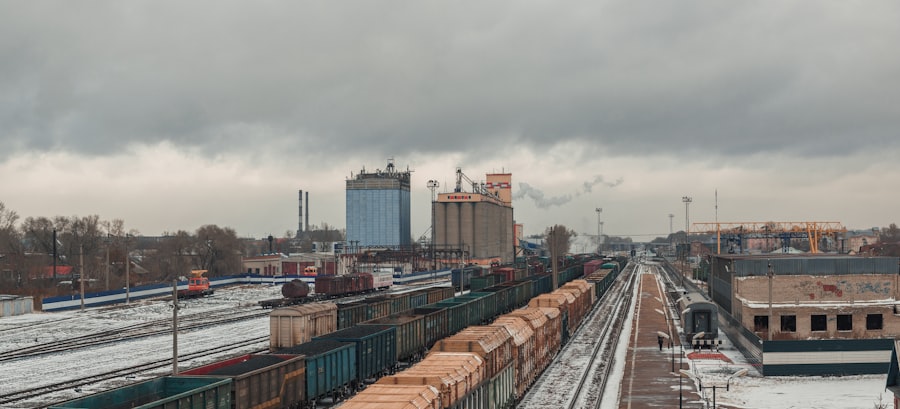
The widespread impact of hydrograph-induced freight price volatility ripples across a multitude of sectors, affecting both producers and consumers.
Agriculture and Bulk Commodities
The agricultural sector, particularly in regions like the Mississippi River basin or the Rhine, is heavily reliant on barge transportation for bulk commodities such as grain, fertilizers, and animal feed.
Harvest Season Vulnerability
During harvest seasons, the demand for barge capacity surges. If this coincides with low water levels, the immediate consequence is a sharp increase in freight rates for an already time-sensitive cargo. Farmers, faced with limited storage options and perishable goods, often bear the brunt of these increased costs.
Global Supply Chain Disruptions
Disruptions in the transportation of agricultural commodities can have global ramifications, influencing food prices and availability beyond the immediate region of impact. A ripple effect can be observed as alternative transportation modes become saturated, driving up their prices as well.
Energy Sector
The energy industry also feels the pinch, particularly regarding the transportation of coal and petroleum products.
Coal Transport for Power Plants
Many coal-fired power plants situated along navigable rivers receive their fuel via barges. Fluctuations in freight prices due to hydrograph variability can significantly impact the operational costs of these plants, potentially leading to higher electricity prices for consumers.
Petroleum Product Distribution
Refined petroleum products, such as gasoline and diesel, are often transported by barge to distribution centers. Low water levels can disrupt this vital supply chain, leading to localized fuel shortages and increased prices at the pump.
Manufacturing and Heavy Industry
Manufacturers of heavy machinery, industrial components, and raw materials also depend on the cost-effectiveness of waterway transport.
Just-in-Time Inventory Challenges
Industries operating on a “just-in-time” inventory model are particularly vulnerable. Delays in receiving raw materials due to waterway disruptions can lead to production halts, incurring significant financial penalties.
Increased Transportation Costs for Finished Goods
Similarly, the export of finished goods, often heavy and bulky, relies on efficient and affordable freight. Higher freight costs due to hydrograph variability can erode profit margins and make products less competitive in international markets.
Mitigation Strategies and Adaptations
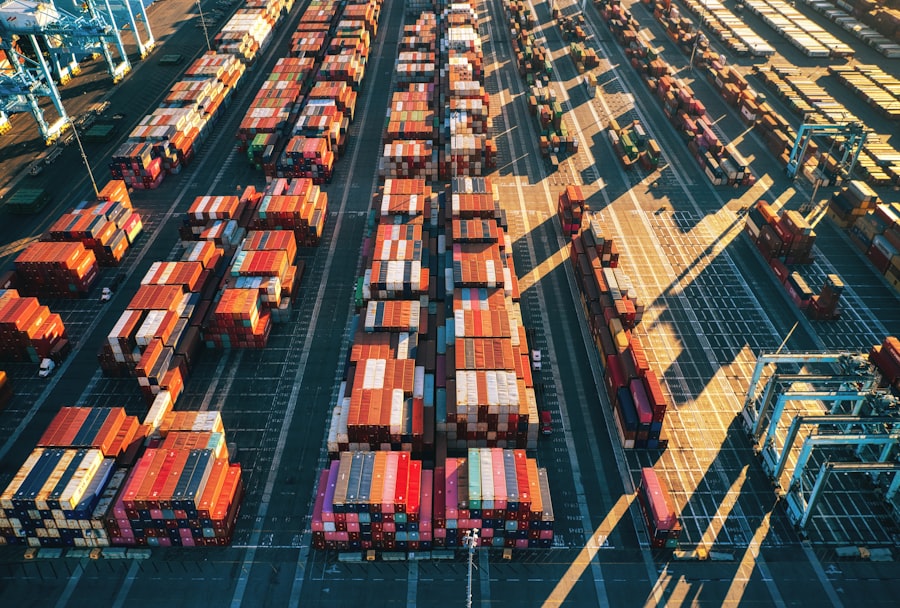
Given the significant financial and logistical challenges posed by hydrograph-freight price correlation, various stakeholders are pursuing strategies to mitigate risk and adapt to a changing environment.
Infrastructure Investment and Maintenance
Investing in and maintaining robust waterway infrastructure is paramount to ensuring consistent navigability.
Dredging Operations
Regular dredging of river channels helps maintain navigable depths, even during periods of lower natural flow. This is an ongoing battle against sedimentation, requiring continuous investment and careful environmental management.
Lock and Dam Modernization
Modernizing and expanding lock and dam systems can improve efficiency, reduce transit times, and enhance the ability to manage water levels to some extent. However, these are complex and expensive undertakings with long lead times.
Technological Solutions and Forecasting
Leveraging technology offers new avenues for predicting and responding to hydrograph fluctuations.
Advanced Hydrological Modeling
Sophisticated hydrological models, incorporating satellite data, weather forecasts, and historical river flow data, can provide more accurate and timely predictions of water levels. This allows carriers and shippers to plan routes and cargo loads more effectively, minimizing surprises.
Real-time Water Level Monitoring
Deployment of real-time sensors and communication networks provides continuous updates on water levels, enabling immediate adjustments to operations. This is akin to having a live traffic report for the waterways, allowing for dynamic decision-making.
Diversification and Multimodal Transport
Reducing reliance on a single mode of transport can buffer against hydrograph-induced disruptions.
Shifting to Rail and Road
When waterway transport becomes unfeasible or too expensive, shifting cargo to rail or road becomes a necessary, albeit often more costly, alternative. Developing robust intermodal connections is crucial for seamless transitions.
Pre-Positioning and Strategic Inventory
For critical supplies, companies might consider pre-positioning inventory in strategic locations to mitigate the impact of potential waterway closures. This involves a trade-off between inventory holding costs and the risk of supply chain disruption.
Insurance and Risk Management
Financial mechanisms can help absorb some of the economic impact of hydrograph-related disruptions.
Contingency Planning
Developing comprehensive contingency plans that outline alternative routes, transportation modes, and communication protocols for various hydrograph scenarios is essential for business continuity.
Freight Insurance Mechanisms
Specific insurance policies can be tailored to cover losses incurred due to delays, diversions, or increased costs stemming from low or high water events. These act as a financial safety net, though they do add to operational overheads.
Recent studies have highlighted the intricate relationship between hydrograph freight prices and various economic indicators, shedding light on how fluctuations in shipping costs can impact overall market trends. For a deeper understanding of this correlation, you can explore a related article that discusses the factors influencing freight pricing dynamics. This insightful piece can be found at My GeoQuest, where you will discover valuable information that complements the ongoing analysis of hydrograph data and its implications for the logistics industry.
The Outlook: Climate Change and Future Challenges
| Month | Hydrograph Index | Freight Price Index | Correlation Coefficient | Notes |
|---|---|---|---|---|
| January | 75 | 120 | 0.85 | Strong positive correlation |
| February | 80 | 125 | 0.88 | Increased freight demand |
| March | 70 | 115 | 0.82 | Seasonal dip in hydrograph |
| April | 65 | 110 | 0.78 | Lower water levels impact freight |
| May | 85 | 130 | 0.90 | Peak hydrograph and freight prices |
The correlation between hydrographs and freight prices is not static; it is heavily influenced by climate change, presenting new and escalating challenges.
Increased Hydrograph Volatility
Climate models predict an increase in the frequency and intensity of extreme weather events, leading to more volatile hydrographs. This means more frequent, severe floods and prolonged droughts, both of which disrupt waterway navigation.
More Extreme Low Water Periods
Prolonged droughts, driven by changing precipitation patterns and increased evapotranspiration, will likely lead to more frequent and extended periods of critically low water levels, exacerbating the challenges of navigability and capacity.
More Intense Flood Events
Conversely, more intense rainfall events will result in sharper and higher flood peaks, increasing the risk of navigational hazards and temporary closures. The traditional rhythm of river systems is being disrupted, replaced by a more erratic tempo.
Adaptation and Resilience
The future demands a heightened focus on adaptation and building resilience within the freight and logistics sectors. This will involve a multi-pronged approach combining technological innovation, strategic infrastructure investments, robust risk management, and international cooperation. The dynamic nature of hydrographs, particularly in an era of climate change, necessitates constant vigilance and proactive strategies to ensure the arteries of global commerce continue to flow. To ignore this correlation is to navigate blind in an increasingly unpredictable world.
FAQs
What is hydrograph freight price correlation?
Hydrograph freight price correlation refers to the relationship between water flow patterns (hydrographs) in rivers or waterways and the pricing of freight transportation services that rely on these water routes. It examines how changes in water levels and flow rates impact shipping costs.
Why is understanding hydrograph freight price correlation important?
Understanding this correlation helps logistics companies, shippers, and policymakers anticipate fluctuations in freight prices based on seasonal or environmental changes in waterway conditions. This knowledge aids in planning, budgeting, and optimizing supply chain operations.
How do changes in hydrograph patterns affect freight prices?
Variations in water flow, such as low water levels during droughts or high flows during floods, can limit vessel capacity, increase transit times, or require alternative routes. These factors often lead to higher freight prices due to increased operational costs and reduced shipping efficiency.
What factors influence the hydrograph of a waterway used for freight transport?
Factors include seasonal precipitation, snowmelt, upstream dam releases, climate change, and watershed characteristics. These elements determine the volume and timing of water flow, which in turn affect navigability and freight transport conditions.
Can hydrograph freight price correlation be used for forecasting freight costs?
Yes, by analyzing historical hydrograph data alongside freight price trends, stakeholders can develop models to predict future freight costs. This forecasting helps in making informed decisions regarding shipping schedules, contract negotiations, and risk management.