Riverbeds are dynamic environments, constantly reshaped by the forces of flowing water. This inherent dynamism, while crucial for ecological processes, can pose significant challenges to infrastructure, land use, and even human safety. Unchecked erosion, sediment deposition, and alterations in channel morphology can lead to bank collapse, damage to bridges and other structures, and a reduction in water quality. Consequently, engineering projects for riverbed stabilization are essential interventions, designed to manage these natural processes and maintain the integrity and functionality of river systems. These projects represent a core discipline within hydraulic engineering and fluvial geomorphology, requiring a nuanced understanding of hydrological principles, sediment transport, and ecological considerations.
The need for riverbed stabilization arises from a confluence of natural and anthropogenic factors. Rivers, by their very nature, are agents of change, constantly adjusting their form in response to flow regimes and sediment loads. However, human activities often exacerbate these natural tendencies, leading to amplified problems that necessitate intervention.
Natural Processes Driving Instability
- Erosion and Sediment Transport: The fundamental drivers of riverbed change are the erosive power of water and the subsequent transport of sediment. High-velocity flows can entrain bed material, leading to scour and deepening of the channel, while reduced velocities cause deposition. This constant dance of erosion and deposition sculpts the riverbed.
- Fluvial Geomorphology: Rivers exhibit diverse morphologies – meandering, braiding, straight – each with inherent stability characteristics. Changes in flow or sediment supply can trigger shifts in these forms, leading to instability. For example, a stable meandering river can become highly erosive if straightened, losing its natural energy dissipation mechanisms.
- Bank Retreat: Lateral migration of a river channel, often due to erosion of its banks, can undermine adjacent land and infrastructure. This process is particularly pronounced during flood events when higher velocities and increased sediment loads amplify erosive forces.
- Channel Incision: A phenomenon where the riverbed lowers over time, often due to decreased sediment supply or increased flow velocity. This can lead to a “perched” floodplain, disconnected from the river, and can also expose bridge foundations, rendering them vulnerable.
Anthropogenic Contributions to Instability
- Dam Construction: Dams alter flow regimes, trapping sediment upstream and releasing “hungry water” downstream that seeks to entrain sediment from its bed, triggering incision. The altered flow can also change the timing and magnitude of floods, impacting downstream river morphology.
- River Straightening and Channelization: Historically, rivers were often straightened for navigation or flood control. While seemingly efficient, this removes the natural meanders which dissipate energy, leading to higher velocities, increased erosion, and a greater propensity for instability. It can be likened to removing a car’s shock absorbers – the ride becomes jarring and potentially damaging.
- Aggregate Mining: Extraction of sand and gravel from riverbeds can cause localized scour and instability, reducing the bed elevation and potentially triggering upstream and downstream adjustments. This effectively removes the river’s own armor.
- Urbanization and Land Use Changes: Increased impervious surfaces in urban areas lead to higher and more rapid runoff, increasing peak flows in rivers and accelerating erosion. Deforestation and agricultural practices can also increase sediment supply, altering the river’s balance.
Riverbed stabilization engineering projects play a crucial role in maintaining the integrity of waterways and preventing erosion. For a deeper understanding of the methodologies and technologies involved in these projects, you can refer to a related article that provides insights into best practices and case studies. To explore this further, visit this article which discusses various approaches to riverbed stabilization and their environmental impacts.
Foundational Principles of Riverbed Stabilization
Effective riverbed stabilization projects are not simply about “fixing” a problem but about understanding and working with the river’s natural tendencies. They require a holistic approach, integrating engineering solutions with ecological principles.
Understanding Hydrology and Hydraulics
- Flow Regimes: The magnitude, frequency, and duration of water flows are paramount. Engineers must analyze historical flow data, including flood events, to design structures that can withstand anticipated hydraulic forces.
- Sediment Transport Mechanics: Knowledge of how sediment is entrained, transported, and deposited is crucial. This involves understanding different transport modes (bedload, suspended load) and factors influencing sediment mobility, such as particle size, flow velocity, and bed shear stress.
- Energy Dissipation: A primary goal of many stabilization techniques is to dissipate the river’s energy in a controlled manner, preventing it from causing destructive erosion. This can involve introducing roughness elements or creating structures that encourage energy expenditure.
Geotechnical Considerations
- Soil Mechanics: The stability of riverbanks and the underlying riverbed is heavily dependent on the geotechnical properties of the adjacent soils and sediments. Understanding soil cohesion, internal friction, and permeability is critical for designing stable structures.
- Scour and Deposition Potential: Detailed analysis of potential scour depths around structures and areas of likely deposition is essential for ensuring long-term stability and functionality. This often involves using hydraulic models and field observations.
Ecological Integration and Restoration
- Habitat Preservation and Creation: Modern riverbed stabilization projects aim to minimize negative ecological impacts and, where possible, enhance aquatic and riparian habitats. This can involve using bioengineering techniques and incorporating habitat features into structural designs.
- Maintaining Connectivity: Ensuring the passage of aquatic organisms and the natural exchange of water and sediment between the river and its floodplain is an important ecological objective. Stabilization measures should avoid creating impassable barriers.
Common Engineering Approaches for Riverbed Stabilization
A diverse array of engineering solutions is employed to stabilize riverbeds, ranging from hard structural interventions to softer, bioengineering-focused approaches. The selection of a particular method depends on the specific site conditions, the nature of the instability, and desired outcomes.
Structural Stabilization Techniques (Hard Engineering)
These methods typically involve the use of durable, non-living materials to create robust structures capable of resisting erosive forces.
- Revetments: These are protective layers placed on riverbanks or the riverbed to prevent erosion. They can be constructed from various materials:
- Riprap: A layer of loose, angular rocks often placed over a filter fabric. The interlocking nature of the rocks and their weight resist scour. The effectiveness of riprap relies on the appropriate sizing of stones to withstand design flows.
- Gabions: Wire mesh cages filled with rocks, often used where larger individual stones might be difficult to handle or where flexibility in the structure is desired. They perform similarly to riprap but offer greater structural integrity.
- Articulated Concrete Mattress: Pre-fabricated concrete blocks connected by cables, designed to conform to the shape of the riverbed or bank. These offer high resistance to scour and can be installed relatively quickly.
- Grouted Riprap: Riprap where the voids between rocks are filled with grout, creating a more rigid and unified surface. This increases resistance to scour but reduces permeability and habitat value.
- Groynes (Spurs): Structures extending from the bank into the river channel, designed to redirect flow away from the bank, promote sediment deposition in desired areas, or create low-velocity zones for bank stabilization. They are like speed bumps for the river’s current.
- Permeable Groynes: Constructed from permeable materials (e.g., piles, large rocks with gaps) allowing some water and sediment to pass through, which can reduce scour at the groyne tip compared to solid structures.
- Impermeable Groynes: Solid structures (e.g., concrete, rock) which completely block flow, leading to more pronounced scour and deposition patterns. Proper design is critical to avoid exacerbating erosion elsewhere.
- Weirs and Sills: Low-head structures built across the river channel, primarily to control bed elevation, reduce flow velocity, or create upstream water levels.
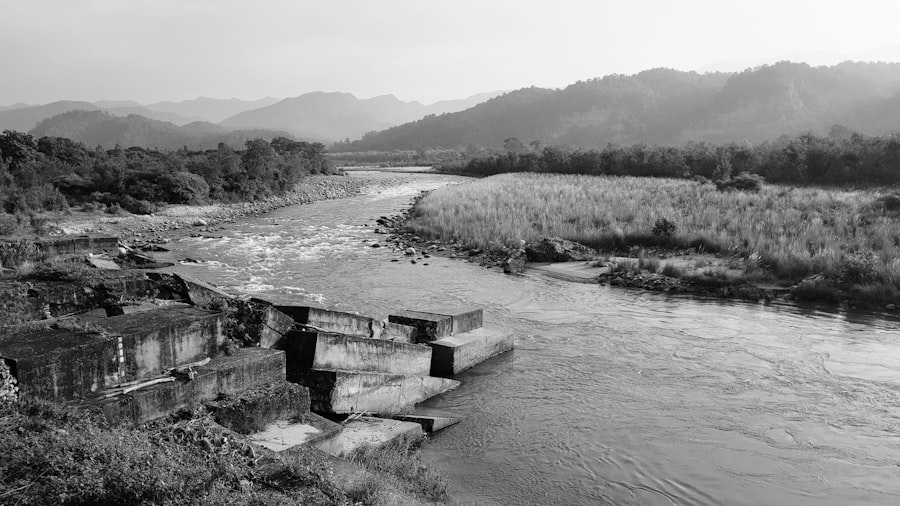
- Grade Control Structures: Designed to halt or reverse channel incision by creating a series of steps or drops in the riverbed. These act like a staircase, preventing the river from eroding downwards too rapidly.
- Rock Sills: Simple, low-profile structures made of large rocks, often used to stabilize the bed in localized areas or to maintain a specific bed elevation.
Bioengineering and Biotechnical Stabilization Techniques (Soft Engineering)
These methods integrate living plant materials with engineering principles to create stable, ecologically beneficial solutions. They leverage the root systems of plants to bind soil and provide roughness that dissipates flow energy.
- Live Fascines (Bundles): Bundles of live cuttings (e.g., willow) laid in shallow trenches perpendicular to the flow direction or parallel to the bank. They sprout and quickly establish root systems, providing immediate stabilization and long-term erosion control.
- Vegetated Riprap: Riprap where vegetation is planted within the voids of the rock layer. The plant roots enhance the stability of the riprap by binding the underlying soil, and the vegetation provides additional hydraulic roughness and habitat.
- Brush Mattresses: A dense layer of live branches interwoven and anchored to the bank, often combined with dormant cuttings that sprout to form a living mattress. These provide immediate cover and establish strong root systems.
- Live Cribwalls: Timber or rock cribs filled with soil and live cuttings, often used in steeper bank conditions. The inert structure provides initial support, while the growing vegetation provides long-term stability and ecological benefits.
- Erosion Control Blankets and Mats: Biodegradable or permanent mats made from natural fibers (e.g., coconut coir, straw) or synthetic materials, used to protect exposed soil from surface erosion while vegetation establishes.
Monitoring and Adaptive Management in Stabilization Projects
River systems are dynamic, and even the most meticulously designed stabilization project can react to unforeseen events or long-term changes in flow or sediment regimes. Therefore, ongoing monitoring and an adaptive management approach are crucial for ensuring the long-term success and sustainability of these interventions.
Importance of Post-Construction Monitoring
- Performance Assessment: Regular monitoring allows engineers to assess whether the stabilization measures are performing as designed. This includes observing structural integrity, scour and deposition patterns, and the establishment and health of vegetation in bioengineering projects.
- Identification of Unforeseen Issues: Rivers can reveal unexpected responses to interventions. Monitoring helps to identify unanticipated erosion hotspots, sediment accumulation issues, or structural flaws before they escalate into major problems.
- Environmental Impact Assessment: Monitoring can evaluate the ecological impacts of the project, including changes in aquatic habitat, water quality, and riparian vegetation. This helps to ensure that environmental objectives are being met.
The Principles of Adaptive Management
Adaptive management is a systematic approach to improving management by learning from the outcomes of management actions. It recognizes that uncertainties exist and that adjustments may be necessary over time.
- Learning by Doing: Adaptive management treats stabilization projects as experiments from which valuable lessons can be learned. This involves setting clear objectives, implementing actions, monitoring outcomes, and evaluating findings.
- Iterative Process: It is not a one-time fix but an ongoing cycle of planning, implementation, monitoring, and adjustment. This iterative approach allows for flexibility and responsiveness to changing conditions.
- Stakeholder Engagement: Effective adaptive management often involves collaboration among engineers, scientists, policymakers, and local communities. This ensures that a broad range of perspectives is considered and that decisions are well-informed.
Riverbed stabilization engineering projects play a crucial role in maintaining the integrity of waterways and preventing erosion. For those interested in exploring this topic further, a related article can be found at MyGeoQuest, which delves into innovative techniques and case studies that highlight the importance of effective riverbank management. Understanding these methods can provide valuable insights for engineers and environmentalists alike, ensuring sustainable practices in riverbed stabilization.
Case Studies and Future Directions
| Project Name | Location | Length of Riverbank Stabilized (meters) | Type of Stabilization Method | Completion Year | Cost (in thousands) | Environmental Impact Rating | Project Duration (months) |
|---|---|---|---|---|---|---|---|
| Greenbank River Project | Ohio, USA | 1200 | Riprap and Vegetative Planting | 2021 | 850 | Low | 8 |
| Bluewater Stream Stabilization | British Columbia, Canada | 900 | Gabion Walls | 2020 | 620 | Moderate | 6 |
| Riverbend Restoration | Queensland, Australia | 1500 | Bioengineering with Coir Logs | 2022 | 950 | Low | 10 |
| Delta Stream Protection | Netherlands | 1100 | Concrete Revetments | 2019 | 780 | High | 7 |
| Clearwater Riverbank Project | Alaska, USA | 1300 | Vegetative Reinforcement and Rock Armor | 2023 | 900 | Low | 9 |
Examining past projects offers valuable insights into the successes and challenges of riverbed stabilization. From large-scale dam removal projects to localized bioengineering efforts, the landscape of river restoration is constantly evolving.
Lessons from Past Projects
- The Kissimmee River Restoration (USA): A landmark project that involved the dechannelization and restoration of the Kissimmee River in Florida. This extensive effort aimed to reverse the ecological damage caused by decades of channelization and demonstrates the scale and complexity of naturalizing large river systems.
- Rhine River Floodplain Restoration (Europe): Numerous projects along the Rhine exemplify integrated flood management and ecological restoration. These often involve restoring connectivity between the main channel and its floodplain, leveraging natural processes for flood attenuation and habitat enhancement.
- Specific Bioengineering Implementations: Projects like the use of live stakes and brush layering on eroding banks in various smaller streams have demonstrated the effectiveness of “soft” engineering solutions in appropriate contexts, often at lower costs and with greater ecological benefits than traditional hard structures.
Emerging Trends and Future Challenges
- Climate Change Adaptation: Future projects must increasingly consider the impacts of climate change, including altered precipitation patterns, increased flood frequencies and magnitudes, and potential shifts in sediment regimes. Designs will need to be more resilient and adaptable to these changing conditions.
- Nature-Based Solutions (NbS): There is a growing emphasis on adopting NbS, which involves working with natural processes to achieve environmental and societal benefits. This aligns with bioengineering principles and seeks to reduce reliance on hard, grey infrastructure.
- Integrated River Basin Management: A holistic approach that considers the entire river basin, managing land use, water resources, and ecological processes in a coordinated manner to achieve sustainable river health.
- Advanced Monitoring Technologies: The use of drones, remote sensing, and advanced hydrological and geomorphic modeling will provide more detailed and timely information for project design, implementation, and adaptive management.
In conclusion, engineering projects for riverbed stabilization are critical interventions that serve to protect infrastructure, manage flood risks, and restore ecological function in dynamic fluvial environments. They are complex undertakings that demand a deep understanding of hydrological, hydraulic, geotechnical, and ecological principles. By embracing an adaptive management approach and integrating nature-based solutions, engineers and river managers can continue to develop more sustainable and effective strategies for living in harmony with our indispensable river systems.
FAQs
What is riverbed stabilization in engineering projects?
Riverbed stabilization refers to the techniques and methods used to prevent erosion, sediment displacement, and degradation of riverbeds. It aims to maintain the structural integrity of the river channel, protect surrounding infrastructure, and support ecological balance.
Why is riverbed stabilization important?
Stabilizing riverbeds is crucial to prevent erosion that can damage bridges, roads, and nearby properties. It also helps maintain navigable waterways, protects aquatic habitats, and reduces the risk of flooding by preserving the natural flow and shape of the river.
What are common methods used in riverbed stabilization?
Common methods include the use of riprap (rock armoring), gabions (wire mesh filled with stones), concrete structures, vegetation planting, and engineered log jams. These techniques help absorb water energy, reduce sediment movement, and reinforce riverbanks and beds.
How do engineers assess the need for riverbed stabilization?
Engineers conduct hydrological and geological surveys, analyze sediment transport, study river flow patterns, and evaluate erosion rates. They also consider environmental impact assessments and the potential effects on local ecosystems before designing stabilization projects.
What environmental considerations are involved in riverbed stabilization projects?
Environmental considerations include minimizing disruption to aquatic habitats, preserving water quality, maintaining natural sediment transport, and ensuring that stabilization structures do not negatively impact fish migration or river biodiversity. Sustainable and eco-friendly materials and designs are often prioritized.