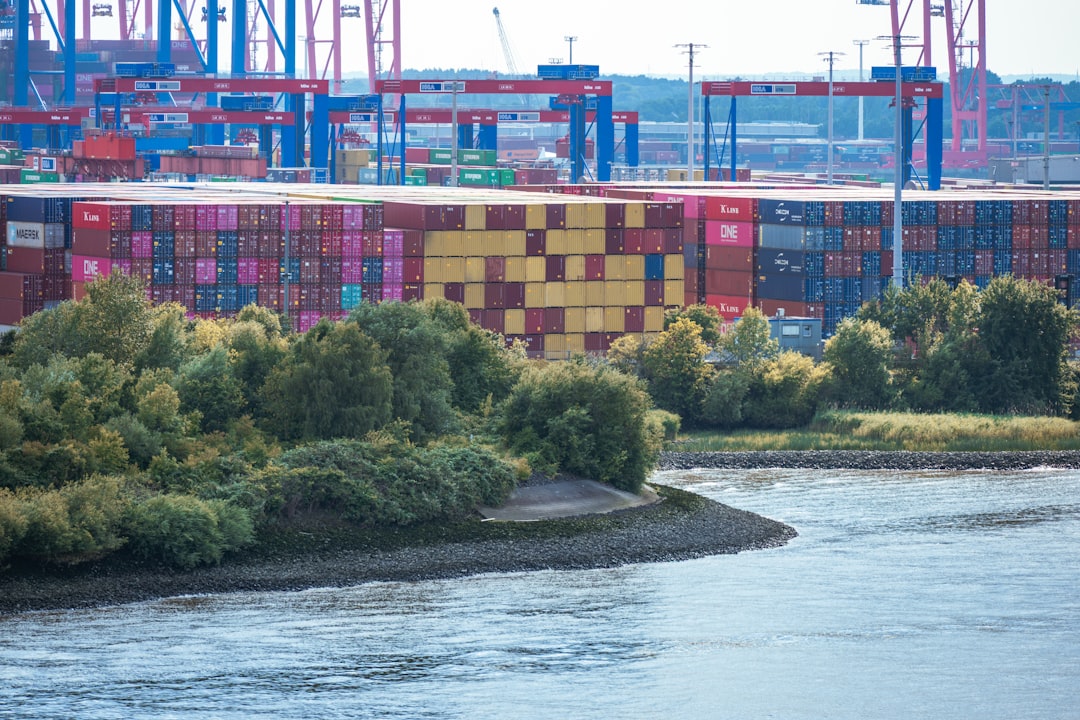
The Rhine River, a lifeline coursing through the heart of Europe, serves as a vital artery for the transportation of goods, and among these, chemicals hold a significant place. The safe and efficient movement of these often hazardous materials across this historic waterway is a complex undertaking, demanding rigorous protocols, advanced technology, and unwavering vigilance. This article delves into the multifaceted approach employed to ensure the secure shipment of chemicals via the Rhine, examining the challenges, the solutions, and the continuous evolution of safety practices.
The inherent nature of chemicals presents a spectrum of risks that necessitate careful consideration during transportation. From flammability and corrosivity to toxicity and reactivity, each substance carries its own set of potential hazards. The sheer volume of chemical transport on the Rhine amplifies these risks, meaning even minor incidents can have far-reaching consequences. The river itself, while a powerful conduit for trade, can also become an agent of dispersion in the event of an accident, carrying spilled substances downstream and potentially impacting ecosystems and human populations far from the point of origin.
The Spectrum of Chemical Hazards
- Flammability: Many chemicals possess low flash points, meaning they can readily ignite in the presence of an ignition source. This poses a significant risk of fire and explosion during transport, especially in the confined spaces of a vessel.
- Corrosivity: Acids, bases, and other corrosive substances can damage both the cargo itself and the containment vessels. This can lead to leaks and environmental contamination.
- Toxicity: The inhalation, ingestion, or skin contact with toxic chemicals can cause severe health problems or even death. Accidental release into the environment can pose a long-term threat to wildlife and human health.
- Reactivity: Certain chemicals can react explosively or generate dangerous gases when exposed to air, water, or other incompatible substances. This necessitates strict segregation and controlled handling.
- Environmental Impact: Beyond immediate hazards, the long-term environmental consequences of chemical spills are a critical concern. These can include water pollution, soil contamination, and damage to biodiversity.
The Scale of Rhine Chemical Transport
The Rhine is one of the busiest inland waterways in the world, and a substantial portion of its cargo comprises chemicals. This high volume means that while the probability of an individual incident might be low, the cumulative exposure to risk is significant. The interconnectedness of industries along the Rhine corridor means that a disruption in chemical supply chains can have cascading economic effects.
Historical Incidents and Lessons Learned
The history of chemical transport on the Rhine is not without its cautionary tales. Past accidents, though perhaps infrequent in the grand scheme of global shipping, have served as potent reminders of the need for constant vigilance and improvement. These events have often led to the re-evaluation of existing regulations, the implementation of new technologies, and a greater emphasis on training and emergency preparedness. Each incident, however regrettable, has contributed to the robust safety framework that exists today.
Shipping chemicals via the Rhine River has become a crucial aspect of the logistics industry, given the river’s strategic importance for transporting goods across Europe. An insightful article that delves into the complexities and regulations surrounding this practice can be found at this link. It discusses the environmental considerations, safety measures, and the economic impact of chemical transportation on the region, providing a comprehensive overview for those interested in the subject.
The Regulatory Framework: A Bedrock of Safety
The safe shipment of chemicals on the Rhine is not a matter of chance; it is meticulously governed by a comprehensive suite of international, national, and regional regulations. These legal frameworks, akin to the scaffolding that supports a mighty structure, ensure that every aspect of the operation, from vessel design to crew training and emergency response, adheres to stringent safety standards. The European Agreement concerning the International Carriage of Dangerous Goods by Inland Waterways (ADN) stands as a cornerstone, complemented by national legislation and the directives of river commissions.
The European Agreement concerning the International Carriage of Dangerous Goods by Inland Waterways (ADN)
- ADN as the Guiding Light: ADN provides a harmonized framework for the transport of dangerous goods by inland waterways across Europe. It specifies requirements for classification, packaging, labeling, documentation, and the construction and equipment of vessels carrying such cargo. Its comprehensive nature acts as the compass, guiding all stakeholders towards safe practices.
- Harmonization Across Borders: The river flows through multiple countries, each with its own legal system. ADN ensures that the rules are consistent throughout the Rhine and other European waterways, preventing a patchwork of regulations that could create confusion and loopholes. This uniformity is crucial for seamless international transit.
- Continuous Evolution: ADN is not a static document. It is regularly reviewed and updated to incorporate new scientific knowledge, emerging risks, and technological advancements, ensuring its continued relevance and effectiveness.
National and Regional Legislation
- Complementary Measures: While ADN provides a broad framework, individual nations operating along the Rhine (such as Germany, the Netherlands, France, and Switzerland) have their own national laws and regulations that supplement and often go beyond the ADN requirements. These can include specific port regulations, environmental protection laws, and stricter enforcement mechanisms.
- The Role of River Commissions: Organizations like the Central Commission for the Navigation of the Rhine (CCNR) play a critical role in harmonizing navigation rules and safety standards within the Rhine basin. They act as custodians of the river, promoting cooperation and ensuring a consistent approach to safety and environmental protection.
Classification, Packaging, and Labeling Standards
- The Language of Risk: A fundamental aspect of chemical safety is the accurate classification of substances based on their hazards. This process, dictated by regulations, ensures that everyone involved in the transport chain understands the risks associated with a particular cargo.
- Containment is Key: The integrity of packaging and containment is paramount. Regulations specify the types of tanks, containers, and vessels that can be used for different classes of chemicals, as well as their structural integrity, material compatibility, and testing requirements. Imagine a finely tuned orchestra; each instrument (packaging) must be in perfect condition to produce harmonious (safe) results.
- Clear Communication: Proper labeling and placarding provide instant visual cues about the hazards of a cargo. This enables handlers, emergency responders, and other vessel operators to quickly identify risks and take appropriate precautions. A universally understood lexicon of symbols and warnings is essential.
Vessel Design and Technology: Fortifying the Fleet
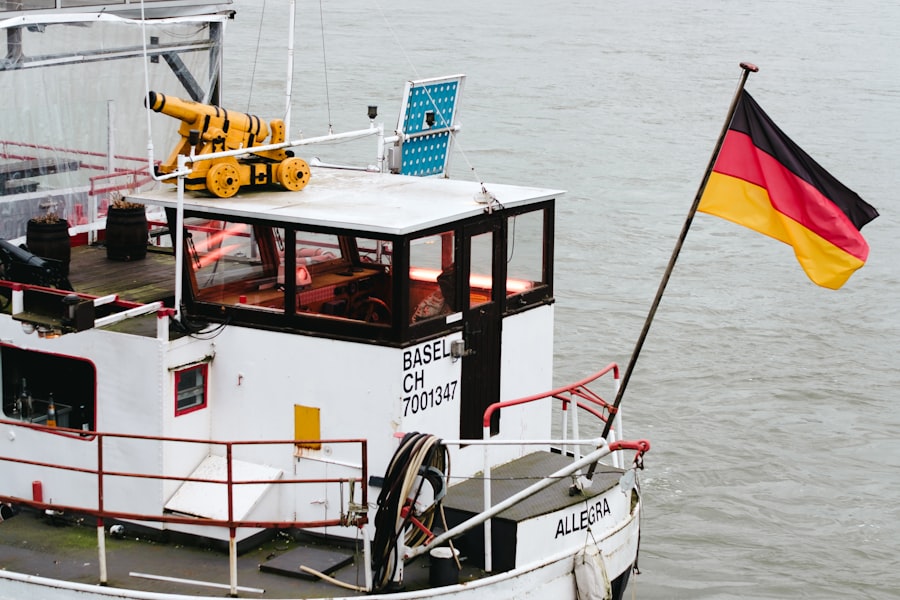
The vessels that ply the Rhine, carrying the chemical payload, are not ordinary cargo carriers. They are sophisticated, purpose-built instruments of safe transport, endowed with advanced engineering and technology designed to mitigate risks and contain potential incidents. From the materials used in their construction to the intricate systems that monitor cargo and propulsion, every element is a testament to the commitment to safety.
Specialized Vessel Construction
- Double Hulls and Ballast Systems: Many chemical tankers on the Rhine feature double hulls, providing an extra layer of protection against external damage. The space between the hulls can be used for ballast water, which can be strategically managed to improve stability and mitigate the impact of a grounding.
- Corrosion-Resistant Materials: The construction materials for tanks and pipelines are carefully selected to be resistant to the corrosive nature of many chemicals. Stainless steel, specialized coatings, and other advanced alloys are commonly employed to prevent structural degradation and leaks.
- Segregated Ballast Tanks: To prevent contamination of ballast water with cargo residue, many vessels are equipped with segregated ballast tanks. This ensures that ballast water remains clean and can be discharged without posing an environmental threat.
Advanced Monitoring and Control Systems
- Cargo Monitoring: Temperature, pressure, and level sensors within cargo tanks provide real-time data on the condition of the transported chemicals. This allows the crew to detect any anomalies or deviations from normal parameters, enabling proactive intervention.
- Gas Detection Systems: For vessels carrying flammable or toxic gases and vapors, advanced gas detection systems are installed. These systems continuously monitor the atmosphere within cargo areas and voids, triggering alarms if hazardous concentrations are detected.
- Navigation and Communication: Modern navigation systems, including GPS and radar, combined with robust communication systems, ensure that vessels can navigate safely, maintain awareness of their surroundings, and communicate effectively with traffic control and other vessels. This forms the eyes and ears of the ship, ensuring it stays on course and aware of potential hazards.
Firefighting and Spill Containment Equipment
- Integrated Fire Suppression: Vessels are equipped with comprehensive firefighting systems, including foam, water, and inert gas systems, tailored to the specific types of chemicals being transported. This is the first line of defense against the ever-present threat of fire.
- Containment Booms and Skimmers: In the event of a spill, vessels carry onboard equipment for immediate containment and cleanup. This includes deployable booms to prevent the spread of the substance on the water’s surface and skimmers to remove it. These are the emergency tools, ready to spring into action.
Crew Training and Competency: The Human Element of Safety
While technology and regulations form the robust framework, it is the human element – the highly trained and competent crew – that is the ultimate guardian of safety on the Rhine. The skilled mariners operating these vessels possess a deep understanding of the chemicals they are carrying, the inherent risks, and the protocols in place to manage them. Their continuous training and adherence to best practices are indispensable.
Comprehensive Training Programs
- ADN Compliance Training: All crew members involved in the transport of dangerous goods are required to undergo specialized training in accordance with ADN. This training covers the classification of substances, safe handling procedures, emergency response, and the interpretation of safety documentation.
- Emergency Preparedness Drills: Regular drills simulating various emergency scenarios, such as fires, collisions, and spills, are conducted. These exercises hone the crew’s ability to respond quickly, effectively, and in a coordinated manner under pressure. The muscle memory developed during drills can be the difference between a minor incident and a major disaster.
- Cargo-Specific Knowledge: Beyond general safety training, crews receive specific instruction on the properties and hazards of the chemicals they are assigned to transport. This includes understanding compatibility issues, safe loading and unloading procedures, and specific emergency measures for each substance.
Competency and Certification
- Mandatory Certifications: Crew members must hold valid certificates demonstrating their proficiency in handling dangerous goods. These certifications are periodically renewed, ensuring that knowledge remains current.
- Experience and Continuous Learning: While formal training is crucial, practical experience plays an equally vital role. Experienced captains and deckhands bring a wealth of knowledge and intuition to the operation, often spotting subtle indicators of potential problems before they escalate. A culture of continuous learning is fostered, encouraging crew members to stay abreast of the latest safety developments.
Human Factors and Stress Management
- Understanding Human Error: The role of human factors in safety is recognized and addressed. Training programs often incorporate modules on fatigue management, decision-making under stress, and the importance of clear communication within the crew to minimize the risk of human error.
- Teamwork and Communication: Effective teamwork and open communication within the vessel’s crew are paramount. A cohesive team, where all members feel empowered to report concerns and contribute to safety discussions, is a formidable asset.
Shipping chemicals via the Rhine River plays a crucial role in the logistics and transportation of goods within Europe. This vital waterway not only facilitates the movement of various products but also raises concerns regarding environmental safety and regulatory compliance. For a deeper understanding of the implications and practices surrounding this topic, you can explore a related article that discusses the challenges and advancements in the shipping industry. To learn more, visit this insightful resource that delves into the complexities of chemical transportation on the Rhine.
Emergency Response and Contingency Planning: Preparing for the Unforeseen
| Metric | Value | Unit | Notes |
|---|---|---|---|
| Annual Chemical Cargo Volume | 12 | Million Tons | Estimated volume transported via Rhine River |
| Number of Chemical Tankers | 350 | Vessels | Operating on the Rhine annually |
| Average Transit Time | 48 | Hours | From Basel to Rotterdam |
| Major Chemicals Transported | Petrochemicals, Acids, Solvents | Categories | Common cargo types |
| Environmental Incidents (Last 5 Years) | 3 | Incidents | Spills or leaks reported |
| Regulatory Compliance Rate | 98 | Percent | Compliance with safety and environmental standards |
| Average Shipping Cost | 45 | Per Ton | Cost for chemical transport via Rhine |
Despite the most stringent safety measures, the possibility of an incident, however remote, cannot be entirely eliminated. Therefore, robust emergency response plans and contingency measures are in place to minimize the impact of any event that might occur. These plans are not mere documents; they are living blueprints, regularly reviewed, tested, and evolved.
Multi-Agency Collaboration
- Coordinated Response: Chemical incidents on the Rhine often require a coordinated response from multiple agencies, including port authorities, fire brigades, environmental agencies, and specialized salvage companies. These collaborative frameworks ensure a swift and effective deployment of resources.
- Pre-defined Communication Channels: Clear and established communication channels between all involved parties are crucial. This ensures that information is disseminated rapidly and accurately, enabling efficient decision-making during a crisis.
Spill Prevention and Response Strategies
- Containment and Cleanup: The primary goal in the event of a spill is to contain the substance and prevent its spread. This involves the deployment of containment booms, the use of specialized absorbent materials, and the immediate retrieval of spilled cargo.
- Environmental Monitoring: Following a spill, comprehensive environmental monitoring is conducted to assess the extent of contamination and to ensure the effectiveness of cleanup operations. This data informs long-term remediation efforts.
Incident Investigation and Learning
- Thorough Investigations: Every incident, regardless of its severity, is subject to a thorough investigation. The aim is to identify the root causes, learn from the event, and implement measures to prevent recurrence. This cyclical process of learning and improvement is critical for the ongoing safety of chemical transport.
- Sharing Best Practices: The lessons learned from investigations are shared widely within the shipping industry and with regulatory bodies. This collective learning process contributes to the continuous enhancement of safety standards across the entire waterway.
Beyond the Horizon: Future Trends in Rhine Chemical Safety
The landscape of chemical transportation is constantly evolving, driven by technological advancements, evolving regulatory demands, and a perpetual quest for enhanced safety. The Rhine is at the forefront of this evolution, embracing innovations that will further solidify its position as a paragon of safe chemical transport.
Digitalization and Data Analytics
- Predictive Maintenance: The increasing use of sensors and data analytics allows for predictive maintenance of vessels and equipment. By analyzing patterns in performance data, potential failures can be identified and addressed before they lead to incidents. This proactive approach acts as a shield against foreseen problems.
- Real-time Risk Assessment: Advanced software can integrate real-time weather data, vessel traffic, and cargo information to provide dynamic risk assessments. This allows for more informed decision-making regarding routing and operational adjustments.
- Blockchain for Transparency: Blockchain technology is being explored for its potential to enhance transparency and traceability in the chemical supply chain, providing an immutable record of a chemical’s journey from origin to destination.
Autonomous Navigation and Advanced Automation
- Enhanced Situational Awareness: While fully autonomous vessels are still some way off for chemical transport, advanced automation features are being integrated to enhance situational awareness and reduce crew workload, particularly in complex navigation scenarios.
- Decision Support Systems: Sophisticated decision support systems can assist captains in making critical choices during challenging conditions, drawing upon vast amounts of data and operational experience.
Sustainable Chemistry and Greener Transport Options
- The Shift Towards Safer Chemicals: As the chemical industry evolves, there is a growing focus on developing and utilizing less hazardous chemical alternatives. This inherent reduction in risk is a key part of future safety strategies.
- Alternative Fuels and Propulsion: Research and development are ongoing into alternative fuels and propulsion systems for inland vessels, aiming to reduce environmental impact while maintaining or improving safety performance.
The safe shipping of chemicals on the Rhine River is a testament to a multi-layered commitment to safety, encompassing stringent regulations, advanced technology, highly trained personnel, and robust emergency preparedness. It is a continuous journey of improvement, where lessons learned are integrated, and the future is shaped by innovation and an unwavering dedication to protecting people and the environment. The Rhine, in this context, is not merely a waterway; it is a meticulously managed ecosystem of trade, where safety is the ultimate cargo.
FAQs
What types of chemicals are commonly shipped via the Rhine River?
The Rhine River is used to transport a variety of chemicals including industrial chemicals, petrochemicals, fertilizers, and specialty chemicals. These shipments often involve bulk liquids, gases, and sometimes packaged chemical products.
What safety regulations govern the shipping of chemicals on the Rhine River?
Shipping chemicals on the Rhine River is regulated by international and European agreements such as the ADN (European Agreement concerning the International Carriage of Dangerous Goods by Inland Waterways), which sets standards for packaging, labeling, and handling to ensure safe transport.
What are the environmental considerations when shipping chemicals on the Rhine?
Environmental considerations include preventing spills and leaks, protecting water quality, and minimizing emissions. Operators must follow strict protocols for containment, emergency response, and waste management to reduce the risk of pollution in the river ecosystem.
How is the Rhine River infrastructure adapted for chemical shipping?
The Rhine River features specialized ports, terminals, and loading facilities equipped to handle chemical cargo safely. Infrastructure includes secure storage tanks, pipelines, and transfer systems designed to comply with safety and environmental standards.
What are the advantages of using the Rhine River for chemical transportation?
Using the Rhine River for chemical shipping offers cost efficiency, reduced road traffic congestion, and lower carbon emissions compared to road or rail transport. The river’s extensive network connects major industrial regions, facilitating efficient and reliable chemical distribution.