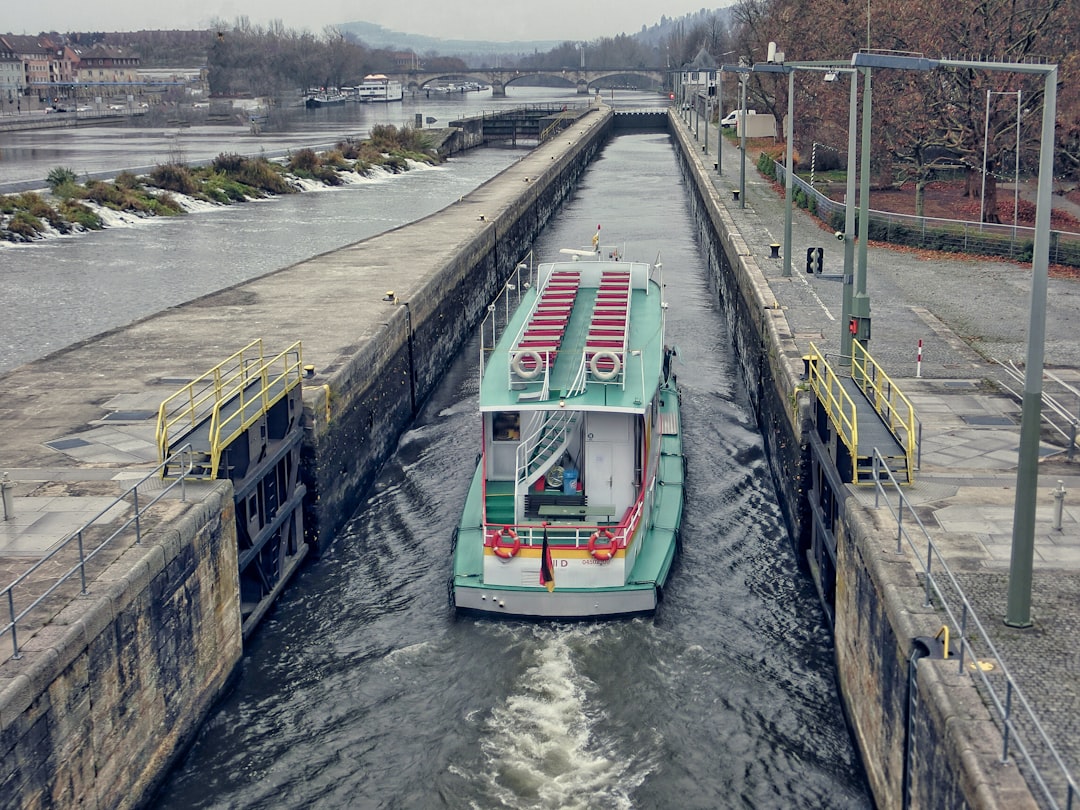
The intricate network of Europe’s inland waterways, a vital artery for the continent’s economy, faces an increasing threat from persistently low water levels. As climate change continues to reshape meteorological patterns, droughts and reduced precipitation are becoming more frequent, directly impacting the navigability of major rivers and, consequently, the capacity of barges – the workhorses of this aquatic transportation system. This article explores the multifaceted challenges posed by diminishing water levels to barge operations, their economic repercussions, and potential adaptation strategies.
Inland waterway transport (IWT) stands as a cornerstone of Europe’s logistics infrastructure, offering a cost-effective, environmentally friendly, and efficient means of moving vast quantities of goods. Its significance extends across various sectors, from industrial raw materials to agricultural products.
A. Economic Contributions
IWT contributes significantly to national and regional economies. By offering a sustainable alternative to road and rail, it alleviates congestion, reduces carbon emissions, and provides a stable transport option for bulk commodities. The Rhine, Danube, Elbe, and other major rivers form a liquid highway, connecting industrial heartlands with ports and consumer markets.
B. Environmental Advantages
Compared to other modes of transport, barges boast a significantly lower carbon footprint per tonne-kilometer. Their efficiency in moving large volumes with minimal fuel consumption positions them as a key player in achieving climate targets. Furthermore, the reduced noise pollution and land use compared to extensive road or rail networks underscore their environmental benefits.
C. Strategic Importance
For many landlocked regions and industrial clusters, inland waterways represent a lifeline, providing access to international trade routes and ensuring the smooth flow of essential goods. The robustness of this system directly correlates with the resilience of intricate supply chains that crisscross the continent.
The issue of low water levels significantly impacting barge carrying capacity is a pressing concern for the shipping industry. For a deeper understanding of how these conditions affect logistics and trade, you can read a related article that discusses the implications of low water levels on barge operations and the broader economic effects. To explore this topic further, visit the article at My GeoQuest.
II. The Impact of Low Water Levels on Barge Operations
The phenomenon of persistently low water levels acts as a choke point in this vital system, diminishing its efficiency and reliability. The consequences are far-reaching, affecting not only the direct operators but also the broader economy.
A. Reduced Loading Capacity
The most immediate and tangible effect of low water levels is the forced reduction in the loading capacity of barges. Like a ship sailing on a shallower sea, a barge in a low-water river cannot carry its full intended cargo without risking grounding. Each centimeter of reduced draft translates into hundreds of tonnes of lost cargo capacity.
B. Increased Transportation Costs
When barges are forced to operate at reduced capacity, the cost per tonne of transported goods inevitably rises. Operators must employ more barges or make more frequent trips to move the same volume of cargo, leading to higher fuel consumption, increased labor costs, and elevated maintenance expenses. This ripple effect permeates the entire supply chain.
C. Navigational Challenges and Delays
Low water levels introduce significant navigational hazards. Shifting sandbanks, reduced clearance under bridges, and tighter maneuvering spaces demand increased caution and slower speeds from barge pilots. This can lead to increased journey times, unpredictable delays, and even temporary suspensions of service in severely affected sections of rivers. The precision required in navigating these treacherous conditions is akin to driving a bus through a narrow, winding alley in dense fog.
D. Diversion to Other Modes of Transport
As the reliability and cost-effectiveness of IWT falter due to low water, shippers are often compelled to divert cargo to alternative modes, primarily road and rail. This shift, while seemingly a solution, places immense pressure on already strained road and rail networks, exacerbating congestion, increasing carbon emissions, and often leading to higher overall logistical costs. This diversion is a symptom of a failing system, not a sustainable remedy.
III. Economic Repercussions Across Sectors
The disruption to inland waterway transport creates a cascade of economic repercussions that extend far beyond the immediate shipping industry, impacting diverse sectors.
A. Industrial Supply Chains
Industries heavily reliant on bulk raw materials, such as steel, chemicals, and construction, frequently utilize barges for the transport of iron ore, coal, aggregates, and chemicals. Disruptions to these supply lines can lead to production delays, increased input costs, and even temporary shutdowns, impacting overall industrial output and competitiveness. For these industries, the river is not just a commercial route but an integral part of their production process.
B. Energy Sector Vulnerability
The transport of fossil fuels, particularly coal for power plants and petroleum products, relies significantly on barges. Low water levels can jeopardize energy security by hindering the delivery of essential fuels, potentially leading to higher energy prices or, in extreme cases, localized energy shortages. The fragility of this pipeline becomes starkly evident when water levels drop.
C. Agricultural Impact
Agricultural products, including grains, fertilizers, and animal feed, are also major commodities transported by barge. Delays or increased costs in their transportation can impact agricultural supply chains, affecting farmer profitability and consumer prices for foodstuffs. The agricultural heartlands, often served by riverine networks, feel this squeeze acutely.
D. Increased Inflationary Pressures
The cumulative effect of higher transportation costs across multiple sectors can contribute to inflationary pressures throughout the economy. As the cost of moving goods increases, these expenses are often passed on to consumers in the form of higher prices for a wide range of products.
IV. Adaptation Strategies and Mitigation Efforts
Addressing the challenge of low water levels requires a multi-pronged approach, encompassing both immediate operational adjustments and long-term infrastructure and policy changes.
A. Operational Adjustments by Operators
Barge operators are constantly devising and implementing operational changes to navigate low water conditions.
1. Reduced Loadings and More Frequent Trips
As detailed previously, the primary adjustment is to reduce the volume of cargo per barge and, consequently, increase the number of trips required to transport the same total volume. This directly impacts efficiency and cost.
2. Use of Smaller Vessels or Specialized Barges
In some cases, operators may deploy smaller barges with shallower drafts or specialized “low-water” barges designed to operate more effectively in reduced water depths. However, these vessels may have limited availability and higher operating costs.
3. Optimized Route Planning and Timing
Sophisticated route planning software and real-time hydrological data allow operators to identify navigable stretches and optimal times for travel, taking advantage of even slight fluctuations in water levels. This often involves navigating during periods of higher water, such as after rainfall, or selecting alternative, sometimes longer, routes.
B. Infrastructure Enhancements
Long-term solutions involve investing in and maintaining crucial waterway infrastructure.
1. Dredging and River Deepening
Strategic dredging operations can help maintain adequate navigable depths in critical sections of rivers, particularly where sediment accumulation or natural shallows pose persistent problems. However, dredging is costly, requires environmental impact assessments, and is not a permanent solution in the face of sustained low flow.
2. Weir and Lock Modernization
Improving the efficiency and capacity of weirs and locks can help manage water levels more effectively, though their primary role is flood control and enabling navigation over elevation changes, rather than exclusively mitigating drought. Modernization can improve water management capabilities within certain sections.
3. Real-time Monitoring and Forecasting Systems
Advanced hydrological monitoring networks and predictive modeling systems are crucial for providing accurate and timely information on water levels, enabling proactive decision-making by operators and authorities. This foresight is like a lighthouse in a storm, guiding vessels through treacherous waters.
C. Policy and Regulatory Frameworks
Government and international bodies play a critical role in establishing supportive policies.
1. Cross-border Cooperation
Many of Europe’s major rivers traverse multiple countries, necessitating robust cross-border cooperation on water management, data sharing, and synchronized responses to drought conditions. A unified approach is essential for a shared resource.
2. Incentives for Sustainable Water Management
Policies that incentivize water conservation in agriculture, industry, and urban areas can help maintain overall water availability in river basins, indirectly benefiting navigation.
3. Support for IWT Modernization
Government support for the modernization of the barge fleet, including the development of more fuel-efficient and shallow-draft vessels, can enhance the sector’s resilience.
The challenges posed by low water levels on river systems significantly impact the barge carrying capacity, leading to increased shipping costs and logistical complications. For a deeper understanding of how these conditions affect transportation and trade, you can explore a related article that discusses the implications of low water levels on barge operations. This insightful piece can be found at this link, where you will find valuable information on the subject.
V. The Future: A Changing Climate and Adapting Waterways
| Parameter | Unit | Typical Value | Notes |
|---|---|---|---|
| Water Depth (Low Water) | meters | 1.5 – 3.0 | Varies by river and season |
| Barge Draft | meters | 1.2 – 2.5 | Maximum draft allowed during low water |
| Carrying Capacity | tons | 500 – 1500 | Reduced capacity due to draft restrictions |
| Load Reduction Percentage | % | 20 – 50 | Compared to normal water conditions |
| Speed Reduction | km/h | 2 – 5 | Lower speeds to avoid grounding |
| Typical River | – | Mississippi, Rhine, Danube | Examples of rivers affected by low water |
The trend of increasingly frequent and severe low water periods is projected to continue, underscoring the urgent need for a comprehensive and adaptive strategy for Europe’s inland waterways.
A. Climate Change Projections
Climate models consistently predict altered precipitation patterns, including longer dry spells and more intense, but less frequent, rainfall events in many parts of Europe. This will exacerbate the problem of low river levels. The “new normal” will likely be one of greater hydrological variability.
B. Investment in Resilient Infrastructure
Future investments in waterway infrastructure must prioritize resilience to climate change. This includes not only deepening critical sections but also exploring innovative water retention and release strategies within river basins. The infrastructure must be designed not just for today’s climate, but for tomorrow’s challenges.
C. Integrated Water Resource Management
A holistic approach to water resource management is paramount. This involves balancing the competing demands for water from agriculture, energy production, municipal supply, and environmental protection, while ensuring sufficient water for navigation where possible. This is a complex dance, where every step affects the others.
D. Intermodal Integration
Strengthening intermodal connections – the seamless transfer of goods between barges, rail, and road – becomes even more critical. A robust intermodal network provides flexibility and redundancy in times of disruption, ensuring that goods can still reach their destinations effectively. When one channel narrows, another must be wide enough to bear the load.
The ongoing challenges presented by low water levels underscore the inherent vulnerability of relying on natural systems for critical economic functions. While immediate operational adjustments can offer temporary relief, the long-term sustainability of Europe’s inland waterway transport hinges on strategic infrastructure investments, robust policy frameworks, and a collective commitment to integrated water resource management in the face of a changing climate. The future vitality of this liquid network depends on our ability to adapt and innovate.
FAQs
What is barge carrying capacity?
Barge carrying capacity refers to the maximum weight or volume of cargo that a barge can safely transport. It is typically measured in tons or cubic meters and depends on the barge’s size, design, and load limits.
How does low water affect barge carrying capacity?
Low water levels reduce the draft of a barge, meaning it cannot be loaded as heavily without risking grounding. This decreases the barge’s carrying capacity because it must carry less cargo to maintain safe navigation in shallower waters.
Why do water levels fluctuate in rivers and canals used by barges?
Water levels fluctuate due to seasonal changes, rainfall, droughts, and water management practices such as dam releases. These variations impact navigability and the allowable cargo weight for barges.
What measures are taken to manage barge operations during low water conditions?
Operators may reduce cargo loads, adjust routes, schedule shipments during higher water periods, or use barges with shallower drafts. Authorities may also issue navigation advisories or restrictions to ensure safety.
How can low water conditions impact the shipping industry economically?
Low water conditions can lead to reduced cargo volumes per trip, increased transportation costs, delays, and supply chain disruptions. This can affect commodity prices and the overall efficiency of inland waterway transport.