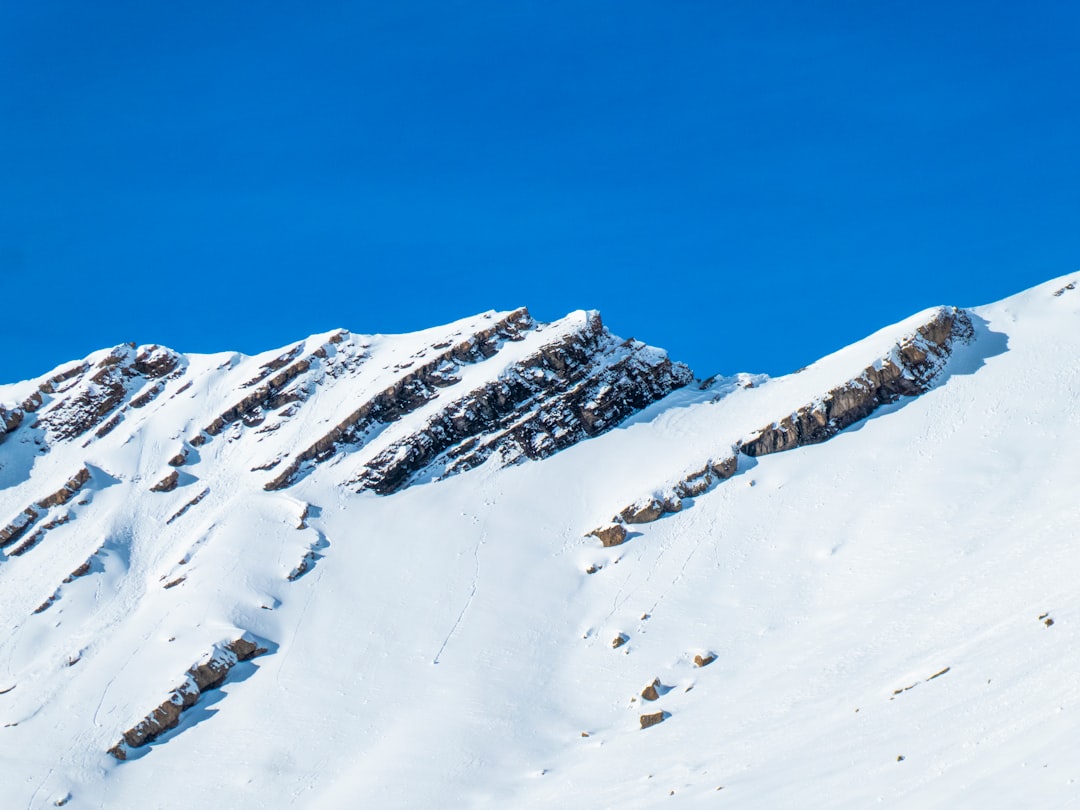
The majestic white caps of the Alps, a constant presence in the European consciousness, are undergoing a profound transformation. The perennial blanket of snow and ice, long seen as a reliable water tower for a vast region, is diminishing at an alarming rate. This article delves into the phenomenon of alpine snowpack decline and its cascading effects on hydrology, examining the causes, the observable changes, and the multifaceted implications for both natural systems and human societies.
Scientific observations paint a stark picture of the changing alpine snowpack. Decades of monitoring reveal a consistent downward trend in both the duration and depth of snow cover across the European Alps. This is not a subtle shift; it is a quantifiable retreat of nature’s winter larder.
Long-Term Trends in Snow Cover Extent
Satellite data, stretching back to the late 20th century, has been instrumental in demonstrating the spatial contraction of snow-covered areas. Researchers have meticulously tracked the percentage of the alpine territory that remains snow-free each year, identifying a significant reduction compared to historical averages. This diminishing extent means that less land surface is contributing to the snowpack’s accumulation and eventual melt.
Seasonal Changes in Snow Depth and Duration
Beyond the overall area, the very nature of the snowpack is altering. Studies focusing on specific monitoring stations and regional averages indicate that not only is the snow arriving later and leaving earlier, but the accumulated depth is also decreasing. Think of it as a bank account where both the deposits are becoming smaller and the withdrawals begin sooner, leaving less in reserve. The duration of snow cover, a critical factor for sustained water release, is particularly vulnerable.
Regional Variations and Hotspots of Decline
While the trend is broadly observed across the Alps, certain regions are experiencing more pronounced declines. Higher elevation areas might still retain substantial snowpack, but lower and mid-elevation slopes, which are crucial for many water sources, are reporting the most significant losses. These variations are influenced by local meteorological conditions, topography, and the proximity to oceanic influences, creating pockets where the impact is amplified.
The Impact of Warming Temperatures
The primary driver of this decline is unequivocally the rise in global temperatures. As the planet warms, more precipitation falls as rain rather than snow, particularly at lower altitudes and during shoulder seasons. Even when snow does fall, warmer ambient temperatures lead to increased sublimation (the direct transition of ice to water vapor) and earlier, more rapid melting. This means that the delicate balance between accumulation and ablation is being tipped decisively towards loss.
The decline of alpine snowpack has significant implications for hydrology, affecting water supply and ecosystem health in mountainous regions. For a deeper understanding of this critical issue, you can explore a related article that discusses the impacts of climate change on snowpack and water resources. This article provides valuable insights into the trends and future projections of alpine snowpack decline and its effects on hydrological cycles. To read more, visit this article.
The Hydrological Cascade: From Snowmelt to River Flow
The fate of alpine snowpack is intrinsically linked to the flow of rivers and streams across Europe. This frozen reservoir acts as a vital regulator of water, providing a gradual release throughout the spring and summer months. As this reservoir shrinks, the entire hydrological system experiences a profound disruption.
Spring Melt: The Initial Surge and Its Alterations
Traditionally, the spring melt of alpine snowpack provides a substantial surge in river flows. This annual inundation is a predictable event that has shaped ecosystems and human activities for centuries. However, with a reduced snowpack, this spring pulse is becoming less pronounced. The initial rush of water is diminished, impacting ecosystems that rely on this seasonal wetting and potentially affecting hydropower generation and irrigation schedules.
Summer Scarcity: The Long Dry Spell
The most significant hydrological consequence of diminished snowpack lies in the summer months. The snowpack acts as a vital buffer, slowly releasing meltwater throughout the warmer period when demand is often highest. As this buffer erodes, rivers and streams that depend on it face prolonged periods of low flow, or even drought. This scarcity can cripple agriculture, strain drinking water supplies, and negatively impact aquatic life. Imagine a carefully managed irrigation system suddenly finding its primary water source running on fumes.
Groundwater Recharge: A Diminishing Contribution
The infiltration of meltwater into the ground is crucial for replenishing groundwater reserves. Alpine snowmelt contributes significantly to this recharge process. A reduced snowpack means less water is available to seep into the earth, potentially leading to a decline in groundwater levels. This has long-term implications for water availability, especially during dry periods, as groundwater is a critical resource for many communities and ecosystems.
Glacier Melt: A Temporary Bridge and a Looming Chasm
In many high alpine regions, glaciers act as an even more enduring source of meltwater. For a time, as glaciers shrink, they can compensate for some of the snowpack loss, providing a temporary buffer of water during the summer. However, this is a finite resource. As glaciers continue to recede, this supplementary water source will eventually dwindle, exacerbating the problem of summer scarcity. The shrinking glaciers are like a wise elder providing a steady stream of wisdom, but even the wisest will eventually fade into memory.
Impacts on Ecosystems: A Delicate Balance Disrupted
Alpine ecosystems, sculpted over millennia by the presence of snow and ice, are highly sensitive to changes in their environment. The decline in snowpack is not merely an inconvenience; it is a fundamental alteration that triggers a cascade of ecological consequences.
Alpine Flora and Fauna: Adapting or Perishing
Many alpine plant and animal species are specialized to thrive in cold, snowy environments. Changes in snow cover duration and depth directly impact their life cycles, breeding patterns, and food availability. Species adapted to snowfields may face habitat loss and increased competition from more generalist species migrating upwards. The delicate dance of survival in the alpine realm is being disrupted, forcing species to adapt at a pace that may be too rapid for many.
Water Availability for Downstream Habitats
The hydrological changes driven by snowpack decline have far-reaching consequences for ecosystems located at lower elevations. Wetlands, riparian zones, and lakes that rely on consistent water input from alpine sources face reduced water levels and altered flow regimes. This can lead to habitat degradation, loss of biodiversity, and increased vulnerability to other stressors like pollution. The lifeblood flowing from the mountains nourishes countless downstream communities, both human and natural.
Increased Risk of Extreme Events
Paradoxically, a warming climate and reduced snowpack can lead to an increased risk of certain extreme events. For instance, drier conditions in autumn and winter can create conditions ripe for increased wildfire activity. Furthermore, the rapid melt of whatever snow remains, especially when accompanied by heavy rainfall, can lead to flash floods. The predictable rhythm of the seasons is giving way to a more erratic and potentially dangerous pattern.
Socioeconomic Repercussions: Water, Food, and Economies at Risk
The implications of alpine snowpack decline extend far beyond the natural world, touching the lives and livelihoods of millions of people. From agriculture and tourism to energy production and drinking water, the impact is pervasive.
Agriculture and Food Security: Thirsty Fields and Uncertain Harvests
Agriculture in many European regions is heavily reliant on irrigation, with alpine meltwater forming a critical component of the water supply during the growing season. Reduced snowpack translates to less reliable irrigation water, threatening crop yields and potentially impacting food security. Farmers might find themselves contending with parched fields, a stark contrast to the lush landscapes once sustained by consistent snowmelt.
Tourism and Winter Sports: A Fading White Dream
The iconic ski resorts that dot the Alps are intrinsically linked to abundant snow cover. As snow seasons shorten and reliable snow depths become a relic of the past, many winter sports destinations face a significant economic challenge. The viability of these industries, which are crucial for regional economies, is directly threatened by the diminishing snowpack. The glamorous image of a winter wonderland is beginning to fray at the edges.
Hydropower Generation: A Shifting Energy Landscape
Many of Europe’s hydroelectric dams are powered by water originating from alpine catchments. The reduced and altered flow patterns due to snowpack decline can impact the efficiency and output of these power plants. This necessitates a re-evaluation of energy strategies and potentially a greater reliance on other, perhaps less sustainable, energy sources. The steady hum of turbines powered by mountain melt might become less consistent.
Urban Water Supplies: Growing Demands, Shrinking Sources
Cities and towns across Europe depend on alpine rivers and their tributaries for their drinking water. As snowpack dwindles, the reliability of these water sources comes under pressure. This can lead to increased competition for water resources, necessitate costly investments in water management infrastructure, and potentially lead to water restrictions for citizens. The simple act of turning on a tap could become a more considered action in the future.
The decline of alpine snowpack has significant implications for hydrology, affecting water resources and ecosystems in mountainous regions. A related article discusses how changing climate patterns are influencing snow accumulation and melt patterns, leading to altered streamflow and water availability. For more insights on this critical issue, you can read the article on alpine snowpack and its hydrological impacts here. Understanding these changes is essential for managing water resources effectively in the face of climate change.
Mitigation and Adaptation: Navigating a Water-Scarce Future
| Metric | Value | Unit | Notes |
|---|---|---|---|
| Average Snowpack Decline Rate | 15 | % per decade | Based on 1980-2020 data in western US alpine regions |
| Peak Snow Water Equivalent (SWE) Reduction | 20 | % | Decrease in maximum SWE compared to 1950-1980 baseline |
| Shift in Snowmelt Timing | 2-3 | weeks earlier | Earlier onset of snowmelt runoff in spring |
| Spring Streamflow Reduction | 10-25 | % | Reduction in streamflow volume during peak snowmelt months |
| Summer Streamflow Increase | 5-15 | % | Increase in streamflow due to earlier snowmelt and rain-dominant runoff |
| Annual Runoff Volume Change | -5 to +5 | % | Varies by region; some areas see slight increase or decrease |
| Snowpack Duration Reduction | 10-20 | % fewer days | Shorter snow cover duration in alpine zones |
The challenges posed by alpine snowpack decline are significant, but not insurmountable. A proactive approach involving both mitigation of climate change and adaptation to its inevitable consequences is essential for navigating this evolving hydrological landscape.
Climate Change Mitigation: Addressing the Root Cause
The most effective long-term solution is to address the fundamental driver of snowpack decline: global warming. Reducing greenhouse gas emissions through a transition to renewable energy, improving energy efficiency, and implementing sustainable land-use practices are paramount. While these efforts may not immediately reverse the current trends, they are essential for preventing further deterioration and ensuring a more stable future.
Water Management Strategies: Efficiency and Conservation
Investing in water-efficient technologies and practices across all sectors – agriculture, industry, and domestic use – is crucial. This includes promoting drought-resistant crops, improving irrigation techniques, and encouraging water conservation behaviors. Rethinking how we use water today will be critical for ensuring its availability tomorrow.
Infrastructure Development and Modernization: Adapting to New Realities
Adapting to altered hydrological regimes may require significant investment in water infrastructure. This could include building reservoirs to store excess water during periods of high flow for use during drier times, improving flood defenses, and developing advanced water monitoring and forecasting systems. The old ways of managing water may no longer be sufficient for the new climate reality.
Ecosystem Restoration and Preservation: Protecting Natural Buffers
Protecting and restoring alpine ecosystems can play a vital role in maintaining hydrological resilience. Healthy forests and wetlands can help regulate water flow, prevent soil erosion, and buffer against the impacts of extreme weather events. These natural systems are our allies in this challenge.
International Cooperation and Policy Development: A Shared Responsibility
The Alps are a transboundary mountain range, and the challenges of snowpack decline require international cooperation and coordinated policy development. Sharing data, research, and best practices, and developing joint strategies for water management and climate change adaptation, are essential for addressing this shared concern effectively. The mountains do not recognize political boundaries, and their water knows no borders.
The decline of alpine snowpack is a stark indicator of our changing planet. It is a siren song, calling for urgent attention and decisive action. Understanding the complex interplay between snow, ice, and hydrology is not just an academic pursuit; it is a vital step in safeguarding the water resources, the ecosystems, and the very livelihoods that depend on these majestic, yet increasingly vulnerable, mountains. The future of Europe’s water security, quite literally, rests on the melting caps of the Alps.
FAQs
What is alpine snowpack and why is it important?
Alpine snowpack refers to the accumulation of snow in mountainous regions during the winter months. It acts as a natural reservoir, slowly releasing water through melting in the spring and summer, which is crucial for maintaining streamflow, supporting ecosystems, and supplying water for agriculture and human consumption.
How does alpine snowpack decline affect hydrology?
A decline in alpine snowpack reduces the amount of stored water available for gradual release during warmer months. This leads to earlier snowmelt, altered streamflow timing, reduced summer water availability, and can increase the risk of droughts and impact water-dependent ecosystems and human water use.
What factors contribute to the decline of alpine snowpack?
The primary factors include rising temperatures due to climate change, changes in precipitation patterns, and increased frequency of rain-on-snow events. Warmer winters result in more precipitation falling as rain rather than snow, reducing snowpack accumulation.
How does earlier snowmelt impact downstream water resources?
Earlier snowmelt shifts peak streamflow to earlier in the year, which can lead to reduced water availability during the dry summer months when demand is highest. This can affect agriculture, hydropower generation, municipal water supplies, and aquatic ecosystems that rely on consistent water flow.
What measures can be taken to manage the impacts of alpine snowpack decline?
Strategies include improving water storage infrastructure, enhancing water use efficiency, restoring natural ecosystems to improve water retention, implementing adaptive water management policies, and reducing greenhouse gas emissions to mitigate climate change and its effects on snowpack.