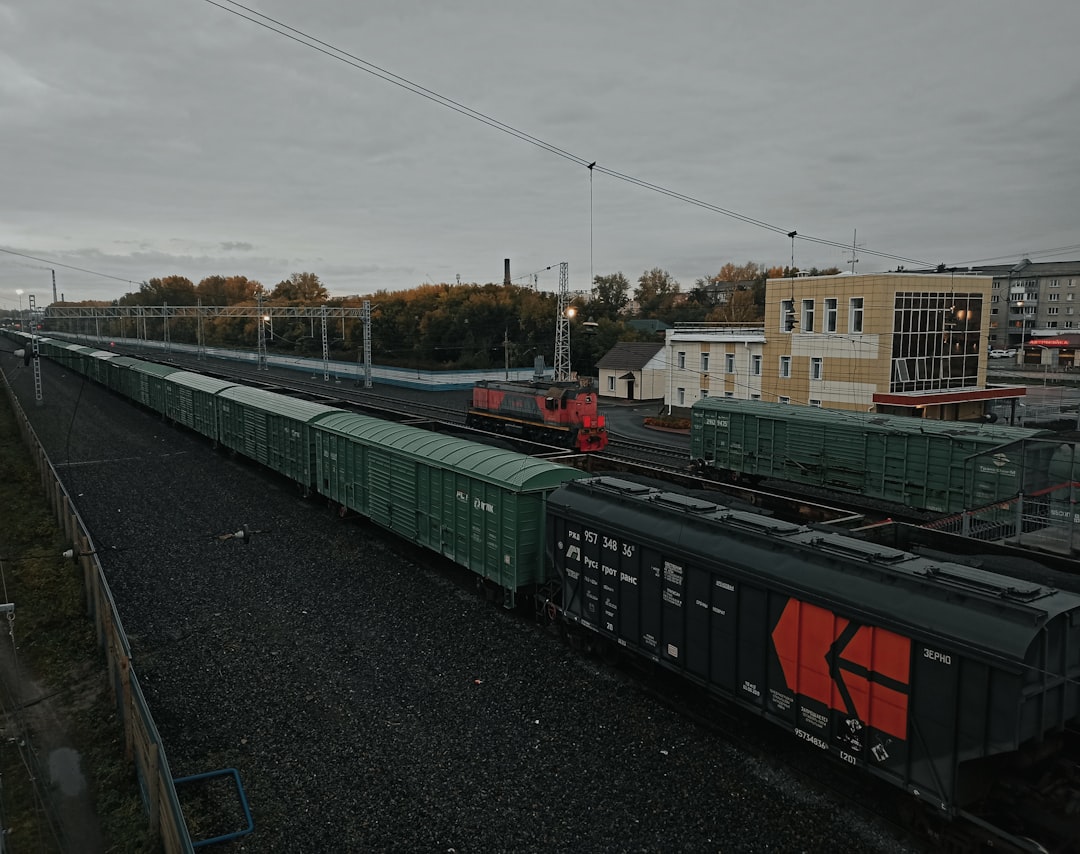
The Rhine river, a mighty artery of commerce, plays an indispensable role in the European steel industry, particularly in the efficient transportation of raw ore. This article will delve into the multifaceted aspects of this vital logistical network, exploring its historical significance, current operational capacities, the technological innovations driving its efficiency, the environmental considerations, and the future outlook for ore transport along this crucial waterway.
The relationship between the Rhine and the industrial heartland it traverses is not a recent development. For centuries, the river has served as a natural conduit for trade and industry.
The Dawn of Industrialization and the Rhine
As the Industrial Revolution took hold in the 18th and 19th centuries, the demand for raw materials, including iron ore, surged. The Rhine, with its navigable channels and access to burgeoning industrial centers like the Ruhr area, became a primary artery for bringing these essential commodities from mining regions to burgeoning factories. Early transport relied on a disparate fleet of barges and rafts, often powered by currents and human or animal labor.
Evolution of Barges and Infrastructure
Over time, technological advancements led to the development of larger, more efficient barges. Canalization projects and the construction of locks and dams along the Rhine improved its navigability, enabling larger vessels to travel further upstream and carry greater loads. The development of steam-powered tugboats was a significant step, allowing for the towing of multiple barges, thereby increasing the bulk carrying capacity of individual convoys. This period witnessed the gradual establishment of dedicated port facilities and loading/unloading infrastructure along the riverbanks.
The Impact of World Wars and Reconstruction
The World Wars inevitably disrupted Rhine traffic, impacting the flow of raw materials to the steel industry. However, the post-war reconstruction periods saw a renewed emphasis on the Rhine as a vital logistical corridor. Investments were made to repair and expand port facilities, dredge channels, and modernize the barge fleet. This period laid the groundwork for the highly integrated and efficient system observed today.
The steel industry heavily relies on efficient ore transport systems, and the Rhine River plays a crucial role in this logistics chain. A related article that delves into the intricacies of ore transport along the Rhine and its impact on the steel production process can be found at MyGeoQuest. This resource offers valuable insights into the challenges and innovations in the transportation of raw materials essential for steel manufacturing.
The Modern Rhine: A Lifeline for Steel
Today, the Rhine operates as a sophisticated, high-volume transport system, crucial for the continuous operation of the European steel industry. The sheer scale of ore moved daily underscores the river’s importance.
The Rhine-Scheldt Basin and Ore Origins
A significant portion of the iron ore destined for European steel mills originates from regions accessible via the Rhine-Scheldt basin, including deposits in France, Luxembourg, and further afield via intermodal connections. This strategic positioning allows for relatively short inland transit distances to key steel production sites. The river acts as a vast conveyor belt, bringing raw materials from their geological cradles to the furnaces that shape them.
Fleet Composition and Capacity
The modern Rhine fleet comprises a diverse range of vessels, from smaller, specialized barges to massive “push-tug” convoys capable of carrying thousands of tons of cargo. These vessels are designed for optimal draft and beam to navigate the river’s constraints. The continuous innovation in barge design, focusing on hull shape and propulsion efficiency, further enhances carrying capacity and fuel economy. A large convoy can be likened to a mobile, floating warehouse, efficiently moving mountains of ore.
Port Infrastructure and Intermodal Connectivity
The efficiency of ore transport is heavily reliant on the sophisticated port infrastructure located along the Rhine. These ports, such as Duisburg, Rotterdam, and Antwerp, are not merely loading and unloading points but complex logistical hubs. They feature advanced crane systems, conveyor belts, and storage facilities that facilitate rapid transshipment. Crucially, these ports also serve as critical intermodal nodes, seamlessly connecting river transport with rail and road networks, allowing for the final mile delivery of ore to steel mills not directly situated on the river. This interconnectedness is the web that binds the entire supply chain.
Technological Advancements Driving Efficiency
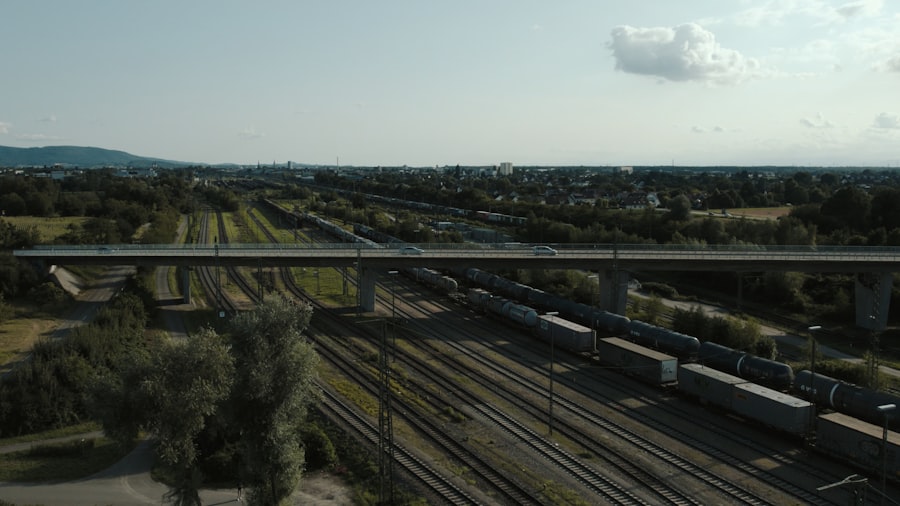
The ongoing pursuit of efficiency in Rhine ore transport is powered by continuous technological advancements, both in vessel design and operational management.
Advanced Barge and Propulsion Systems
Modern barges are engineered for fuel efficiency and reduced emissions. Innovations in hull design minimize drag, while advanced propulsion systems, including optimized propeller designs and fuel-efficient engines, contribute to lower operating costs and environmental impact. The development of hybrid and electric propulsion systems is also on the horizon, promising further reductions in the carbon footprint of ore transportation. The sleek efficiency of a modern barge is a testament to decades of hydrodynamic and engineering refinement.
Automated Loading and Unloading Technologies
The speed and accuracy of loading and unloading operations at ports have been dramatically improved through automation. Automated cranes, robotic systems, and advanced sensor technologies ensure that barges are loaded and unloaded with maximum efficiency, minimizing turnaround times and maximizing the utilization of the fleet. This automation is akin to the precise movements of a well-oiled factory, ensuring minimal downtime.
Digitalization and Logistics Optimization
The implementation of digital technologies, including GPS tracking, real-time data analytics, and advanced logistics software, has revolutionized the management of Rhine ore transport. These systems enable precise route planning, efficient scheduling, and proactive management of potential disruptions. This digital backbone ensures that the entire process operates like a finely tuned orchestra, with every element playing its part in harmony. Real-time monitoring provides a bird’s-eye view of the entire operation, allowing for swift adjustments to any deviation from the plan.
Environmental Considerations and Sustainability Efforts
While the Rhine offers a more environmentally friendly mode of transport compared to road or rail for bulk cargo, considerable efforts are being made to further enhance its sustainability.
Reduced Carbon Footprint Compared to Alternatives
Bulk transport by inland waterway generally possesses a significantly lower carbon footprint per ton-kilometer compared to road or rail transport. This inherent advantage makes the Rhine a cornerstone of sustainable logistics for the steel industry. Moving vast quantities of ore by barge is like choosing a fleet of fuel-sipping minivans over a single, gas-guzzling truck for a large party.
Emission Reduction Technologies and Strategies
The industry is actively investing in technologies and strategies to further reduce emissions from the Rhine fleet. This includes the retrofitting of existing vessels with cleaner engines, the adoption of alternative fuels such as liquefied natural gas (LNG), and the exploration of electrification for shorter routes. Stricter emission regulations are also a driving force behind these advancements.
Waterway Management and Ecological Preservation
Effective management of the Rhine waterway is crucial for both navigation and ecological preservation. Regular dredging ensures sufficient water depth, while efforts are made to minimize the impact of shipping traffic on aquatic ecosystems. This includes managing ballast water to prevent the introduction of invasive species and implementing measures to reduce noise pollution. The careful sculpting of the river’s flow is a delicate dance between commerce and nature. Safeguarding the river’s health is paramount for its continued viability as a transport artery.
The steel industry heavily relies on efficient ore transport systems, and the Rhine River plays a crucial role in this process. A recent article discusses the impact of river transport on the steel supply chain, highlighting how the Rhine facilitates the movement of raw materials to various production sites. For more insights into this topic, you can read the full article here. Understanding these logistics is essential for grasping the dynamics of the steel market and its dependence on waterways.
The Future of Ore Transport on the Rhine
| Metric | Value | Unit | Notes |
|---|---|---|---|
| Annual Ore Transport Volume | 15 | Million tonnes | Estimated volume of iron ore transported via the Rhine |
| Primary Transport Mode | Inland Shipping | – | Majority of ore transported by barges on the Rhine |
| Key Ports | Duisburg, Rotterdam, Antwerp | – | Main ports for ore handling along the Rhine |
| Average Transport Distance | 400 | km | Typical distance from port to steel plants |
| Transport Time | 12-24 | hours | Average time for barge transport along Rhine segments |
| CO2 Emissions Reduction | 30 | % | Compared to road transport for ore shipments |
| Annual Steel Production Supported | 20 | Million tonnes | Steel output relying on ore transported via Rhine |
The future of ore transport along the Rhine is poised for further evolution, driven by technological innovation, increasing sustainability demands, and the evolving needs of the steel industry.
Integration of Autonomous Shipping
The concept of autonomous barges and convoys is a significant area of research and development. Autonomous shipping promises enhanced safety, improved operational efficiency, and potentially reduced manning costs. While full autonomy may still be some way off, incremental steps towards more automated ship operations are likely to emerge. Imagine a fleet of vessels navigating the river with precision and intelligence, minimizing human error.
Development of Green Fuels and E-Navigation
The transition to green fuels, such as hydrogen and advanced biofuels, will play a crucial role in decarbonizing Rhine transport. Coupled with advancements in e-navigation and communication systems, this will create a more integrated, efficient, and environmentally sound transport network. The Rhine of the future will likely hum with the quiet efficiency of clean energy.
Adapting to Shifting Steel Production Landscapes
The demand for ore transport on the Rhine will continue to be influenced by the evolving landscape of steel production in Europe. Factors such as the growth of electric arc furnaces (which often use scrap metal) versus blast furnaces (which rely heavily on iron ore), and the geographical shifts in steel manufacturing, will shape future logistical requirements. The Rhine must remain agile, like a chameleon, adapting its capabilities to the changing colors of the industrial landscape it serves.
In conclusion, the Rhine river stands as a testament to the power of efficient logistics in supporting vital industries. Its historical trajectory, coupled with modern technological advancements and a growing commitment to sustainability, ensures its continued role as a cornerstone of ore transport for the European steel industry. The ceaseless flow of the Rhine mirrors the continuous flow of essential raw materials, a vital bloodstream feeding the heart of European manufacturing.
FAQs
What role does the Rhine River play in the transport of ore for the steel industry?
The Rhine River is a major waterway in Europe that facilitates the efficient transport of raw materials, including iron ore, to steel production centers. Its extensive network connects key mining regions with steel mills, enabling bulk shipment via barges and reducing transportation costs.
Which types of ore are commonly transported along the Rhine for steel manufacturing?
The primary type of ore transported along the Rhine for steel production is iron ore. Additionally, other raw materials such as coal and scrap metal may also be moved via the river to support steelmaking processes.
How does transporting ore via the Rhine benefit the steel industry compared to other transport methods?
Transporting ore by barge on the Rhine offers advantages such as lower fuel consumption, higher cargo capacity, and reduced road congestion. This mode of transport is cost-effective and environmentally friendlier compared to trucking or rail, making it ideal for heavy bulk commodities like ore.
What are some key ports along the Rhine involved in ore handling for the steel industry?
Important ports along the Rhine include Duisburg, Rotterdam, and Antwerp. These ports serve as major logistics hubs where ore is unloaded, stored, and transferred to steel plants or other transport modes, playing a critical role in the supply chain.
Are there any challenges associated with ore transport on the Rhine for the steel sector?
Challenges include fluctuating water levels due to seasonal changes or droughts, which can affect barge navigation and cargo capacity. Infrastructure maintenance and environmental regulations also impact the efficiency and sustainability of ore transport on the Rhine.