The Rhine River, a vital artery of commerce, flows through the heart of Europe, connecting industrial powerhouses and facilitating the movement of goods across a vast network. For businesses reliant on the efficient flow of raw materials and finished products, understanding and optimizing supply chain management along this historic waterway is not merely an advantage, it is a strategic imperative. This article will delve into the complexities of navigating the Rhine for supply chain purposes, exploring the multifaceted challenges and opportunities it presents.
The Rhine, stretching over 1,230 kilometers from the Swiss Alps to the North Sea, is one of Europe’s most important and heavily utilized waterways. Its strategic location, passing through six countries – Switzerland, Liechtenstein, Austria, Germany, France, and the Netherlands – makes it a natural conduit for trade. The river’s depth and navigability, despite seasonal variations and occasional impediments, allow for the passage of large vessels, thereby enabling cost-effective bulk transport.
Historical Significance of Rhine Navigation
From ancient Roman times, the Rhine has been central to trade and communication in Europe. Its historical role as a frontier and a bridge between cultures has also cemented its economic importance. The development of riparian industries, from mining and smelting in the Ruhr valley to chemical production in Basel, further amplified the river’s significance as a logistical backbone. The evolution of navigation technologies and infrastructure, such as canalization and dredging, has continually enhanced its capacity to serve modern industrial needs.
The Rhine’s Economic Footprint
The economic impact of the Rhine is substantial. It handles a significant portion of the European Union’s inland freight traffic, transporting goods ranging from coal, iron ore, and chemicals to grain, petroleum products, and consumer goods. Ports along the Rhine, such as Rotterdam, Antwerp (accessible via interconnecting waterways), Duisburg, and Basel, are major European logistics hubs, acting as gateways for international trade and distribution centers for regional markets. The efficient operation of these ports, seamlessly integrated with the riverine transport system, is critical for the functioning of numerous supply chains.
Geographical Advantages and Challenges
The Rhine’s geographical position offers undeniable advantages, providing direct access to major industrial regions and densely populated areas. However, this very centrality also presents challenges. Congestion, particularly in certain stretches and during peak seasons, can lead to delays. Furthermore, varying water levels, influenced by weather patterns and climate change, pose a constant threat to consistent navigability. Managing these geographical intricacies is a cornerstone of effective Rhine-based supply chain management.
In the context of supply chain management, the Rhine River plays a crucial role as a vital transportation route for goods in Europe. An insightful article that delves into the significance of the Rhine River in logistics and supply chain operations can be found at this link: Supply Chain Management and the Rhine River. This resource explores how the river facilitates trade and impacts the efficiency of supply chains across the region.
Understanding the Rhine’s Network Infrastructure
The functionality of supply chains on the Rhine is heavily dependent on the intricate network of infrastructure that supports riverine transportation. This includes not only the river itself but also the ports, terminals, and interconnecting waterways that extend its reach.
Port Operations and Efficiency
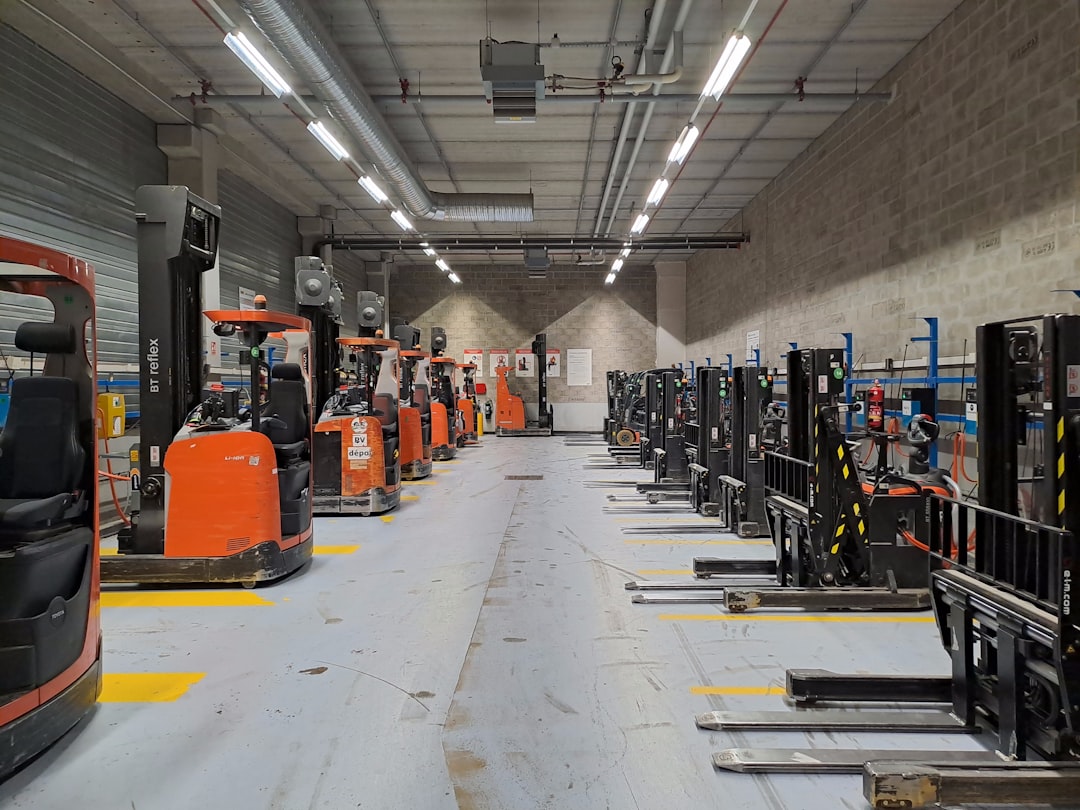
Major Rhine ports are sophisticated logistical complexes. They are equipped with specialized cranes, container terminals, tank storage facilities, and bulk handling equipment. The efficiency of these ports directly impacts the speed at which goods can be loaded and unloaded, affecting transit times and overall supply chain velocity. Understanding the operational capacity, technological adoption, and labor practices within these ports is crucial for businesses. For instance, the integration of digital platforms for port calls, cargo tracking, and customs clearance can significantly streamline operations.
Intermodal Connectivity
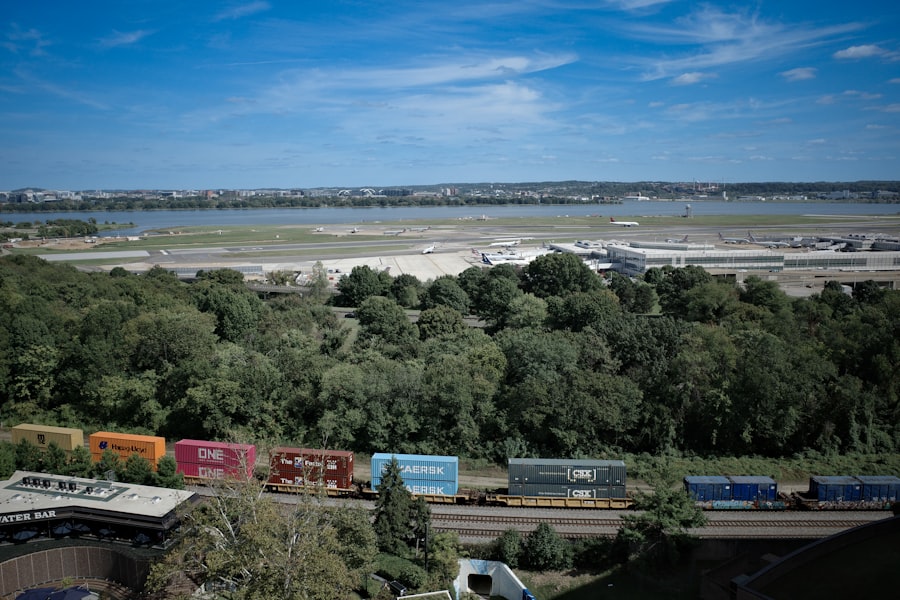
The Rhine does not operate in isolation. Its true power as a supply chain conduit lies in its seamless integration with other modes of transport – rail, road, and even air cargo. Terminals along the Rhine often serve as intermodal hubs, where goods can be transferred from barges to freight trains or trucks, and vice versa. This intermodal connectivity is the engine that drives the distribution of goods from the river to their final destinations, or from production sites to the river for onward transit. Businesses must carefully assess the availability and efficiency of these interconnections to ensure a fluid end-to-end supply chain.
Canal Systems and Inland Waterways
Beyond the main Rhine channel, a network of canals and other inland waterways extends the river’s reach into less accessible regions. These can include the Albert Canal connecting to Antwerp, the Rhine-Main-Danube Canal linking the Rhine to the Black Sea, and various regional canals that serve industrial clusters. Understanding the navigability and capacity of these connecting waterways is essential for companies looking to optimize their sourcing or distribution networks beyond the immediate Rhine corridor.
Navigational Aids and Safety
Maintaining safe and efficient navigation requires a sophisticated system of navigational aids, including buoys, channel markers, radar systems, and river information services (RIS). These provide critical real-time data to vessel captains regarding water levels, currents, traffic, and potential hazards. Investment in and adherence to these safety protocols are paramount for ensuring the reliability and punctuality of shipments.
Key Stakeholders in Rhine Supply Chains

Successfully managing supply chains on the Rhine involves navigating a complex web of stakeholders, each with their own interests and responsibilities. Cooperation and clear communication are the keys to unlocking the full potential of this logistical ecosystem.
Shipping Companies and Barge Operators
These are the direct operators of the vessels that traverse the Rhine. Their fleet size, vessel type (e.g., tankers, container barges, dry bulk carriers), routes, and operational flexibility are critical factors. Building strong relationships with reliable shipping companies who understand the nuances of Rhine navigation is vital. Understanding their scheduling, capacity constraints, and pricing strategies will inform procurement and logistics decisions.
Port Authorities and Terminal Operators
As mentioned previously, ports are vital nodes. Port authorities are responsible for the overall management and development of port facilities, including infrastructure, safety, and environmental regulations. Terminal operators are responsible for the day-to-day handling of cargo within the port. Their efficiency, investment in automation, and responsiveness to market demands directly impact the speed and cost of cargo movement.
Logistics Service Providers (LSPs) and Freight Forwarders
LSPs and freight forwarders act as intermediaries, coordinating shipments on behalf of businesses. They possess the expertise to select the most appropriate transport modes, manage documentation, arrange for customs clearance, and optimize routing. For many companies, engaging with specialized LSPs experienced in Rhine logistics can be a strategic advantage, allowing them to focus on their core business while entrusting complex logistical challenges to experts.
Regulatory Bodies and Government Agencies
Numerous governmental and supra-governmental bodies, such as the Central Commission for the Navigation of the Rhine (CCNR) and national port authorities, establish and enforce regulations governing navigation, safety, environmental protection, and customs procedures. Staying abreast of these regulations, which can impact vessel types, cargo handling, and transit times, is essential for compliance and operational smoothness.
Industrial Consumers and Producers
At the origin and destination of the supply chains are the industrial players themselves. Their production schedules, inventory management strategies, and demand fluctuations directly influence the volume and timing of goods moved along the Rhine. Effective communication between these entities and their logistics partners is crucial for forecasting and resource allocation.
Managing Risks and Contingencies on the Rhine
The Rhine, like any major logistical artery, is susceptible to disruptions. Proactive risk management and robust contingency planning are therefore essential for maintaining supply chain resilience.
Water Level Fluctuations and Drought
Perhaps the most significant ongoing risk is the variability of water levels in the Rhine. Prolonged periods of drought can lead to significantly reduced depth, forcing vessels to reduce their load or even cease operations altogether. This can cause substantial delays and necessitate costly rerouting or the use of alternative transport modes. Monitoring weather forecasts and water level predictions is a constant task for Rhine logistics professionals. Developing flexible contractual arrangements with suppliers and alternative transport options can serve as a buffer against these events.
Congestion and Bottlenecks
The high volume of traffic on the Rhine, particularly in popular stretches and near major ports, can lead to congestion. This can manifest as waiting times for vessels to dock, slow passage through narrow channels, or delays at intermodal transfer points. Understanding typical congestion patterns and communicating with port authorities and shipping companies can help mitigate these issues. Strategic scheduling of shipments to avoid peak times, where possible, can also be beneficial.
Environmental Regulations and Incidents
The Rhine is a sensitive ecosystem, and stringent environmental regulations govern shipping activities, including emissions, waste disposal, and the transport of hazardous materials. Environmental incidents, such as oil spills or pollution events, can lead to temporary closures of sections of the river, significant cleanup costs, and reputational damage. Adherence to environmental protocols and investing in sustainable shipping practices are not only a matter of compliance but also a crucial element of risk mitigation.
Geopolitical and Economic Factors
Beyond the purely operational, geopolitical events, such as trade disputes, labor strikes in key industries, or broader economic downturns, can indirectly impact Rhine supply chains. Shifts in global trade patterns or the economic health of riparian nations can influence demand for goods and the availability of shipping capacity. Monitoring these macro-economic and geopolitical trends is important for long-term strategic planning.
Technological Disruptions and Cybersecurity
The increasing digitalization of supply chains also introduces new risks. Cybersecurity threats to port management systems, vessel navigation, or communication networks can have cascading effects on the entire supply chain. Investing in robust cybersecurity measures and ensuring the integrity of digital platforms is becoming increasingly critical.
Supply chain management is a critical aspect of modern logistics, and the Rhine River plays a significant role in facilitating trade and transportation in Europe. The river serves as a vital artery for the movement of goods, connecting various industrial hubs and ports. For a deeper understanding of how waterways like the Rhine impact supply chain efficiency, you can explore a related article that discusses the intricate dynamics of logistics in this region. This insightful piece can be found here.
Optimizing Supply Chains for Rhine Operations
| Metric | Value | Unit | Description |
|---|---|---|---|
| Annual Cargo Volume | 230 | Million Tons | Total volume of goods transported via the Rhine River annually |
| Number of Ports | 80 | Ports | Major commercial and industrial ports along the Rhine River |
| Average Transit Time | 48 | Hours | Average time for cargo to travel between key supply chain points on the Rhine |
| Modal Share | 35 | Percent | Percentage of freight transported by inland waterways on the Rhine compared to other modes |
| CO2 Emissions Reduction | 25 | Percent | Estimated reduction in emissions by using Rhine River transport over road freight |
| Annual Economic Impact | 150 | Billion Euros | Economic value generated by supply chain activities along the Rhine River |
| Number of Supply Chain Companies | 1200 | Companies | Companies involved in logistics, shipping, and supply chain management on the Rhine |
To harness the full potential of the Rhine for supply chain management, a strategic and proactive approach to optimization is required. This involves leveraging technology, fostering collaboration, and embracing innovation.
Data Analytics and Real-Time Tracking
The abundance of data generated by Rhine logistics – from vessel movements and cargo manifests to port operations and traffic information – offers significant opportunities for optimization. Implementing robust data analytics platforms allows businesses to gain insights into operational efficiency, identify bottlenecks, predict potential delays, and optimize inventory levels. Real-time tracking of shipments provides visibility throughout the supply chain, enabling immediate responses to disruptions.
Embracing Digitalization and Automation
The ongoing digitalization of port operations, including the use of IoT sensors, automated guided vehicles (AGVs), and AI-powered decision support systems, is transforming efficiency. Companies that embrace these technologies, either directly or through their logistics partners, can expect faster turnaround times, reduced errors, and improved resource utilization. The adoption of unified digital platforms for cargo booking, documentation, and communication can streamline interactions between all stakeholders.
Collaborative Planning and Forecasting
Effective supply chain management on the Rhine is not a solitary endeavor. Fostering close collaboration between manufacturers, distributors, shipping companies, and port authorities through shared forecasting and joint planning initiatives can lead to significant improvements. This includes sharing demand forecasts, production schedules, and inventory data to enable more accurate load planning and resource allocation, thereby minimizing empty runs and maximizing vessel utilization.
Sustainable Logistics and Green Shipping
With increasing environmental awareness and regulatory pressure, adopting sustainable logistics practices is becoming a competitive differentiator. This includes exploring more fuel-efficient vessels, optimizing routes to minimize emissions, and investing in cleaner port technologies. The Rhine is a prominent waterway, and environmentally conscious operations can enhance a company’s reputation and contribute to long-term sustainability goals. Initiatives focused on reducing packaging waste and promoting circular economy principles within the supply chain are also gaining traction.
Flexibility and Agility in Network Design
The Rhine’s inherent challenges and opportunities demand a flexible and agile supply chain network. This means having alternative sourcing and distribution options readily available, utilizing a diverse range of transport modes, and being able to quickly adapt to changing market conditions or unexpected disruptions. Building redundancy into the network, where feasible, can significantly enhance resilience. Continuous review and adaptation of the supply chain design based on performance data and evolving risk landscapes is a hallmark of successful Rhine logistics management.
In conclusion, navigating the Rhine for supply chain management presents a complex yet rewarding landscape. By understanding the river’s unique characteristics, leveraging its extensive infrastructure, engaging effectively with stakeholders, proactively managing risks, and embracing optimization strategies, businesses can transform the Rhine into a powerful engine for efficient, cost-effective, and resilient supply chains across Europe. The river, a timeless symbol of connection and commerce, continues to offer immense potential for those who skillfully chart its course.
FAQs
What is supply chain management along the Rhine River?
Supply chain management along the Rhine River involves coordinating and optimizing the flow of goods, information, and resources through the transportation networks that utilize the river. The Rhine is a major European waterway that connects industrial regions, facilitating efficient movement of raw materials and finished products.
Why is the Rhine River important for supply chain logistics?
The Rhine River is one of Europe’s busiest inland waterways, providing a cost-effective and environmentally friendly transportation route. It links key industrial and commercial hubs in countries like Switzerland, Germany, France, and the Netherlands, making it vital for regional and international supply chains.
What types of goods are commonly transported via the Rhine River?
Common goods transported on the Rhine include bulk commodities such as coal, iron ore, chemicals, petroleum products, agricultural products, and manufactured goods. The river supports both raw materials for industry and finished products for distribution.
How does the Rhine River impact supply chain efficiency?
Using the Rhine River for transportation can reduce congestion on roads and railways, lower transportation costs, and decrease carbon emissions. Its extensive network of ports and intermodal connections enhances supply chain flexibility and reliability.
What challenges affect supply chain management on the Rhine River?
Challenges include seasonal water level fluctuations that can limit vessel capacity, infrastructure maintenance needs, regulatory differences between countries, and environmental concerns. Effective supply chain management must address these factors to ensure smooth operations.