The chemical industry, a titan of manufacturing, forms the bedrock of countless modern conveniences and essential goods. From the plastics that envelop our products to the fertilizers that nourish our crops, the medicines that heal us to the detergents that keep us clean, its reach is pervasive. Yet, beneath the gleaming reactors and complex molecular structures, lies a fundamental dependency on a seemingly simple, yet profoundly powerful force: river transport. For many chemical manufacturers, rivers are not merely natural waterways; they are the arteries of their operations, delivering raw materials and carrying away finished products with a reliability and cost-effectiveness that few other modes of transport can match.
The chemical industry is inherently resource-intensive. Its very essence is the transformation of raw materials into higher-value products. These foundational ingredients, often mined or extracted from the earth, are frequently located far from the processing plants. Rivers, in this context, act as the primary conveyor belts, ensuring a consistent and substantial flow of these vital inputs.
Bulk Commodities: The River’s Embrace
Many essential chemical feedstocks are transported in massive quantities. Think of coal and natural gas, the traditional energy sources and building blocks for a vast array of petrochemicals. These are not materials that can be easily trucked or railed in the vast volumes required by large-scale chemical complexes without incurring prohibitive costs and logistical nightmares. Barges, on the other hand, are workhorses of bulk transport. A single barge can carry the equivalent of dozens of railcars or hundreds of trucks. This sheer capacity makes river transport indispensable for materials like:
- Minerals and Ores: Limestone for calcium carbonate, phosphates for fertilizers, salt for chlorine production – these mineral resources are often mined near river systems and shipped to chemical plants situated at strategic locations.
- Fossil Fuels: Crude oil and natural gas, the genesis of much of the organic chemical industry, are frequently moved via pipelines that often originate near or are connected to port facilities accessible by navigable rivers. Refined products then move onward.
- Grains and Biomass: With the growing emphasis on renewable feedstocks, agricultural products like corn and soybeans, used in the production of biofuels and bio-based chemicals, are increasingly reliant on river transport from farms to processing centers.
Proximity and Accessibility: The Strategic Advantage
The historical siting of many chemical plants was directly influenced by their proximity to navigable waterways. These locations offered a dual benefit: easy access for incoming raw materials and a convenient outlet for outgoing finished goods. This has created a deeply ingrained symbiotic relationship. While new plants are sometimes built further afield, retrofitting existing infrastructure or establishing new hubs often still prioritizes river access due to the established economic advantages.
The chemical industry heavily relies on river transport for the efficient movement of raw materials and finished products, making it a critical component of the supply chain. A related article that delves into the implications of this dependency can be found at MyGeoQuest, where the challenges and opportunities presented by river transport in the chemical sector are explored in detail. This resource provides valuable insights into how the industry can optimize logistics while addressing environmental concerns associated with river transportation.
Enabling Economical Product Distribution
The chemical industry’s output is as diverse as its inputs. From microscopic particles in pharmaceuticals to macroscopic plastic pellets, the efficient and cost-effective distribution of these products is paramount to their market viability. River transport plays a crucial role in this final leg of the supply chain.
Reaching Inland Markets: Traversing the Continent
Many chemical production facilities are situated inland, far from coastal ports. Rivers act as natural highways, allowing these facilities to reach broader domestic markets without the need for expensive transloading. This is particularly true for large-volume, lower-value chemicals where transportation costs can represent a significant portion of the final price.
- Midwestern Manufacturing Hubs: The industrial heartland of countries like the United States, with its extensive network of navigable rivers, has historically been a prime location for chemical manufacturing precisely because of this transport advantage.
- Connecting Production to Consumption: Rivers can directly link production sites to major consumption centers, reducing transit times and handling costs for products that are not time-sensitive.
Global Reach Through Intermodal Connectivity
While rivers may seem inherently regional, they are often critical nodes in a much larger, intermodal transportation network. Chemical manufacturers leverage this connectivity to extend their reach globally.
- River Ports as Transfer Points: River ports are frequently equipped with facilities to transfer chemicals from barges to ocean-going vessels, or from trucks and railcars to barges. This seamless transition is vital for the efficient movement of goods across continents and oceans.
- Just-in-Time Delivery: The reliability of river transport, particularly for bulk movements, allows for more precise inventory management and “just-in-time” delivery schedules, minimizing warehousing costs and the risk of stockouts.
The Environmental Dimension: A Mixed Blessing
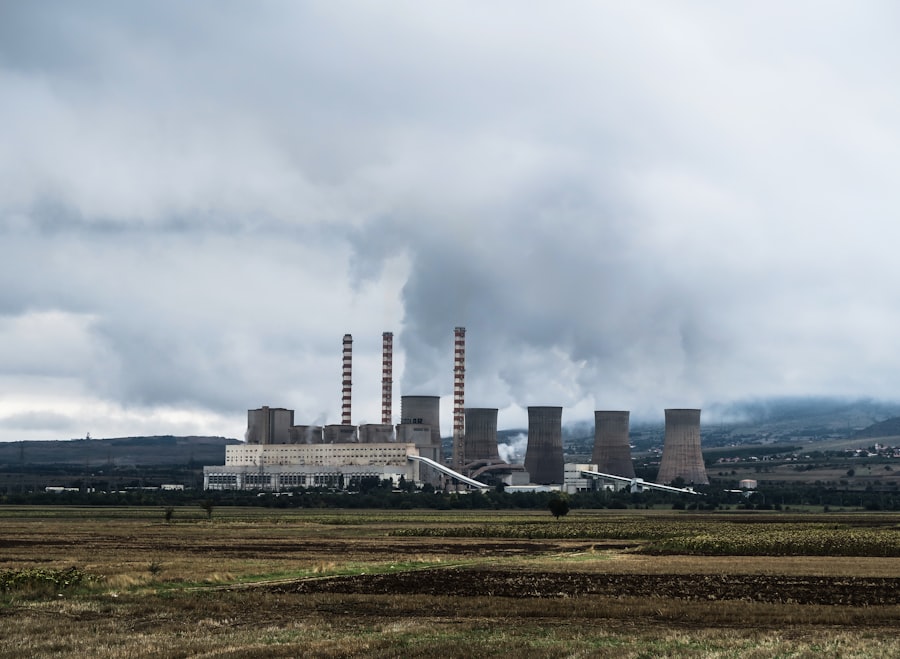
The chemical industry is under increasing scrutiny regarding its environmental footprint. While river transport offers certain environmental advantages over other modes, it also presents its own set of challenges.
Reduced Carbon Emissions per Ton-Mile
Compared to trucking and even rail transport, barges generally have a lower carbon footprint per ton-mile. This is due to the greater efficiency of moving heavy loads through water, requiring less fuel to overcome resistance. In an era of heightened environmental awareness and stringent emissions regulations, this factor carries significant weight.
- Fuel Efficiency: The inherent buoyancy and reduced friction of water allow barges to move vast quantities of cargo with relatively modest fuel consumption.
- Lower Congestion: Rivers, unlike congested road networks, offer a more predictable and less traffic-jammed pathway, further contributing to fuel efficiency.
Potential for Waterway Disruption and Pollution
Despite its advantages, river transport is not without its environmental risks. The chemical industry, by its very nature, handles materials that can be hazardous.
- Accidental Spills: While rare, accidents involving barges carrying chemicals can lead to significant environmental damage through spills, contaminating water sources and harming aquatic ecosystems. Stringent safety regulations and improved vessel design are continuously working to mitigate these risks.
- Impact on Aquatic Life: The movement of large vessels can create wake, sediment disturbance, and noise pollution that can affect aquatic habitats and species. Dredging of riverbeds to maintain navigability can also have ecological consequences.
- Water Usage: While not directly related to transport, the chemical industry’s reliance on rivers for cooling and process water also raises concerns about water resource management and potential thermal or chemical pollution of waterways.
The Economics of Efficiency: A Competitive Edge
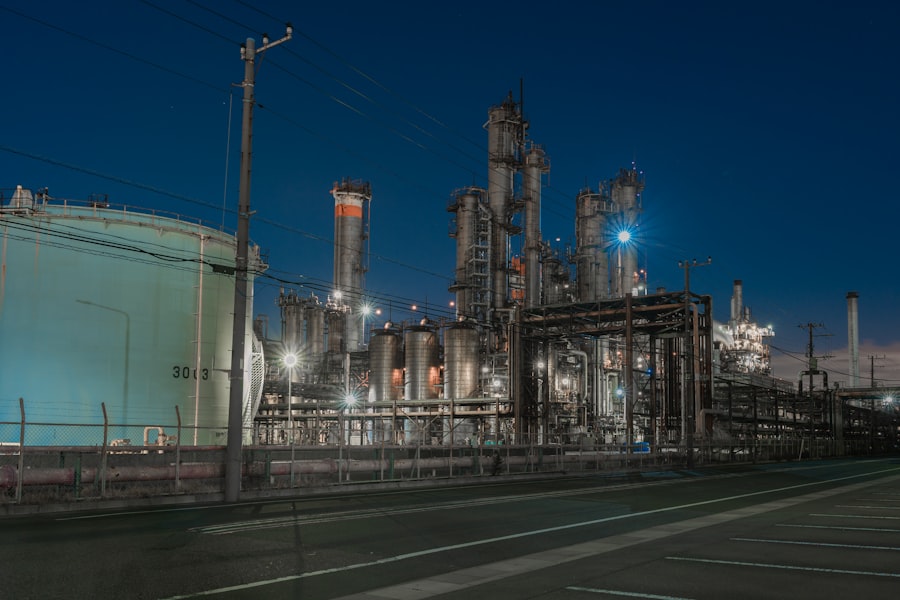
In the hyper-competitive global chemical market, every cost-saving measure is a strategic advantage. River transport, with its inherent economic efficiencies, provides a crucial edge for many chemical manufacturers.
Cost-Effectiveness for High-Volume Shipments
The sheer scale at which chemicals are produced and transported makes cost a dominant factor. Barges, as mentioned, are exceptionally cost-effective for moving large volumes of goods over long distances.
- Economies of Scale: The ability to move hundreds or thousands of tons in a single barge tow translates into significantly lower per-unit transportation costs compared to other modes. This allows chemical companies to remain competitive in pricing their products.
- Reduced Labor Costs: While operating a barge fleet requires skilled personnel, the labor cost per ton of cargo moved is generally lower than for trucking or even rail operations.
Predictability and Stability of Costs
While subject to factors like fuel prices and seasonal water levels, river transport costs tend to be more predictable and stable over the long term compared to, for example, fluctuating fuel prices that heavily impact trucking. This predictability aids in financial planning and risk management for chemical companies.
The chemical industry heavily relies on river transport for the efficient movement of raw materials and finished products, which is crucial for maintaining supply chain stability. A related article discusses the environmental impacts and logistical challenges associated with this dependency, providing insights into how companies can optimize their operations while minimizing ecological footprints. For more information, you can read the article here.
Navigating the Future: Challenges and Innovations
| Metric | Value | Unit | Notes |
|---|---|---|---|
| Percentage of Chemical Industry Freight Transported via Rivers | 35 | % | Estimated share of total chemical freight volume |
| Annual Volume of Chemicals Transported by River | 12 | Million Tons | Data from major river transport routes in Europe |
| Average Distance of River Transport for Chemicals | 250 | Kilometers | Typical shipment distance on inland waterways |
| Cost Efficiency Compared to Road Transport | 20 | % Lower | Average cost savings using river transport |
| CO2 Emissions Reduction Using River Transport | 40 | % | Compared to equivalent road transport emissions |
| Number of Chemical Industry Facilities Located Near Rivers | 150 | Facilities | Facilities with direct river access for logistics |
| Share of Hazardous Chemical Shipments via River | 25 | % | Proportion of hazardous materials transported by river |
The chemical industry’s reliance on river transport is a long-established partnership, but like all such relationships, it faces evolving challenges and opportunities.
Infrastructure Investment and Maintenance
The continued viability of river transport is intrinsically linked to the quality of the waterway infrastructure. Locks, dams, and navigation channels require ongoing investment and maintenance to ensure they can handle the increasing demands of industry. Aging infrastructure can lead to delays and increased operational costs.
- Government Funding and Partnerships: The chemical industry often advocates for government investment in waterway infrastructure, recognizing it as a shared public good that underpins economic activity. Public-private partnerships are increasingly being explored to fund necessary upgrades.
- Modernization of Lock Systems: Older lock systems can become bottlenecks. Modernization projects, aimed at increasing lock capacity and efficiency, are crucial for maintaining the flow of goods.
Technological Advancements and Sustainability
The chemical industry is not static, and neither is its transportation needs. Innovations in barge design, propulsion systems, and logistics management are shaping the future of river transport.
- Environmentally Friendly Propulsion: Research into more fuel-efficient engines and alternative fuels for tugboats and barges is ongoing, aiming to further reduce the environmental impact of river transport.
- Smart Logistics and Digitalization: The integration of digital technologies, such as GPS tracking, real-time communication, and advanced scheduling software, is improving the efficiency and transparency of riverine supply chains.
- Development of Specialized Barges: As the chemical industry evolves, so too do the requirements for transporting specialized materials. The development of barges tailored for hazardous chemicals, temperature-sensitive products, or specific bulk materials enhances safety and efficiency.
Adapting to Climate Change and Water Scarcity
Climate change poses a significant threat to river transport through altered precipitation patterns, leading to both extreme floods and prolonged droughts. Low water levels can make rivers impassable for barges, disrupting supply chains.
- Drought Mitigation Strategies: Chemical companies and river port authorities are exploring strategies to mitigate the impact of droughts, such as improved water management at dams and the development of shallower-draft vessels.
- Flood Control and Resilience: Conversely, extreme floods can also disrupt operations. Investing in flood defenses and resilient infrastructure is becoming increasingly important.
In conclusion, the chemical industry’s reliance on river transport is a foundational element of its operational success. Rivers are the unsung heroes, diligently ferrying the lifeblood of raw materials to manufacturers and carrying the fruits of their labor to markets, all while offering a comparatively sustainable and economical means of transit. As the industry navigates the complexities of the 21st century, from environmental stewardship to global economic shifts, the enduring partnership with these vital waterways will undoubtedly continue to shape its trajectory, demanding ongoing investment, innovation, and a keen understanding of the currents that drive its progress.
FAQs
What is the role of river transport in the chemical industry?
River transport plays a crucial role in the chemical industry by providing an efficient and cost-effective means of moving raw materials and finished products. It allows for the transportation of large volumes of chemicals, often in bulk, which is essential for meeting production and distribution demands.
Why is the chemical industry dependent on river transport?
The chemical industry depends on river transport because it offers a reliable and environmentally friendly option for shipping hazardous and non-hazardous materials. Rivers often connect key industrial regions and ports, facilitating smooth logistics and reducing reliance on road and rail networks that may be more congested or costly.
What are the advantages of using river transport for chemicals?
Advantages include lower transportation costs, higher cargo capacity, reduced traffic congestion, and lower greenhouse gas emissions compared to road transport. Additionally, river transport can handle large and heavy shipments that might be impractical or unsafe to move by other means.
What challenges does the chemical industry face with river transport?
Challenges include seasonal water level fluctuations, which can affect navigability, infrastructure limitations such as port and lock capacities, and regulatory compliance related to the safe handling and transport of hazardous chemicals. Weather conditions and environmental concerns also impact river transport operations.
How does river transport impact the sustainability of the chemical industry?
River transport contributes to the sustainability of the chemical industry by reducing carbon emissions and energy consumption compared to road and air transport. It supports greener supply chains and helps companies meet environmental regulations and sustainability goals by minimizing their transportation footprint.