The Rhine River, a vital artery of European commerce, presents a complex interplay of engineering, economics, and environmental factors, particularly concerning the draft limits imposed on its vast fleet of barges. These limitations, driven by a confluence of hydrological conditions, infrastructure constraints, and regulatory frameworks, act as an invisible hand guiding the flow of goods and shaping the profitability of maritime transport across the continent. To fully comprehend the intricacies of Rhine navigation, one must delve into the multifaceted considerations that dictate how deeply a laden vessel can safely penetrate its waters.
The Rhine’s character is in constant flux, a dynamic waterway whose depth and navigability are intimately tied to the rhythm of nature. Understanding these hydrological variations is paramount to grasping the challenges and opportunities faced by barge operators.
Precipitation and Snowmelt: The River’s Lifeblood
The primary drivers of the Rhine’s water levels are precipitation and snowmelt. Heavy rainfall in its catchment area, particularly in the Swiss Alps and the Black Forest, significantly contributes to increased discharge, leading to higher water levels. Conversely, prolonged dry spells can cause substantial drops in depth, often necessitating reductions in barge loading.
Seasonal Fluctuations: A Predictable Rhythm, Unpredictable Extremes
The Rhine typically exhibits predictable seasonal fluctuations. Spring and early summer often see higher water levels due to snowmelt, offering optimal conditions for fully-laden barges. Autumn and winter, however, can bring periods of low water, especially in drier years, as well as unpredictable flood events from intense precipitation. These extremes significantly impact operational planning.
Climate Change: A Shifting Baseline
Emerging as a critical factor, climate change is increasingly influencing the Rhine’s hydrological regime. Scientists project more frequent and intense low-water periods, alongside a greater likelihood of extreme flood events. This shifting baseline necessitates adaptation strategies from both navigation authorities and commercial operators. The very definition of “normal” water levels is undergoing re-evaluation, forcing a re-think of long-term investment and operational models.
The Rhine River, a vital waterway for trade and transport in Europe, has specific barge draft limits that are crucial for ensuring safe navigation. These limits can vary depending on water levels and weather conditions, impacting the shipping industry significantly. For a deeper understanding of the implications of these draft limits and how they affect logistics along the Rhine, you can read a related article at this link.
Infrastructure Constraints: The River’s Bed and Banks
Beyond the fluctuating water levels, the physical characteristics of the Rhine itself impose inherent limitations on barge draft. These are not merely natural features but also the result of centuries of human intervention aimed at shaping the river for navigation.
Riverbed Morphology: Shallows and Bottlenecks
The Rhine’s riverbed is not uniformly deep. Shoals, sandbanks, and rocky outcrops naturally occur, particularly in certain sections. These inherent topographical variations constitute natural bottlenecks, demanding careful navigation and limiting the maximum permissible draft even during periods of abundant water. Operators meticulously consult depth charts and current river information to plot safe courses.
Weirs and Locks: Man-made Regulators
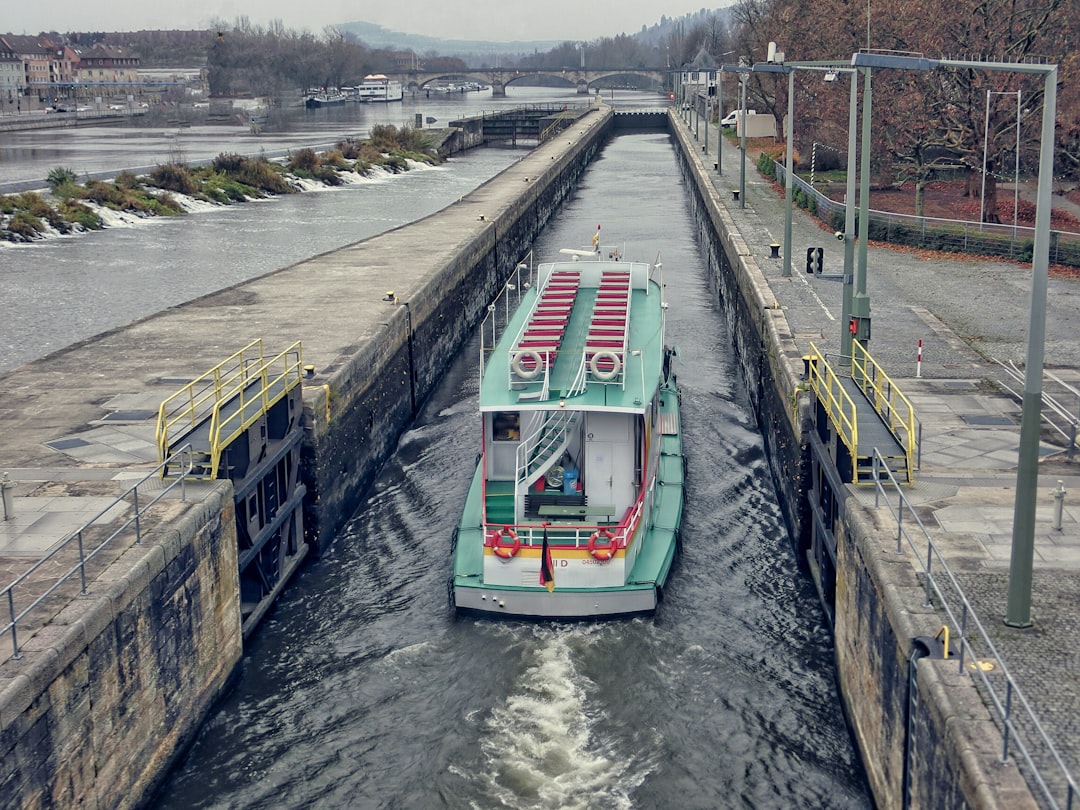
While locks facilitate the passage of vessels between different elevation levels (e.g., in the Upper Rhine), weirs regulate water flow and maintain navigable depths in specific stretches. While beneficial for maintaining stability, these structures can also impose height restrictions and, indirectly, draft limitations by dictating the water levels in the impounded sections. The passage through a lock itself, with its controlled depth, can be a determining factor for a vessel’s overall permissible draft for that segment.
Bridge Clearances: The Overhead Challenge
While not directly a draft limit, bridge clearances impose an upper limit on a vessel’s air draft, which in turn can influence the type and design of barges operating on the Rhine. Lower bridges necessitate lower cargo stacks or specialized vessels, adding another layer of complexity to logistical planning. This interplay highlights that navigation is a three-dimensional challenge, not merely a two-dimensional consideration of depth.
Dredging Operations: The Constant Battle
To mitigate the impact of shoals and sedimentation, extensive dredging operations are routinely conducted by navigation authorities. These efforts, costly and continuous, aim to maintain a minimum navigable depth in critical sections, thereby directly influencing the practical draft limits. The effectiveness and frequency of dredging are crucial for ensuring the Rhine’s continued economic viability as a transport route.
Regulatory Frameworks and Navigational Safety
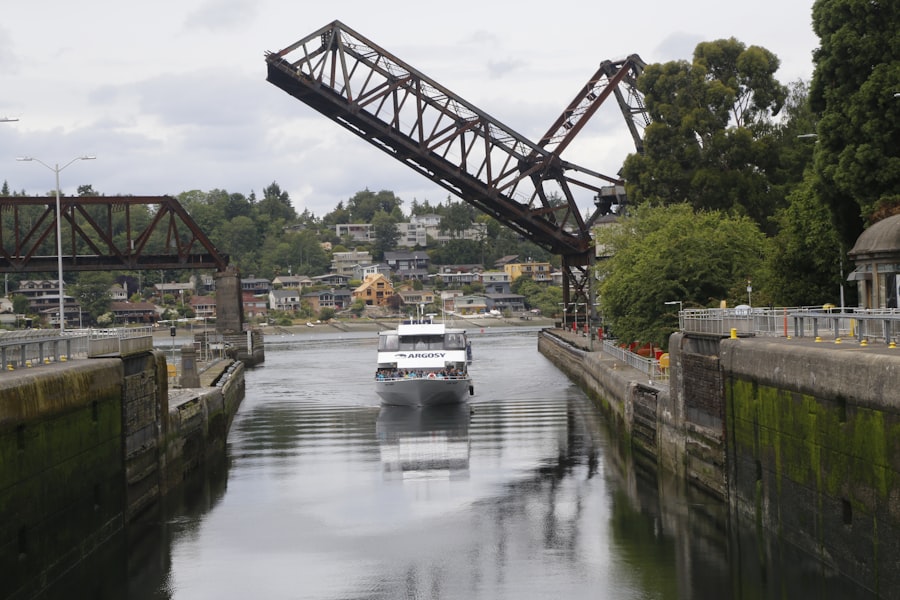
To ensure safe passage for the multitude of vessels plying its waters, the Rhine is governed by a robust framework of international and national regulations. These rules are fundamental in defining and enforcing draft limits.
International Conventions: A Harmonized Approach
The Revised Convention for Rhine Navigation (Mannheim Convention of 1868 and subsequent revisions) provides the foundational legal framework for free navigation on the Rhine. While not directly setting draft limits, it establishes the principles of navigation and fosters cooperation among riparian states, leading to harmonized approaches to safety and environmental protection.
National Regulations and River Police: Local Enforcement
Each riparian state (Switzerland, France, Germany, the Netherlands) has its own national regulations and river police forces that enforce navigational rules, including those pertaining to draft. These authorities monitor water levels, issue official depth information, and enforce loading restrictions. Disregarding these regulations can lead to significant penalties, undermining the economic viability of a voyage and posing a safety risk.
Gauge Readings and Reference Points: The Numeric Guide
Critical to navigating draft limits are the official gauge readings provided at numerous points along the river. These gauges measure the water level relative to a specific zero point. Barge operators consult these readings diligently, often using specific navigation software that integrates real-time data. Understanding the relationship between gauge readings, projected depths, and a vessel’s certified maximum draft is akin to deciphering a complex code, vital for safe passage.
Safety Margins: The Unseen Buffer
Regulators and operators alike incorporate safety margins into their draft calculations. These margins account for potential uncertainties such as sudden shifts in cargo, wave action, or inaccuracies in depth soundings. Prudent navigation dictates that a vessel loaded to its absolute maximum permissible draft still maintains a small buffer between its keel and the riverbed, often expressed as a “safe underkeel clearance.” This buffer is the unseen guardian against unforeseen hazards.
Economic Implications: The Bottom Line of Depth
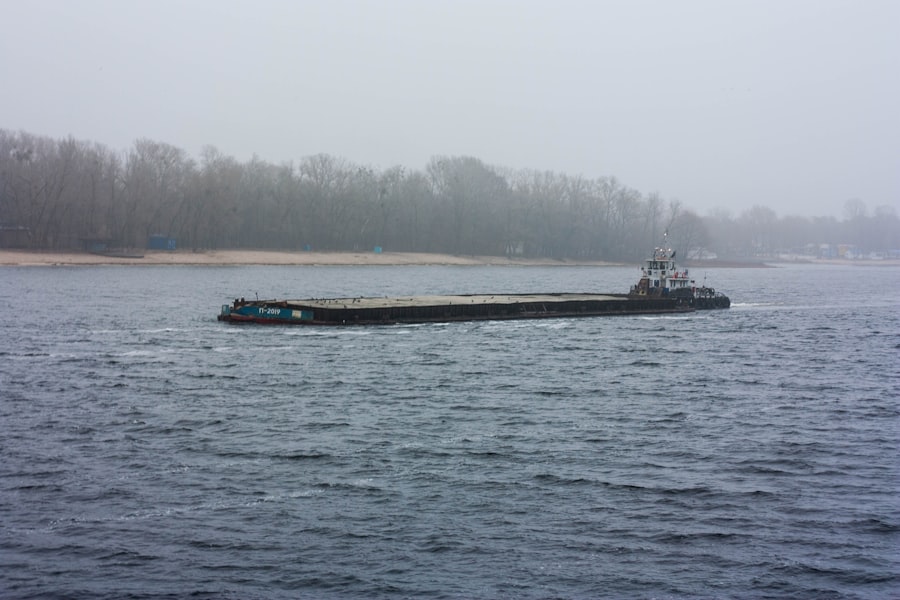
The concept of barge draft limits resonates deeply within the economic landscape of Rhine navigation. Every centimeter of lost draft translates directly into lost cargo capacity, impacting profitability and supply chain efficiency.
Cargo Capacity and Freight Rates: The Weight of Limits
The most immediate economic impact of draft limits is on cargo capacity. A vessel constrained by low water cannot carry its full intended load. This necessitates either fewer goods per voyage, leading to increased transport costs per unit, or employing more barges, escalating operational expenses. Freight rates often fluctuate inversely with water levels, spiking during periods of severe low water as the cost of transport rises due to reduced capacity. It’s a delicate balancing act where a deep river translates into a deeper profit margin.
Logistical Planning and Risk Management: The Unfolding Challenge
For shippers and logistics providers, fluctuating draft limits introduce considerable complexity into logistical planning. Predicting water levels months in advance is challenging, forcing companies to adopt robust risk management strategies. This might involve splitting shipments, rerouting goods via rail or road (often at higher cost), or incorporating clauses into contracts to account for low-water surcharges. The river, in essence, becomes a dynamic variable in an otherwise structured logistical equation.
Investment in Fleet Modernization: Adapting to Change
The long-term economic implications of changing draft limits, particularly with the specter of climate change, are driving investment in fleet modernization. Owners are opting for “low-water optimized” barges, vessels designed with shallower drafts and wider hulls to maximize capacity even in adverse conditions. This adaptation, while costly, aims to future-proof operations and maintain a competitive edge. It is an acknowledgment that the river’s character is evolving, and so too must the vessels that traverse it.
Impact on Industries: A Ripple Effect
The Rhine transports a vast array of goods, from agricultural products and coal to chemicals and heavy machinery. Industries heavily reliant on Rhine transport, such as the chemical sector in Germany, are particularly vulnerable to draft limit disruptions. Production schedules can be impacted, supply chains become fragile, and ultimately, consumer prices can be affected. The ripple effect extends far beyond the riverbanks, influencing the broader European economy.
The Rhine River, a vital waterway for trade and transport in Europe, has specific barge draft limits that can significantly impact shipping operations. For a deeper understanding of how these draft limits affect logistics and navigation, you can refer to a related article that discusses the implications of changing water levels on barge traffic. This insightful piece can be found here, providing valuable information for those involved in river transport and commerce.
Future Outlook and Adaptation Strategies
| Section of Rhine River | Maximum Draft Limit (meters) | Typical Vessel Type | Notes |
|---|---|---|---|
| Upper Rhine (Basel to Iffezheim) | 2.5 | Small barges, push boats | Shallow draft due to locks and weirs |
| Middle Rhine (Iffezheim to Koblenz) | 2.8 | Standard barges | Moderate draft, varies with water levels |
| Lower Rhine (Koblenz to Rotterdam) | 3.5 | Large barges, container vessels | Deeper draft, suitable for larger cargo loads |
| Rhine-Meuse Delta | 4.0 | Seagoing barges, push-tows | Deepest draft limits, tidal influence |
As the Rhine continues to evolve, shaped by both natural processes and human intervention, the strategies for navigating its draft limits must also adapt. The future of Rhine navigation hinges on a proactive and technologically driven approach.
Technological Advancements: Guiding the Way
Technological advancements are playing an increasingly crucial role in optimizing Rhine navigation. Real-time hydrographic data, advanced forecasting models, and AI-powered route optimization tools provide barge operators with unprecedented levels of information. These tools allow for more precise loading decisions, better route planning, and improved fuel efficiency, all of which indirectly mitigate the impact of draft limitations. Think of it as a digital compass providing an ever-updating picture of the river’s temperament.
Infrastructure Development: Preparing for Tomorrow
Continued investment in infrastructure development is essential. This includes targeted dredging campaigns, potential deepening of critical bottlenecks, and the optimization of existing lock and weir systems. However, such projects are often complex, costly, and subject to environmental impact assessments, necessitating a careful balance between economic needs and ecological preservation.
Policy and Cooperation: A Unified Front
Effective navigation on an international waterway like the Rhine demands continued cross-border policy cooperation. Harmonized regulations, shared data, and coordinated responses to extreme weather events are paramount. The challenges posed by fluctuating draft limits cannot be addressed by individual nations in isolation; a unified European approach is vital.
Sustainable Practices: A Long-term Vision
Finally, a focus on sustainable practices is emerging as a cornerstone of future Rhine navigation. This includes promoting cleaner fuels, reducing emissions, and minimizing the ecological footprint of transport. A healthy river ecosystem is intrinsically linked to stable water levels and navigable depths. By ensuring the long-term environmental integrity of the Rhine, we also safeguard its economic viability as a transport corridor.
In conclusion, the Rhine’s barge draft limits are far more than mere numbers on a gauge; they represent a complex interplay of natural forces, human engineering, economic imperatives, and regulatory oversight. For those who navigate its waters, understanding these limits is not just about compliance, but about mastering the subtle art of balancing capacity, safety, and profitability on a river that perpetually challenges and rewards those who know its secrets. As you consider the vast quantities of goods moving across Europe, remember that each ton has been carefully calculated and precisely loaded, a testament to the intricate dance between man and river, orchestrating the flow of commerce with every rise and fall of the Rhine.
FAQs
What is the typical draft limit for barges navigating the Rhine River?
The draft limit for barges on the Rhine River generally ranges between 2.5 to 3.5 meters, depending on the specific section of the river and seasonal water levels.
Why are draft limits important for Rhine River barges?
Draft limits are crucial to ensure safe navigation, prevent grounding, and protect the riverbed and infrastructure. They help maintain efficient transport while minimizing environmental impact.
How do seasonal changes affect the draft limits on the Rhine River?
Seasonal variations, such as droughts or heavy rainfall, can significantly alter water levels, which in turn affect the maximum allowable draft for barges. During low water periods, draft limits are often reduced to prevent vessels from running aground.
Are there any regulations governing barge draft limits on the Rhine River?
Yes, draft limits on the Rhine River are regulated by international and national authorities, including the Central Commission for the Navigation of the Rhine (CCNR), which sets guidelines to ensure safe and efficient navigation.
Can barge operators adjust their cargo to comply with draft limits on the Rhine?
Absolutely. Operators often adjust cargo loads to meet draft restrictions, especially during low water conditions, to maintain safe navigation and avoid penalties or delays.