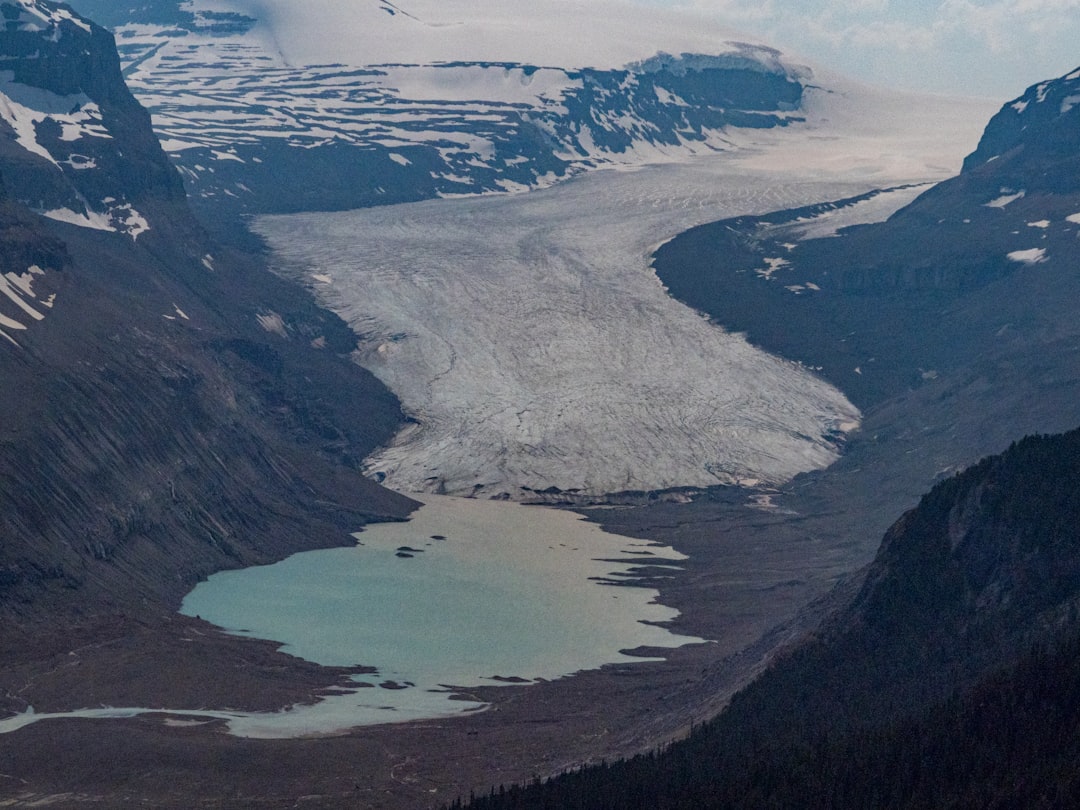
The creeping tide of impermanence, the silent surrender of millennia of frozen water, marks the inexorable retreat of alpine glaciers. These colossal frozen rivers, etched into the planet’s highest reaches, are more than just aesthetically captivating spectacles. They are vital components of intricate ecosystems, formidable regulators of water cycles, and, for the human communities dwelling in their shadow, potent economic engines.
However, as the Earth’s thermostat ratchets upwards, these ancient ice reservoirs are diminishing at an alarming rate, casting a long shadow of economic uncertainty across alpine regions and beyond. This article delves into the multifaceted economic impact of alpine glacier retreat, examining the tangible losses and the emerging challenges that confront economies reliant on the chilling embrace of glaciated landscapes.
The most immediate and quantifiable economic impact of alpine glacier retreat stems from the direct loss of the glaciers themselves as valuable economic resources. This encompasses several key areas:
Declining Glacier Tourism and Recreation
Alpine glaciers have long served as magnets for tourism, drawing millions of visitors annually. These individuals are not simply arriving to witness the majesty of ice; they are bringing with them a significant economic footprint.
Reduced Ski Season Length and Quality
Many ski resorts are situated at high altitudes, relying on glacial meltwater and, in some cases, even operating directly on glacial ice itself for their winter sports operations. As glaciers shrink, the snowpack becomes less reliable, and the snow-making season is shortened. This translates directly into lost revenue for resorts through decreased ticket sales, accommodation bookings, and spending on ancillary services like equipment rentals and restaurants. Imagine a well-oiled machine designed for winter; as its key components melt away, the gears grind to a halt, diminishing its overall output.
Loss of Summer Glacier Hiking and Ice Climbing Opportunities
Beyond winter sports, glaciers offer unique recreational opportunities during the warmer months. Guided glacier hikes and ice climbing expeditions are popular activities, attracting a specific demographic of adventure tourism. As glaciers recede and the ice thins and breaks apart, these activities become more hazardous and, in many cases, impossible. This decline directly impacts the livelihoods of specialized guides, tour operators, and the businesses that support them, from gear shops to local eateries catering to these clientele.
Impact on Glacial Lake Formation and Associated Activities
While the retreat can lead to the formation of new glacial lakes, these are often ephemeral and can pose significant risks due to outburst floods. However, some of these new lakes, if stable, can attract niche tourism. The overall trend, though, is a diminishment of established, safe access to the icy wonders that historically drew visitors. The allure of a vast, frozen expanse is replaced by fragmented ice flows and the unsettling emergence of previously submerged land, changing the very character of the tourist offering.
Changes in Hydroelectric Power Generation
Glaciers play a critical role in regulating the flow of water into rivers, particularly during the dry summer months when snowmelt is minimal. This consistent water supply is crucial for hydroelectric power generation, a significant economic contributor in many alpine regions.
Reduced Water Availability During Peak Demand Periods
As glaciers shrink, their capacity to store water and release it gradually diminishes. This means that during the summer, when water demand for irrigation, industry, and cooling is often at its highest, rivers fed by glaciers will experience reduced flow. This scarcity can force power companies to rely on less efficient or more expensive energy sources, increasing operational costs and potentially affecting electricity prices for consumers and businesses. A natural reservoir, meticulously managed by nature, is steadily draining, leaving upstream industries parched.
Potential for Increased Sediment Load
Glacier retreat can also lead to increased erosion and sediment transport from formerly ice-covered terrain. This sediment can clog turbines in hydroelectric power plants, reducing their efficiency and requiring costly maintenance and cleaning. In extreme cases, it can damage the equipment altogether, leading to prolonged shutdowns and substantial repair expenses. The once-pristine water that drove turbines is now carrying a gritty burden, compromising the smooth operation of these vital energy producers.
Shifting Hydropower Potential Over Time
While some regions might see a temporary increase in water flow immediately following initial glacial melt, this is a finite resource. Long-term projections indicate a significant decline in consistent hydropower generation as glaciers disappear. This necessitates a strategic re-evaluation of energy infrastructure and a potential shift towards alternative, more sustainable energy sources, which themselves represent a significant economic investment and transition challenge.
Impacts on Water Resources for Agriculture and Industry
Beyond hydropower, alpine glacier meltwater is a vital source of freshwater for agricultural and industrial activities downstream. The economic implications of its depletion are far-reaching.
Reduced Availability for Irrigation
Agriculture in lowland and mid-altitude regions often relies heavily on glacial meltwater for irrigation, especially during dry spells. A diminishing supply directly threatens crop yields, impacting farm incomes, food security, and the profitability of the agricultural sector. Farmers, traditionally accustomed to a predictable water source, are now facing the prospect of drought and crop failure, leading to a cascade of economic anxieties.
Increased Water Scarcity for Industrial Processes
Various industries, including manufacturing, food processing, and even the production of beverages, require significant volumes of clean freshwater. Reduced glacial meltwater can lead to increased competition for scarce water resources, driving up the cost of water for these industries. This can impact their competitiveness, potentially leading to reduced production, job losses, and a decline in regional economic output. The lifeblood of many industries is being siphoned away, impacting their ability to thrive.
Increased Costs for Water Management and Infrastructure
As water becomes scarcer, significant investments will be required in new water management strategies, including the construction of reservoirs, desalination plants (where feasible), and more efficient water distribution networks. These are substantial capital expenditures that can strain government budgets and private sector finances, diverting funds from other important economic development initiatives.
The retreat of alpine glaciers has significant economic implications, particularly for regions that rely on glacial meltwater for agriculture, tourism, and hydropower. A related article that delves into these economic impacts can be found at MyGeoQuest, where it discusses how diminishing glaciers affect water availability and the potential consequences for local economies dependent on these vital resources.
The Shifting Sands: Indirect Economic Consequences
The economic ramifications of glacier retreat extend beyond the direct loss of the ice itself, creating a web of indirect consequences that ripple through alpine economies.
Emerging Risks and New Economic Pressures
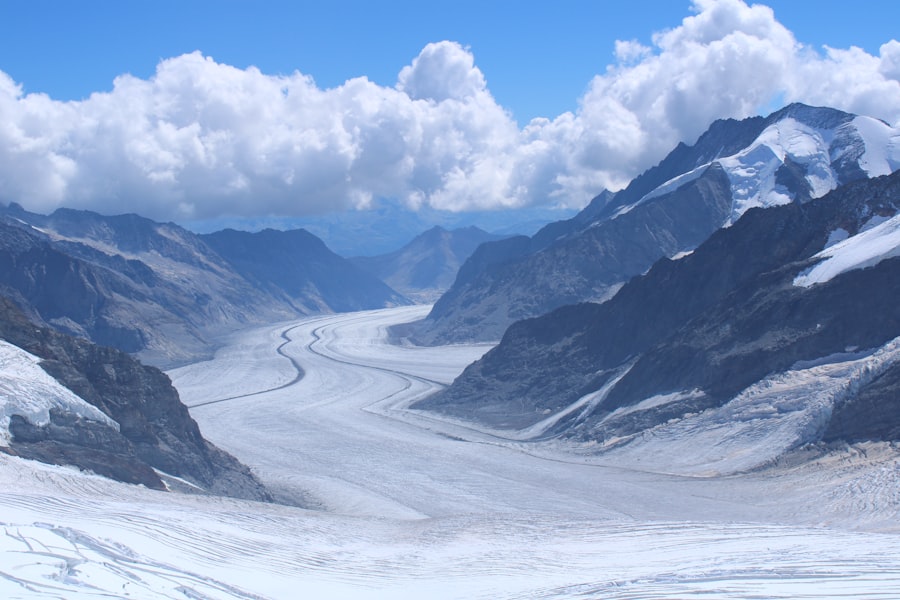
The disappearing glaciers are not just removing economic assets; they are also creating new and unforeseen economic risks.
Increased Frequency and Intensity of Natural Hazards
Glacial retreat is directly linked to an increase in the frequency and intensity of natural hazards, which carry significant economic costs.
Glacial Lake Outburst Floods (GLOFs)
As glaciers melt, they can form unstable glacial lakes behind moraine dams. These dams can fail catastrophically, releasing massive volumes of water and debris in what are known as Glacial Lake Outburst Floods (GLOFs). These events can devastate downstream communities, destroying infrastructure, agricultural land, and homes. The economic cost of rebuilding, coupled with the loss of productive assets and the disruption of economic activity, can be immense. These sudden, violent releases of water are like a wild, untamed beast unleashed upon unsuspecting communities, leaving behind a trail of financial ruin.
Landslides and Debris Flows
The thawing of permafrost and the destabilization of glacial slopes can lead to increased landslides and debris flows. These events can damage or destroy roads, railways, power lines, and other critical infrastructure, leading to significant repair costs and prolonged economic disruption. The very ground beneath these communities, once held firm by frost, is now becoming unstable, threatening to swallow infrastructure whole.
Impacts on Transportation Networks
Damage to roads, bridges, and tunnels due to landslides, floods, and other glacial-related hazards can disrupt supply chains, increase transportation costs, and hinder access to markets. This isolation can cripple local economies, making it difficult for businesses to operate and attracting new investment. The arteries of commerce, the roads and railways, are being severed, leaving regions stranded.
Climate Change Adaptation and Mitigation Costs
Addressing the economic impacts of glacier retreat necessitates substantial investment in climate change adaptation and mitigation strategies.
Infrastructure Reinforcement and Relocation
Communities and businesses located in areas prone to glacial hazards may need to invest in reinforcing existing infrastructure or relocating to safer ground. These are often costly and complex undertakings with significant financial implications. The need to fortify against an invisible enemy, the warming climate, requires immense resources.
Developing New Water Management Strategies
The shift away from glacial water reliance requires investing in new water storage solutions, water conservation technologies, and potentially inter-basin water transfers. These are long-term investments that can divert significant capital from other economic development priorities. A fundamental shift in how water is managed requires a complete overhaul of existing systems, a Herculean task with considerable financial demands.
Investing in Renewable Energy Sources
As hydropower potential declines, alpine regions will need to invest heavily in alternative renewable energy sources, such as solar and wind power. While these are important for long-term sustainability, the transition itself requires substantial upfront investment and can create temporary economic uncertainties. The pursuit of a cleaner energy future necessitates a significant upfront financial commitment.
Loss of Ecosystem Services and Biodiversity
While not always directly quantifiable in monetary terms, the loss of ecosystem services and biodiversity associated with glacier retreat has significant indirect economic consequences.
Impact on Alpine Agriculture and Grazing
Alpine meadows and pastures, often sustained by glacial meltwater, are crucial for livestock grazing and the production of high-value agricultural products. Declining water availability can lead to reduced productivity and the loss of traditional farming practices. The natural larder, enriched by glacial runoff, is beginning to thin.
Effects on Fisheries and Aquatic Ecosystems
Glacial meltwater plays a vital role in maintaining the temperature and flow of rivers and lakes, supporting fish populations and other aquatic life. Changes in water temperature and flow regimes due to glacier retreat can negatively impact fisheries, affecting local economies reliant on fishing and aquaculture. The delicate balance of aquatic life, finely attuned to glacial waters, is being disrupted.
Reduced Potential for Scientific Research and Education
Glaciers are invaluable natural laboratories for scientific research, offering insights into past climates and ongoing environmental changes. Their disappearance represents a loss of this “living archive,” impacting scientific understanding and educational opportunities. The very pages of Earth’s diary are being erased, hindering our ability to learn from the past.
The Search for New Economic Frontiers
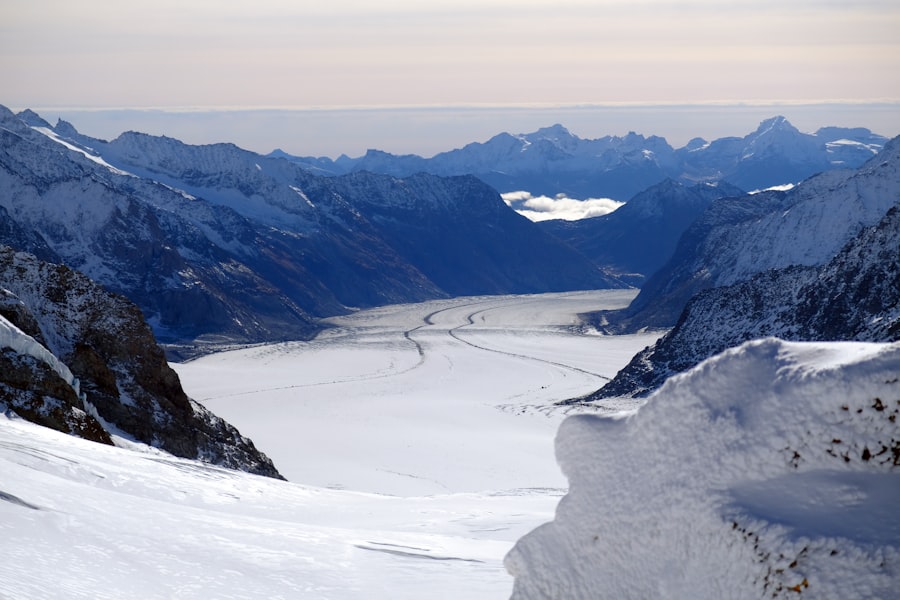
While the challenges are undeniable, the economic impacts of glacier retreat also spur innovation and the exploration of new economic avenues.
Diversification of the Tourism Sector
The decline in traditional glacier-based tourism necessitates a pivot towards other forms of sustainable tourism.
Emphasis on Cultural and Heritage Tourism
Alpine regions possess rich cultural heritage, traditional crafts, and historical sites that can attract visitors. A renewed focus on these aspects can help diversify the tourism offering and reduce reliance on the diminishing glacial appeal. The story of the mountains, etched in human history, offers a compelling alternative narrative.
Development of Wellness and Nature-Based Tourism
The pristine natural environment, even without glaciers, can be a draw for wellness retreats, hiking in lower-altitude areas, and activities focused on the unique flora and fauna adapted to changing conditions. The allure of unspoiled nature, even in its altered form, can still captivate.
Promotion of Agritourism and Local Produce
Connecting tourists with local farms and producers can create a symbiotic relationship, supporting agriculture while offering visitors authentic culinary experiences. The bounty of the mountains, even without its icy crown, can still nourish and delight.
Innovation in Water Resource Management Technologies
The scarcity of water is a powerful catalyst for technological advancement.
Development of Advanced Water Conservation Techniques
The need to conserve water is driving innovation in efficient irrigation systems, water recycling technologies, and drought-resistant crop development. These advancements can benefit not only alpine regions but also other water-stressed areas globally, creating export opportunities for new technologies. Necessity, as they say, is the mother of invention, and water scarcity is a demanding mother.
Investment in Desalination and Water Purification Technologies
While not always a direct solution for inland alpine regions, the broader global need for water is driving research and development in desalination and advanced water purification, which can indirectly benefit the economic landscape through shared technological advancements.
The Rise of the “Green Economy” and Sustainable Business Models
The economic pressures of climate change are accelerating the transition towards a “green economy.”
Growth in Renewable Energy Sector Jobs
As alpine regions invest in solar, wind, and other renewable energy sources, new job opportunities emerge in installation, maintenance, and manufacturing. This shift represents a significant economic transformation. The wind and sun, once overlooked, are becoming powerful economic partners in this new era.
Opportunities in Climate Change Adaptation Consulting and Services
The need to adapt to climate change creates a demand for expertise in areas such as risk assessment, infrastructure design, and land-use planning. Consulting firms and service providers specializing in these areas are finding fertile ground in economically affected regions. The challenges posed by a warming world are also creating a marketplace for solutions.
Development of Sustainable Forestry and Land Management Practices
As traditional land uses are impacted, there is a growing emphasis on sustainable forestry, regenerative agriculture, and eco-tourism that protects and enhances the natural environment, creating new economic models rooted in ecological stewardship. The very land, once a source of resource extraction, is now being re-envisioned as a partner in sustainable economic activity.
The economic impact of alpine glacier retreat is a pressing issue that has garnered significant attention in recent years. As glaciers continue to melt due to climate change, communities that rely on glacial meltwater for agriculture, tourism, and hydropower are facing challenges that could reshape their economies. For a deeper understanding of this topic, you can explore a related article that discusses the various implications of these environmental changes on local economies and ecosystems. To read more about this important issue, visit this article.
Conclusion: Navigating the Icy Transition
| Metric | Value | Unit | Notes |
|---|---|---|---|
| Annual Glacier Retreat Rate | 15 | meters/year | Average retreat in major alpine glaciers |
| Loss in Hydropower Generation | 8 | percent | Estimated reduction due to decreased meltwater |
| Impact on Tourism Revenue | 12 | percent | Decline in glacier-related tourism activities |
| Cost of Infrastructure Damage | 50 | million | Annual average due to flooding and landslides |
| Decrease in Agricultural Water Supply | 10 | percent | Reduction in irrigation water from glacier melt |
| Economic Loss from Fisheries | 5 | percent | Due to altered river ecosystems |
The economic impact of alpine glacier retreat is a complex and evolving narrative, a stark reminder of our interconnectedness with the natural world. The melting of these ancient ice formations is not merely an environmental concern; it is a profound economic challenge that demands foresight, adaptation, and innovation. The direct losses in tourism, hydropower, and water resources are significant, but the indirect consequences, from increased natural hazards to the costs of adaptation, paint a picture of widespread economic disruption.
However, within this challenging landscape lies the seed of opportunity. The imperative to adapt is spurring innovation in water management, driving the growth of the green economy, and fostering a diversification of traditional economic sectors. The future of alpine economies lies not in clinging to the vanishing ice, but in embracing the ingenuity and resilience that a changing world demands. The story of alpine economies in the face of glacier retreat is a testament to humanity’s capacity to navigate profound transitions, to transform challenges into catalysts for progress, and to forge a new economic future on ground that is both familiar and irrevocably altered. The glacier may be retreating, but the spirit of innovation and adaptation in the communities it has long sustained is a force that can carve new economic pathways forward, albeit on different terrain.
FAQs
What is alpine glacier retreat?
Alpine glacier retreat refers to the process where glaciers located in mountainous regions shrink in size due to melting and reduced snowfall. This phenomenon is primarily driven by rising global temperatures and climate change.
How does alpine glacier retreat affect local economies?
The retreat of alpine glaciers can impact local economies by reducing water availability for agriculture, hydropower, and tourism. It can also lead to increased risks of natural hazards such as landslides and floods, which may damage infrastructure and disrupt economic activities.
What industries are most affected by alpine glacier retreat?
Industries most affected include agriculture, which relies on glacier-fed water for irrigation; hydropower generation, which depends on consistent water flow; and tourism, especially winter sports and glacier sightseeing, which can decline as glaciers shrink.
Can alpine glacier retreat have global economic consequences?
Yes, alpine glacier retreat can have broader economic consequences by affecting water resources that support agriculture and energy production in downstream regions. It can also contribute to global sea-level rise, impacting coastal economies worldwide.
Are there any measures to mitigate the economic impact of alpine glacier retreat?
Mitigation measures include investing in water management infrastructure, diversifying local economies away from glacier-dependent activities, promoting sustainable tourism, and implementing climate change policies to reduce greenhouse gas emissions and slow glacier loss.