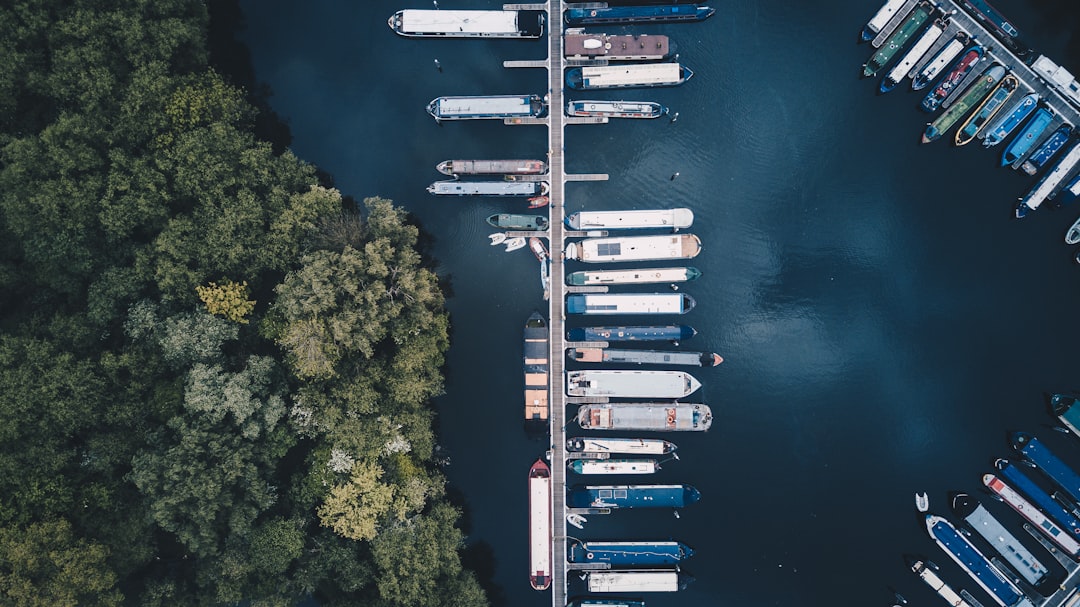
The intricate network of European inland waterways represents a foundational element of the continent’s logistics infrastructure, offering a robust and often undervalued alternative to road and rail transport. This article explores the multifaceted dimensions of efficient inland waterway logistics, dissecting its operational mechanisms, highlighting its environmental and economic advantages, and evaluating its challenges and future prospects. By understanding the intricacies of this system, readers can grasp the significant role it plays in the broader European supply chain.
European inland waterways are a testament to both natural geography and human engineering, providing navigable arteries that connect industrial centers, agricultural regions, and major ports. The very essence of IWT lies in its ability to move large volumes of goods with a comparatively low energy input, a characteristic that underpins its efficiency.
Historical Context and Development
The utility of rivers for transport is deeply rooted in human history, dating back to antiquity. In Europe, the Roman Empire utilized rivers such as the Rhine for moving troops and supplies. Over centuries, these natural pathways were enhanced through canal construction, locks, and dredging, transforming meandering rivers into a coherent transport network. The industrial revolution further amplified the importance of internal waterways, as they became crucial for transporting bulk commodities like coal, iron ore, and agricultural products to nascent industrial centers. Understanding this historical trajectory provides context for the current sophistication of the system.
The Interconnected Network
Europe’s inland waterway network is remarkably diverse, encompassing major rivers such as the Rhine, Danube, Elbe, and Main, alongside numerous canals and smaller navigable rivers. This interconnectedness allows for seamless, albeit sometimes slower, movement of goods across national borders, forming an integrated transport web. Consider the Rhine-Main-Danube Canal, a pivotal artery that connects the North Sea to the Black Sea, forming a transcontinental bridge for freight. This intricate weave of waterways functions much like the nervous system of the continent, allowing vital resources to flow efficiently.
European inland waterway logistics play a crucial role in enhancing the efficiency and sustainability of freight transport across the continent. For a deeper understanding of the challenges and opportunities within this sector, you can refer to a related article that explores various aspects of inland waterway transport and its impact on trade and the environment. To read more, visit this article.
Operational Advantages and Efficiency Drivers
The efficiency of inland waterway logistics is not merely anecdotal; it is predicated on a series of inherent operational advantages that make it a compelling choice for specific types of cargo and transport scenarios.
Cost-Effectiveness
One of the primary drivers of IWT efficiency is its superior cost-effectiveness for bulk and heavy cargo. Per tonne-kilometer, the cost of transport via inland waterway is often significantly lower than road transport and competitive with rail, especially over longer distances. This stems from several factors:
- Economies of Scale: Barges and push convoys can carry massive quantities of goods – a single large push convoy on the Rhine can carry the equivalent of over 200 trucks. This high carrying capacity dilutes the cost per unit of cargo.
- Reduced Labor Costs: While a truck requires one driver per vehicle, a barge convoy, despite its immense capacity, typically requires a small crew. The ratio of cargo moved per person involved in transport is highly favorable.
- Lower Fuel Consumption per Tonne-Kilometer: Water offers significantly less resistance than road surfaces, meaning that vessels require less energy to move a given mass of cargo. This translates directly into lower fuel consumption and consequently, lower operational costs.
Environmental Benefits
Beyond economic advantages, IWT contributes significantly to environmental sustainability, making it an indispensable part of green logistics strategies.
- Lower Emissions: Compared to road transport, inland waterway vessels emit considerably fewer greenhouse gases (CO2, NOx, PM) per tonne-kilometer. Shifting freight from road to waterways directly contributes to national and European climate targets. This is not merely an abstract benefit; it translates into tangible improvements in air quality in densely populated areas.
- Reduced Congestion: The increasing volume of goods transported by road in Europe leads to chronic traffic congestion, particularly around urban centers and major ports. Utilizing waterways alleviates this pressure, freeing up road capacity for last-mile deliveries and passenger transport. Think of it as diverting a torrent of vehicles off the highways and onto a parallel, less turbulent channel.
- Lower Noise Pollution: Barges operate with significantly less noise pollution than heavy goods vehicles, particularly in proximity to residential areas. This enhances the quality of life for communities situated along waterways.
Safety and Reliability
The safety record of inland waterway transport is generally superior to road transport, with fewer accidents and fatalities per tonne-kilometer. Furthermore, once a vessel is underway, it is less susceptible to the unpredictable delays caused by road traffic incidents or adverse weather conditions that can plague road networks. While water levels can occasionally pose challenges, modern fleet management and infrastructure mitigate many of these risks.
Challenges and Bottlenecks
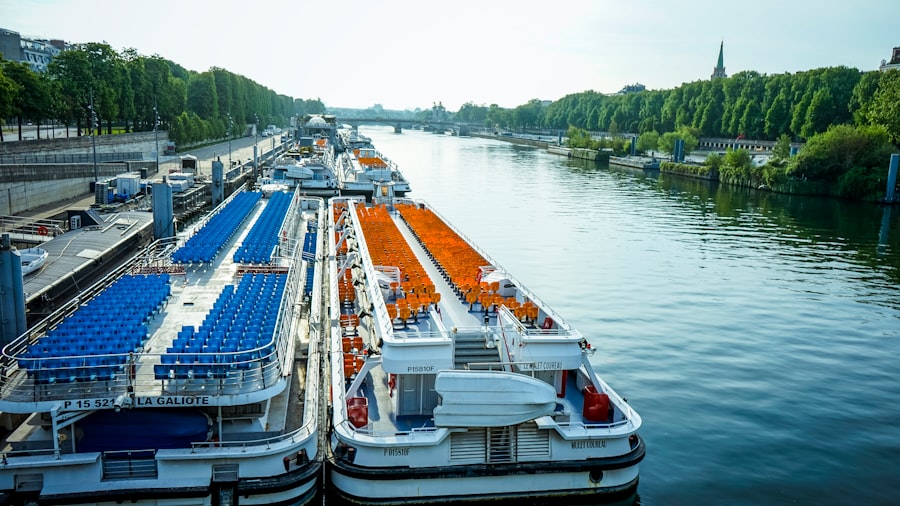
Despite its inherent advantages, inland waterway logistics faces a distinct set of challenges that can impede its full potential and warrant strategic interventions.
Infrastructure Limitations
While the network is extensive, certain infrastructure limitations persist, impacting its efficiency and accessibility.
- Varying Water Levels: Fluctuations in water levels, particularly during droughts or periods of heavy rainfall, can restrict navigability, especially for vessels with deeper drafts. This necessitates transhipment or alternative transport modes, introducing inefficiencies. The Elbe River, for instance, frequently experiences low water levels that hinder continuous navigation.
- Lock and Bridge Constraints: The dimensions of locks and the clearances under bridges can restrict the size and height of vessels, preventing the use of larger, more efficient barges on certain routes. Upgrading this infrastructure requires significant investment and long-term planning.
- Limited Last-Mile Connectivity: While barges efficiently move goods over long distances, the “last mile” to the final destination often still relies on road transport. Developing seamless intermodal connections between waterway terminals and distribution centers is crucial to maximize efficiency.
Digitalization and Data Integration
The adoption of advanced digital technologies within the IWT sector has, in some areas, lagged behind other transport modes.
- Lack of Standardized Data Exchange: The absence of universally adopted standards for data exchange between different stakeholders (shippers, carriers, port authorities, customs) can lead to inefficiencies, administrative overhead, and a lack of real-time visibility. This fragmented digital landscape is a significant hurdle to overcome.
- Limited Real-Time Tracking: While progress is being made, comprehensive real-time tracking and tracing of individual consignments across the entire waterway network are not yet universally available, hindering efficient supply chain management.
- Slow Adoption of Automation: Automation in terminals and vessel operations, while offering potential for increased efficiency and reduced costs, is still in its nascent stages within IWT compared to container ports.
Regulatory and Policy Fragmentation
The cross-border nature of European inland waterways means that various national regulations and policies can create complexities for operators.
- Diverse National Regulations: Differences in crew certification, vessel requirements, and operational rules across member states can create administrative burdens and operational challenges for international operators. Harmonization efforts are ongoing but require sustained political will.
- Investment Discrepancies: The level of investment in IWT infrastructure and services varies significantly between European nations, leading to uneven development and potential bottlenecks in less-invested regions.
Technological Advancements and Future Prospects
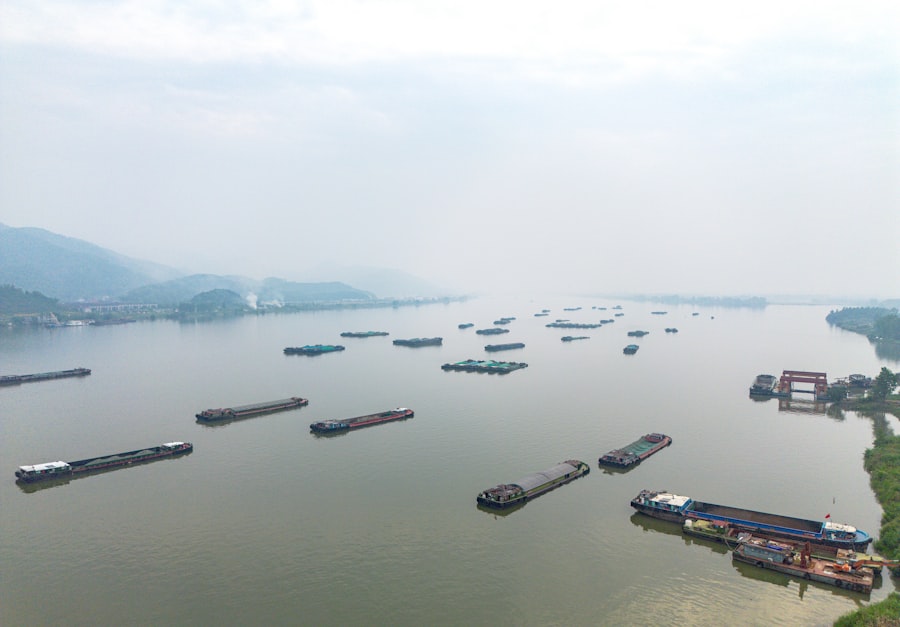
The future of efficient European inland waterway logistics is intrinsically linked to technological innovation and strategic policy initiatives aimed at addressing current challenges.
Smart Shipping and Automation
The advent of smart shipping technologies promises to revolutionize IWT operations.
- Autonomous Vessels: Research and pilot projects are underway to develop autonomous barges, which could significantly reduce labor costs and enhance operational flexibility, particularly during off-peak hours. Imagine vessels navigating intricate waterways with minimal human intervention, guided by advanced sensors and AI.
- Remote Monitoring and Control: Technologies for remote monitoring of vessel performance, cargo conditions, and environmental parameters enable proactive maintenance and optimized operations, reducing downtime and enhancing safety.
- Digital Twin Technology: Creating digital twins of vessels and infrastructure can facilitate predictive maintenance, optimize routing, and simulate various operational scenarios, leading to more resilient and efficient systems.
Intermodal Integration and Port Development
Strengthening the seamless integration of IWT with other transport modes is paramount for unlocking its full potential.
- Enhanced Terminal Facilities: Investing in modern, multimodal terminals equipped with efficient cranes, storage facilities, and rail connections at key waterway nodes will facilitate quicker transhipment and reduce dwell times.
- Synchromodal Logistics: The concept of synchromodal logistics, where transport modes are dynamically adapted in real-time based on cost, speed, and sustainability factors, represents the pinnacle of intermodal integration. IWT is a vital component of such a flexible and responsive system.
- Port Community Systems: Developing integrated port community systems that facilitate information sharing and streamline processes between all stakeholders involved in a port’s operations will significantly improve efficiency at the interface between sea, inland waterway, rail, and road.
Green Propulsion and Sustainable Practices
The drive towards decarbonization offers significant opportunities for IWT to further enhance its environmental credentials.
- Alternative Fuels: The adoption of alternative fuels such as hydrogen, electricity (battery-powered or hybrid), and biofuels in inland vessels will drastically reduce emissions, aligning IWT with the broader European Green Deal objectives. This move towards cleaner energy sources is not a distant dream; it is an active area of research and development.
- Shore Power: Providing shore power facilities at berths allows vessels to switch off their auxiliary engines while docked, reducing emissions and noise pollution in port areas.
- Eco-Friendly Operations: Implementing optimized routing, efficient loading strategies, and intelligent speed management can further reduce fuel consumption and environmental impact, even with conventional propulsion systems.
European inland waterway logistics is an increasingly vital component of the continent’s transportation network, offering a sustainable alternative to road and rail. For those interested in exploring this topic further, a related article can be found at MyGeoQuest, which delves into the benefits and challenges of utilizing inland waterways for freight transport. This resource provides valuable insights into how these waterways can enhance supply chain efficiency while reducing environmental impact.
Conclusion
| Metric | Value | Unit | Year | Notes |
|---|---|---|---|---|
| Total Inland Waterway Network Length | 37,000 | km | 2023 | Includes navigable rivers and canals in Europe |
| Annual Freight Transport Volume | 520 | million tonnes | 2023 | Goods transported via inland waterways in Europe |
| Major Cargo Types | Bulk goods, containers, liquid cargo | – | 2023 | Primary cargo categories transported |
| Number of Ports and Terminals | 1,200 | units | 2023 | Includes inland ports and logistic terminals |
| Average Vessel Size | 1,500 | tonnes | 2023 | Typical cargo capacity of inland vessels |
| CO2 Emissions Reduction Potential | 30 | % | 2023 | Compared to road freight for similar cargo volumes |
| Key Countries by Traffic Volume | Germany, Netherlands, Belgium, France | – | 2023 | Countries with highest inland waterway freight traffic |
| Investment in Infrastructure | 2.5 | billion euros | 2023 | Annual investment in inland waterway logistics infrastructure |
Efficient European inland waterway logistics is not merely a supplementary mode of transport; it is a critical component of a sustainable, resilient, and cost-effective supply chain. While it faces challenges related to infrastructure, digitalization, and regulatory harmonization, the ongoing technological advancements, coupled with strategic investments and policy support, promise a vibrant future. By leveraging its inherent advantages – cost-effectiveness, environmental benefits, and safety – and diligently addressing its limitations, IWT can continue to play an increasingly significant role in supporting Europe’s economic growth and environmental aspirations. Understanding this complex system is essential for anyone involved in European logistics, for it represents a deeply embedded and continuously evolving pillar of the continent’s transport architecture.
FAQs
What are European inland waterways?
European inland waterways are navigable rivers, canals, and lakes within Europe that are used for transporting goods and passengers. They form an extensive network connecting major industrial and commercial centers across the continent.
Why is inland waterway logistics important in Europe?
Inland waterway logistics is important because it offers a cost-effective, energy-efficient, and environmentally friendly mode of transport. It helps reduce road congestion, lowers greenhouse gas emissions, and supports sustainable supply chains.
Which countries have the most developed inland waterway networks in Europe?
Countries with the most developed inland waterway networks include Germany, France, the Netherlands, Belgium, and Poland. These countries have extensive river and canal systems that facilitate significant freight transport.
What types of goods are commonly transported via European inland waterways?
Common goods transported include bulk commodities such as coal, steel, agricultural products, chemicals, petroleum products, and construction materials. Containerized cargo is also increasingly moved via inland waterways.
How does European inland waterway logistics integrate with other transport modes?
European inland waterway logistics is integrated with rail, road, and maritime transport through multimodal terminals and intermodal hubs. This integration enables efficient transfer of goods, optimizing supply chains and improving overall transport connectivity.