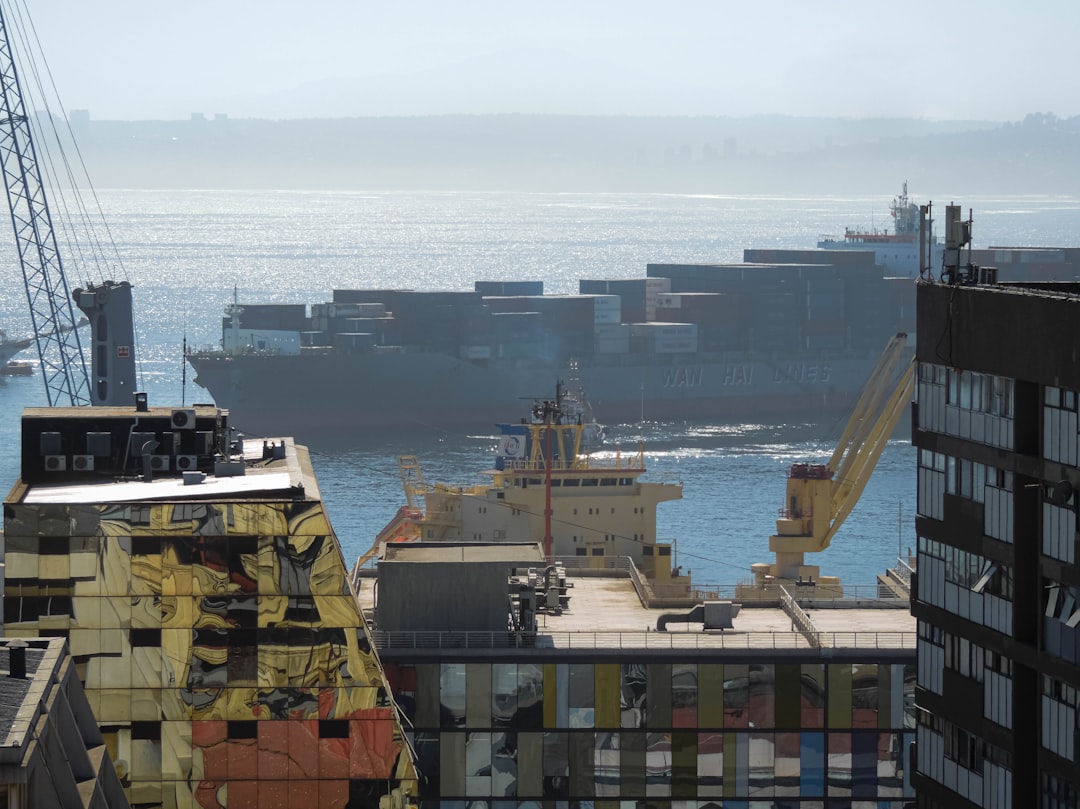
The ceaseless flow of goods across the world’s oceans, a vital artery of global commerce, faces a growing and complex threat: asymmetric warfare. This form of conflict, characterized by a significant disparity in military capabilities between belligerents, transforms the vast expanse of the sea into a battleground where conventional strategies are often rendered obsolete. Understanding this evolving landscape is crucial for safeguarding the economic well-being of nations and ensuring the stability of the international system.
At its core, asymmetric warfare at sea involves an actor with decidedly fewer resources, and often a non-state entity, employing unconventional tactics against a more powerful opponent, typically a nation-state. This imbalance of power necessitates a departure from traditional naval engagements. Instead of massed fleets clashing in grand naval battles, the weaker party seeks to exploit vulnerabilities and inflict disproportionate damage through surprise, ingenuity, and a willingness to operate outside established norms.
The Asymmetry Advantage: Why Conventional Navies Struggle
The sheer scale and cost of modern naval power, while formidable, can also create strategic blind spots. A nation investing in aircraft carriers, destroyers, and submarines operates within a framework of significant capital expenditure and personnel training. This commitment to conventional strength can make it difficult to adapt to the agile and often unpredictable methods employed by asymmetric adversaries. The proverbial “bull in a china shop” analogy comes to mind; the large, powerful entity can be easily disrupted by smaller, more nimble irritants.
The Non-State Actor’s Toolkit: Innovation in Disorder
Non-state actors, unburdened by the logistical and ethical constraints of national militaries, have proven remarkably innovative in their approach to maritime conflict. Their arsenal can range from small, fast attack craft swarming larger vessels to the deployment of improvised explosive devices (IEDs) against shipping, or even the subtle yet devastating weaponization of cyber warfare targeting port infrastructure and communication systems. The threat is not always a visible, booming cannon; it can be a silent, insidious erosion of operational capacity.
The Evolution of Threat: From Piracy to State-Sponsored Proxies
The perception of asymmetric maritime threats has evolved significantly. While piracy historically represented a localized criminal enterprise, the increasing sophistication and reach of some pirate groups, often with links to organized crime or even state sponsors, has elevated the concern. More recently, the use of state-backed proxy forces, operating under the guise of non-state actors, has introduced a further layer of complexity, blurring the lines between criminal activity and geopolitical maneuvering.
Asymmetric warfare has increasingly influenced maritime trade, posing significant challenges to global shipping routes and security. A related article that delves into this complex issue can be found at MyGeoQuest, where it explores how unconventional tactics employed by non-state actors can disrupt maritime operations and threaten economic stability. Understanding these dynamics is crucial for policymakers and industry leaders aiming to safeguard international trade against emerging threats.
Navigating the Minefield: Direct Impacts on Maritime Trade
The most immediate and tangible consequence of asymmetric warfare at sea is its direct disruption of maritime trade. This disruption manifests in several critical ways, impacting everything from the cost of goods to the predictability of supply chains. The globalized economy, so reliant on the smooth functioning of the maritime domain, finds itself increasingly vulnerable.
Increased Shipping Costs: The Price of Peril
As security risks rise, so too do the costs associated with maritime trade. Shipping companies are compelled to invest in enhanced security measures, including armed guards, advanced surveillance equipment, and improved vessel hardening. Insurance premiums for voyages through high-risk areas skyrocket, a financial burden that is almost invariably passed on to consumers in the form of higher prices for imported goods. This is akin to every package being wrapped in bubble wrap and insured to the hilt, adding a significant surcharge to the original item.
Diversion and Delay: The Ripple Effect on Supply Chains
The threat of attack forces shipping routes to be rerouted, often through longer and less efficient channels, to avoid known danger zones. This adds significant transit time, disrupting just-in-time delivery schedules so critical to many industries. Factories relying on immediate component deliveries can face production stoppages, while retailers struggle to keep shelves stocked. The delicate dance of global logistics becomes a clumsy stumble when key pathways are blocked or rendered too hazardous.
Cargo Seizure and Loss: The Ultimate Economic Blow
The most catastrophic impact for individual businesses is the seizure of cargo or the complete loss of vessels and their contents. This represents a direct financial blow, potentially leading to bankruptcy for smaller operators. For larger corporations, it can result in significant supply chain disruptions that ripple through their entire operational network. The sea, which carries wealth, can also become a tomb for valuable commodities.
The Psychological Toll: Uncertainty in the Global Marketplace
Beyond the quantifiable economic losses, there is a pervasive psychological toll. The constant threat of disruption breeds uncertainty, making long-term planning and investment more challenging. Businesses may hesitate to commit to international trade if the risks are perceived as too high or too unpredictable. This can lead to a contraction of trade, hindering economic growth and potentially exacerbating geopolitical tensions as nations seek to secure their own supply lines.
Indirect Consequences: The Wider Economic and Geopolitical Landscape
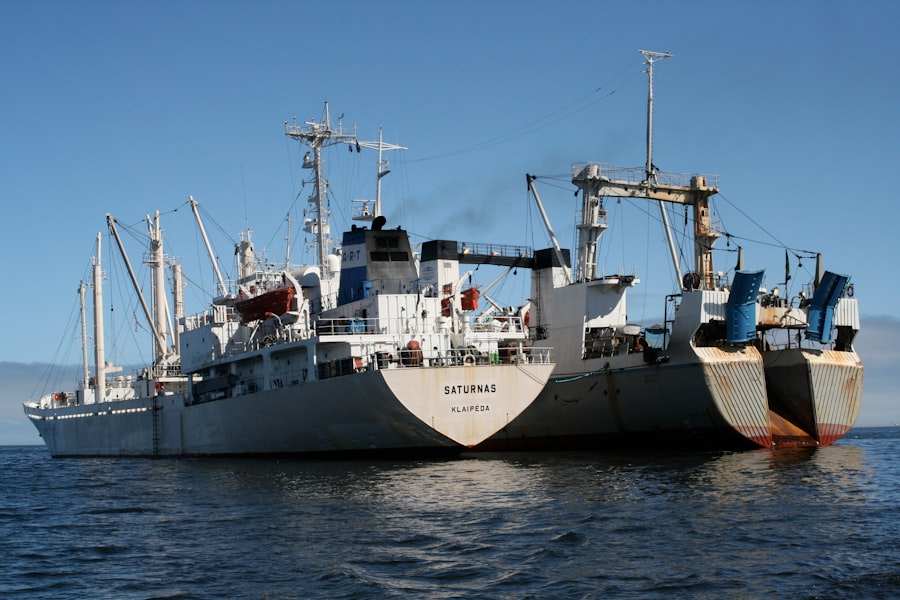
The impacts of asymmetric warfare at sea extend far beyond the immediate economic casualties. These indirect consequences can reshape global economic structures and alter the geopolitical balance of power. The ocean, once a conduit for prosperity, can become a stage for increased friction and suspicion.
Impact on Resource Access: Securing Vital Supplies
Many nations rely on maritime trade for the import of critical resources, including energy, food, and raw materials. Disruptions to these supply lines can have severe consequences for national security and economic stability. Countries may be forced to seek alternative, potentially more expensive or politically complicated, sources of supply, leading to shifts in global resource dependence.
The Weaponization of Geography: Chokepoints Under Pressure
The strategic importance of maritime chokepoints – narrow waterways through which a significant portion of global trade flows – becomes amplified in an era of asymmetric warfare. Control or disruption of these chokepoints, such as the Strait of Hormuz or the Strait of Malacca, can grant significant leverage to the actor capable of imposing such control. This can lead to increased geopolitical maneuvering and potential conflict as nations vie for influence over these vital arteries.
The Rise of Maritime Security as a Global Imperative
The escalating threats have elevated maritime security from a regional concern to a global imperative. International cooperation, naval patrols, and intelligence sharing have become essential components of safeguarding maritime trade. However, the effectiveness of these measures is often challenged by the elusive nature of asymmetric adversaries.
Economic Warfare and State Instability: Beyond Direct Attacks
Asymmetric warfare at sea can be employed as a tool of economic warfare, aiming to destabilize a rival nation’s economy without resorting to direct military confrontation. This can involve creating persistent disruptions to trade, thereby eroding public confidence, fueling social unrest, and ultimately weakening the targeted government. This subtle form of aggression can be as damaging as overt hostilities.
Countering the Shadows: Strategies and Adaptations
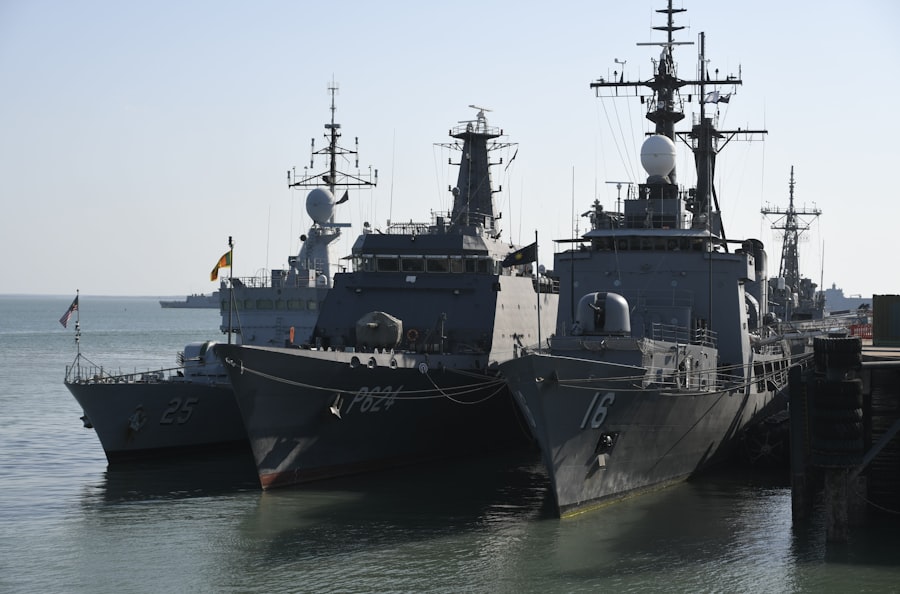
Addressing the multifaceted challenges posed by asymmetric warfare at sea requires a dynamic and multi-pronged approach. Traditional military might alone is insufficient; a blend of hard power, soft power, and innovative solutions is necessary to navigate these murky waters.
Enhanced Naval Capabilities: Beyond Traditional Deterrence
While large naval platforms remain important, their role needs to be augmented. Navies are increasingly investing in smaller, more agile vessels, unmanned systems (drones), and advanced intelligence, surveillance, and reconnaissance (ISR) capabilities to better detect and respond to asymmetric threats. The aim is to achieve a more adaptable and responsive posture, capable of tracking and engaging threats that operate in the shadows.
International Cooperation and Information Sharing: A United Front
No single nation can effectively counter the global reach of asymmetric maritime threats. International alliances, joint patrols, and robust information-sharing mechanisms are crucial. Organizations like the Coalition Against Piracy offer a framework for collaborative efforts, pooling resources and expertise to enhance maritime security in key regions. The sea is a shared highway, and its protection requires a coordinated effort.
Maritime Domain Awareness (MDA): Seeing the Unseen
Improving Maritime Domain Awareness is paramount. This involves developing comprehensive systems that can monitor and identify all maritime traffic, detect anomalous behavior, and provide real-time intelligence to relevant authorities. Utilizing satellite imagery, vessel tracking systems, and aerial surveillance allows for a more complete picture of the maritime environment, illuminating potential threats before they materialize.
Port Security and Cybersecurity: Protecting the Land-Sea Interface
The vulnerability extends beyond the open ocean. Ports, as critical hubs for maritime trade, are prime targets for disruption. Enhancing physical security at ports and investing in robust cybersecurity measures to protect against cyberattacks on port infrastructure and supply chain management systems are essential. A secure port is the gateway to a secure supply chain.
Legal and Diplomatic Frameworks: Addressing Root Causes
In addition to kinetic responses, addressing the legal and diplomatic frameworks surrounding maritime security is vital. This includes prosecuting pirates, developing international agreements to combat illicit maritime activities, and addressing the underlying socio-economic and political factors that can fuel asymmetric threats in certain regions. Diplomacy and law enforcement are as crucial as naval patrols.
Asymmetric warfare has increasingly influenced maritime trade, posing significant challenges to global shipping routes and security. A recent article discusses how non-state actors and unconventional tactics disrupt traditional naval operations, leading to heightened risks for commercial vessels. This evolving landscape necessitates a reevaluation of maritime security strategies to safeguard trade interests. For further insights on this topic, you can read the full article on the impact of asymmetric warfare on maritime trade here.
The Future of Maritime Trade: Resilience in a Volatile World
| Metric | Description | Impact on Maritime Trade | Example |
|---|---|---|---|
| Number of Piracy Incidents | Reported attacks by non-state actors on commercial vessels | Increased insurance costs, rerouting of ships, delays in delivery | Somali piracy surge (2008-2012) |
| Shipping Route Disruptions | Frequency of forced changes in maritime routes due to threats | Longer transit times, higher fuel consumption, increased operational costs | Strait of Hormuz tensions |
| Maritime Security Expenditure | Investment in naval patrols, private security, and technology | Raised operational budgets for shipping companies and governments | Increased naval presence in Gulf of Aden |
| Trade Volume Reduction | Decrease in volume of goods transported via affected maritime routes | Economic losses for exporters/importers, supply chain disruptions | Reduced traffic through Bab el-Mandeb Strait |
| Insurance Premium Increase | Rise in maritime insurance costs due to elevated risk | Higher costs passed on to consumers and businesses | Insurance hikes during South China Sea disputes |
| Delay in Cargo Delivery | Average increase in transit time due to security measures | Supply chain inefficiencies, potential contractual penalties | Delays caused by naval inspections in Gulf of Aden |
The prevalence of asymmetric warfare at sea is not a temporary anomaly but rather a defining characteristic of the contemporary geopolitical landscape. The ability of maritime trade to adapt and endure will be a crucial determinant of global economic stability and prosperity. The future will demand a shift towards greater resilience and agility.
Diversification of Supply Chains: Reducing Vulnerability
Businesses and nations are increasingly recognizing the need to diversify their supply chains, reducing reliance on single sources or a limited number of transit routes. This “belt and suspenders” approach, while potentially adding complexity, offers a significant buffer against disruptions caused by asymmetric threats. Building redundancy into the system is key to weathering the storm.
Technological Innovation: The Next Frontier of Defense
Continued technological innovation will be crucial in developing new methods of detection, interdiction, and defense. Unmanned surface and underwater vehicles, advanced sensor technologies, and AI-driven surveillance systems hold promise for enhancing maritime security capabilities. The future of defense at sea may well be fought by machines.
The Economic Cost of Inaction: Stakes are High
The economic consequences of failing to effectively address asymmetric maritime threats are profound. Continued disruptions can lead to widespread economic hardship, increased poverty, and heightened social and political instability. The free flow of goods is not merely a matter of convenience; it is a cornerstone of global peace and prosperity.
The Importance of a Proactive and Adaptive Approach
Ultimately, navigating the challenges of asymmetric warfare at sea requires a proactive and adaptive approach. Rigid adherence to outdated doctrines will prove futile. Instead, a continuous reassessment of threats, a commitment to innovation, and a willingness to foster international collaboration will be the hallmarks of success in safeguarding the vital arteries of global commerce. The ocean is a dynamic environment, and those who navigate it must be equally so.
FAQs
What is asymmetric warfare in the context of maritime trade?
Asymmetric warfare refers to conflicts where one party uses unconventional tactics and strategies to exploit the vulnerabilities of a more powerful opponent. In maritime trade, this often involves attacks on commercial shipping, ports, or supply chains by non-state actors or smaller forces using methods like piracy, terrorism, or sabotage.
How does asymmetric warfare affect global maritime trade routes?
Asymmetric warfare can disrupt global maritime trade routes by increasing the risk of attacks on vessels, causing delays, rerouting shipments, and raising insurance and security costs. This can lead to higher prices for goods and instability in supply chains.
What are common tactics used in asymmetric warfare against maritime trade?
Common tactics include piracy, hijacking, use of improvised explosive devices (IEDs), attacks on port infrastructure, cyberattacks on navigation and communication systems, and the deployment of small, fast boats to harass or disable larger commercial vessels.
What measures are taken to mitigate the impact of asymmetric warfare on maritime trade?
Measures include enhanced naval patrols, international cooperation and information sharing, improved vessel security protocols, use of armed guards on ships, development of early warning systems, and investment in resilient port infrastructure and cybersecurity.
Why is understanding asymmetric warfare important for maritime trade stakeholders?
Understanding asymmetric warfare helps maritime trade stakeholders anticipate risks, implement effective security strategies, protect assets and personnel, maintain supply chain continuity, and reduce economic losses caused by disruptions or attacks.