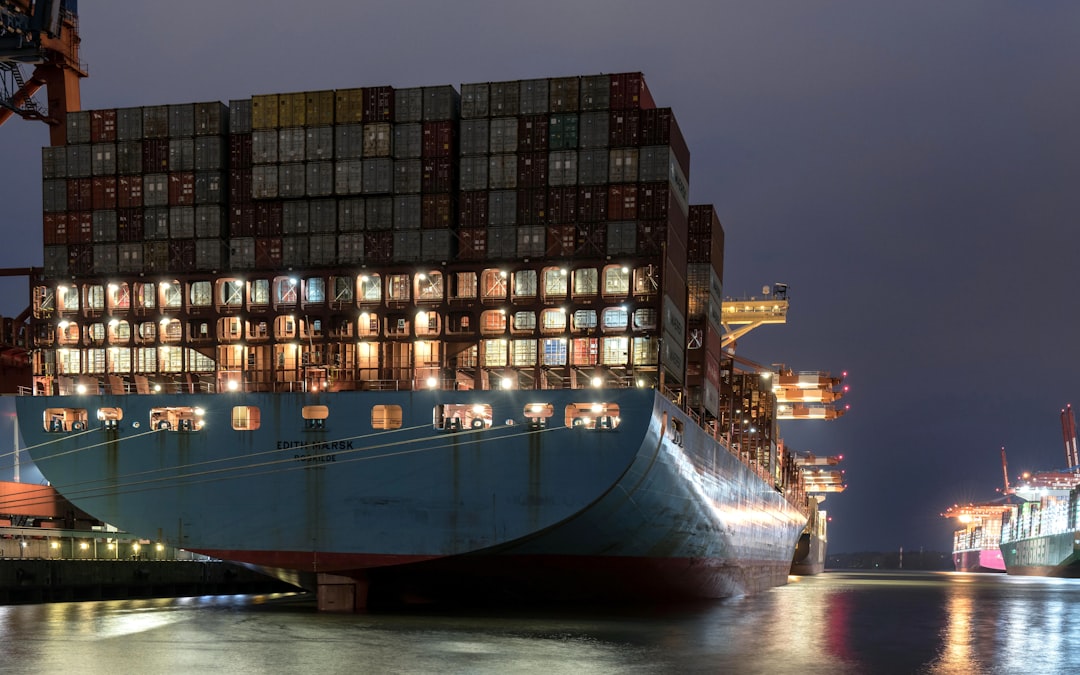
The Red Sea, a narrow waterway connecting the Mediterranean Sea to the Indian Ocean via the Suez Canal, serves as a pivotal artery in global maritime trade. Its strategic importance lies in its role as the shortest sea route between Europe and Asia. The recent escalation of geopolitical tensions in the region, particularly involving Houthi attacks on commercial vessels, has plunged this critical shipping lane into a state of crisis, sending ripples across the intricate web of global logistics. This article dissects the multifaceted impact of this crisis, examining its immediate consequences, long-term implications, and the adaptive strategies being employed by the shipping industry.
The current predicament in the Red Sea is rooted in the ongoing conflict in Yemen and the broader geopolitical landscape of the Middle East. Houthi forces, a rebellious group in Yemen, have declared their intent to target ships with perceived affiliations to Israel, the United States, or the United Kingdom, citing solidarity with Palestinians in Gaza.
Houthi Motivations and Targets
The primary stated motivation for Houthi attacks is to exert pressure on international powers regarding the conflict in Gaza. Targets initially included vessels directly linked to Israel, but the scope has broadened to encompass ships with tenuous or no direct Israeli connections, often based on ownership, flags, or destinations. This broadened targeting strategy has significantly heightened the perceived risk for all commercial shipping transiting the Bab al-Mandeb Strait, the southern gateway to the Red Sea.
International Responses and Naval Deployments
In response to the escalating attacks, a coalition of nations, led by the United States, has launched Operation Prosperity Guardian. This multinational initiative aims to enhance maritime security in the Red Sea and deter further Houthi aggression. Naval assets from various countries have been deployed to the region, providing escort services and engaging in defensive operations against Houthi drones and missiles. However, despite these efforts, the attacks have persisted, forcing a re-evaluation of security measures and leading many shipping companies to divert their routes.
The ongoing Red Sea shipping crisis has significantly impacted global logistics, leading to delays and increased costs for businesses worldwide. For a deeper understanding of the implications of this crisis on international trade and supply chains, you can read a related article that explores these challenges in detail. To learn more, visit this article.
Immediate Repercussions on Global Shipping
The immediate fallout from the Red Sea crisis has been a seismic shift in maritime traffic patterns and a cascade of logistical challenges. The decision by major shipping lines to reroute vessels has, in essence, created a detour around a significant portion of the global economy’s circulatory system.
Rerouting and Increased Transit Times
The most pronounced immediate effect is the mass rerouting of vessels around the Cape of Good Hope, located at the southern tip of Africa. This alternative route adds approximately 7 to 14 days to transit times between Asia and Europe, depending on the specific origin and destination. For context, imagine a finely tuned clockwork mechanism, where one critical gear suddenly needs to take a much longer, circuitous path. This extended journey translates directly into delayed deliveries, impacting supply chains reliant on timely replenishment.
- Impact on Just-In-Time (JIT) Inventory Systems: Many industries, particularly in manufacturing and retail, operate on JIT inventory models, minimizing storage costs by receiving goods precisely when needed. The extended transit times disrupt these delicate systems, potentially leading to production delays, stockouts, and lost sales.
- Capacity Constraints: While the Cape of Good Hope offers an alternative, it is not an instant solution. The sudden surge in traffic on this route strains existing infrastructure and resources, including port capacity and bunkering services at intermediate stops.
Soaring Shipping Costs and Freight Rates
The extended voyages around Africa necessitate greater fuel consumption, increased crew wages, and higher insurance premiums. These additional costs are inevitably passed on to shippers in the form of elevated freight rates.
- Fuel Surcharges: Shipping lines have implemented significant fuel surcharges to offset the increased distances. The price of very low sulphur fuel oil (VLSFO), a common marine fuel, has seen upward pressure due to this heightened demand.
- War Risk Insurance Premiums: Insurers have classified the Red Sea as a “war risk zone,” leading to a dramatic increase in premiums for vessels operating in or transiting near the area. These premiums can add hundreds of thousands of dollars to the cost of a single voyage.
- Impact on Consumer Prices: Ultimately, these increased shipping costs funnel down the supply chain, contributing to higher prices for consumers on a wide range of goods, from electronics and apparel to foodstuffs and industrial components. This acts as a global surcharge on goods, a hidden tax imposed by geopolitical instability.
Port Congestion and Schedule Reliability
The disruption to established shipping schedules has created a ripple effect at ports worldwide. Vessels arriving late or off schedule disrupt berthing arrangements and hinterland logistics.
- Port Backlogs: Major European and Asian ports are grappling with increased congestion as vessels arrive in clusters, straining port resources and leading to longer待機 times for ships.
- Empty Container Repositioning: The imbalance in container flows, with more containers accumulating at certain ports due to rerouting, complicates the repositioning of empty containers to where they are needed for new shipments. This can exacerbate existing container shortages in some regions.
- Detention and Demurrage Charges: Delays at ports can trigger detention and demurrage charges, further adding to the cost burden for shippers.
Broader Economic and Geopolitical Implications
The Red Sea crisis transcends the immediate concerns of the shipping industry, casting a long shadow over global economic stability and international relations.
Inflationary Pressures and Economic Slowdown
The cumulative effect of increased shipping costs, longer lead times, and potential stockouts is a significant inflationary pressure on the global economy. This comes at a time when many economies are already grappling with persistent inflation and elevated interest rates.
- Disruption to Global Supply Chains: Prolonged disruption to such a critical trade artery can lead to a fundamental re-evaluation of global supply chain resilience. Companies may begin to prioritize “supply chain security” over “just-in-time efficiency,” potentially leading to reshoring or near-shoring initiatives.
- Impact on Energy Markets: While direct impacts on crude oil shipments through the Red Sea have been contained, the crisis has led to volatility in oil and gas prices due to concerns about potential spillover effects on major energy producers in the region. The Suez Canal is also a key transit point for liquefied natural gas (LNG) from the Middle East to Europe.
Geopolitical Realignment and Regional Instability
The crisis underscores the fragility of global trade routes in the face of regional conflicts and non-state actor threats. It highlights the interconnectedness of seemingly localized conflicts with global economic stability.
- Challenges to Freedom of Navigation: The recurring attacks challenge the fundamental principle of freedom of navigation in international waters, a cornerstone of global commerce.
- Escalation Risks: The repeated Houthi attacks and retaliatory strikes by international forces carry an inherent risk of escalation, potentially drawing more regional and international actors into a broader conflict.
- Diversification of Trade Routes: The crisis may accelerate discussions and investments in alternative trade routes, such as the Arctic Sea route, though these present their own challenges.
Adaptive Strategies and Future Outlook
In the face of unprecedented disruption, the global logistics industry is adapting, albeit with considerable effort and cost. The crisis serves as a stark reminder of the need for robust risk management and diversified strategies.
Short-Term Mitigation Measures
Shipping companies and logistics providers are implementing a range of short-term measures to navigate the immediate challenges.
- Route Diversification and Contingency Planning: For companies with high-value or time-sensitive cargo, air freight has emerged as an expensive but viable alternative for urgent shipments, though its capacity is limited. Others are exploring rail links as part of multimodal solutions.
- Inventory Buffering: Some businesses are building up buffer stocks to mitigate the impact of extended transit times, moving away from strict JIT models. This, however, comes with increased warehousing costs.
- Enhanced Visibility and Communication: Improved real-time tracking of vessels and enhanced communication between all stakeholders in the supply chain are crucial for managing expectations and adapting to delays.
Long-Term Strategic Considerations
Beyond immediate fixes, the Red Sea crisis is prompting a fundamental re-evaluation of global supply chain architecture and risk assessment. The crisis forces industries to confront the brittleness of their existing structures.
- Reshoring and Near-shoring: The allure of geographically dispersed and resilient supply chains is growing. Companies may increasingly consider bringing production closer to end markets or diversifying sourcing to reduce reliance on single-point-of-failure geographies.
- Technological Advancement in Logistics: Investment in artificial intelligence, predictive analytics, and blockchain technologies can enhance supply chain visibility, optimize routing decisions, and improve resilience in the face of disruptions. Imagine a digital twin of global logistics, constantly calculating optimal paths and identifying choke points.
- Global Governance and Security of Trade Routes: The crisis reignites conversations about the role of international bodies and multinational cooperation in safeguarding vital trade arteries from geopolitical threats. This includes strengthening maritime security initiatives and promoting diplomatic solutions to regional conflicts.
The Red Sea shipping crisis stands as a poignant illustration of how localized geopolitical instability can send seismic tremors through the global economy. It disrupts the metaphorical currents of trade, forcing ships off their accustomed paths and adding unforeseen costs to the global ledger. While the immediate focus remains on navigating the present turmoil, the crisis serves as a powerful catalyst for a deeper re-evaluation of global supply chain resilience, risk management, and the imperative for sustained international cooperation in safeguarding the arteries of global commerce. The eventual resolution will require not only military and security solutions but also diplomatic efforts to address the underlying causes of volatility in the region, ensuring the smooth flow of goods that underpins global prosperity.
FAQs
What is the Red Sea shipping crisis?
The Red Sea shipping crisis refers to significant disruptions in maritime traffic through the Red Sea, a critical global shipping route connecting the Mediterranean Sea via the Suez Canal to the Indian Ocean. These disruptions can be caused by geopolitical tensions, piracy, blockades, or logistical challenges affecting the flow of goods.
Why is the Red Sea important for global logistics?
The Red Sea is a vital corridor for international trade, as it links Europe, Asia, and Africa through the Suez Canal. Approximately 10% of global trade and a significant portion of oil shipments pass through this route, making it essential for timely delivery and cost-effective transportation of goods worldwide.
What are the main causes of the current shipping crisis in the Red Sea?
The current crisis can be attributed to a combination of factors including regional conflicts, increased piracy threats, security concerns, and disruptions in port operations. These issues lead to delays, rerouting of vessels, and increased shipping costs, impacting global supply chains.
How does the Red Sea shipping crisis affect global supply chains?
Disruptions in the Red Sea cause delays in the delivery of goods, increased shipping costs, and uncertainty in supply schedules. This can lead to shortages of products, increased prices, and challenges for industries dependent on timely imports and exports, affecting markets worldwide.
What measures are being taken to resolve the Red Sea shipping crisis?
Efforts to resolve the crisis include enhanced maritime security patrols, diplomatic negotiations to reduce regional tensions, rerouting of shipping lanes, and improvements in port infrastructure. International cooperation aims to ensure safe and efficient passage through the Red Sea to stabilize global logistics.