
The Red Sea, a vital maritime artery connecting the Mediterranean Sea to the Indian Ocean via the Suez Canal, has long been a focal point of geopolitical contestation. Its strategic significance, derived from its role as a conduit for global trade and energy shipments, renders it highly susceptible to regional instabilities and international rivalries. As 2025 approaches, an assessment of the geopolitical risks in this critical waterway reveals a complex tapestry of state and non-state actors, economic imperatives, and ideological undercurrents. This article will delve into the multifaceted challenges expected to shape the Red Sea’s security landscape in the coming year, offering an outlook on potential flashpoints and their broader implications.
The Red Sea basin is a crucible of competing regional interests, with several powers vying for influence and strategic advantage. These dynamics are not static but rather constantly evolving, shaped by domestic considerations and international realignments.
Saudi Arabia and its Quest for Hegemony
Riyadh’s ambitious “Vision 2030” inextricably links its economic diversification and national security to the Red Sea. The kingdom views the waterway as both a trade corridor for its nascent mega-projects, such as NEOM, and a strategic frontier against perceived adversaries. Saudi Arabia’s burgeoning naval capabilities and its engagement in regional security initiatives underscore its intention to assert dominance. The ongoing conflict in Yemen, a nation bordering the Red Sea, remains a significant vector of Saudi influence, albeit one fraught with peril. The kingdom’s efforts to secure its maritime borders and project power across the Red Sea are likely to intensify, potentially leading to increased friction with other littoral states.
Egypt’s Enduring Suez Canal Imperative
For Egypt, the Suez Canal is not merely a geographic feature but the bedrock of its national economy and a symbol of its strategic autonomy. Revenues from the canal are a critical source of foreign currency, making its security and uninterrupted operation paramount. Cairo views any threat to the Red Sea’s stability as an existential challenge. Its robust military presence in the region and its diplomatic engagements with Red Sea nations reflect a strategy of protecting its economic lifeline. Egypt’s approach emphasizes multilateral cooperation and the prevention of any single power from unilaterally dictating the terms of engagement in the waterway. The prospect of disruptions, whether from piracy, terrorism, or interstate conflict, remains a constant concern for Egyptian policymakers.
Emerging Eritrean and Djiboutian Roles
Smaller littoral states like Eritrea and Djibouti, though possessing limited individual power, hold outsized strategic value due to their geographic locations. Eritrea’s extended coastline offers potential bases for foreign navies, making it a valuable, albeit often unpredictable, player. Its historically strained relations with neighbors and its opaque political system contribute to regional uncertainty. Djibouti, on the other hand, hosts a multitude of foreign military bases, including those of the United States, China, France, and Japan. This concentration of military assets makes Djibouti a microcosm of broader global power competition. The geopolitical jostling for access and influence in these smaller states will likely persist, with external powers seeking to leverage their positions for strategic advantage.
In 2025, the geopolitical landscape of the Red Sea is expected to undergo significant changes, influenced by various regional tensions and international interests. A related article that delves into these complexities can be found at this link: Geopolitical Risk in the Red Sea: Analyzing Future Scenarios. This article explores the implications of shifting alliances, maritime security challenges, and the impact of global trade routes on the stability of the region.
Persistent Threat of Non-State Actors
Beyond state-on-state rivalry, the Red Sea remains a vulnerable theater for the activities of various non-state actors, whose motives range from criminal enterprise to ideological insurgency.
Houthi Maritime Capabilities and Iranian Support
The Houthi movement in Yemen, a key player in the ongoing Yemeni civil war, has demonstrated a growing capacity to threaten maritime navigation in the Red Sea. Their use of advanced anti-ship missiles, unmanned surface vessels (USVs), and naval mines, often attributed to Iranian support, presents a formidable challenge to international shipping. The Houthi’s strategic positioning along the Bab al-Mandab Strait, a narrow chokepoint, allows them to project menace disproportionately. The group’s willingness to target commercial vessels as a means of political leverage or in retaliation for military actions suggests that such attacks will remain a salient risk. The level of Iranian assistance and the extent of Houthi operational autonomy will be crucial variables in assessing this threat in 2025.
Somali Piracy: A Resurgent Phenomenon?
While the peak of Somali piracy has receded in recent years due to international naval patrols and improved shipboard security, the underlying conditions that fuel it — poverty, weak governance, and a lack of economic opportunities in Somalia — largely endure. As international attention potentially shifts to other global crises, the possibility of a resurgence of sophisticated pirate networks cannot be discounted. The vastness of the Indian Ocean and the Red Sea, coupled with the decreasing number of dedicated anti-piracy missions, could create an opening for criminal gangs to exploit vulnerable shipping lanes once more. Should this materialize, it would impose additional costs and security burdens on maritime trade passing through the Red Sea.
Terrorist Organizations and Maritime Attacks
The presence of various terrorist organizations in the broader Red Sea region, notably al-Qaeda in the Arabian Peninsula (AQAP) and elements of ISIS affiliates, presents a perpetual, albeit less overt, threat. While their primary focus often remains land-based, their historical capacity and demonstrated intent to target maritime interests, as seen in past attacks on oil tankers and naval vessels, dictates continued vigilance. The potential for these groups to acquire or develop rudimentary maritime attack capabilities, perhaps using improvised explosive devices or suicide boats, remains a concern. Their motivations often extend beyond economic gain, aiming to destabilize regional governments and project an image of strategic reach.
Economic Lifelines and Vulnerabilities

The Red Sea functions as an indispensable artery for global commerce, particularly for the transportation of energy and manufactured goods. Its economic significance renders any disruption a ripple effect across interconnected global supply chains.
Oil and Gas Transit: A Global Dependence
A substantial portion of the world’s crude oil and refined petroleum products transits the Red Sea, primarily from the Middle East to markets in Europe and North America. This reliance makes the region a critical node in global energy security. Any significant disruption to this flow, whether through direct attacks on tankers or blockades of the Bab al-Mandab, would inevitably trigger spikes in energy prices and create substantial economic instability. The world’s dependence on this chokepoint makes it a tempting target for actors seeking to exert geopolitical pressure or inflict economic damage.
Suez Canal and Global Supply Chains
The Suez Canal, the northernmost gateway to the Red Sea, remains a linchpin of global trade. The 2021 blockage by the Ever Given container ship served as a stark reminder of the canal’s fragility and the immense economic costs associated with its interruption. In 2025, with continued growth in globalized supply chains and just-in-time manufacturing, vessels navigating the Suez Canal will remain vulnerable to a variety of threats, including adverse weather, technical failures, and malicious actions. The repercussions of a prolonged closure would be felt across industries, from consumer goods to automotive parts, highlighting the Red Sea’s role as a major determinant of global economic health.
Infrastructure Development and Investment
Littoral states are actively investing in port infrastructure, logistics hubs, and coastal development along the Red Sea. Projects like Saudi Arabia’s NEOM and Egypt’s Suez Canal Economic Zone aim to capitalize on the region’s strategic location. While these investments promise economic growth, they also create new vulnerabilities. Critical infrastructure, if not adequately protected, could become targets for non-state actors or be exposed to cyberattacks. The competition for foreign direct investment in these projects also subtly fuels geopolitical rivalries, as states seek to attract international partners and solidify their economic positions.
Geopolitical Competition of Major Powers
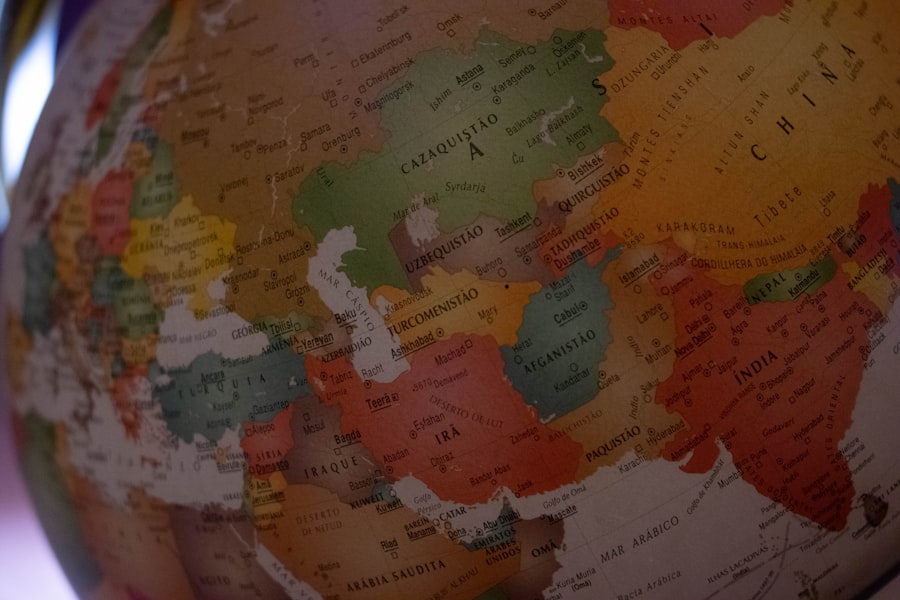
The Red Sea is not merely a regional theater but a stage where global powers project their influence, pursue their strategic objectives, and occasionally clash ideologically.
China’s Belt and Road Initiative and Naval Presence
China’s ambitious Belt and Road Initiative (BRI) places significant emphasis on maritime connectivity, and the Red Sea is a crucial segment of its “Maritime Silk Road.” Beijing’s growing economic interests in the region are paralleled by an expanding naval presence, epitomized by its military base in Djibouti. This dual approach of economic engagement and security projection positions China as a significant, and increasingly active, stakeholder. Its intentions, whether purely commercial or evolving into a more overt security role, will be closely scrutinized by other powers. The potential for friction between Chinese and Western naval operations, particularly in areas of overlapping interest, cannot be discounted.
US and European Security Interests
The United States, along with its European allies, has long maintained a robust military presence in the Red Sea and surrounding areas, primarily to counter terrorism, safeguard freedom of navigation, and protect energy supplies. Forces from the US Fifth Fleet and various European naval missions conduct regular patrols and exercises. In 2025, these powers will continue to prioritize counter-piracy efforts, freedom of navigation operations, and intelligence gathering to monitor non-state actors and regional tensions. The challenge for Western powers will be to maintain influence and deter hostile actions in an increasingly contested environment, balancing their strategic objectives with the complex political realities of the Red Sea littoral states.
Russia’s Ambitions and Naval Footprint
Russia, seeking to reassert its global footprint, has shown increasing interest in the Red Sea. Its pursuit of a naval base in Sudan, though facing various political hurdles, underscores its desire for consistent access to warm-water ports and a more prominent role in maritime security. While its current naval presence is less extensive than that of other major powers, Russia’s diplomatic overtures and arms sales to various regional actors indicate a long-term strategic play. The potential for Russia to leverage regional conflicts or align with actors challenging the established order could introduce a new layer of complexity to the Red Sea’s geopolitical landscape.
As tensions continue to rise in the Red Sea region, understanding the implications of geopolitical risk becomes increasingly crucial for global trade and security. A recent article explores the potential scenarios that could unfold by 2025, highlighting the strategic importance of this maritime corridor. For a deeper analysis of the evolving dynamics and their potential impact on international relations, you can read the full article here.
Environmental Challenges and Resource Scarcity
| Metric | Value/Description | Source/Notes |
|---|---|---|
| Number of Piracy Incidents | 15 reported cases | International Maritime Bureau, 2025 Q1 |
| Military Presence | 5 countries with naval bases | Regional security reports, 2025 |
| Shipping Traffic Volume | Approx. 3,000 vessels/month | Maritime Traffic Monitoring, 2025 |
| Conflict Hotspots | Houthi-controlled areas, Eritrea-Yemen border | Geopolitical analysis, 2025 |
| Economic Impact on Trade | Estimated 7% increase in shipping costs | Trade and Logistics Reports, 2025 |
| International Diplomatic Initiatives | 3 major peace talks held | UN and regional organizations, 2025 |
| Risk Level Index | High (7.8/10) | Global Risk Assessment, 2025 |
Beyond traditional security concerns, the Red Sea faces significant environmental pressures and resource challenges that intrinsically link to its geopolitical stability.
Climate Change and Sea Level Rise
Like many coastal regions, the Red Sea basin is vulnerable to the impacts of climate change, including rising sea levels, increased sea surface temperatures, and more extreme weather events. These phenomena can exacerbate existing vulnerabilities, displacing populations, damaging vital infrastructure, and intensifying competition for scarce resources. The long-term implications for port operations, coastal communities, and the unique marine ecosystems of the Red Sea are substantial and could indirectly contribute to geopolitical tensions as states grapple with the effects.
Water Scarcity and Shared Resources
The broader Red Sea region is characterized by pervasive water scarcity. The Nile River, feeding into the Mediterranean, but significantly impacting the hydrological balance of surrounding nations, particularly Ethiopia’s Grand Ethiopian Renaissance Dam (GERD) on the Blue Nile, has long been a source of regional dispute. While not directly within the Red Sea basin, the broader water politics of the Nile have implications for the stability and cooperation among Red Sea nations, particularly Egypt and Sudan. Competition for freshwater resources can be a potent catalyst for instability, especially in an already stressed geopolitical environment.
Overfishing and Marine Ecosystem Degradation
The Red Sea’s rich marine biodiversity is under threat from overfishing, illegal fishing, and pollution. The degradation of coral reef ecosystems, vital for both biodiversity and coastal protection, can have cascading economic and social consequences for coastal communities that rely on marine resources for their livelihoods. While seemingly a purely environmental issue, ecological decline can fuel local grievances, contribute to poverty, and create conditions susceptible to radicalization, thus indirectly impacting regional security. Moreover, the economic losses from degraded fisheries can reduce state revenues, limiting their capacity for governance and security provision.
In conclusion, the Red Sea in 2025 will remain a dynamic and volatile geopolitical arena. The interplay of escalating regional power dynamics, the persistent threat of non-state actors, the vital economic lifelines it supports, and the increasing competition among major global powers forms a Gordian knot of challenges. Add to this the underlying pressures of environmental degradation and resource scarcity, and the picture becomes even more intricate. For policymakers and shipping magnates alike, navigating this complex environment will require astute diplomacy, robust security measures, and a keen understanding of the interconnectedness of these factors. The Red Sea stands as a testament to the adage that in geopolitics, proximity breeds both cooperation and conflict, making foresight and strategic planning not just beneficial, but absolutely essential.
FAQs
What is the significance of the Red Sea in global geopolitics?
The Red Sea is a critical maritime route connecting the Mediterranean Sea to the Indian Ocean via the Suez Canal. It serves as a major corridor for international trade, including oil shipments, making it strategically important for global economic and security interests.
What are the main sources of geopolitical risk in the Red Sea region in 2025?
Key sources of geopolitical risk include territorial disputes, piracy, military presence of regional and global powers, political instability in bordering countries such as Yemen and Sudan, and competition over control of maritime routes and resources.
How do regional conflicts impact the security of the Red Sea in 2025?
Ongoing conflicts in countries like Yemen and Sudan contribute to instability, increasing the risk of attacks on shipping, disruption of trade routes, and the potential for broader military confrontations involving regional and international actors.
What role do international powers play in the Red Sea’s geopolitical landscape in 2025?
International powers, including the United States, China, and Gulf countries, maintain a military and diplomatic presence in the Red Sea to protect their strategic interests, secure trade routes, and influence regional politics, which can both stabilize and complicate the security environment.
What measures are being taken to mitigate geopolitical risks in the Red Sea?
Efforts to mitigate risks include multinational naval patrols to combat piracy, diplomatic initiatives to resolve regional conflicts, investment in maritime security infrastructure, and cooperation among Red Sea littoral states and international organizations to ensure safe navigation and stability.