The Red Sea, a vital artery for global commerce, has recently become a nexus of geopolitical tension and technological innovation. The Houthis, a Zaydi Shia Islamist political and military organization that emerged from northern Yemen in the 1990s, have significantly disrupted international shipping routes through their deployment of sophisticated drone technology. These actions illustrate a modern, asymmetric warfare strategy, where a non-state actor can exert disproportionate influence on global supply chains with relatively low-cost, domestically produced armaments. This article will explore the evolution of Houthi drone capabilities, their tactical deployment, the resulting economic impacts, and the international responses to this burgeoning threat.
The Houthis’ drone program did not materialize overnight but has undergone a sustained period of development and refinement, drawing upon both indigenous ingenuity and external assistance. Initially, their unmanned aerial vehicle (UAV) fleet primarily comprised repurposed commercial drones, modified for rudimentary attack or reconnaissance missions. Over time, however, a clear trajectory towards more specialized and capable systems has become apparent.
Early Iterations and Adaptations
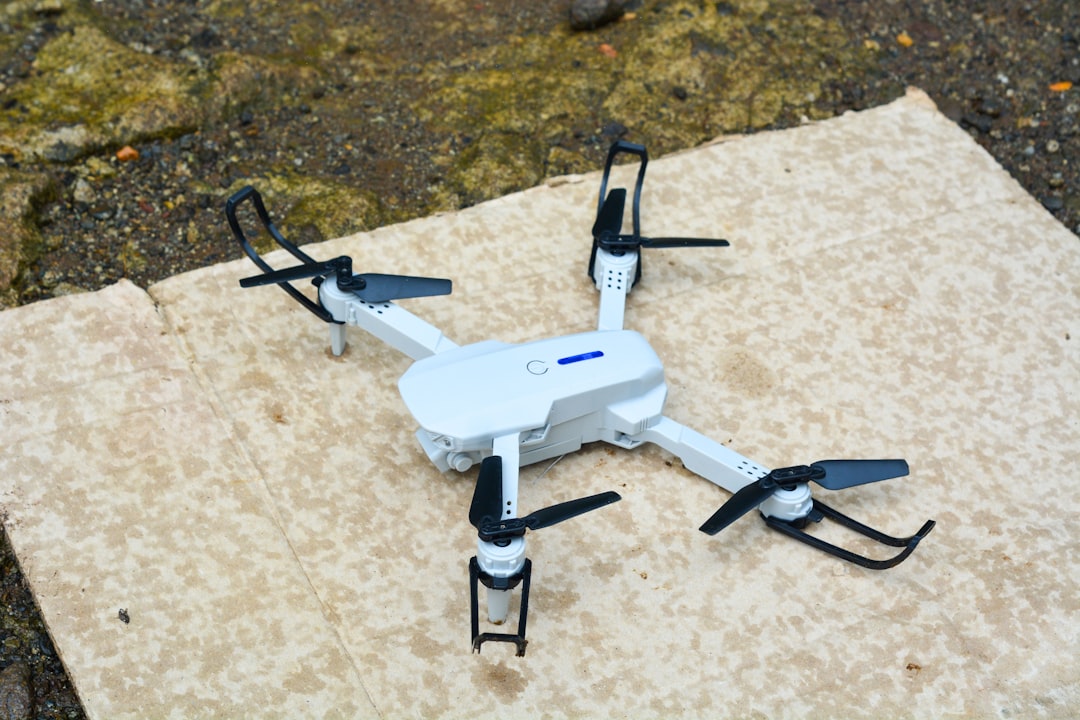
In the early stages of the Yemeni conflict, the Houthis demonstrated an ability to adapt readily available technology for military purposes. Consumer-grade quadcopters and fixed-wing hobbyist aircraft were weaponized with small explosive payloads or used for intelligence gathering. This period was characterized by experimentation and a relatively low technical threshold, but it laid the groundwork for more advanced developments. These early drones, while limited in range and payload, provided valuable experience in operational deployment and target identification.
Indigenous Production and Reverse Engineering
As the conflict progressed and external arms supplies became more constrained, the Houthis significantly invested in indigenous drone production. This involved reverse-engineering captured or downed UAVs and adapting foreign designs using locally sourced materials and manufacturing processes. They have reportedly established a network of workshops and production facilities within Yemen, allowing them to rapidly iterate designs and tailor them to specific operational requirements.
External Assistance and Technology Transfer
While the Houthis emphasize their self-reliance, evidence suggests significant external assistance, particularly from Iran. This assistance is believed to include the transfer of technical expertise, components, and potentially fully assembled drone systems that serve as blueprints for local production. Iranian drone models like the Ababil and Qasef-1 (a Houthi designation for a variant of the Ababil-2) have clear counterparts in the Houthi arsenal. This technology transfer has accelerated the Houthi drone program, providing them with a leap in capabilities that would otherwise be challenging to achieve independently.
Diversification of Drone Types
The Houthi drone fleet has diversified beyond simple reconnaissance and attack drones. They now possess a range of UAVs tailored for specific missions:
- Kamikaze/Loitering Munitions: These drones are designed to carry an explosive warhead and strike a target. Their ability to loiter over an area before attacking makes them particularly effective against stationary or slow-moving targets.
- Anti-Ship Drones: Specifically designed to target maritime vessels, these drones often feature enhanced range and navigation systems suitable for operating over water. Their deployment against commercial shipping in the Red Sea is a testament to this specialized development.
- Reconnaissance and Surveillance Drones: These UAVs provide real-time intelligence, allowing for target acquisition and post-strike damage assessment, crucial for effective military operations.
Recent developments in Houthi drone technology have raised concerns regarding their supply lines and operational capabilities. An insightful article that delves into this topic can be found at this link, where it explores the advancements in drone warfare and the implications for regional security. The article highlights how the Houthis have leveraged sophisticated drone technology to enhance their military effectiveness, posing challenges to both local and international stakeholders.
Tactical Deployment and Operational Strategy
The Houthi’s strategic use of drones is a critical component of their asymmetric warfare doctrine. Their tactics involve exploiting vulnerabilities in traditional naval defenses and leveraging the element of surprise to achieve outsized effects.
Targeting of Commercial Shipping
The primary objective of the recent drone attacks in the Red Sea is to compel international actors to pressure Israel to cease its military operations in Gaza. By targeting commercial shipping, the Houthis aim to exert economic pressure on nations that rely on this vital maritime corridor. Their attacks have not been indiscriminate; instead, they have often focused on vessels with perceived links to Israel, the United States, or the United Kingdom, though innocent vessels have also been struck. This targeting strategy suggests a deliberate attempt to send a political message through economic disruption.
Swarm Tactics and Multi-Modal Attacks
While individual drone attacks can be mitigated, the Houthis have demonstrated an increasing propensity for swarm tactics. Launching multiple drones simultaneously, sometimes in conjunction with anti-ship ballistic and cruise missiles, overwhelms the defense systems of naval vessels and creates a more complex threat environment. This multi-modal approach forces naval assets to disperse their defensive capabilities, increasing the likelihood of a successful strike.
Exploiting the “Fog of War”
The Houthis effectively exploit the inherent challenges of identifying and neutralizing small, fast-moving aerial threats in a complex maritime environment. The sheer volume of commercial traffic in the Red Sea provides a natural cover for drone launches, making it difficult to pinpoint their origin and track their trajectory from afar. Furthermore, the cost-effectiveness of drones compared to advanced naval interceptors creates an unfavorable economic calculus for defense, a key tenet of asymmetric warfare.
Adaptive Targeting and Intelligence Gathering
Houthi drone operations are not static. They demonstrate an adaptive targeting strategy, adjusting their attacks based on vessel movements, international responses, and perceived political leverage. Their reconnaissance drones likely play a crucial role in identifying potential targets and providing real-time intelligence for attack orchestration, enabling a dynamic and responsive operational framework. This adaptability is a hallmark of sophisticated, evolving military capabilities.
Economic Impacts and Geopolitical Ramifications
The drone attacks in the Red Sea have rippled through the global economy, forcing major shipping companies to reroute vessels and increasing the cost and duration of international trade. These disruptions serve as a stark reminder of the fragility of global supply chains and the interconnectedness of the world economy.
Supply Chain Disruptions
The Red Sea route, which includes the Suez Canal, is a critical chokepoint for global trade, handling approximately 12% of worldwide maritime trade by volume and an even higher percentage by value. The Houthi attacks have compelled numerous shipping companies, including industry giants like Maersk and MSC, to suspend transits through the Red Sea and reroute their vessels around the Cape of Good Hope. This longer journey adds 10-14 days to transit times between Asia and Europe, significantly delaying deliveries of goods ranging from consumer electronics to automotive parts and energy products.
Increased Shipping Costs and Insurance Premiums
The extended transit times around Africa translate directly into increased fuel consumption, higher labor costs for crews, and greater operational expenses for shipping companies. Consequently, freight rates have surged, with some routes experiencing increases of over 100%. Furthermore, war risk insurance premiums for vessels transiting the Red Sea have skyrocketed, passing these additional costs onto consumers and businesses. This inflationary pressure is a significant concern for the global economy, already grappling with post-pandemic recovery challenges.
Impact on Global Trade and Inflation
The cumulative effect of these disruptions is a slowdown in global trade and a potential uptick in inflation. Manufacturers face delays in receiving critical components, leading to production bottlenecks and potentially higher retail prices. Energy markets are also affected, as the Red Sea is a key route for oil and liquefied natural gas (LNG) shipments. While the immediate impact on global energy prices has been contained due to sufficient alternative supplies, sustained disruption could exert upward pressure on energy costs. The metaphor here is that of a stone dropped into a pond; the initial splash is contained, but the ripples extend far and wide, touching every shore.
Regional Instability and Escalation Risks
Beyond economic concerns, the Houthi drone attacks have significantly amplified regional instability. The attacks are intertwined with the broader Israeli-Palestinian conflict and the ongoing rivalry between Iran and its regional adversaries. The retaliatory strikes by the US and UK against Houthi military targets demonstrate a willingness by external powers to intervene, raising the specter of a wider regional conflict. This complex web of alliances and antagonisms makes the Red Sea a highly volatile zone, with each action carrying the potential for unintended and far-reaching consequences.
International Responses and Countermeasures
The international community has responded to the Houthi drone threat with a combination of defensive measures, diplomatic efforts, and targeted military action. However, finding a lasting solution requires navigating a complex geopolitical landscape and addressing the underlying causes of the conflict.
Naval Deployments and Coalition Building
In response to the escalating attacks, several nations have deployed naval assets to the Red Sea to protect commercial shipping. The United States launched Operation Prosperity Guardian, an international coalition aimed at enhancing maritime security in the region. This coalition includes naval vessels from the UK, France, Germany, and other countries, though some nations have opted for independent deployments. The primary objective is to deter further attacks and to intercept drones and missiles launched by the Houthis.
Defensive Technologies and Tactics
Naval forces operating in the Red Sea are employing a variety of defensive technologies and tactics:
- Air Defense Systems: Advanced missile defense systems, such as the Aegis Combat System on US Navy destroyers, are crucial for intercepting incoming drones and missiles.
- Electronic Warfare (EW): EW capabilities can be used to jam or disrupt the guidance systems of enemy drones, rendering them ineffective.
- Close-in Weapon Systems (CIWS): These rapid-fire gun systems provide a last line of defense against fast-approaching aerial threats.
- Enhanced Surveillance: Continuous surveillance using radar, electro-optical sensors, and other maritime patrol assets is essential for early detection and tracking of threats.
However, the cost-effectiveness imbalance remains a challenge. Intercepting a cheap drone with a multi-million-dollar missile is not a sustainable long-term strategy. This is like trying to swat a fly with a sledgehammer; effective, but inefficient.
Targeted Military Strikes
Both the United States and the United Kingdom have conducted retaliatory airstrikes against Houthi military sites in Yemen, targeting drone launch facilities, missile storage sites, and command and control centers. These strikes are intended to degrade the Houthis’ ability to launch further attacks and to serve as a deterrent. However, their effectiveness is debated, with some analysts suggesting that the Houthis possess sufficient depth in their drone and missile inventories to absorb these strikes and continue their operations. Furthermore, there is a risk that such strikes could inadvertently escalate the conflict.
Diplomatic Efforts and Sanctions
Alongside military responses, diplomatic efforts are underway to de-escalate tensions and seek a political resolution to the conflict in Yemen. The United Nations and various international bodies have called for an immediate cessation of Houthi attacks and for all parties to respect international law. Sanctions have also been used as a tool to pressure the Houthis and their alleged backers. However, convincing the Houthis to cease their actions without addressing their stated grievances, particularly regarding the situation in Gaza, remains a significant challenge.
The Challenge of Attribution and Accountability
A key challenge in responding to the Houthi drone threat is the difficulty in definitively attributing all attacks and holding specific actors accountable. While many attacks are openly claimed by the Houthis, the question of external support and the chain of command remains a subject of ongoing investigation and debate. This ambiguity complicates international efforts to build consensus and implement unified responses.
Recent developments in Houthi drone technology have raised concerns about their evolving capabilities and the implications for regional security. A related article discusses the intricate supply lines that enable these advancements, shedding light on how the Houthis have managed to enhance their drone warfare strategies. For more insights on this topic, you can read the full article here. Understanding these dynamics is crucial for comprehending the broader geopolitical landscape in the Middle East.
Future Outlook and Enduring Challenges
| Metric | Details |
|---|---|
| Drone Types | Qasef-1, Samad-1, Samad-2, Samad-3, and other custom UAVs |
| Range | Up to 1,500 km (for long-range variants like Samad-3) |
| Payload Capacity | Approximately 30-50 kg (explosives or surveillance equipment) |
| Primary Supply Sources | Iran (technology transfer and components), local manufacturing in Yemen |
| Supply Line Routes | Land routes through Oman and Saudi Arabia borders, sea routes via Red Sea ports |
| Estimated Production Rate | Dozens of drones per month (based on intelligence estimates) |
| Operational Use | Reconnaissance, targeted strikes on Saudi and coalition infrastructure |
| Countermeasures | Radar detection, electronic jamming, missile interception systems |
The Houthi drone campaign in the Red Sea represents a paradigm shift in how non-state actors can exert influence on a global scale. The relatively low cost and accessibility of drone technology, coupled with the strategic importance of the targeted region, create a potent combination that challenges traditional security paradigms.
The Proliferation of Drone Technology
The effectiveness of Houthi drone operations will likely inspire other non-state actors and even smaller state actors to develop similar capabilities. The ease of access to commercial drone components and the availability of open-source knowledge regarding drone design and manufacturing mean that the proliferation of this technology is an enduring challenge. The genie is out of the bottle, and putting it back will be an immense task.
Adapting Naval Defenses
Naval forces worldwide must adapt their defensive strategies and invest in countermeasures specifically designed to combat swarm attacks by inexpensive drones and missiles. This includes developing more cost-effective interceptors, advanced electronic warfare systems capable of disrupting multiple threats simultaneously, and potentially integrating artificial intelligence into threat detection and response systems. The arms race between offensive and defensive capabilities in the drone domain is intensifying.
Addressing Root Causes and Political Solutions
Ultimately, sustained stability in the Red Sea and the broader Middle East requires addressing the root causes of conflict in Yemen and the wider region. As long as political grievances remain unaddressed and conflicts fester, non-state actors like the Houthis will continue to find opportunities to project power and disrupt the international order. Durable solutions will require comprehensive diplomatic engagement, humanitarian aid, and efforts to foster political reconciliation. A purely military response, without a parallel political track, risks perpetual conflict.
The Role of International Cooperation
The challenges posed by the Houthi drone campaign underscore the critical importance of international cooperation. No single nation can unilaterally secure global maritime trade routes or fully counter the evolving threats posed by advanced drone technology. Information sharing, joint deterrence operations, and coordinated diplomatic pressure are essential for mitigating the current crisis and preventing future disruptions. The Red Sea serves as a crucible, forging new imperatives for collaborative security in a rapidly changing world.
FAQs
What types of drones are commonly used by the Houthi movement?
The Houthi movement primarily uses a variety of unmanned aerial vehicles (UAVs), including reconnaissance drones and armed drones capable of carrying explosives. These drones range from small commercial models modified for surveillance to larger, more sophisticated designs reportedly developed with external assistance.
How do the Houthis acquire drone technology and components?
The Houthis obtain drone technology and components through a combination of local manufacturing, smuggling, and external support. Reports suggest that some parts and technical expertise come from foreign allies, while others are sourced through clandestine supply lines across the Red Sea and regional borders.
What role do drones play in the Houthis’ military strategy?
Drones are a critical element of the Houthis’ military strategy, used for intelligence gathering, targeting enemy positions, and conducting precision strikes. Their use allows the Houthis to extend their reach beyond traditional frontlines and challenge adversaries with relatively low-cost, high-impact attacks.
How are the Houthis’ drone supply lines maintained despite blockades?
The Houthis maintain their drone supply lines through a network of covert routes, including smuggling via sea, land, and air. They exploit porous borders, use small vessels to evade naval blockades, and employ underground facilities to assemble and store drone components, enabling continued drone operations despite international efforts to restrict their access.
What impact has Houthi drone technology had on regional security?
Houthi drone technology has significantly affected regional security by increasing the frequency and reach of attacks on neighboring countries, including Saudi Arabia and the United Arab Emirates. The drones have targeted critical infrastructure, military installations, and civilian areas, escalating tensions and complicating conflict resolution efforts in the region.