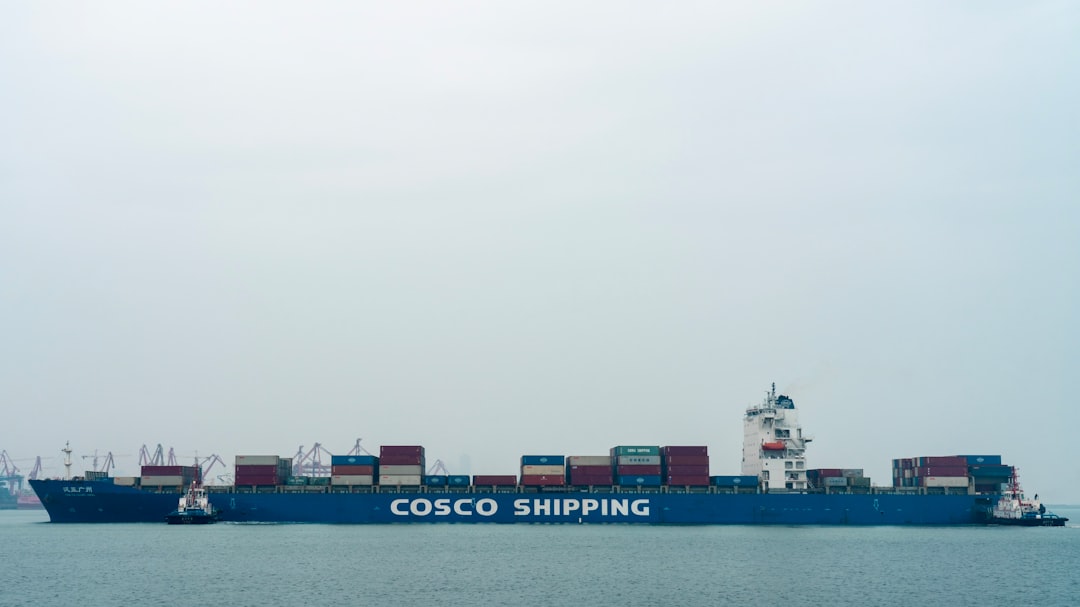
The global shipping landscape is a complex and interconnected system, a veritable circulatory network for international trade. When this system encounters disruptions, the ripple effects can be felt across economies, ultimately impacting the end consumer. The recent crisis in the Red Sea has emerged as a significant impediment to this intricate network, triggering a surge in consumer prices across various sectors. This article will delve into the multifaceted nature of the Red Sea shipping crisis, exploring its origins, its impact on global supply chains, and the subsequent inflationary pressures it has exerted on consumers worldwide.
The current shipping crisis in the Red Sea is rooted in geopolitical tensions, specifically the ongoing conflict in Yemen and the regional implications stemming from it. The Bab-el-Mandeb Strait, a narrow chokepoint at the southern end of the Red Sea, is a critical maritime passage connecting the Mediterranean Sea via the Suez Canal to the Indian Ocean. This route is a lifeline for global trade, particularly for goods flowing between Asia and Europe.
The Houthi Factor: Disrupting a Vital Artery
The Houthi movement, a political and armed organization in Yemen, has been a key protagonist in the conflict. In recent months, the Houthis have escalated their attacks on commercial vessels navigating the Red Sea, citing solidarity with Palestinians in the Gaza conflict. These attacks, involving missiles and drones, have introduced an unprecedented level of insecurity for merchant shipping. The Houthis possess a diverse arsenal, including anti-ship ballistic missiles and unmanned surface vessels, which they have demonstrably used to target international shipping. This shift from more localized skirmishes to direct engagement with commercial vessels has fundamentally altered the risk calculus for maritime transport.
Historical Precedents: Echoes of Past Interruptions
While the current crisis is unique in its specifics, disruptions to vital shipping lanes are not without historical precedent. The closure of the Suez Canal during the Arab-Israeli wars in 1956 and 1967 forced ships to reroute around the Cape of Good Hope, leading to increased transit times and costs. Similarly, instances of piracy in the Gulf of Aden in the 2000s necessitated enhanced security measures and naval patrols, also contributing to higher shipping expenses. These historical events serve as a sobering reminder of the fragility of global supply chains and the potential for geopolitical events to significantly impede international commerce. The Red Sea crisis, in its current manifestation, represents another chapter in this ongoing narrative of vulnerability.
The ongoing Red Sea shipping crisis has significant implications for global consumer prices, as disruptions in maritime trade routes lead to increased shipping costs and delays in the delivery of goods. For a deeper understanding of how these developments are affecting the economy and consumer behavior, you can read a related article that explores the intricate connections between shipping challenges and rising prices at this link: here.
Navigational Nightmare: Impact on Global Shipping Routes
The immediate consequence of the Red Sea crisis has been a significant alteration of established shipping routes. Shipping companies, prioritizing the safety of their crews and cargo, have been compelled to reconsider the economic viability and security risks of traversing the Bab-el-Mandeb Strait and the Red Sea.
The Great Divergence: Rerouting Around Africa
The primary response from major shipping lines has been to reroute vessels around the Cape of Good Hope, at the southern tip of Africa. This bypass immediately adds thousands of nautical miles to voyages between Asia and Europe, extending transit times by an average of 10-14 days. For certain routes, this can mean an increase of up to 40% in journey duration. This extended travel translates directly into higher operational costs for shipping companies. Ships burn more fuel, crews are paid for longer periods, and the maintenance intervals are shortened due to increased mileage. The capacity of the global shipping fleet is effectively reduced as vessels are tied up for longer durations on each journey, akin to fewer trains being available for a fixed railway network because each train is taking a longer detour.
Bottlenecks and Congestion: Strain on Port Infrastructure
The rerouting also has cascading effects on port operations. Ports along the new, longer routes, particularly in South Africa, are experiencing increased traffic, potentially leading to congestion. Conversely, ports that previously served as transshipment hubs for goods passing through the Suez Canal may see a reduction in volume. The shift also disrupts established schedules, creating a ripple effect of delays at various ports as ships arrive off-schedule. This domino effect exacerbates existing logistical challenges, leading to further delays in cargo delivery. Imagine the meticulous choreography of ships arriving at a port; suddenly, many dancers are arriving late, throwing the entire performance out of sync.
Escalating Insurance Premiums and Security Costs
The heightened security risk in the Red Sea has led to a sharp increase in insurance premiums for commercial vessels. War risk insurance, previously a standard but relatively minor component of shipping costs, has seen exponential growth. This additional cost is directly passed on to shipping companies and ultimately factored into freight rates. Furthermore, some shipping lines are considering or implementing enhanced security measures, such as hiring private security personnel or increasing speed through high-risk areas, all of which contribute to the overall cost of maritime transport. The global maritime insurance market, a watchful sentinel of shipping risks, has recalibrated its assessment of the Red Sea, reflecting the tangible threat to vessels and their valuable cargo.
The Unseen Burden: Impact on Global Supply Chains
The altered shipping landscape due to the Red Sea crisis has profound implications for global supply chains. These intricate networks, already strained by the COVID-19 pandemic and subsequent geopolitical events, are now facing another significant test.
Extended Lead Times and Inventory Management Challenges
The increased transit times due to rerouting directly translate into extended lead times for businesses. For companies that rely on just-in-time inventory management systems, where goods arrive precisely when needed to minimize warehousing costs, this disruption is particularly problematic. Businesses are compelled to either hold larger buffer stocks, incurring higher storage costs and tying up capital, or risk stockouts and production delays. This shift away from lean inventory practices represents a significant operational adjustment for many industries. The longer a product is in transit, the longer it is unavailable for sale or use, creating a “time tax” on global commerce.
Disruptions to Manufacturing and Just-in-Time Systems
Many manufacturing industries, particularly in Europe, rely heavily on components and raw materials imported from Asia. The delays caused by the Red Sea crisis can disrupt production schedules, leading to factory slowdowns and even temporary closures. The automotive industry, for example, with its complex global supply chains for parts, is particularly vulnerable. A single delayed component can halt an entire assembly line. This highlights the interconnectedness of modern manufacturing processes, where a disruption thousands of miles away can have immediate and tangible effects on local production.
Sector-Specific Vulnerabilities: From Electronics to Energy
The impact of the crisis is not uniformly distributed across all sectors. Industries with high-value, time-sensitive goods, such as electronics and pharmaceuticals, are particularly susceptible to delayed shipments. Fresh produce and other perishable goods face increased spoilage risk during extended voyages. The energy sector, while not directly impacted by the transit of crude oil through the Red Sea for the most part (as much of it goes via pipelines or other routes), could see indirect effects on refined products. The manufacturing of solar panels and wind turbine components, for instance, heavily relies on Asian supply chains, making the transition to renewable energy potentially more expensive and slower. Each industry, like a distinct organ in the global economic body, experiences the strain in its own unique way.
Surging Prices: The Direct Consumer Impact
The confluence of increased shipping costs, extended lead times, and supply chain disruptions ultimately translates into higher prices for consumers. This inflationary pressure is a direct and attributable consequence of the Red Sea shipping crisis.
Elevated Freight Rates: The Foundation of Price Increases
The most immediate and direct contributing factor to rising consumer prices is the surge in freight rates. Shipping companies, faced with higher fuel costs, increased insurance premiums, and the need to maintain profitability, have passed these additional expenses onto their clients. The cost of shipping a container from Asia to Europe has reportedly jumped by hundreds, if not thousands, of dollars since the crisis began. These increased freight costs are then absorbed by importers, wholesalers, and retailers, who in turn factor them into the final price of the goods sold to consumers. This escalation of freight costs acts as a foundational inflationary pressure, a rising tide that lifts all price boats.
Retail Markups and Passed-On Costs
Retailers and other businesses operating within the supply chain often apply a percentage markup to their costs. Therefore, as the cost of importing goods increases due to higher freight rates, the final retail price increases disproportionately. This is not necessarily an act of exploitation, but rather a reflection of standard business practices to maintain profit margins. Consumers, therefore, bear the brunt of these accumulated costs. Consider a product that costs $100 to import; if shipping costs add an extra $10, and the retailer applies a 50% markup, the consumer will pay $15 more, not just $10 more.
Inflationary Pressures on Everyday Goods
The impact is felt across a broad range of consumer goods. From electronics and clothing to furniture and even certain foodstuffs (especially those transported long distances), prices are experiencing upward pressure. For instance, European consumers may find imported Asian electronics more expensive due to the extended journey around Africa. Manufacturers of household appliances reliant on international components will also see their costs rise, which will inevitably be reflected in retail prices. This pervasive increase in the cost of goods contributes to a broader inflationary environment, eroding purchasing power and impacting household budgets. The Red Sea, though geographically distant for many consumers, becomes a silent contributor to the rising cost of their weekly shopping basket.
The ongoing Red Sea shipping crisis has raised significant concerns about its impact on consumer prices globally. As shipping routes are disrupted, the costs of goods are likely to rise, affecting everything from electronics to food supplies. For a deeper understanding of how these disruptions are influencing market trends, you can read a related article on this topic at My Geo Quest. This situation underscores the interconnectedness of global trade and the potential ripple effects on everyday consumers.
The Long Road Ahead: Mitigating and Adapting to the Crisis
| Metric | Value | Unit | Notes |
|---|---|---|---|
| Shipping Delay | 15 | Days | Average delay in Red Sea shipping routes during crisis |
| Container Backlog | 120,000 | TEUs | Number of containers delayed at Red Sea ports |
| Increase in Consumer Prices | 8.5 | Percent | Average rise in consumer prices linked to shipping disruptions |
| Fuel Surcharge Increase | 12 | Percent | Additional fuel costs passed to consumers |
| Shipping Cost per Container | 4500 | Units | Average cost to ship one container through Red Sea during crisis |
| Impact on Retail Goods | 10 | Percent | Estimated increase in retail prices due to shipping crisis |
Addressing the Red Sea shipping crisis requires a multifaceted approach involving diplomatic efforts, enhanced security measures, and strategic adjustments by businesses. The path to resolution is unlikely to be swift or straightforward.
Diplomatic Engagement and Regional Stability
Ultimately, a sustainable resolution to the Red Sea crisis hinges on diplomatic efforts to de-escalate tensions and restore stability in the region. International bodies and key global powers are engaged in various diplomatic initiatives to address the underlying causes of the conflict and to ensure the safe passage of commercial vessels. However, the complexities of regional geopolitics suggest that a quick fix is improbable. Until fundamental security concerns are addressed, the threat to shipping in the Red Sea is likely to persist, albeit with varying intensity. The Red Sea is not merely a shipping lane; it is a geopolitical chessboard where resolution requires intricate negotiation and a willingness from all parties to step back from confrontation.
Enhanced Security Measures and Naval Presence
In the short to medium term, enhanced security measures and an increased naval presence in the Red Sea are crucial for deterring attacks and protecting commercial shipping. Several nations have already deployed naval assets to the region to patrol the waters and provide escort services to merchant vessels. However, such operations are resource-intensive and do not offer a complete guarantee against all threats. Furthermore, the cost of these security operations is significant and, in various ways, contributes to the overall economic burden of the crisis. The global response has been to strengthen the armada, but even the strongest armada cannot fully negate a determined, asymmetrical threat.
Supply Chain Diversification and Resilience Building
For businesses, the Red Sea crisis serves as a stark reminder of the importance of building resilient supply chains. This involves diversifying sourcing geographically to reduce reliance on single regions or shipping lanes. Exploring alternative transportation modes, such as rail freight for certain goods between Asia and Europe, albeit with its own limitations, is also being considered. Furthermore, stockpiling critical components or increasing inventory levels, despite the associated costs, is a strategy many companies are adopting to buffer against future disruptions. The crisis is forcing a fundamental reevaluation of what was once considered optimal supply chain management, moving from efficiency-at-all-costs to resilience-at-a-premium. The mantra is shifting: from just-in-time to just-in-case.
Consumer Response and Policy Implications
Consumers, facing higher prices, may need to adjust their purchasing habits and budgets. This could lead to a shift in demand towards domestically produced goods or more affordable alternatives where possible. Governments and policymakers are also evaluating the broader economic impact, with potential for interventions aimed at mitigating the inflationary pressures, although such measures can be complex and carry their own set of economic consequences. The Red Sea crisis, therefore, transcends the immediate shipping lanes and extends its reach into household finances and national economic policy discussions, a distant storm casting a long shadow on global prosperity.
FAQs
What is the Red Sea shipping crisis?
The Red Sea shipping crisis refers to significant disruptions in maritime transport routes through the Red Sea, often caused by geopolitical tensions, blockades, or logistical challenges affecting the flow of goods.
How does the Red Sea shipping crisis impact consumer prices?
Disruptions in shipping through the Red Sea can lead to delays and increased transportation costs, which often result in higher prices for consumer goods due to supply chain bottlenecks and increased shipping fees.
Which goods are most affected by the Red Sea shipping crisis?
Goods that rely heavily on maritime transport through the Red Sea, such as electronics, clothing, oil, and raw materials, are most affected by the crisis, as delays and increased costs impact their availability and pricing.
What are the main causes of the Red Sea shipping crisis?
The crisis is primarily caused by geopolitical conflicts, piracy, blockades, and infrastructure issues in the region, which disrupt the normal flow of shipping traffic through this critical maritime corridor.
What measures are being taken to resolve the Red Sea shipping crisis?
Efforts to resolve the crisis include diplomatic negotiations to ease tensions, increased security measures to combat piracy, alternative shipping routes, and investments in port infrastructure to improve logistics and reduce delays.