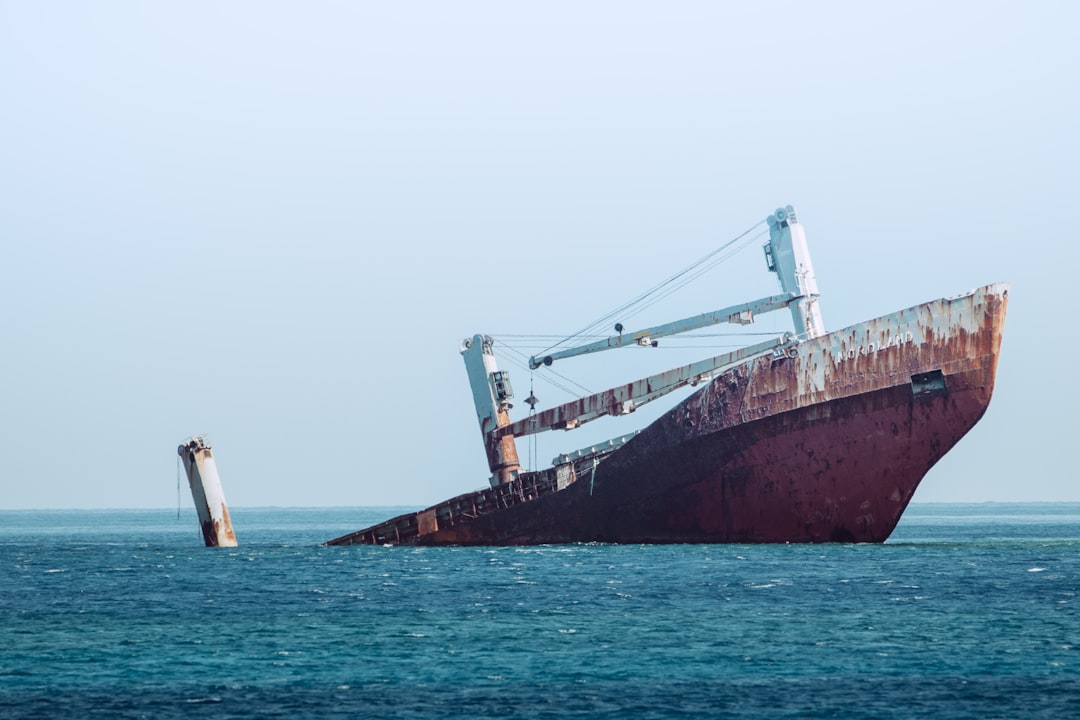
The Red Sea shipping crisis stands as a potent reminder of the intricate interconnectedness of global supply chains and the vulnerability of consumer markets to geopolitical instability. The disruption of one of the world’s most critical maritime arteries has sent ripples, akin to pebbles dropped into a vast ocean, across the global economy, with a palpable impact on the prices consumers ultimately pay.
The Red Sea, a narrow strip of water connecting the Mediterranean Sea to the Indian Ocean via the Suez Canal, is a linchpin of international trade. Its strategic importance cannot be overstated; it is the shortest maritime route between Europe and Asia, facilitating a significant percentage of global container traffic. This vital artery, however, has become a battleground, drawing the attention of actors seeking to exert influence and disrupt established trade flows. The emergence of attacks on commercial shipping by Houthi militants, originating from Yemen, has transformed this artery into a perilous passage, forcing vessels to reroute, thereby creating a cascade of economic consequences.
The Escalation of Attacks
The initial attacks, characterized by drone and missile strikes, began as targeted actions aimed at vessels perceived to be linked to certain nations or interests. However, the geographical proximity and the sheer volume of traffic passing through these waters meant that the collateral damage of these hostilities quickly extended to neutral shipping. The targeting strategy, whether intentional or a consequence of imprecise weaponry, has created an environment of pervasive risk, prompting shipping companies to assess the viability of transiting the region.
Houthi Motivations and Regional Dynamics
Understanding the motivations behind the Houthi actions is crucial to grasping the longevity and future trajectory of this crisis. The group, supported by Iran, has stated its intention to target ships bound for Israel in solidarity with Palestinians in Gaza. This geopolitical layer adds complexity, as the Red Sea becomes a proxy for broader regional conflicts and power struggles. The Houthi’s ability to sustain attacks and the efficacy of international responses are key variables influencing the duration of the disruption.
The Suez Canal: A Bottleneck’s Vulnerability
The Suez Canal, a man-made wonder that sliced through continents, is the physical manifestation of the Red Sea’s critical role. Its capacity, while immense, is finite. The rerouting of an ever-increasing number of ships away from the Red Sea places an unprecedented strain on the canal’s operations for those vessels that continue to transit, potentially leading to congestion and further delays. More significantly, the decision by numerous major shipping lines to avoid the Red Sea entirely bypasses this crucial waterway, effectively rendering it a less utilized conduit for a substantial portion of global trade.
The ongoing Red Sea shipping crisis has significant implications for consumer prices worldwide, as disruptions in maritime trade routes lead to increased shipping costs and delays in the supply chain. For a deeper understanding of how this crisis is affecting global markets and consumer behavior, you can read a related article that explores these dynamics in detail. To learn more, visit this article.
Rerouting: A Costly Detour and Its Knock-On Effects
The decision by the vast majority of shipping companies to steer clear of the Red Sea is not born of mere caution; it is a pragmatic response to an unacceptable level of risk. This rerouting, however, is far from a simple geographical adjustment. It necessitates a significant lengthening of voyages, adding thousands of nautical miles and weeks to transit times. This extended journey is a costly endeavor, impacting every facet of the shipping process and, consequently, the final price tag for consumers.
The Cape of Good Hope: A Longer, More Expensive Path
The most prevalent alternative route involves navigating around the southern tip of Africa, the Cape of Good Hope. This detour adds approximately 3,000 to 4,000 nautical miles to journeys from Asia to Europe, translating into an additional 10 to 14 days of sailing time. This extended blockade of time translates directly into increased costs for fuel, crew wages, insurance premiums, and vessel operational expenses. Imagine a runner having to take a scenic, winding path to their destination instead of a direct sprint; the extra effort and time invariably lead to greater fatigue and resource expenditure.
Increased Fuel Consumption and Emissions
The extended voyages demand considerably more fuel. Modern container ships are colossal machines, and their appetite for bunker fuel is substantial. The additional days at sea translate into thousands of extra tons of fuel consumed per voyage. This not only inflates operational costs but also contributes to a higher carbon footprint for global shipping, an environmental concern that adds another layer of complexity to an already multifaceted crisis.
Extended Delivery Times and Inventory Strain
The added transit time creates a domino effect on delivery schedules. Products that once arrived within a matter of weeks are now taking months. This extended lead time puts immense pressure on businesses to manage their inventory levels. Companies must either hold larger stocks, tying up valuable capital, or face the risk of stockouts, leading to lost sales and unhappy customers. The ripple effect on inventory management can be likened to trying to balance a tower of Jenga blocks; any disruption at the base can lead to the entire structure becoming unstable.
Impact on Just-In-Time Supply Chains
Many modern supply chains operate on a “just-in-time” (JIT) principle, designed for efficiency and minimal waste. The Red Sea crisis challenges the very foundation of these lean systems. JIT relies on predictable and timely deliveries. When shipments are delayed by weeks, the carefully orchestrated flow of components and finished goods grinds to a halt, forcing businesses to scramble for alternative suppliers or face production stoppages.
The Escalation of Shipping Costs: Freight Rates and Insurance Premiums Take Flight
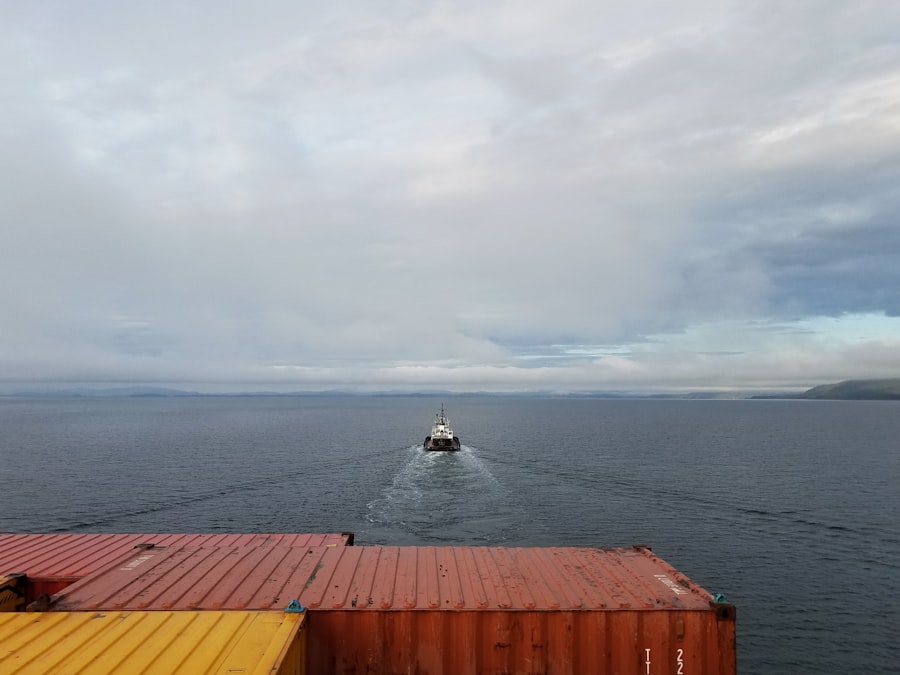
The altered landscape of global shipping has predictably led to a significant upswing in costs across the board. Shipping companies, faced with increased operational expenses and a heightened risk environment, are passing these costs on. This translates directly into higher freight rates for businesses and, inevitably, higher prices for consumers.
Surging Freight Rates: A Direct Cost Transfer
The immediate and most visible consequence of the rerouting is the dramatic increase in container shipping freight rates. Before the crisis, rates for key trade lanes were already fluctuating. However, the Red Sea disruption acted as a powerful accelerant. Major shipping lines have implemented surcharges and increased their general rates significantly to compensate for the longer routes, additional fuel, and increased operational complexities. These surges are not minor adjustments; they represent a substantial increase in the cost of moving goods from point A to point B.
Heightened Insurance Premiums: Protecting Against the Peril
The increased risk associated with navigating the Red Sea and its surrounding waters has also had a profound impact on marine insurance premiums. War risk insurance, in particular, has seen a sharp increase as insurers assess the escalating threat to vessels and their cargo. These elevated insurance costs are a direct reflection of the perceived danger and are factored into the overall expenses of shipping operations, further contributing to the upward pressure on freight rates.
Surcharges and Fees: Layering on the Costs
Beyond basic freight rates, shipping companies are also levying various surcharges and fees to account for the specific challenges of the current situation. These can include:
- War Risk Surcharges (WRS): Directly covering the additional cost of insuring against hostile actions.
- Transit Disruption Surcharges (TDS): To compensate for the added time and complexity of the rerouting.
- Congestion Surcharges (if applicable): In regions where rerouting leads to port congestion.
Each of these additional charges effectively acts as an incremental burden, adding to the cumulative cost of transporting goods. It’s akin to a toll road system where each new barrier elevates the overall travel expense.
The Consumer Price Index: A Sensitive Barometer of Global Shocks
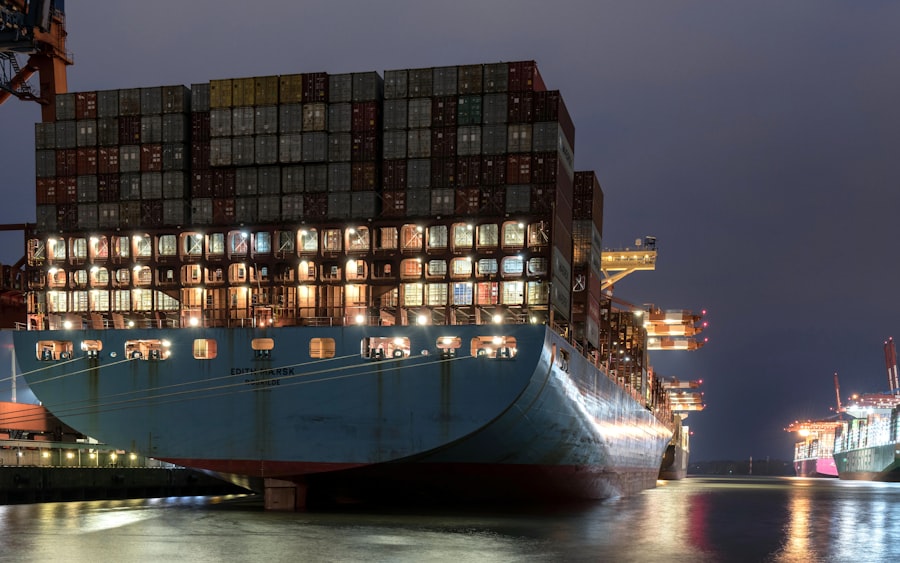
The impact of the Red Sea shipping crisis on consumer prices is not an abstract economic theory; it is a tangible reality reflected in the everyday purchases consumers make. The Consumer Price Index (CPI), a widely used measure of inflation, is a sensitive barometer that registers these global shocks, translating the cost of moving goods into the prices of the final products on store shelves and in online marketplaces.
Inflationary Pressures on Imported Goods
A significant portion of consumer goods, particularly in Western economies, are imported. Electronics, clothing, household items, and even many food products originate from manufacturing hubs in Asia. The increased cost of shipping these goods directly translates into higher prices for consumers. A T-shirt that might have cost $20 could now see its price inch up to $22 or $25, a seemingly small increment that, multiplied across millions of transactions, has a significant cumulative effect.
Electronics and Technology: A Sensitive Sector
The electronics sector, with its complex global supply chains and high reliance on container shipping, is particularly susceptible. The cost of components, assembly, and final product distribution are all impacted by shipping disruptions, leading to potential price increases for everything from smartphones to televisions.
Apparel and Fashion: The Long Lead Times
The apparel industry often relies on long lead times and efficient logistics to bring seasonal fashion to market. Delays in shipping can mean that clothing arrives out of season, leading to markdowns or, conversely, increased costs for expedited shipping to mitigate these losses.
Consumer Staples and Food Security
While perhaps less immediately obvious than electronics, the shipping crisis can also impact the prices of consumer staples and even food. Imported ingredients, packaged goods, and certain processed foods can see their prices rise as shipping costs increase. In some cases, this can even affect food security, particularly for regions heavily reliant on food imports.
The “Shrinkflation” Phenomenon: A Stealthy Price Hike
Beyond direct price increases, the crisis can also contribute to “shrinkflation,” a phenomenon where the size or quantity of a product is reduced while the price remains the same or increases only slightly. As manufacturing and distribution costs rise, businesses may opt to subtly decrease the amount of product in a package, a less overt way of passing on increased expenses to consumers.
The Multiplier Effect: From Ports to Pockets
The impact of increased shipping costs propagates through the entire value chain. Manufacturers absorb some of the increased transportation costs, but this often leads to them passing on higher prices to retailers. Retailers, in turn, face higher wholesale prices and, to maintain their profit margins, increase the prices they charge consumers. This multiplier effect ensures that the initial disruption at sea ultimately translates into a broader inflationary pressure felt in households.
The ongoing Red Sea shipping crisis has raised significant concerns about its impact on consumer prices globally. As shipping delays and increased freight costs ripple through supply chains, many are left wondering how these disruptions will affect everyday goods. A related article explores the intricate connections between maritime logistics and inflationary pressures, shedding light on the broader economic implications of this crisis. For more insights, you can read the full article here.
Broader Economic Repercussions: Beyond the Consumer’s Basket
| Metric | Value | Unit | Notes |
|---|---|---|---|
| Shipping Delay Duration | 15 | Days | Average delay caused by Red Sea crisis |
| Increase in Shipping Costs | 25 | Percent | Additional cost due to rerouting and congestion |
| Consumer Price Inflation Impact | 1.8 | Percent | Estimated contribution to inflation from shipping crisis |
| Delay in Consumer Goods Delivery | 10 | Days | Average delay in retail supply chains |
| Increase in Consumer Prices for Electronics | 3.5 | Percent | Price increase attributed to shipping disruptions |
| Increase in Consumer Prices for Apparel | 2.2 | Percent | Price increase attributed to shipping disruptions |
The impact of the Red Sea shipping crisis extends beyond the immediate price increases consumers face. It creates a ripple effect throughout the global economy, influencing business investment, trade balances, and the overall pace of economic growth.
Impact on Global Trade Volumes
The increased cost and uncertainty of shipping can lead to a slowdown in global trade volumes. Businesses may scale back their international orders, seeking to reduce their exposure to volatile shipping markets. This reduction in trade can have a dampening effect on economic activity, particularly for countries heavily reliant on exports and imports.
Shifting Trade Patterns and Geopolitical Realignment
The crisis may also prompt a longer-term realignment of global trade patterns. Companies may explore nearshoring or reshoring strategies to reduce their reliance on long and vulnerable shipping routes. This could lead to shifts in manufacturing locations and a reevaluation of existing trade dependencies. The Red Sea crisis, therefore, is not just an economic event; it is a catalyst for potential geopolitical shifts as nations and corporations reassess their strategic trade infrastructure.
Uncertainty and Business Confidence
The prevailing uncertainty surrounding the duration and resolution of the Red Sea crisis can erode business confidence. Companies may postpone investment decisions, fearing that future trade disruptions could jeopardize their profitability. This reluctance to invest can hinder economic growth and job creation. The lack of clear visibility into the future supply chain landscape creates a fog of uncertainty, making it difficult for businesses to plan and invest with conviction.
Geopolitical Stability and Maritime Security
The crisis also underscores the fundamental importance of maritime security for global economic stability. Governments and international organizations are under pressure to address the root causes of the Red Sea disruptions and to ensure the freedom of navigation in critical waterways. The effectiveness of naval responses and diplomatic efforts to de-escalate tensions will play a crucial role in determining the long-term economic consequences of this crisis.
In conclusion, the Red Sea shipping crisis is a stark illustration of how interconnected the global economy is and how vulnerable it can be to geopolitical flashpoints. From the initial attacks on vessels to the rerouting of ships, surging freight rates, and ultimately, the increased prices consumers pay, the crisis has sent a clear message: disruptions in crucial trade arteries have far-reaching and tangible consequences, demanding attention and innovative solutions from all stakeholders involved in the global flow of goods.
FAQs
What is the Red Sea shipping crisis?
The Red Sea shipping crisis refers to significant disruptions in maritime transport routes through the Red Sea, often caused by geopolitical tensions, blockades, or logistical challenges affecting the flow of goods.
How does the Red Sea shipping crisis impact consumer prices?
Disruptions in shipping through the Red Sea can lead to delays and increased transportation costs, which often result in higher prices for consumer goods due to supply chain bottlenecks and increased shipping fees.
Which goods are most affected by the Red Sea shipping crisis?
Goods that rely heavily on maritime transport through the Red Sea, such as electronics, textiles, oil, and raw materials, are most affected by the crisis, as delays and increased costs impact their availability and pricing.
What are the main causes of the Red Sea shipping crisis?
The crisis is primarily caused by geopolitical conflicts, piracy, blockades, and infrastructure issues in the region, which disrupt the normal flow of maritime traffic through this critical shipping corridor.
What measures are being taken to resolve the Red Sea shipping crisis?
Efforts to resolve the crisis include diplomatic negotiations to ease tensions, increased security measures to combat piracy, alternative routing strategies, and investments in port and shipping infrastructure to improve resilience.