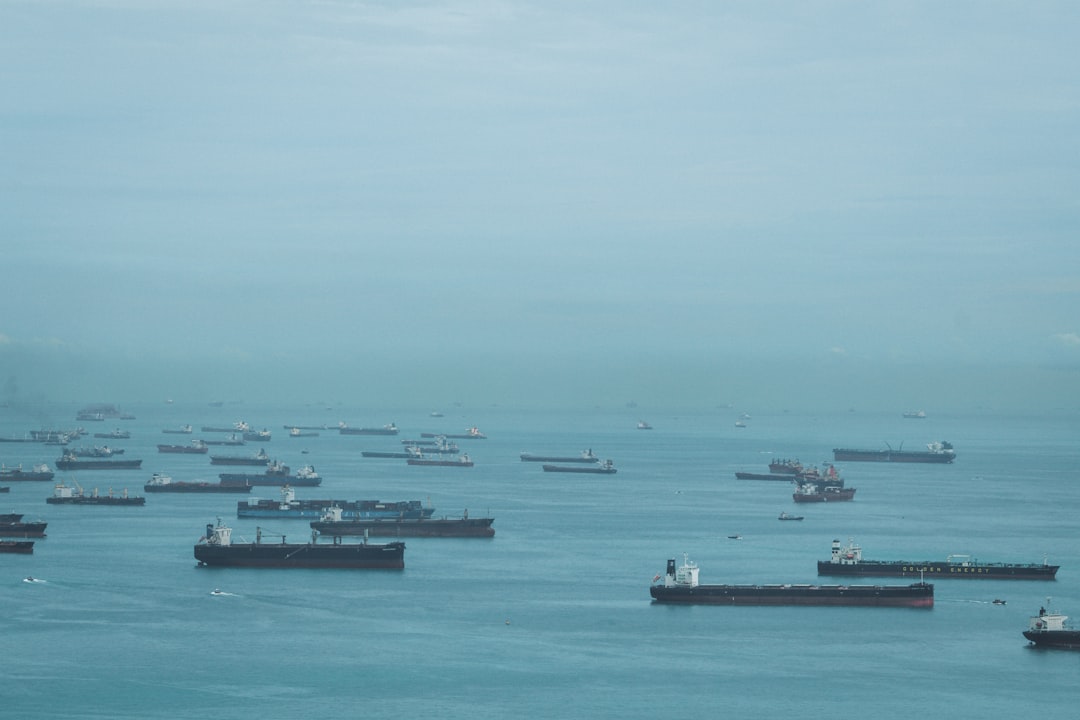
The Bab el-Mandeb Strait, meaning “Gate of Tears” in Arabic, is a critical chokepoint connecting the Red Sea to the Gulf of Aden and the Arabian Sea. Its strategic significance in global maritime trade is undeniable, channeling a substantial portion of the world’s commercial shipping. This analysis delves into the intricate data surrounding maritime traffic through Bab el-Mandeb, examining trends, volumes, and the multifaceted factors influencing its flow. Understanding these patterns is crucial for assessing global supply chain resilience, energy security, and geopolitical dynamics.
The geographical characteristics of Bab el-Mandeb are fundamental to its role in global commerce. The strait is relatively narrow, approximately 29 kilometers (18 miles) wide at its narrowest point between Yemen on the Arabian Peninsula and Djibouti on the Horn of Africa. This constricted geography naturally funnels maritime traffic, making it a highly concentrated corridor.
Ancient Trade Routes
Long before modern container shipping, Bab el-Mandeb served as a vital artery for ancient trade. Frankincense, spices, and other precious commodities traversed these waters, connecting civilizations from Egypt and the Roman Empire to India and beyond. The strait’s historical importance established its enduring legacy as a nexus of commerce and cultural exchange.
Modern Geopolitical Chessboard
In the contemporary era, Bab el-Mandeb has become an even more prominent geopolitical chessboard. Its proximity to volatile regions, including Yemen and the Horn of Africa, imbues it with inherent risks and strategic complexities. The stability of shipping through this strait is directly tied to regional security and the interests of global powers.
The Bab el Mandeb Strait is a critical maritime chokepoint that facilitates a significant portion of global trade, making its traffic data essential for understanding shipping patterns and geopolitical dynamics. For a deeper insight into the implications of maritime traffic in this region, you can refer to the related article on this topic at MyGeoQuest, which explores the trends and challenges faced by vessels navigating through this vital waterway.
Volume and Composition of Maritime Traffic
Analyzing the volume and composition of maritime traffic through Bab el-Mandeb provides a quantitative understanding of its importance. This data offers insights into the prevailing economic forces driving global trade.
Crude Oil and Petroleum Products
A substantial portion of the world’s crude oil and petroleum products transit Bab el-Mandeb. The strait acts as a crucial conduit for oil originating from the Persian Gulf, destined for Europe and North America via the Suez Canal. Data from organizations like the U.S. Energy Information Administration (EIA) consistently highlights the significant volume of oil tankers navigating these waters. Disruption to this flow can have cascading effects on global energy prices and supply stability.
Containerized Cargo
Beyond energy commodities, containerized cargo represents a significant component of Bab el-Mandeb’s traffic. A diverse range of manufactured goods, raw materials, and components flow through the strait, connecting Asian manufacturing hubs with European and North American consumer markets. The sheer volume of container ship movements underscores the strait’s role as an indispensable link in global supply chains.
Other Cargo Types
While oil and containerized cargo dominate, other vessel types contribute to the overall traffic profile. Bulk carriers transporting grains, minerals, and other raw materials also frequently traverse Bab el-Mandeb. Additionally, liquefied natural gas (LNG) carriers, chemical tankers, and general cargo ships contribute to the strait’s diverse maritime ecosystem. The presence of such a wide array of vessel types demonstrates the comprehensive economic reliance on this maritime passage.
Factors Influencing Maritime Traffic Patterns

Maritime traffic patterns through Bab el-Mandeb are not static; they are influenced by a complex interplay of economic, political, and environmental factors. Understanding these dynamics is essential for predicting future trends and mitigating potential disruptions.
Global Economic Cycles
The health of the global economy directly correlates with the volume of maritime trade. During periods of economic expansion, demand for goods and energy typically increases, leading to higher traffic through Bab el-Mandeb. Conversely, economic slowdowns or recessions often result in reduced shipping volumes. This phenomenon demonstrates the strait’s function as a barometer for global economic activity.
Regional Geopolitical Instability
The most significant and immediate influencer on Bab el-Mandeb traffic is regional geopolitical instability. Conflicts, piracy, and acts of aggression in the Red Sea or Gulf of Aden can lead to severe disruptions.
The Yemeni Conflict
The ongoing conflict in Yemen has, at various times, posed a direct threat to shipping in Bab el-Mandeb. Attacks on vessels, naval skirmishes, and the presence of armed groups create an environment of heightened risk. Shipping companies often reroute vessels, implement enhanced security protocols, or increase insurance premiums in response to such threats, impacting transit times and costs.
Piracy in the Gulf of Aden
While attacks have largely diminished from their peak in the late 2000s, the threat of piracy in the Gulf of Aden remains a persistent concern. International naval patrols and improved on-board security measures have significantly reduced successful hijackings, but the risk continues to influence shipping lanes and security expenditures. The history of piracy underscores the vulnerability of such critical maritime corridors.
Suez Canal Dynamics
Bab el-Mandeb is inextricably linked to the Suez Canal. Vessels transiting the canal to or from the Indian Ocean region must pass through Bab el-Mandeb. Therefore, any factors affecting the Suez Canal, such as blockages, tolls, or capacity constraints, will inevitably influence traffic through the Gate of Tears. The two waterways function as a single, integrated maritime system.
Alternative Routes and Diversions
When risks in Bab el-Mandeb become too high, or costs associated with transit escalate excessively, shipping companies consider alternative routes. The most prominent alternative is the longer, more fuel-intensive route around the Cape of Good Hope, bypassing both Bab el-Mandeb and the Suez Canal.
Economic Implications of Diversions
Diverting around Africa adds thousands of nautical miles to a voyage, significantly increasing fuel consumption, transit times, and associated operational costs. These increased costs are often passed on to consumers, contributing to inflationary pressures. For example, during periods of heightened insecurity, insurance premiums for vessels traversing Bab el-Mandeb can surge, making the longer route economically viable despite its inherent inefficiencies.
Environmental Impact of Diversions
The extended voyages necessitated by diversions also carry a substantial environmental cost. Increased fuel consumption leads to higher greenhouse gas emissions, directly impacting global climate change efforts. The choice between a shorter, riskier route and a longer, safer but more polluting one highlights a persistent dilemma in maritime logistics.
Security Measures and International Cooperation
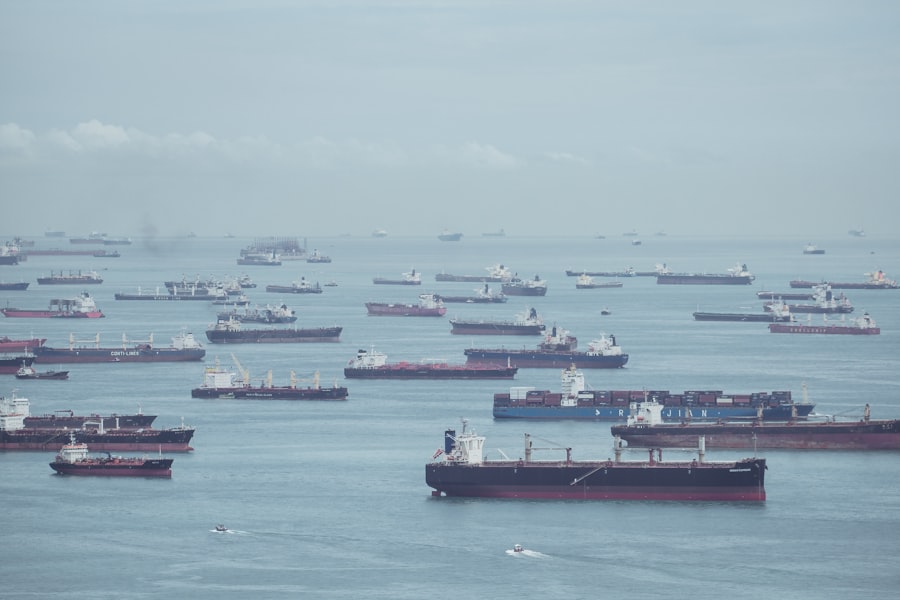
The strategic importance of Bab el-Mandeb has necessitated significant security measures and extensive international cooperation to safeguard maritime traffic. The international community recognizes that disruptions here have global ramifications.
Naval Presence and Patrols
Numerous navies from global powers and regional states maintain a presence in the Red Sea and Gulf of Aden. These forces conduct anti-piracy patrols, provide escorts, and engage in maritime security operations. Coalitions like Combined Task Force 151 (CTF 151) exemplify the multilateral efforts to ensure safe passage. The continuous presence of naval assets acts as a deterrent to illicit activities.
Information Sharing and Risk Assessment
Effective maritime security relies heavily on robust information sharing and accurate risk assessments. Organizations like the United Kingdom Maritime Trade Operations (UKMTO) serve as crucial conduits for disseminating threat advisories and coordinating responses. Shipping companies also employ sophisticated intelligence networks to monitor the situation and make informed routing decisions.
Technological Solutions
Advancements in maritime technology, including improved satellite surveillance, vessel tracking systems (AIS), and on-board security equipment, contribute to enhancing safety in Bab el-Mandeb. These technologies provide real-time data, allowing for proactive measures and faster response times to incidents. The digital eye observing these critical waters never blinks.
The Bab el Mandeb Strait is a crucial maritime chokepoint that significantly impacts global shipping routes and trade dynamics. For those interested in understanding the intricacies of maritime traffic in this region, a related article can provide valuable insights. You can explore more about this topic by visiting this informative resource, which delves into the various factors influencing traffic patterns and the strategic importance of the strait in international trade.
Future Trends and Outlook
| Year | Vessel Traffic (Number of Ships) | Cargo Volume (Million Tons) | Average Transit Time (Hours) | Major Cargo Types | Incidents Reported |
|---|---|---|---|---|---|
| 2020 | 21,500 | 150 | 12 | Oil, Containers, Dry Bulk | 3 |
| 2021 | 22,300 | 155 | 11.8 | Oil, Containers, Dry Bulk | 2 |
| 2022 | 23,000 | 160 | 11.5 | Oil, Containers, Dry Bulk | 4 |
| 2023 | 24,200 | 165 | 11.3 | Oil, Containers, Dry Bulk | 1 |
The future of maritime traffic through Bab el-Mandeb will continue to be shaped by evolving geopolitical realities, technological advancements, and the relentless dynamics of global trade.
Shifting Trade Patterns
As global economic power centers shift, and new trade agreements emerge, the specific composition and destination of cargo passing through Bab el-Mandeb may evolve. For instance, increased trade between Africa and Asia could see a rise in certain commodity flows. The strait will continue to adapt to the changing contours of global commerce.
Impact of Climate Change
Climate change presents both potential threats and opportunities for maritime routes. While rising sea levels might alter some coastal infrastructure, the more immediate concern relates to extreme weather events, which could impact navigation and port operations. Discussions about an “Arctic Corridor” opening up during summer months, for example, could offer alternative routes between Asia and Europe, potentially reducing reliance on the Suez Canal and Bab el-Mandeb, though such a route is fraught with its own challenges and its long-term viability remains uncertain.
Automation and Digitalization
The increasing automation and digitalization of the shipping industry will undoubtedly influence operations in Bab el-Mandeb. Autonomous vessels, enhanced AI-driven route optimization, and digital port solutions could streamline traffic, improve efficiency, and potentially enhance safety. However, these advancements also introduce new cybersecurity risks that must be managed.
Continued Geopolitical Volatility
The geopolitical landscape surrounding Bab el-Mandeb is unlikely to achieve complete tranquility in the foreseeable future. The enduring interests of regional powers and external actors suggest that the strait will remain a focal point of strategic competition. Therefore, the need for robust security measures and international cooperation will persist as a foundational element of its operational continuity. The “Gate of Tears” will likely continue to evoke its name, yet, through sustained vigilance and cooperation, humanity endeavors to ensure it primarily facilitates the flow of prosperity, rather than sorrow.
FAQs
What is Bab el Mandeb and why is it important for maritime traffic?
Bab el Mandeb is a strategic strait located between the Arabian Peninsula and the Horn of Africa, connecting the Red Sea to the Gulf of Aden and the Arabian Sea. It is a critical chokepoint for global maritime traffic, especially for oil shipments and international trade routes linking Europe, Asia, and Africa.
What type of maritime traffic passes through Bab el Mandeb?
The strait sees a diverse range of maritime traffic including oil tankers, container ships, bulk carriers, and naval vessels. It is a key passage for energy supplies, commercial goods, and military operations due to its strategic location.
How is maritime traffic data for Bab el Mandeb collected?
Maritime traffic data is collected through a combination of satellite tracking systems, Automatic Identification System (AIS) transponders on ships, radar monitoring, and reports from maritime authorities. This data helps monitor vessel movements, traffic density, and potential security threats.
What are the security concerns related to maritime traffic in Bab el Mandeb?
Bab el Mandeb is vulnerable to piracy, armed conflict, and geopolitical tensions due to its proximity to unstable regions. These security concerns can disrupt maritime traffic, leading to increased insurance costs and the need for naval patrols to ensure safe passage.
How does maritime traffic data impact global trade and energy markets?
Accurate maritime traffic data from Bab el Mandeb is crucial for predicting shipping times, managing supply chains, and assessing risks. Disruptions or delays in this strait can affect global oil prices and trade flows, highlighting its significance in international commerce.