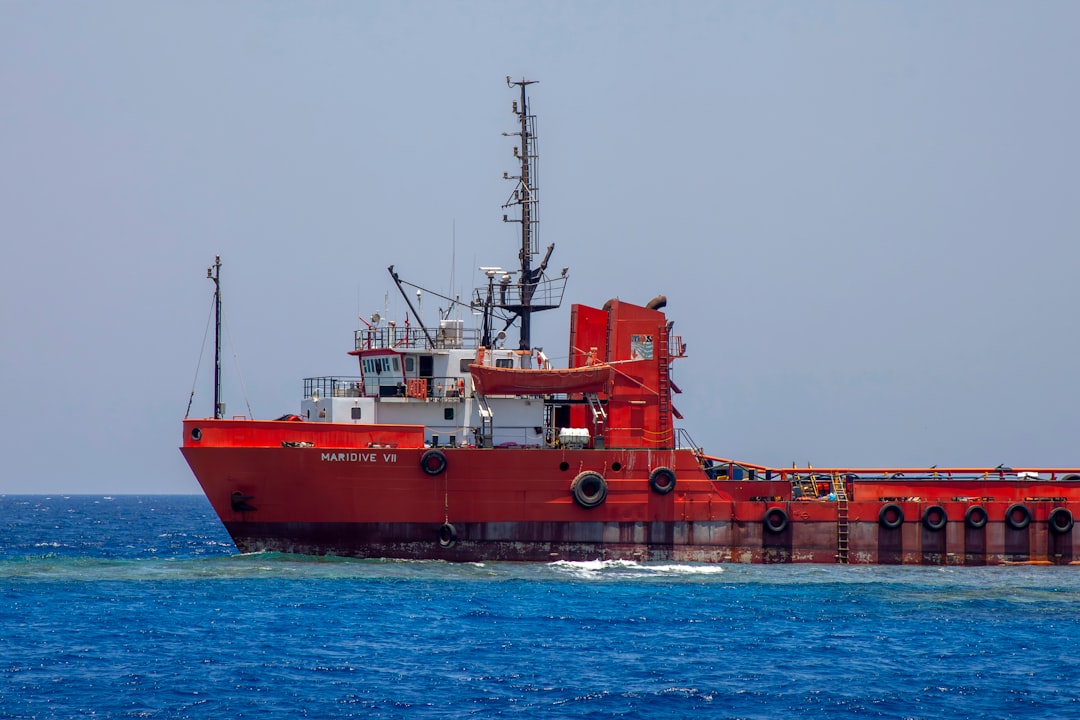
The tempestuous waters of the Red Sea, a historical conduit for global commerce, have recently become a chokepoint, significantly disrupting established trade routes. The ongoing crisis, primarily characterized by attacks on commercial vessels, has sent ripple effects across the globe, with Europe experiencing particularly acute consequences. This article endeavors to dissect the multifaceted impact of the Red Sea crisis on European trade, examining the immediate logistical challenges, the subsequent economic ramifications, and the longer-term strategic shifts it necessitates.
The Suez Canal, often referred to as the maritime artery connecting East and West, is integral to the smooth functioning of European trade. Its strategic location allows for a significantly shorter transit time for goods moving between Asia, the Middle East, and Europe, bypassing the formidable journey around the Cape of Good Hope.
Volume and Value of Canal Traffic
Historically, a substantial proportion of Europe’s imports and exports, ranging from consumer goods and manufactured products to vital energy resources, have traversed the Suez Canal. Before the crisis, approximately 12-15% of global trade by volume, and a higher percentage by value, passed through this waterway annually. For Europe, this figure was even more pronounced. The canal acted as a high-speed express lane for container ships, oil tankers, and bulk carriers, delivering goods just-in-time to European ports and industries.
The Detour’s Economic Cost
With the escalation of attacks in the Red Sea, numerous shipping companies have opted to reroute their vessels around the Cape of Good Hope. This detour, while offering a perceived increase in safety, carries a steep economic price. The journey is considerably longer, adding an estimated 7-14 days to transit times, depending on the origin and destination ports.
Increased Shipping Distances
Imagine, if you will, the global supply chain as a finely tuned orchestra. The Suez Canal has been the conductor, keeping the rhythm steady and the movements synchronized. The Cape detour, by contrast, throws the entire orchestration into disarray, forcing ships to play a much longer and more arduous piece. This extended journey consumes significantly more fuel, necessitating greater operational expenditure for shipping lines.
Elevated Fuel Costs
The increased mileage translates directly into a surge in bunker fuel consumption. As a consequence, shipping companies face higher operating costs, which are inevitably passed on to consumers or absorbed, impacting profit margins. This escalation in fuel expenses contributes to a broader inflationary pressure across the supply chain.
Rise in Insurance Premiums
The heightened risk associated with navigating the Red Sea area has led to a sharp increase in war risk insurance premiums for vessels still choosing that route. Even for those opting for the Cape route, general insurance costs have seen an upward trend due to the extended exposure to maritime risks. This additional financial burden further exacerbates the operational expenses for shipping companies.
The ongoing crisis in the Red Sea has raised significant concerns regarding its impact on European trade, particularly in terms of shipping routes and supply chain disruptions. For a deeper understanding of how these developments are affecting trade dynamics, you can explore a related article that delves into the economic implications and potential solutions. For more information, visit this article.
Supply Chain Interruptions and Delays
The rerouting of vessels has created a cascade of disruptive effects on European supply chains, akin to a complex domino effect where one fallen piece triggers a series of subsequent collapses.
Longer Lead Times for Goods
The most immediate and apparent impact is the significant lengthening of lead times for goods originating from Asia and the Middle East. European businesses, particularly those operating with lean, just-in-time inventory models, are now confronted with substantial delays in receiving critical components, raw materials, and finished products. This can lead to production bottlenecks, missed deadlines, and ultimately, decreased output.
Impact on Manufacturing Sector
Consider European manufacturing, a sector heavily reliant on a steady flow of imported parts and sub-assemblies. An automotive manufacturer, for instance, accustomed to receiving components from Asia within a specific window, now faces an additional two weeks of waiting. This delay can bring production lines to a standstill, resulting in costly downtime and contractual penalties.
Disruption to Retail Inventories
For the retail sector, delays translate into depleted shelves and missed sales opportunities, especially for seasonal goods. Retailers, already grappling with pandemic-induced supply chain woes, are now facing yet another formidable challenge in managing their inventory and meeting consumer demand.
Port Congestion and Pressure
The sudden shift in shipping patterns has begun to strain European port infrastructure. While some ports might see a decrease in traffic from the Suez route, others, particularly those on the periphery of the new Cape route, are experiencing an increase in vessel calls and a scramble to accommodate diverted cargo.
Strain on Infrastructure
The extended journey means a larger number of ships are arriving at European ports in batches, rather than a more spaced-out schedule. This sporadic influx can overwhelm port capacity, leading to congestion at quay sides, delays in unloading, and difficulties in onward transportation.
Shortage of Equipment
The disruption in vessel schedules also exacerbates existing imbalances in the availability of shipping containers and other essential logistics equipment. Containers might be stuck on delayed ships, leading to shortages in other regions and creating further bottlenecks in the global supply chain.
Increased Shipping Costs and Inflationary Pressures
The cumulative effect of longer routes, higher fuel consumption, increased insurance, and port congestion translates directly into higher shipping costs. These elevated costs, like unseen forces, inexorably push up the prices of goods.
Freight Rate Volatility
Freight rates have witnessed a substantial surge since the onset of the crisis. While they have yet to reach the stratospheric levels observed during the peak of the COVID-19 pandemic, the current upward trend is undeniable and shows little sign of abating as long as the crisis persists. This volatility makes it challenging for businesses to accurately forecast costs and manage their budgets.
Consumer Price Impact
Ultimately, these increased costs are often passed down to the end consumer. For European households, this means higher prices for a wide array of imported goods, from electronics and clothing to foodstuffs and industrial machinery. This inflationary pressure is a significant concern for policymakers already battling broader economic challenges.
Energy Security Implications
Europe’s reliance on imported energy resources, particularly oil and natural gas, makes it particularly vulnerable to disruptions in key maritime transit routes. The Red Sea crisis casts a long shadow over the continent’s energy security.
Oil and Gas Imports through the Canal
A significant portion of Europe’s oil and liquefied natural gas (LNG) imports from the Middle East and Asia traditionally traversed the Suez Canal. While alternative pipelines and direct tanker routes exist, the canal offered the most efficient and cost-effective pathway for these vital commodities.
Diversion of Energy Tankers
Similar to container ships, numerous oil and LNG tankers have opted for the longer Cape of Good Hope route to avoid the risks in the Red Sea. This elongated journey for energy shipments translates into delayed deliveries and increased transportation costs.
Impact on Spot Market Prices
The uncertainty and extended transit times can contribute to volatility in international oil and gas spot market prices. Any perceived threat to supply can trigger an upward swing in prices, impacting European energy consumers and industries. While strategic reserves can cushion immediate shocks, prolonged disruptions can lead to significant price increases.
Rethinking Energy Supply Chains
The crisis serves as a stark reminder of the fragility of diversified energy supply chains and might accelerate Europe’s strategic shift towards greater energy independence and diversification of suppliers.
Emphasis on Renewable Energy
The imperative to reduce reliance on volatile fossil fuel markets further strengthens the case for accelerating the transition to renewable energy sources within Europe. Investing in wind, solar, and other green technologies offers a long-term solution to energy security concerns.
Short-Term Adjustments for Existing Sources
In the short term, Europe may need to explore greater utilization of existing pipelines, diplomatic engagement with alternative suppliers, and potentially a greater reliance on overland routes for specific energy resources, although these often come with their own set of logistical and geopolitical complexities.
Geopolitical Implications and Future Trade Strategies

The Red Sea crisis is not merely a logistical challenge; it is a geopolitical earthquake, forcing Europe to re-evaluate its global trade strategies and consider the implications of a more fragmented and perilous maritime landscape.
Calls for Enhanced Maritime Security
The attacks in the Red Sea have underscored the critical need for robust maritime security measures to protect international shipping lanes. There is a renewed emphasis on international cooperation to safeguard these vital conduits of global commerce.
Multinational Naval Operations
Naval forces from various nations, including several European powers, have deployed to the region to deter further attacks and protect commercial vessels. The effectiveness and sustainability of these operations are under constant scrutiny.
Development of Anti-Piracy and Anti-Missile Technologies
The evolving nature of the threats, from piracy to missile attacks, necessitates the development and deployment of advanced maritime security technologies. This includes sophisticated detection systems, anti-missile defenses, and enhanced intelligence gathering capabilities.
Diversification of Supply Chains
The crisis acts as a potent catalyst for European businesses to accelerate efforts towards diversifying their supply chains, moving away from a heavy reliance on single-source origins and long-distance maritime routes.
Nearshoring and Friendshoring Initiatives
The concept of “nearshoring” – bringing production closer to home – and “friendshoring” – sourcing from geopolitically aligned nations – is gaining traction. This aims to reduce geographical distance and geopolitical risks, making supply chains more resilient.
Increased Domestic Production
For certain critical goods and materials, there may be a renewed impetus to boost domestic production capabilities within Europe, reducing reliance on external suppliers and shielding industries from similar disruptions in the future.
Long-Term Strategic Shifts
The Red Sea crisis, much like the pandemic before it, is likely to leave an indelible mark on European trade policy and strategy, shaping its orientation for years to come.
Re-evaluation of Global Interconnectivity
Europe will undoubtedly engage in a profound re-evaluation of its dependence on extensive global supply chains. While interdependence has fostered economic growth, the vulnerabilities exposed by recent crises necessitate a more balanced approach.
Investment in Alternative Transport Infrastructure
Consideration may be given to significant investments in alternative transportation infrastructure, such as enhanced rail links between Asia and Europe, or the development of Arctic shipping routes, although these present their own environmental and logistical hurdles. The crisis serves as a harsh reminder that the “shortest distance between two points” is not always the most secure.
The ongoing crisis in the Red Sea has raised significant concerns regarding its impact on European trade, particularly as shipping routes become increasingly jeopardized. A recent article explores how disruptions in this vital maritime corridor could lead to higher shipping costs and delays for European markets. For a deeper understanding of the geopolitical implications and economic consequences, you can read more in this insightful piece on MyGeoQuest.
Conclusion
| Metric | Impact Description | Estimated Change | Time Frame |
|---|---|---|---|
| Shipping Delays | Increased transit times due to rerouting around the Red Sea | +15-25% delay in delivery times | Q1-Q2 2024 |
| Trade Volume | Reduction in volume of goods transported through Red Sea routes | -10% in container throughput | 2023-2024 |
| Freight Costs | Higher shipping costs due to longer routes and increased fuel consumption | +20-30% increase in freight rates | 2023-2024 |
| European Imports | Decrease in imports of goods from Asia and Middle East via Red Sea | -8% in import volumes | 2023-2024 |
| Alternative Route Usage | Increase in use of Suez Canal alternatives and overland routes | +12% in alternative route shipments | 2023-2024 |
| Economic Impact | Estimated cost to European trade due to disruptions and delays | Loss equivalent to 1.5 billion euros | 2023-2024 |
The Red Sea crisis represents a significant inflection point for European trade. Its impact is a complex tapestry woven with threads of immediate logistical nightmares, sustained inflationary pressures, and profound geopolitical realignments. The “Cape of Good Hope” detour, while offering a temporary respite from direct peril, comes at a substantial cost, both in terms of financial outlay and efficiency.
As Europe navigates these turbulent waters, businesses and policymakers alike are confronted with an urgent imperative to adapt. The crisis underscores the enduring vulnerability of globalized trade to localized conflicts and the critical importance of robust supply chain resilience. The path forward will undoubtedly involve a multi-pronged approach: bolstering maritime security, aggressively diversifying supply chains, investing in alternative transportation infrastructure, and accelerating the transition towards greater energy independence. The Red Sea crisis, therefore, is not merely a transient disruption, but a powerful impetus for a fundamental rethinking of Europe’s engagement with the global trading landscape, demanding strategic foresight and agile execution to safeguard its economic future.
FAQs
What is the Red Sea crisis?
The Red Sea crisis refers to ongoing geopolitical tensions, conflicts, and security challenges in the Red Sea region, which includes key maritime routes connecting Europe, Asia, and Africa.
How does the Red Sea crisis affect European trade?
The crisis disrupts shipping routes through the Red Sea, leading to delays, increased shipping costs, and heightened risks for vessels transporting goods between Europe and other global markets.
Why is the Red Sea important for European trade?
The Red Sea is a critical maritime corridor linking the Mediterranean Sea via the Suez Canal to the Indian Ocean, facilitating a significant portion of Europe’s imports and exports, especially energy supplies and manufactured goods.
What measures are European countries taking to mitigate the impact of the Red Sea crisis?
European countries are enhancing naval patrols, diversifying trade routes, increasing diplomatic engagement in the region, and investing in alternative logistics solutions to reduce dependency on the Red Sea corridor.
Could the Red Sea crisis lead to long-term changes in global trade patterns?
Yes, prolonged instability in the Red Sea may prompt global traders, including European businesses, to seek alternative routes such as the Cape of Good Hope or invest in overland transport corridors, potentially reshaping international trade flows.