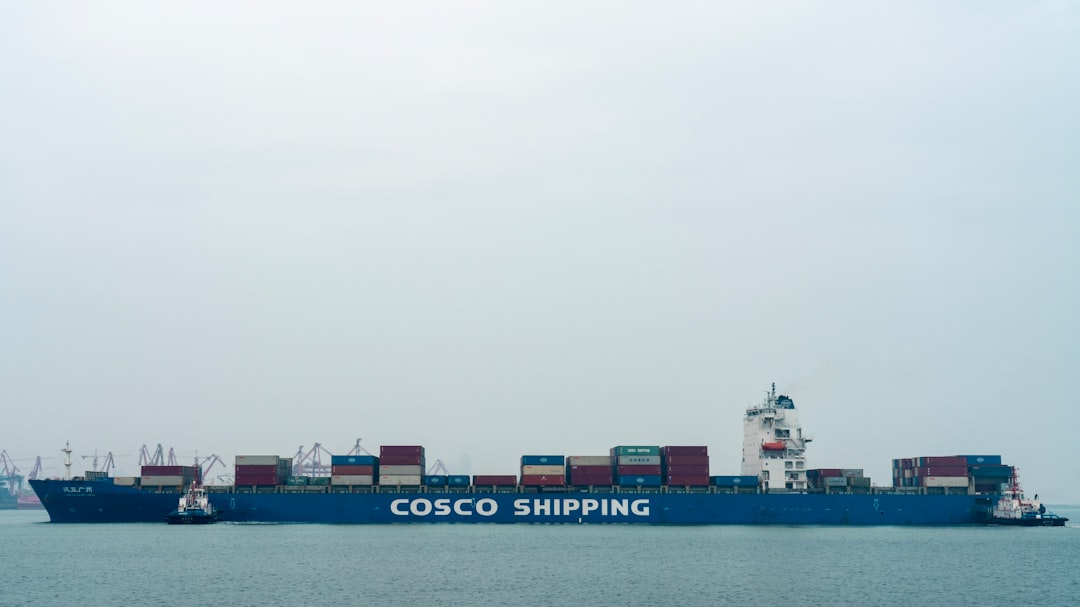
The ongoing hostilities in the Red Sea, particularly attacks on commercial shipping in the Bab el-Mandeb Strait, have cast a long shadow over global food security. This critical maritime chokepoint, a veritable highway for international trade, is experiencing unprecedented disruptions, leading to a ripple effect that threatens to destabilize food supply chains worldwide. The implications extend far beyond mere inconvenience, touching upon the livelihoods of millions and exacerbating existing vulnerabilities in regions already grappling with food insecurity.
The Red Sea is not merely a body of water; it is a vital artery for global commerce, connecting Europe, North Africa, and the Americas with Asia and the Middle East. Its strategic importance is amplified by the presence of the Suez Canal, a man-made shortcut that bypasses the lengthy and costly circumnavigation of Africa.
The Suez Canal’s Strategic Significance
The Suez Canal, inaugurated in 1869, revolutionized global shipping. It dramatically reduced transit times and distances, cutting the journey between Europe and Asia by thousands of nautical miles. For bulk carriers and container ships laden with food commodities, this translates directly into lower fuel costs, reduced insurance premiums, and faster delivery to market. Any impediment to passage through the canal forces ships onto the longer route around the Cape of Good Hope, a journey that can add weeks to transit times and significantly increase operating expenses.
Key Food Commodities Transiting the Red Sea
A diverse array of essential food commodities relies on the Red Sea route. Grains, including wheat, corn, and barley, are among the most significant. Major exporters from the Black Sea region and Europe frequently utilize this route to reach markets in Asia and East Africa. Edible oils, such as palm oil and sunflower oil, also traverse these waters, originating from Southeast Asia and destined for European and African consumption. Furthermore, frozen meat, dairy products, and various processed foods are routinely transported through the Red Sea in refrigerated containers. The disruption of these flows has an immediate and tangible impact on the availability and affordability of these staples in importing nations.
The ongoing Red Sea shipping crisis has raised significant concerns regarding global food security, as disruptions in maritime trade routes can lead to shortages and increased prices of essential commodities. For a deeper understanding of the implications of this crisis on food supply chains, you can read a related article that explores the broader impacts on agriculture and trade dynamics. For more information, visit this article.
Economic Repercussions on Food Supply Chains
The redirection of shipping around the Cape of Good Hope has unleashed a cascade of economic consequences that directly bear upon the cost and availability of food. These added expenses ultimately trickle down to the consumer, making food more expensive and exacerbating inflationary pressures.
Increased Shipping Costs and Insurance Premiums
The primary and most immediate consequence of the Red Sea crisis is the dramatic surge in shipping costs. Rerouting vessels around Africa adds thousands of miles to a journey, leading to a substantial increase in fuel consumption. This additional fuel burn translates into higher operational costs for shipping companies, which are then passed on to their clients – the food importers and exporters. Concurrently, insurance premiums for vessels operating in the Red Sea have skyrocketed, reflecting the heightened risk of attack. War risk premiums, in particular, have seen exponential increases, further inflating the overall cost of transporting goods through or near the affected zone. These financial burdens become embedded in the price of food, acting as a direct tax on consumers.
Delayed Deliveries and Supply Chain Inefficiencies
The extended transit times associated with rerouting have introduced significant delays across global supply chains. For perishable food items, such as fresh produce and certain dairy products, these delays can lead to spoilage and reduced shelf life, resulting in food waste and economic losses. Even for non-perishable goods, prolonged journeys can disrupt carefully planned inventory management systems, leading to stockouts in some regions and oversupply in others. This lack of fluidity makes supply chains less resilient and more susceptible to further shocks. Manufacturers relying on just-in-time inventory practices are particularly vulnerable, as delayed inputs can halt production lines, ultimately impacting the availability of finished food products.
Impact on Global Food Prices
The combination of increased shipping costs, higher insurance premiums, and demurrage charges for delayed vessels inevitably translates into elevated food prices. Importers, facing higher expenses, are compelled to pass these costs on to wholesalers and retailers, who in turn pass them on to the end consumer. This inflationary pressure is particularly concerning for low-income countries that are net food importers and heavily reliant on global markets for their staple foods. For these nations, even a modest increase in food prices can push vulnerable populations further into food insecurity, potentially triggering social unrest and humanitarian crises. The crisis acts as an amplifying lens, magnifying existing price volatility in global food markets.
Regional Vulnerabilities to the Crisis
While the Red Sea crisis has global implications, certain regions are disproportionately affected due to their geographical proximity, economic reliance on imports, or pre-existing vulnerabilities. These regions face a particularly acute challenge in maintaining food security amidst the disruptions.
East African Nations and the Horn of Africa
East African nations, particularly those bordering the Red Sea and reliant on the Suez Canal for trade, are exceptionally vulnerable. Countries such as Sudan, Ethiopia, Somalia, and Djibouti depend heavily on imports for a significant portion of their food needs, including essential grains like wheat and cooking oils. The disruptions in the Red Sea translate into delays and higher costs for these crucial imports, threatening to exacerbate existing food insecurity in a region already prone to drought, conflict, and economic instability. The logistical challenges of rerouting supplies to these landlocked or poorly connected nations are substantial, potentially leading to critical shortages and increased humanitarian aid requirements.
Middle Eastern Countries and Their Import Dependence
Many Middle Eastern countries, including Egypt, Jordan, and Saudi Arabia, are significant food importers, particularly of grains from Black Sea producers. The Red Sea is a direct conduit for these vital supplies. The crisis, therefore, directly impacts their food security by increasing the cost of these imports and potentially disrupting their timely arrival. Egypt, for example, is one of the world’s largest wheat importers, with a substantial portion of its supply transiting the Suez Canal. Any sustained disruption could put immense pressure on its domestic food supply and consumer prices. These nations, with their large and rapidly growing populations, often have limited domestic food production capacity, making them acutely sensitive to international supply chain disruptions.
European and Asian Interdependencies
While less immediately exposed to direct shortages, Europe and Asia also experience significant repercussions due to their interconnected food supply chains. European nations import a variety of Asian food products, from rice to spices, and export dairy, meat, and processed foods in return. Rerouting via the Cape of Good Hope impacts the competitiveness of these exports and imports, driving up costs for both producers and consumers on both continents. The increased shipping distances strain cold chain logistics for perishable goods, increasing spoilage risks and extending delivery times for vital ingredients moving between these major economic blocs. The web of global food trade is intricate, and a snag in one major thread inevitably tugs on others.
Potential Mitigating Strategies and Adaptations
As the duration and intensity of the Red Sea crisis remain uncertain, various stakeholders are exploring and implementing strategies to mitigate its impact on food security. These approaches range from tactical adjustments to longer-term structural changes.
Diversification of Supply Routes and Sourcing
One of the most immediate responses to the crisis is the diversification of supply routes. While not always feasible due to cost or logistical constraints, some shipping companies and food importers are exploring alternative pathways. This may involve utilizing rail links across Eurasia, though such options typically have lower capacity and higher costs than sea freight. Furthermore, food-importing nations and companies are actively seeking to diversify their sourcing geographical locations. Instead of relying heavily on a single region or route, they are looking to procure food commodities from a wider array of countries, even if it entails slightly higher costs or different logistical challenges. This strategy aims to build resilience against future disruptions by reducing dependence on any single chokepoint or supplier.
Strategic Food Reserves and Stockpiling
Governments and major food corporations are re-evaluating the adequacy of their strategic food reserves. The crisis serves as a stark reminder of the importance of maintaining sufficient buffer stocks of essential food commodities. While expensive to establish and maintain, strategic reserves provide a crucial safety net during periods of market instability and supply chain disruptions. Increased stockpiling, although potentially contributing to short-term price increases, offers a degree of insulation from immediate shortages and allows time for alternative supply arrangements to be made. This is particularly critical for countries with limited domestic production and high import dependence. Building these reserves is like building seawalls against the tides of uncertainty.
Investment in Local Food Production and Infrastructure
In the long term, the Red Sea crisis underscores the critical need for increased investment in local and regional food production capabilities, particularly in vulnerable importing nations. Reducing reliance on international supply chains by strengthening domestic agriculture, improving irrigation systems, and developing climate-resilient farming practices can bolster food security. Alongside production, investment in robust domestic food storage, processing, and transportation infrastructure is essential. This can include building silos, cold storage facilities, and improving road and rail networks to efficiently distribute food within a country, reducing dependence on international logistics. Such investments represent foundational steps towards genuine food sovereignty.
The ongoing Red Sea shipping crisis has raised significant concerns about global food security, as disruptions in maritime trade routes can lead to shortages and increased prices for essential goods. A recent article explores the implications of this crisis on agricultural imports and highlights the urgent need for alternative supply chain solutions. For more insights on this pressing issue, you can read the full article here.
Long-Term Implications and Calls for Global Cooperation
| Metric | Value | Impact on Food Security | Notes |
|---|---|---|---|
| Number of Ships Delayed | 50+ | Disruption in food supply chains | Ships carrying grains and perishables stuck in Red Sea |
| Duration of Shipping Delays | 2-4 weeks | Increased risk of food spoilage and shortages | Extended wait times due to conflict and blockades |
| Percentage of Global Grain Trade Affected | 10-15% | Significant impact on global food prices and availability | Red Sea is a key route for grain exports from Black Sea region |
| Increase in Food Prices | 5-12% | Reduced affordability for vulnerable populations | Price spikes linked to shipping disruptions |
| Countries Most Affected | Yemen, Sudan, Egypt, Ethiopia | Heightened food insecurity and malnutrition risks | Depend heavily on imports via Red Sea routes |
| Humanitarian Aid Delays | Up to 3 weeks | Critical food and medical supplies delayed | Complicates emergency response efforts |
The Red Sea shipping crisis is not an isolated event; it is a symptom of a larger, more complex geopolitical landscape. Its long-term implications for food security are profound and necessitate concerted global action.
The Interconnectedness of Geopolitics and Food Systems
The crisis vividly illustrates the deep and often precarious interconnectedness between geopolitical stability and global food systems. Conflicts, regional instabilities, and maritime security breaches in one part of the world can have immediate and far-reaching consequences for food availability and affordability thousands of miles away. It serves as a powerful reminder that food security is not solely an agricultural or economic issue but is inextricably linked to international relations, diplomacy, and conflict resolution. The Red Sea, like a delicate nerve, carries signals through the entire body of global trade.
The Imperative for Maritime Security and Safe Passage
The recurring threats to commercial shipping highlight the critical importance of ensuring maritime security and guaranteeing safe passage through international waters. The principle of freedom of navigation is fundamental to global trade and prosperity. A failure to uphold this principle effectively encourages further acts of aggression, leading to a breakdown of the rules-based international order. International cooperation, intelligence sharing, and coordinated naval patrols are essential to deterring attacks and protecting civilian shipping from hostile actors. Without such measures, vital shipping lanes remain vulnerable, and the global flow of essential goods, including food, remains perpetually at risk.
The Need for Proactive Global Food Security Strategies
The Red Sea crisis should serve as a wake-up call for governments and international organizations to develop more proactive and adaptable global food security strategies. This includes strengthening early warning systems for disruptions, fostering greater transparency in food markets, and establishing mechanisms for rapid humanitarian response when supply chains buckle. Furthermore, it necessitates a renewed focus on multilateral cooperation to address the root causes of instability and conflict that threaten global trade arteries. Building resilience into the global food system requires not just reactive measures but foresight, strategic planning, and a collective commitment to peace and cooperation as foundations for a well-fed world. The global community must learn to anticipate the storm, not merely react to its fury.
FAQs
What is the Red Sea shipping crisis?
The Red Sea shipping crisis refers to disruptions in maritime traffic through the Red Sea, a critical global shipping route connecting the Mediterranean Sea via the Suez Canal to the Indian Ocean. These disruptions can be caused by geopolitical tensions, piracy, blockades, or logistical challenges.
How does the Red Sea shipping crisis affect global food security?
The Red Sea is a major transit route for food shipments, including grains and other staples. Disruptions can delay or block the delivery of food supplies to various regions, leading to shortages, increased prices, and heightened food insecurity, especially in countries dependent on imports.
Which countries are most impacted by the Red Sea shipping crisis in terms of food security?
Countries in the Middle East, North Africa, and parts of East Africa are most affected due to their reliance on imported food passing through the Red Sea. Nations like Yemen, Sudan, Egypt, and others face heightened risks of food shortages during shipping disruptions.
What measures are being taken to address the Red Sea shipping crisis?
Efforts include diplomatic negotiations to reduce regional tensions, increased naval patrols to combat piracy, alternative shipping routes, and international cooperation to ensure the safe and timely passage of commercial vessels through the Red Sea.
Can the Red Sea shipping crisis have long-term effects on global food markets?
Yes, prolonged disruptions can lead to sustained increases in food prices, supply chain realignments, and increased volatility in global food markets. This can exacerbate food insecurity in vulnerable regions and prompt shifts in trade patterns.