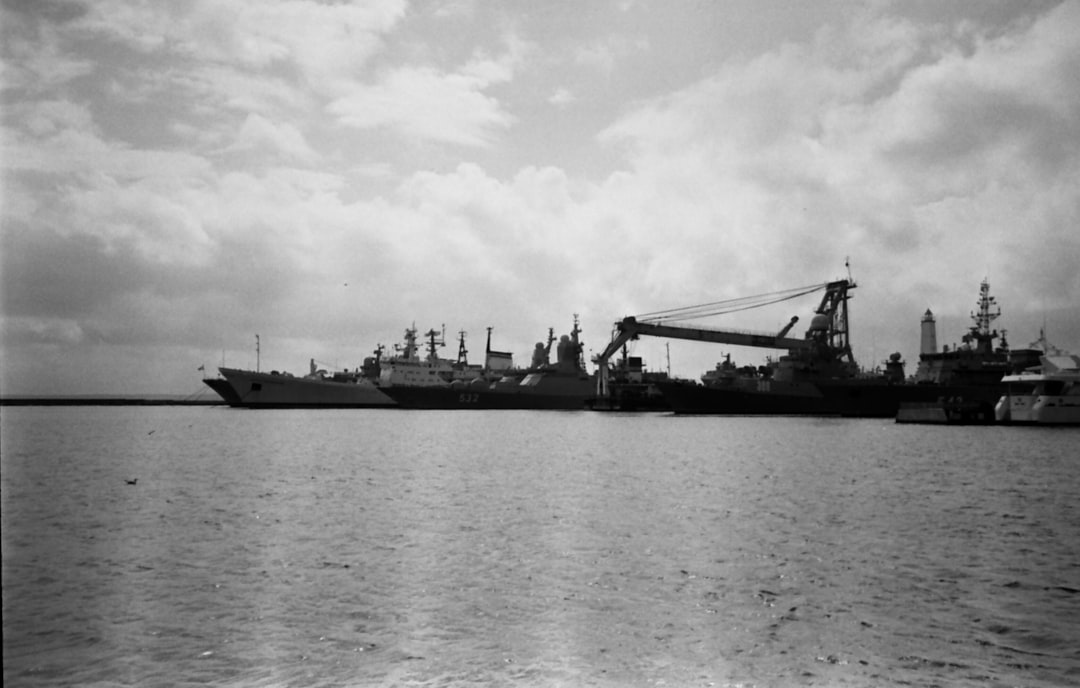
The Gate of Tears, a narrow strait connecting the Red Sea to the Gulf of Aden, has for millennia served as a vital artery in global maritime trade. Its strategic location, a choke point through which a significant portion of the world’s oil and goods transit, has cemented its historical importance. The waters of Bab el-Mandeb, as it is known in Arabic, are not merely a physical passage but a conduit of human endeavor, conflict, and cultural exchange, a river of commerce flowing between East and West.
The earliest evidence of human activity near the Gate of Tears points to its utilization by ancient civilizations long before the advent of modern shipping. The proximity to fertile lands and strategic vantage points for fishing likely drew early populations to its shores.
The Dawn of Maritime Exploration
- The Red Sea, as a gateway to Arabia and Africa, would have been a natural progression for seafaring peoples seeking new lands and resources. Archaeological findings along the Eritrean and Yemeni coasts suggest early coastal settlements engaged in fishing and possibly limited regional trade.
- The Horn of Africa, rich in resources like frankincense and myrrh, would have been a prime destination for vessels navigating these waters. The demand for these aromatic resins, highly prized in ancient Egypt, Mesopotamia, and later Rome, would have incentivized voyages through the Gate of Tears.
The Rise of Empires and the Red Sea Trade Network
- As empires expanded, so too did their ambition to control lucrative trade routes. The Ptolemaic Kingdom of Egypt, for instance, recognized the strategic value of the Red Sea. They established ports and actively promoted trade, facilitating the flow of goods from India and East Africa through their territory.
- The Roman Empire, inheriting this network, further solidified the importance of the Gate of Tears. Roman galleys and merchant ships plied these waters, bringing spices, textiles, precious stones, and other exotic commodities to the burgeoning Roman markets. The sheer volume of goods passing through this strait was a testament to its indispensability, a shimmering ribbon of wealth connecting distant lands.
The Gate of Tears shipping route has a rich and complex history that reflects the challenges and triumphs of maritime navigation in one of the world’s most treacherous waters. For those interested in exploring this topic further, a related article can be found at this link, which delves into the historical significance and the various factors that have shaped the shipping routes in this region over the centuries.
The Medieval Crucible of Trade and Conflict
The medieval period witnessed a dynamic interplay of trade, religious expansion, and naval power that profoundly shaped the history of the Gate of Tears. Various powers vied for control, recognizing its role in channeling wealth and influence.
The Islamic Golden Age and Maritime Dominance
- With the rise of Islam, Arab merchants became dominant figures in Indian Ocean trade. They established sophisticated trading networks, extending from the Arabian Peninsula to the coasts of India, Southeast Asia, and even China. The Gate of Tears served as a crucial nexus for these expansive routes.
- Major port cities like Aden, strategically situated at the entrance to the Red Sea, flourished as centers of commerce and naval power. These cities facilitated the exchange of goods, ideas, and culture, their docks a symphony of languages and the scent of exotic wares. Dhows, the iconic sailing vessels of the Indian Ocean, navigated these waters with practiced ease, their sails catching the monsoon winds.
The Crusades and European Encounters
- While primarily focused on the Levant, the Crusades inevitably impacted maritime trade in the region. European powers, seeking to disrupt Muslim trade routes and establish their own presence, began to take a greater interest in the Red Sea.
- Venetian and Genoese merchants, ambitious and resourceful, sought to bypass overland routes controlled by their rivals and establish direct sea links to the East. The Gate of Tears presented both an opportunity and a challenge, a bottleneck that could be controlled or exploited. Early attempts by European powers to project naval power into the Red Sea were often met with resistance from established Arab trading communities.
The Age of Exploration and the Opening of New Horizons
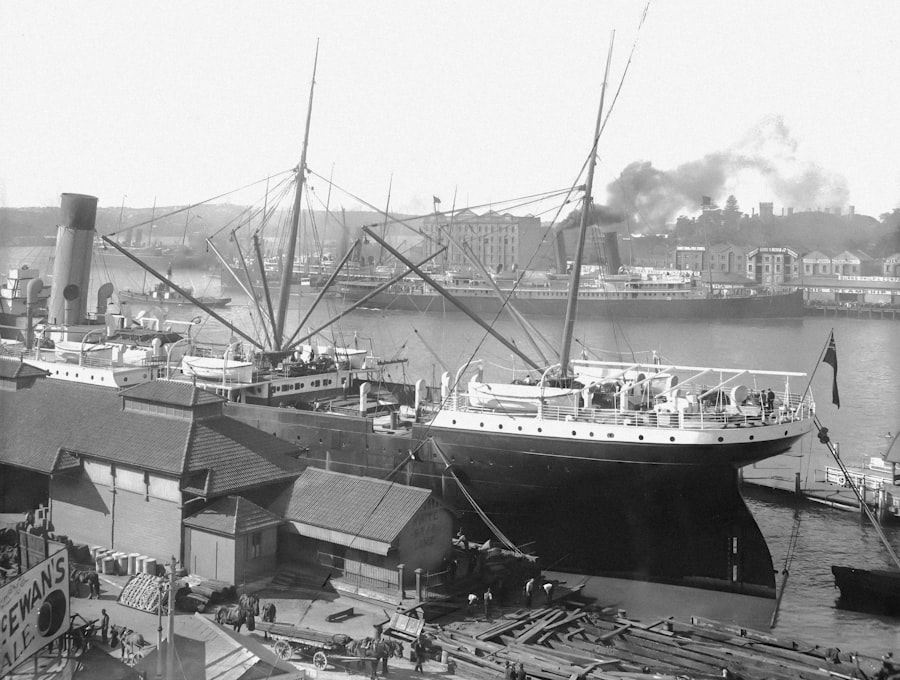
The Age of Exploration, driven by a thirst for new trade routes, scientific curiosity, and colonial ambitions, brought about significant shifts in global maritime power, with the Gate of Tears remaining a constant point of interest.
The Portuguese Push Eastward
- Vasco da Gama’s groundbreaking voyage around the Cape of Good Hope in 1498 fundamentally altered global trade patterns. While bypassing the traditional overland routes, the Portuguese still recognized the importance of the Red Sea and the Arabian Gulf as sources of valuable commodities.
- The Portuguese attempted to control the flow of trade through the Gate of Tears, often through forceful means. They sought to monopolize the spice trade, clashing with Arab merchants and the Ottoman Empire. Naval battles were fought, with European cannons echoing across the calm waters, a stark contrast to the age-old rhythm of trade.
Ottoman Control and the Mediterranean Connection
- The Ottoman Empire, expanding its reach into the Red Sea, established a significant presence and sought to control the passage. They viewed the Gate of Tears as a vital link between their Anatolian heartland and their extensive domains in Egypt and the Levant, a vital artery connecting the Mediterranean to the Indian Ocean.
- The Ottomans fortified key ports like Mocha and Aden, aiming to secure the trade routes and protect against European incursions. This period saw a complex dance of alliances and rivalries, with European powers attempting to gain influence while the Ottomans sought to maintain their dominance. The Gate of Tears, a silent witness, saw the ebb and flow of these imperial ambitions.
The Modern Era: Steam, Suez, and Shifting Tides
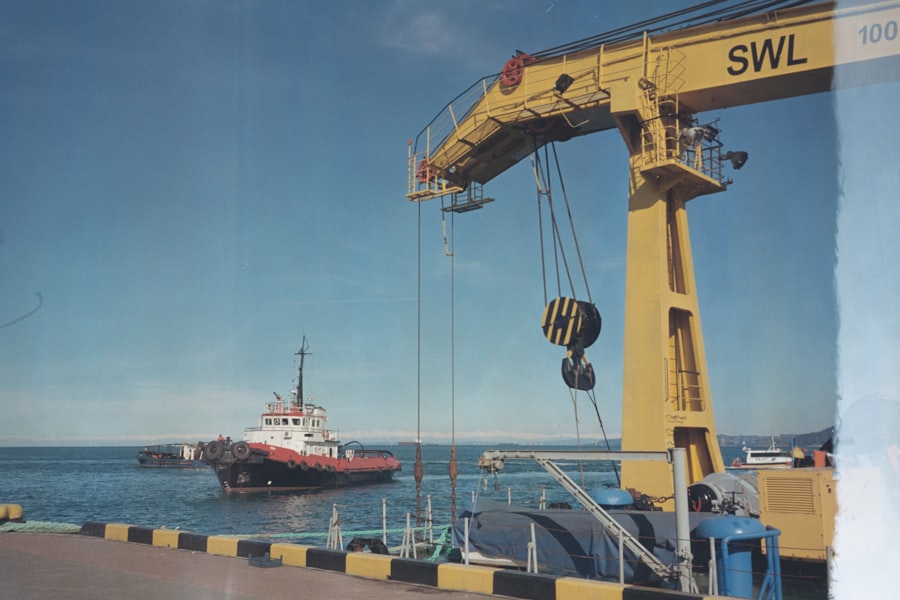
The advent of steam power and the construction of the Suez Canal in the late 19th century dramatically reshaped the global maritime landscape, profoundly impacting the Gate of Tears and its historical significance.
The Suez Canal: A New Mega-Artery
- The opening of the Suez Canal in 1869 provided a direct maritime link between the Mediterranean Sea and the Indian Ocean, effectively shortening voyages by thousands of miles. This engineering marvel, an iron spine piercing the desert, transformed global shipping.
- While the Canal became the primary route for much of East-West trade, the Gate of Tears retained its importance as the gateway to the Red Sea and, by extension, the Canal itself. Control over this strait became even more critical for ensuring unimpeded access to this new global superhighway.
Colonial Powers and Strategic Importance
- During the colonial era, European powers vied for control of strategic locations along the maritime routes. Britain, in particular, recognized the immense strategic value of Aden as a coaling station and naval base, crucial for maintaining its empire’s maritime dominance and securing the route to India via the Suez Canal.
- The French and other European powers also sought influence in the region, leading to a complex geopolitical landscape. The waters of the Gate of Tears became a stage for naval maneuvers and diplomatic maneuvering, a silent sentinel overseeing the passage of vast fleets.
The Gate of Tears shipping route has a rich and complex history that has shaped maritime trade in the region for centuries. For those interested in exploring this topic further, a related article provides an in-depth look at the historical significance and navigational challenges faced by sailors in these waters. You can read more about it in this insightful piece on maritime routes at My GeoQuest, which delves into the intricacies of various shipping lanes and their impact on global commerce.
The 20th Century and Beyond: Geopolitics and the Flow of Oil
| Year | Event | Location | Significance | Notes |
|---|---|---|---|---|
| 15th Century | First recorded use of the Gate of Tears | Strait of Bab-el-Mandeb | Key maritime passage connecting Red Sea to Gulf of Aden | Used by Arab and Indian traders |
| 19th Century | Increased European naval presence | Gate of Tears | Strategic control for colonial powers | British and French navies patrolled the route |
| 1950s | Modern shipping lanes established | Gate of Tears | Facilitated international oil transport | Rise in tanker traffic through the strait |
| 1990s | Security concerns due to regional conflicts | Gate of Tears | Increased risk for commercial shipping | Naval escorts and monitoring intensified |
| 2020 | Major shipping route for global trade | Gate of Tears | Vital chokepoint for oil and goods | Approximately 4 million barrels of oil per day pass through |
The 20th century brought unprecedented geopolitical shifts, including two World Wars and the rise of new global powers, all of which further underscored the strategic importance of the Gate of Tears, particularly in the context of global energy security.
World Wars and Naval Blockades
- During World War I, the Gate of Tears was a strategically vital chokepoint. The Ottoman Empire’s presence in the region, allied with the Central Powers, posed a threat to Allied shipping. The British navy exerted considerable effort to secure this passage and prevent disruption to vital supply lines.
- In World War II, the strait’s strategic significance was again highlighted. Control of the Gate of Tears was crucial for both the Axis and Allied powers to project power into the Indian Ocean and secure vital resources, particularly oil. The waters, usually peaceful, became a potential battleground, a taut thread in the fabric of global conflict.
The Oil Arteries and Modern Commerce
- The latter half of the 20th century and the dawn of the 21st century has seen the Gate of Tears solidify its position as a critical conduit for global oil supplies. A significant percentage of the world’s crude oil transits through this strait, making it an indispensable element in the global energy market. Any disruption to this flow has immediate and far-reaching economic consequences, sending ripples across the global economic ocean.
- The sheer volume of supertankers and container ships passing through the Gate of Tears daily is a testament to its modern-day importance. From the ancient dhows to the colossal vessels of today, the waters of Bab el-Mandeb have witnessed continuous maritime activity, a living testament to the enduring nature of global trade.
Contemporary Challenges and the Future Landscape
- In recent years, the Gate of Tears has become a focal point of regional instability and piracy. The fragile political situations in countries bordering the strait have created security challenges, impacting shipping and insurance costs. The vast commercial traffic, once a symbol of peaceful exchange, now navigates these waters with heightened vigilance, a testament to the enduring human capacity for both cooperation and conflict.
- The ongoing geopolitical dynamics in the region, coupled with the imperative of maintaining a stable flow of global commerce, ensure that the Gate of Tears will continue to be a subject of intense international interest and strategic focus for the foreseeable future. Its history, etched in the currents and winds, continues to unfold, a vital chapter in the ongoing saga of global maritime connectivity.
FAQs
What is the Gate of Tears shipping route?
The Gate of Tears is a historically significant maritime passage located at the southern tip of the Arabian Peninsula, near the Bab-el-Mandeb Strait. It serves as a crucial shipping route connecting the Red Sea to the Gulf of Aden and the Arabian Sea.
Why is it called the Gate of Tears?
The name “Gate of Tears” originates from the perilous conditions sailors faced while navigating this narrow and treacherous passage. Historically, many ships were lost due to strong currents, unpredictable weather, and rocky coastlines, leading to numerous shipwrecks and maritime tragedies.
What is the historical importance of the Gate of Tears shipping route?
The Gate of Tears has been a vital maritime corridor for centuries, facilitating trade between Europe, Africa, and Asia. It is part of the ancient spice and silk trade routes and remains strategically important for global shipping, especially for oil transportation from the Middle East.
How has the Gate of Tears shipping route evolved over time?
Over time, advancements in navigation technology, improved ship design, and better maritime safety measures have reduced the dangers associated with the Gate of Tears. Modern shipping lanes and international cooperation have enhanced the security and efficiency of this route.
What challenges does the Gate of Tears shipping route face today?
Today, the Gate of Tears faces challenges such as geopolitical tensions, piracy threats, and environmental concerns. The strategic location near conflict zones requires ongoing international efforts to ensure safe passage for commercial vessels and maintain the flow of global trade.