
The Red Sea, a narrow yet pivotal waterway, stands as a critical artery for global trade. Its strategic location, connecting the Mediterranean Sea to the Indian Ocean via the Suez Canal, renders it a chokepoint for a significant portion of worldwide container traffic. As the year 2025 approaches, understanding the multifaceted factors influencing the cost of shipping containers through this region becomes paramount for businesses and consumers alike. This article delves into the projected landscape of container shipping costs in the Red Sea for 2025, dissecting the various forces at play.
The Red Sea region has historically been a crucible of geopolitical tensions, and this instability directly impacts shipping costs. In 2025, enterprises must anticipate the continued influence of these dynamics on their supply chains.
Regional Conflicts and Their Ripple Effects
Ongoing or potential conflicts in countries bordering the Red Sea, such as Yemen, Sudan, or Somalia, can lead to significant disruptions. These conflicts often manifest as increased threats to maritime security, including piracy or direct attacks on commercial vessels. Insurers, perceiving heightened risk, levy increased premiums, which are then passed on to shippers. The concept of a “war risk premium” or a “piracy premium” effectively functions as an additional toll for navigating treacherous waters.
The Role of Naval Presence and Escorts
In response to security threats, international naval forces frequently patrol the Red Sea. While these patrols offer a degree of protection, their presence can sometimes signify an elevated threat level, further influencing insurance costs. The deployment of naval escorts, though beneficial for security, also comes with an implicit cost—either in direct fees or in the form of higher indirect charges due to the perceived risk that necessitated their intervention. The cost of maintaining these security measures is ultimately borne by the global shipping industry.
Impact on Shipping Routes and Transit Times
Security concerns can compel shipping lines to re-evaluate their routes. Diversions around the Cape of Good Hope, for instance, significantly increase voyage distances, fuel consumption, and transit times. This longer journey translates directly into higher operational costs for carriers, which are inevitably reflected in higher freight rates. The Red Sea, a historical shortcut, can become a detour’s inverse if safety cannot be guaranteed.
As the global shipping industry continues to evolve, the cost of shipping containers across the Red Sea is projected to see significant changes by 2025. For a deeper understanding of the factors influencing these costs, including geopolitical developments and trade routes, you can read a related article that provides insights and forecasts. For more information, visit this article.
Fuel Price Volatility and Environmental Regulations
Fuel remains the single largest operational cost for container ships, and its price fluctuations, coupled with evolving environmental mandates, will heavily influence shipping costs in the Red Sea in 2025.
Global Oil Market Dynamics
The price of marine fuel (bunker fuel) is intrinsically linked to global crude oil prices. Geopolitical events, changes in OPEC+ production quotas, and global demand fluctuations will all act as major determinants. A sudden surge in oil prices can quickly inflate shipping costs, acting as a direct tax on the movement of goods. Businesses should monitor these global energy trends closely, as they are a bellwether for potential cost increases.
IMO 2020 and Future Environmental Directives
The International Maritime Organization’s (IMO) 2020 sulfur cap regulation, which mandated a switch to lower-sulfur fuels or the use of exhaust gas cleaning systems (scrubbers), continues to impact operational costs. In 2025, further environmental directives, such as those targeting greenhouse gas emissions or the Energy Efficiency Existing Ship Index (EEXI) and Carbon Intensity Indicator (CII) regulations, will continue to exert pressure. These regulations often necessitate investments in more efficient vessels, alternative fuels, or costly emission abatement technologies. The cost of compliance, like an ecological tariff, is integrated into the freight rates.
The Rise of Alternative Fuels and Green Technologies
While still in nascent stages, the development and adoption of alternative fuels (e.g., LNG, methanol, ammonia) and green technologies (e.g., wind-assisted propulsion) represent a future cost factor. In 2025, vessels equipped with these technologies may incur higher initial capital expenditures, though they could offer long-term operational savings and potential incentives. The “green premium” for these advanced vessels may initially be higher, but could become a competitive advantage as environmental regulations tighten.
Supply and Demand Dynamics
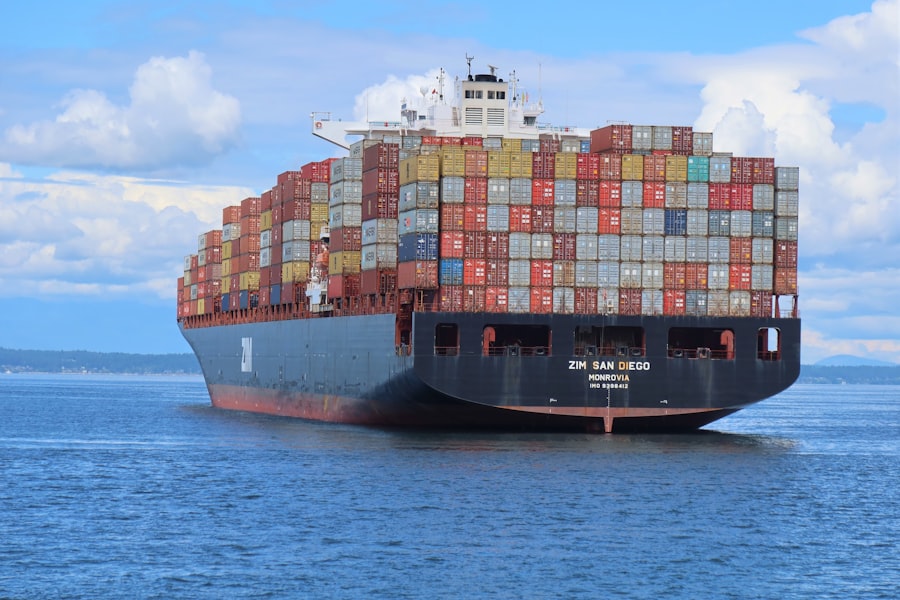
The fundamental economic principles of supply and demand are evergreen in their influence on shipping costs. In 2025, various factors will shape the balance between available container capacity and the volume of goods requiring transport through the Red Sea.
Global Economic Outlook and Trade Volumes
The health of the global economy directly correlates with container demand. A robust economic outlook, characterized by increased consumer spending and industrial production in key trading blocs (e.g., Europe, Asia), would stimulate higher demand for container shipping services. Conversely, an economic downturn could lead to a surplus of shipping capacity and a subsequent downward pressure on freight rates. The global economy acts as a vast pump, pushing or pulling goods through the Red Sea.
Fleet Expansion and Scrapping Activity
The supply side is primarily determined by the global container ship fleet. New vessel deliveries, a result of shipbuilding orders placed years prior, will add capacity. Simultaneously, the scrapping of older, less efficient, or non-compliant vessels will remove capacity. The interplay between these two forces dictates changes in overall fleet size. An influx of new, large vessels without a corresponding increase in demand can lead to overcapacity and depressed rates, much like a market glut.
Port Congestion and Infrastructure Limitations
Even with ample shipping capacity, port congestion can artificially constrain supply by tying up vessels for extended periods. Congestion at key ports along the Red Sea route, or at destination ports, can lead to delays, missed schedules, and increased operational costs. Infrastructure limitations, such as berth availability, crane capacity, or hinterland connections, can exacerbate these issues. A bottleneck at a port acts as a constriction on the flow of goods, driving up costs.
Insurance and Risk Management
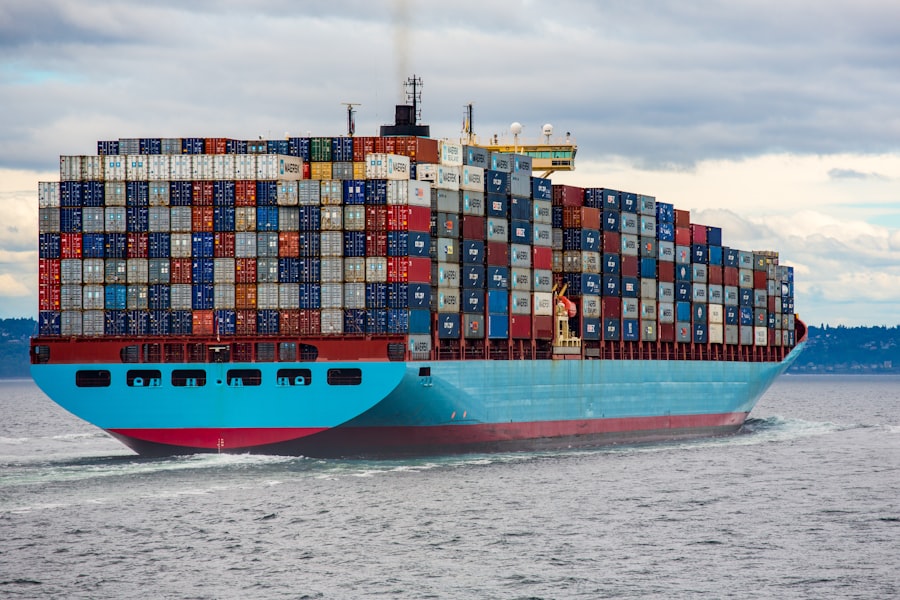
Insurance is a critical component of shipping costs, directly reflecting the perceived risks associated with navigating the Red Sea. As 2025 unfolds, the landscape of maritime insurance will undoubtedly evolve.
War Risk and Piracy Premiums
As discussed, geopolitical instability mandates specific insurance coverages. These premiums are not static; they fluctuate in response to perceived threats. An escalation of tensions in the region can lead to immediate increases in war risk premiums, while a period of relative calm might see a reduction. For ships transiting the Red Sea, these premiums are a non-negotiable cost.
General Average Declarations and Their Impact
A declaration of General Average, where all parties involved in a sea venture proportionately share the losses resulting from a voluntary sacrifice of part of the ship or cargo to save the whole in an emergency, can be a significant financial burden. While less frequent, the potential for such events in high-risk areas underscores the need for robust insurance and can contribute to higher overall risk assessments by insurers, influencing standard premium rates.
Cost of Enhanced Security Measures
Beyond insurance, carriers often invest in prophylactic security measures, such as armed guards, additional surveillance equipment, or specialized training for crews. These proactive measures, while reducing the likelihood of incidents, represent an additional operational cost that is ultimately passed on to the consumer. These costs are the price of vigilance in a volatile environment.
As the global shipping industry continues to evolve, understanding the cost of shipping containers across key routes becomes increasingly important. A recent article discusses the projected trends for shipping container costs in the Red Sea region by 2025, highlighting factors such as demand fluctuations and geopolitical influences. For more insights on this topic, you can read the full analysis in the article available at MyGeoQuest. This information could be invaluable for businesses planning their logistics strategies in the coming years.
Technological Advancements and Digitalization
| Shipping Container Type | Average Cost (USD) | Shipping Route | Estimated Transit Time (Days) | Additional Fees |
|---|---|---|---|---|
| 20ft Standard Container | 1500 | Asia to Red Sea | 25 | Port Handling: 200 |
| 40ft Standard Container | 2500 | Europe to Red Sea | 20 | Customs Clearance: 300 |
| 40ft High Cube Container | 2800 | North America to Red Sea | 30 | Fuel Surcharge: 150 |
| Refrigerated Container (20ft) | 3500 | Asia to Red Sea | 25 | Temperature Control: 400 |
| Refrigerated Container (40ft) | 4500 | Europe to Red Sea | 20 | Temperature Control: 400 |
Technological innovation continues to reshape the shipping industry, offering both opportunities for efficiency gains and new cost considerations. In 2025, the adoption of advanced technologies will play a significant role.
Optimization of Shipping Routes and Vessel Performance
Advanced analytics, artificial intelligence, and real-time weather data enable carriers to optimize shipping routes, minimize fuel consumption, and improve vessel performance. These technologies can identify the most efficient paths through the Red Sea, avoiding adverse weather and reducing transit times. The efficiency gains from such optimization act as a counterweight to rising costs.
Automation and Digitalization of Port Operations
Automation in port operations, including container handling and vessel scheduling, can significantly reduce turnaround times and improve throughput. Digitalization of documentation and customs procedures can streamline administrative processes, mitigating delays and associated costs. A “smart port” can reduce the friction in the supply chain, saving both time and money.
Cybersecurity Risks and Investment
As the shipping industry becomes more digitized, it also becomes more vulnerable to cybersecurity threats. Attacks on port systems, vessel navigation, or logistical networks can lead to massive disruptions and financial losses. Investments in robust cybersecurity infrastructure and protocols are becoming essential, representing an additional, albeit necessary, cost for carriers and port operators. This “digital armor” is crucial for protecting the seamless flow of goods.
Conclusion
The cost of shipping containers in the Red Sea in 2025 will be a complex interplay of geopolitical realities, economic forces, environmental imperatives, and technological advancements. Geopolitical instability, particularly in the form of regional conflicts and security threats, will likely continue to exert upward pressure on insurance premiums and potentially lead to costly route diversions. The volatility of global fuel prices, alongside increasingly stringent environmental regulations, will remain a dominant operational cost factor.
On the demand side, global economic growth will dictate the volume of goods passing through this critical waterway, while fleet capacity and port efficiency will determine the ability to meet that demand. The maritime insurance industry, acting as a barometer of risk, will directly translate these perceived dangers into financial obligations for shippers. Finally, ongoing technological innovation offers a glimmer of hope for mitigating some of these cost pressures through enhanced efficiency and optimization.
For businesses engaged in international trade, a proactive, adaptive strategy is paramount. This includes diligent monitoring of geopolitical developments, hedged agreements for fuel, adherence to environmental mandates, and leveraging technological solutions. The Red Sea, a vital conduit, will continue to demand strategic foresight and robust risk management from those who traverse its waters.
FAQs
What factors influence the cost of shipping containers to the Red Sea in 2025?
The cost of shipping containers to the Red Sea in 2025 is influenced by factors such as container size and type, fuel prices, shipping route demand, port fees, and geopolitical conditions affecting trade routes.
How much does it typically cost to ship a standard 20-foot container to the Red Sea region in 2025?
While prices vary, the average cost to ship a standard 20-foot container to the Red Sea region in 2025 ranges from $1,200 to $2,500, depending on the origin, shipping line, and current market conditions.
Are there any additional fees or surcharges to consider when shipping containers to the Red Sea in 2025?
Yes, additional fees may include customs duties, port handling charges, security surcharges, fuel adjustment fees, and insurance costs, all of which can affect the total shipping expense.
How does the size of the container affect shipping costs to the Red Sea in 2025?
Larger containers, such as 40-foot units, generally cost more to ship than 20-foot containers due to their increased volume and weight capacity, though the cost per cubic meter may be lower.
What are the common shipping routes used for container transport to the Red Sea in 2025?
Common shipping routes to the Red Sea include passages through the Suez Canal from Europe and Asia, as well as routes from East African ports, with route choice impacting transit time and cost.