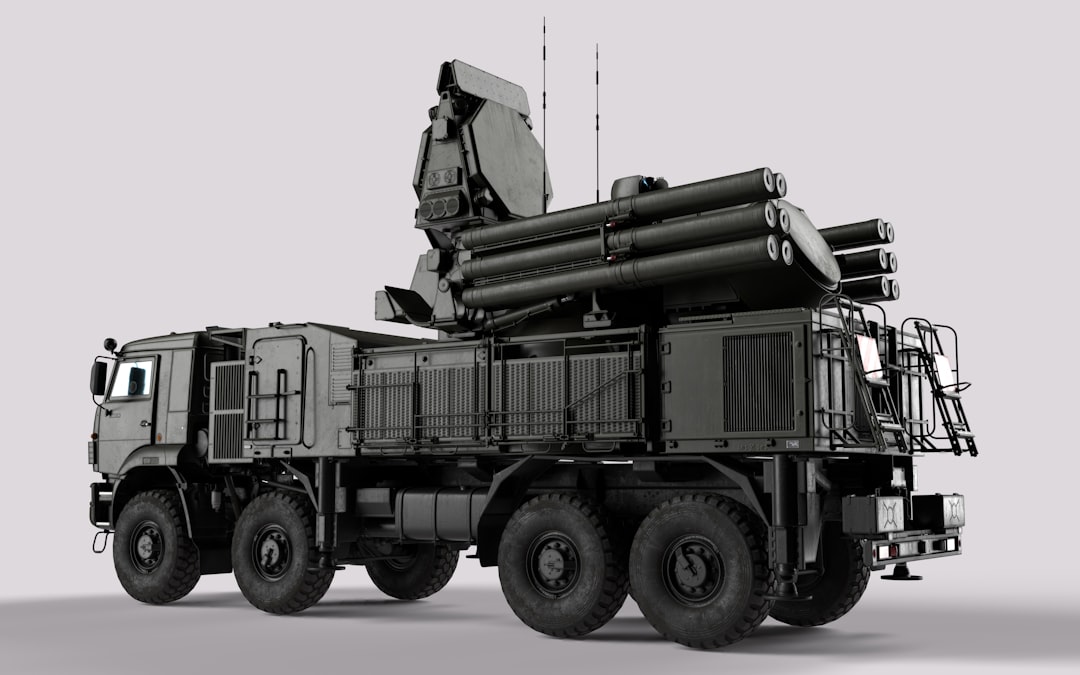
The conflict in Yemen, a multifaceted struggle with regional and international dimensions, has witnessed a notable evolution in the capabilities of the Houthi movement, officially known as Ansar Allah. Among these advancements, the development and deployment of anti-ship missiles (AShMs) stand out as a critical area of strategic concern, reshaping maritime security dynamics in vital waterways. This article aims to provide a comprehensive overview of the Houthi movement’s progress in this domain, examining the technological underpinnings, strategic implications, and the broader context of their AShM program.
The Houthi movement’s origins in anti-ship warfare can be traced to the early stages of the Yemeni conflict, which escalated significantly in 2014. Initially, their capabilities were rudimentary, relying on repurposed land-attack munitions and unsophisticated naval mines. However, a significant turning point emerged with the strategic and technical assistance provided by external actors, primarily Iran. This assistance facilitated a rapid modernization of their arsenal, transitioning from improvised weaponry to more purpose-built and effective anti-ship systems.
Early Attempts and Adaptations
In the initial years of the conflict, Houthi naval operations primarily involved:
- Improvised Explosive Devices (IEDs) on small boats: These tactics, while demonstrating intent, posed limited threats to larger, well-protected naval vessels. Their effectiveness was often restricted to close-range engagements and opportunistic attacks.
- Repurposed land-attack rockets: The modification of unguided rockets, originally designed for ground targets, to target ships represented an early, albeit inefficient, attempt to establish an anti-ship capability. The lack of terminal guidance systems severely limited accuracy and effectiveness against moving maritime targets.
- Naval mines: The deployment of sea mines, often unanchored and drifting, presented a persistent hazard to shipping, though their indiscriminate nature also posed risks to civilian vessels. This strategy aimed to sow chaos and disrupt maritime traffic rather than engage specific targets.
The Role of External Support
The transformation of Houthi anti-ship capabilities was profoundly influenced by the continuous flow of technical expertise, components, and potentially fully assembled systems from Iran. This support encompassed:
- Reverse engineering and indigenous production: Iranian assistance enabled the Houthis to reverse engineer existing missile designs, leading to the gradual development of their own production capabilities for various components. This reduced reliance on direct imports and enhanced their self-sufficiency.
- Transfer of technology and knowledge: Beyond physical components, the transfer of technical know-how in areas such as guidance systems, propulsion, and warhead design proved invaluable. This intellectual capital allowed the Houthis to understand and adapt advanced missile technologies.
- Training and operational guidance: Reports indicate that Iranian advisors have provided training to Houthi personnel in the operation and maintenance of sophisticated missile systems, further enhancing their operational effectiveness.
The confluence of internal innovation, driven by the necessities of conflict, and significant external backing, laid the foundation for the Houthi movement’s current advanced anti-ship missile program.
Recent developments in Houthi anti-ship missile technology have raised significant concerns regarding maritime security in the Red Sea and surrounding regions. For a deeper understanding of the implications of this technology and its impact on naval operations, you can read a related article that explores the strategic challenges posed by these advancements. For more information, visit this article.
Evolution of Houthi Anti-Ship Missile Systems
The Houthi movement has demonstrated a remarkable progression in its AShM arsenal, transitioning from rudimentary rockets to sophisticated cruise and ballistic missiles designed to target maritime vessels. This evolution reflects a deliberate strategy to project power into critical shipping lanes and challenge the naval superiority of opposing forces.
Cruise Missiles: The Dawn of Precision
The introduction of cruise missiles marked a significant leap in Houthi anti-ship capabilities. These missiles, characterized by their low flight paths and often employing various guidance systems, offer a greater degree of precision and survivability compared to unguided rockets.
- “Al-Mandeb” series: Derived from known Iranian designs such as the C-801/C-802 (Seersucker/CSS-N-4 Sardine), the “Al-Mandeb” cruise missile family represents the cornerstone of Houthi anti-ship efforts. These sea-skimming missiles are designed to evade radar detection by maintaining a very low altitude above the water.
- Guidance systems: Typically, these missiles employ inertial navigation systems (INS) for the initial and mid-course phases, transitioning to active radar homing (ARH) in the terminal phase. This combination allows them to acquire and engage targets with increased accuracy.
- Range and warhead: The reported ranges vary, often exceeding 100 kilometers, enabling attacks from coastal positions or even from inland locations depending on launch platforms. The warheads are conventional high-explosive, designed to inflict significant damage on commercial and military vessels.
- “Sayyad” (Hunter): This system is often presented as a domestically developed cruise missile, likely building upon technologies from the “Al-Mandeb” series. Its appearance and claimed capabilities suggest further refinement in guidance and potential improvements in electronic counter-countermeasures (ECCM).
Ballistic Missiles: A New Dimension of Threat
More recently, the Houthis have deployed or revealed ballistic missiles specifically adapted for anti-ship roles. This represents a substantial escalation, as ballistic missiles offer different engagement envelopes and challenges for naval air defense systems.
- “Asef” (Storm): This short-range ballistic missile is believed to be a modified version of existing land-attack ballistic missiles, potentially derived from Iranian “Fateh-110” variants.
- Terminal guidance for maritime targets: The critical adaptation for anti-ship ballistic missiles (ASBMs) is the incorporation of terminal guidance systems capable of tracking and correcting trajectory against moving maritime targets. This often involves radar or electro-optical seekers.
- High velocity and steep trajectory: ASBMs descend at very high speeds, making them difficult to intercept for conventional shipboard air defense systems designed primarily for cruise missiles or aircraft. Their steep terminal dive further complicates interception.
- “Tohfa” (Gift): Another ballistic missile variant, “Tohfa,” is also presented as having anti-ship capabilities. While specific details remain scarce, it likely shares operational characteristics with “Asef,” emphasizing speed and destructive power.
The integration of both cruise and ballistic missile technologies provides the Houthis with a layered anti-ship capability, complicating defense strategies for naval forces operating in the region.
Targeting and Operational Employs
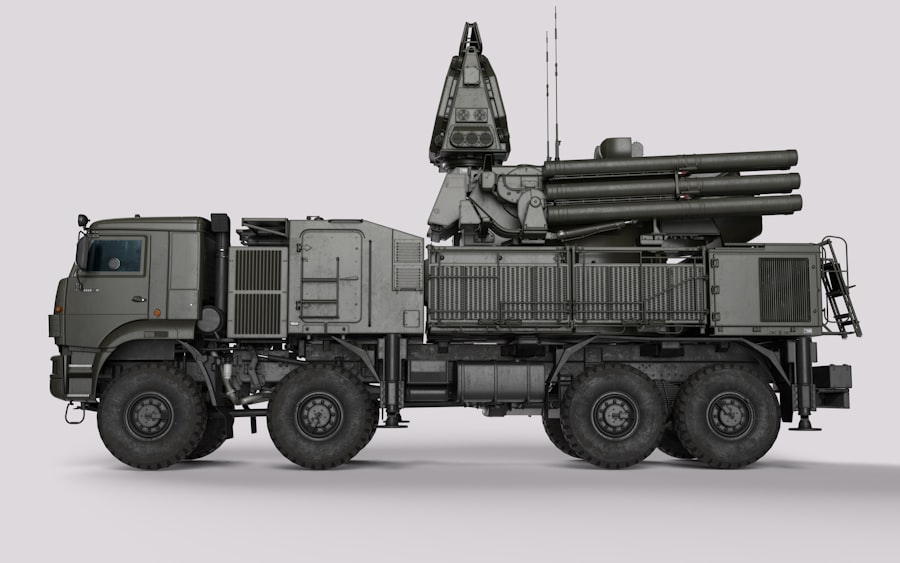
The Houthi movement’s anti-ship missile attacks have primarily focused on the Red Sea, the Bab el-Mandeb Strait, and the Gulf of Aden—maritime arteries vital for global trade. Their targeting philosophy appears to encompass both direct military engagement and broader economic disruption.
Strategic Waterways as Battlegrounds
The geographical positioning of Yemen provides the Houthis with unparalleled leverage over some of the world’s busiest shipping lanes.
- Bab el-Mandeb Strait: This narrow choke point, connecting the Red Sea to the Gulf of Aden, is a natural bottleneck for maritime traffic. Attacks here can induce significant delays and rerouting, impacting global supply chains.
- Red Sea: A major conduit for trade between Europe and Asia, the Red Sea has become a primary area of Houthi missile activity, impacting container ships, oil tankers, and other commercial vessels.
- Gulf of Aden: While broader, attacks in the Gulf of Aden further extend the reach of Houthi threats, forcing international navies to maintain a wider protective presence.
Tactics and Operational Patterns
Houthi AShM launches typically exhibit several recurring patterns:
- Coastal launch sites: Many attacks originate from fixed or mobile launchers positioned along Yemen’s extensive coastline, allowing them to cover broad swaths of the Red Sea and Gulf of Aden.
- Swarming tactics (with UAVs and USVs): While missiles are the primary offensive weapon, the Houthis have often employed unmanned aerial vehicles (UAVs) for reconnaissance, targeting intelligence, and sometimes as decoys. Unmanned surface vessels (USVs), often laden with explosives, can also be used in conjunction with missile attacks to overwhelm defenses or create additional threats.
- Information warfare and propaganda: The Houthis effectively leverage their missile launches for propaganda purposes, presenting them as victories against superior adversaries and a demonstration of their resolve. This aims to bolster domestic support and project an image of strength internationally.
The combination of advanced weapons, strategic geography, and coordinated tactics underscores the deliberate nature of Houthi anti-ship operations.
Strategic Implications and Regional Security
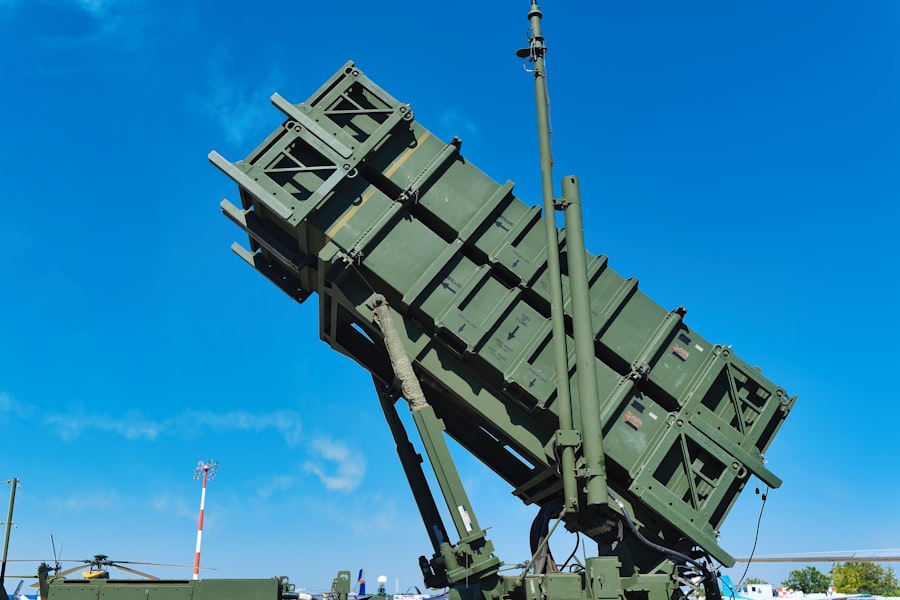
The Houthi movement’s evolving anti-ship missile capabilities carry profound strategic implications, extending far beyond the immediate conflict in Yemen. They have reshaped maritime security paradigms, challenged naval deterrence, and introduced new complexities to regional and international relations.
Threat to Commercial Shipping
Perhaps the most far-reaching impact is the direct threat to international commercial shipping. The Red Sea and Bab el-Mandeb Strait are conduits for:
- Oil and gas shipments: A significant portion of the world’s crude oil and refined petroleum products transit these waterways, making them vulnerable to disruption. Attacks or the mere threat of attack can drive up insurance premiums and shipping costs, impacting global energy markets.
- Containerized cargo: Vast quantities of manufactured goods, consumer products, and raw materials pass through these routes. Disruptions can lead to delays, supply chain bottlenecks, and inflationary pressures on a global scale.
- Passenger vessels and cruise ships: While not primary targets, the general instability and threat environment generated by missile attacks pose risks to all maritime traffic, including civilian passenger ships.
The decision by major shipping companies to reroute vessels around the Cape of Good Hope, a significantly longer and more expensive journey, serves as a tangible measure of the perceived threat.
Challenge to International Naval Forces
The presence of advanced anti-ship missiles necessitates a robust and adaptive response from international naval forces.
- Increased defensive burden: Naval vessels, especially those of Western powers, must operate with heightened vigilance, employing advanced air defense systems, electronic warfare capabilities, and extensive surveillance to detect and neutralize incoming threats. This imposes a significant operational and financial burden.
- Erosion of deterrence: The successful engagement of commercial vessels, despite the presence of international naval forces, has challenged the traditional deterrence model. It demonstrates that less technologically advanced actors can still inflict significant economic and strategic damage through asymmetric means.
- Risks of escalation: Each missile launch against commercial or military vessels carries the inherent risk of miscalculation and escalation, potentially broadening the conflict and drawing in more international actors.
Iran’s Proxy Warfare and Regional Influence
The Houthi AShM program is widely viewed as an integral component of Iran’s broader regional strategy, serving several key objectives:
- Projection of power without direct confrontation: By arming and supporting proxies like the Houthis, Iran can project its strategic influence into vital waterways and challenge adversaries without directly engaging in hostilities. This asymmetric approach allows them to operate below the threshold of direct military conflict.
- Leverage against rivals: The Houthi capability provides Iran with a potent tool to exert pressure on regional rivals, particularly Saudi Arabia and its allies, by threatening their economic interests and maritime security.
- Testing ground for advanced weaponry: The Yemeni conflict has served as a real-world testing ground for Iranian-designed and supplied weapon systems, allowing for refinement and validation of their capabilities in a combat environment. This provides invaluable data for future weapons development.
- Strategic disruption: The ability to disrupt global trade routes through proxies serves Iran’s strategic interests by creating instability that can be leveraged for political and economic gain.
The Houthi AShM advances are therefore not merely a local development but a critical element in the complex geopolitical chess game playing out across the Middle East.
Recent developments in Houthi anti-ship missile technology have raised concerns among maritime security experts, particularly regarding their potential impact on shipping routes in the Red Sea. For a deeper understanding of this issue, you can explore a related article that discusses the implications of these advancements on regional stability and international trade. This analysis highlights the strategic challenges posed by such capabilities and their influence on naval operations in the area. To read more about this topic, visit this article.
Countermeasures and Future Trajectory
| Parameter | Details |
|---|---|
| Missile Type | Anti-ship cruise missile |
| Origin | Houthi movement (Yemen) |
| Estimated Range | Up to 150 km |
| Guidance System | Radar homing and/or infrared seeker |
| Warhead Type | High-explosive fragmentation |
| Launch Platform | Coastal batteries, mobile launchers |
| Speed | Subsonic (approx. 0.8 Mach) |
| Notable Usage | Attacks on Saudi-led coalition naval vessels |
| Countermeasures | Electronic jamming, naval missile defense systems |
Responding to the evolving Houthi anti-ship missile threat requires a multi-faceted approach, encompassing military, diplomatic, and economic strategies. The future trajectory of this capability will depend on various factors, including international responses, the evolution of the conflict, and continued external support.
Naval Defense Systems and Strategies
International naval forces have adapted their strategies and employed various countermeasures to mitigate the Houthi AShM threat:
- Advanced air and missile defense systems: Warships operating in the region are equipped with sophisticated radar systems, interceptor missiles (e.g., SM-2, SM-6, ESSM), and close-in weapon systems (CIWS) designed to detect and destroy incoming threats.
- Electronic warfare (EW): Jamming and deception techniques are employed to disrupt missile guidance systems, preventing them from acquiring and tracking targets effectively.
- Intelligence, surveillance, and reconnaissance (ISR): Constant monitoring of Yemeni coastal areas for launch preparations and early warning of missile launches is crucial for providing sufficient reaction time for naval defenses.
- Patrols and escorts: Naval vessels conduct extensive patrols and provide escorts for commercial shipping in high-threat areas, creating layered defenses.
Despite these measures, the sheer volume and diversity of Houthi missile launches continue to pose significant challenges and necessitate sustained vigilance. The ‘missile sponge’ metaphor aptly describes the dilemma: even systems designed to defeat multiple threats can eventually be overwhelmed by sustained salvos.
Diplomatic and Economic Responses
Beyond military countermeasures, diplomatic and economic levers are also critical:
- Sanctions and interdiction: International efforts to enforce arms embargoes on Yemen and interdict weapon shipments to the Houthis aim to stifle their access to advanced missile components and technologies.
- Diplomatic pressure: International diplomacy seeks to de-escalate the conflict, broker ceasefires, and ultimately achieve a political settlement in Yemen, which would inherently reduce the motivation and capacity for such attacks.
- Financial disincentives: Targeting financial networks that support the Houthi movement and their illicit arms procurement can help disrupt their ability to fund these advanced weapon programs.
Uncertain Future and Potential Escalation
The future trajectory of Houthi anti-ship missile capabilities remains uncertain and depends on several critical variables:
- Continuation of external support: The sustained flow of technical assistance and components from Iran will be pivotal for the Houthis to maintain and further enhance their AShM program. Any significant reduction in this support could curtail their advancements.
- Evolution of conflict dynamics: A political resolution to the Yemeni conflict would likely diminish the Houthi movement’s perceived need for large-scale anti-ship operations. Conversely, prolonged conflict might incentivize further weapon development.
- International resolve: The willingness of international actors to collectively counter the threat, through military, diplomatic, and economic means, will shape the operational environment for the Houthis. A weakening of resolve could embolden them.
- Technological innovation: The Houthis, with external assistance, may continue to innovate, potentially developing autonomous surface vessels (ASVs) or undersea capabilities that could complicate existing countermeasures.
In conclusion, the Houthi advances in anti-ship missiles represent a significant chapter in modern naval warfare. From rudimentary beginnings powered by adaptation and ingenuity, the movement has, with considerable external support, carved out a formidable asymmetric naval capability. This development has transformed vital maritime arteries into zones of elevated risk, compelling the international community to re-evaluate traditional security paradigms and invest in sophisticated defensive measures. The strategic implications extend far beyond the immediate conflict, echoing across global trade routes and influencing the intricate geopolitical landscape of the Middle East. As the conflict in Yemen grinds on, the shadow cast by Houthi anti-ship missiles will continue to loom large over the Red Sea and beyond, serving as a stark reminder of the evolving nature of maritime threats in the 21st century.
FAQs
What type of anti-ship missile technology do the Houthis use?
The Houthis have been reported to use a variety of anti-ship missile technologies, including modified versions of existing missiles such as the C-802 and Noor missiles, which are originally of Chinese and Iranian origin. They have also developed indigenous variants and adapted drones for maritime attack roles.
How have the Houthis acquired their anti-ship missile capabilities?
The Houthis have acquired their anti-ship missile capabilities through a combination of smuggling, local manufacturing, and external support, primarily from Iran. They have also captured weapons from Yemeni government forces and allied factions, which they have modified for their use.
What is the strategic significance of Houthi anti-ship missiles?
Houthi anti-ship missiles provide the group with the ability to threaten commercial and military vessels in the Red Sea and the Gulf of Aden, disrupting maritime traffic and exerting control over key shipping lanes. This capability enhances their leverage in the ongoing conflict in Yemen and regional geopolitics.
Have Houthi anti-ship missiles been used in combat?
Yes, there have been multiple reports of the Houthis using anti-ship missiles in combat, targeting Saudi-led coalition naval vessels and commercial ships. These attacks have caused damage and heightened security concerns in the region.
What countermeasures exist against Houthi anti-ship missile threats?
Countermeasures against Houthi anti-ship missiles include naval patrols, missile defense systems on ships, electronic warfare to jam missile guidance, and intelligence operations to detect and neutralize missile launch sites. Regional navies and coalition forces actively work to mitigate these threats.