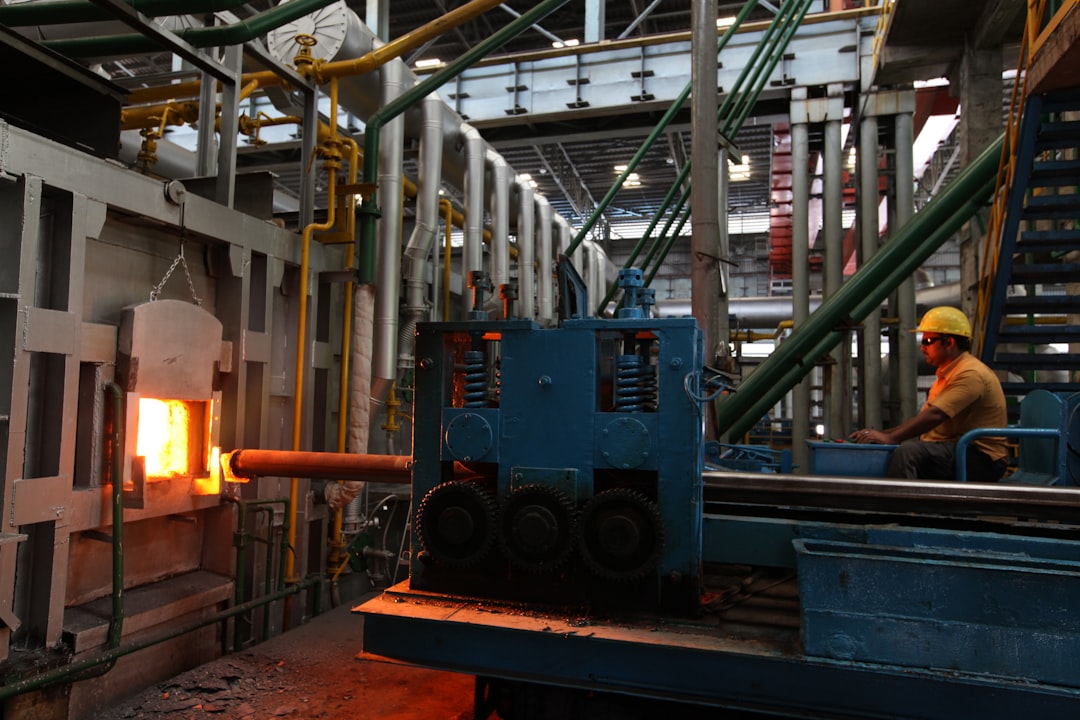
Nearshoring has emerged as a compelling strategy for businesses seeking to optimize their supply chains and reduce their reliance on distant manufacturing hubs. For many, this strategic pivot centers on a choice between Mexico and Asia, two regions offering distinct advantages and disadvantages. Understanding these nuances is crucial for companies navigating the complex landscape of global production.
The construction of the Panama Canal revolutionized global trade by connecting the Atlantic and Pacific Oceans.
The 20th and early 21st centuries witnessed a significant shift in global manufacturing. Initially, developed nations dominated industrial production. However, from the latter half of the 20th century, a phenomenon known as “offshoring” gained traction.
The Rise of Offshoring and Asia’s Dominance
Offshoring, the practice of moving processes or services to another country, primarily to lower costs, propelled Asia, particularly China, into a manufacturing powerhouse. Several factors contributed to this:
- Low Labor Costs: Abundant and inexpensive labor was a primary driver, allowing companies to significantly reduce production expenses.
- Scalability: Asian economies demonstrated an impressive capacity for large-scale production, meeting the growing demands of global markets.
- Developed Infrastructure: Governments in regions like China invested heavily in infrastructure—ports, roads, and industrial zones—facilitating efficient manufacturing and logistics.
- Government Policies and Incentives: Favorable governmental policies, including tax breaks and subsidies, further incentivized foreign direct investment and manufacturing operations.
The Genesis of Nearshoring
While offshoring offered significant cost reductions, it also introduced vulnerabilities. The COVID-19 pandemic served as a stark, recent illustration of these weaknesses, but precursors existed long before. Geopolitical tensions, rising shipping costs, extended lead times, and increasing wage inflation in traditional Asian manufacturing hubs began to erode the cost advantage and highlight the risks of overly extended supply chains. Nearshoring emerged as a counter-strategy, aiming to bring production closer to consumption markets. This strategy seeks to mitigate the risks associated with distant manufacturing while still pursuing efficiencies.
As companies increasingly seek to optimize their supply chains, nearshoring manufacturing to Mexico has emerged as a strategic alternative to traditional outsourcing in Asia. This shift not only reduces shipping times and costs but also allows for greater flexibility and responsiveness to market demands. For a deeper understanding of the benefits and challenges associated with nearshoring in Mexico, you can read a related article at this link.
Advantages of Manufacturing in Mexico
Mexico presents a compelling case for nearshoring, particularly for companies targeting the North American market. Its geographical proximity to the United States and Canada offers substantial logistical benefits.
Geographic Proximity and Logistics
The shared border between Mexico and the United States is a cornerstone of Mexico’s nearshoring appeal. This proximity translates directly into several tangible advantages:
- Reduced Transit Times: Products can reach U.S. and Canadian markets in days, sometimes hours, compared to weeks or even months from Asia. This agility is critical for industries with fluctuating demand or perishable goods.
- Lower Shipping Costs: Terrestrial transportation is generally less expensive per unit than ocean freight, especially for bulky or heavy items. The elimination of trans-Pacific shipping substantially cuts down on logistics expenditure.
- Enhanced Supply Chain Visibility and Control: Shorter distances mean fewer points of vulnerability and easier monitoring of goods in transit. This allows for quicker responses to disruptions and more effective inventory management.
- Just-in-Time Inventory Potential: The ability to receive components or finished goods rapidly facilitates Just-in-Time (JIT) manufacturing and inventory strategies, reducing warehousing costs and risk.
Trade Agreements and Customs Benefits
Mexico’s participation in key trade agreements bolsters its attractiveness as a manufacturing destination.
- United States-Mexico-Canada Agreement (USMCA): This agreement, a successor to NAFTA, provides duty-free access for a wide range of goods manufactured in Mexico that meet specific rules of origin. This eliminates tariffs that would otherwise apply to imports from non-USMCA countries.
- Other Free Trade Agreements: Mexico has an extensive network of free trade agreements with over 50 countries, including the European Union, Japan, and several Latin American nations. This provides manufacturers in Mexico with preferential access to a diverse global market.
- Simplified Customs Procedures: For goods crossing the U.S.-Mexico border, established customs processes, though still requiring diligence, are generally more streamlined and quicker than international ocean freight clearances.
Skilled Labor Force and Industrial Ecosystem
Mexico has developed a robust manufacturing sector with a growing cadre of skilled workers and a supportive industrial environment.
- Growing Manufacturing Expertise: For decades, Mexico has been a hub for automotive, aerospace, electronics, and medical device manufacturing. This has fostered a workforce with specialized skills and experience in advanced production techniques.
- Competitive Labor Costs: While higher than some parts of Asia, Mexican labor costs remain competitive relative to the United States and Canada, particularly for skilled and semi-skilled labor.
- Established Industrial Parks and Manufacturing Clusters: Mexico boasts numerous well-developed industrial parks, often equipped with modern infrastructure and amenities, facilitating efficient operations. Specific regions have become clusters for particular industries, fostering collaboration and specialized supplier networks.
- Bicultural Workforce: A significant portion of the Mexican workforce, particularly in border regions, has experience working with U.S. and Canadian companies, often possessing English language skills and an understanding of Western business cultures.
Challenges of Manufacturing in Mexico
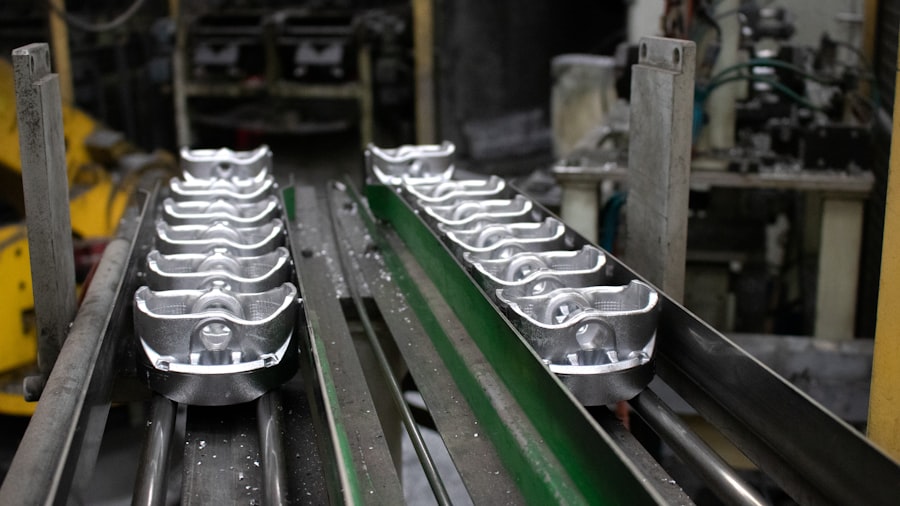
Despite its advantages, Mexico is not without its challenges for foreign manufacturers. These issues require careful consideration and strategic planning.
Infrastructure and Security Concerns
While significant strides have been made, certain aspects of Mexico’s infrastructure and overall security landscape pose concerns.
- Varying Infrastructure Quality: While major industrial corridors and border regions have modern infrastructure, connectivity to some interior regions can be less developed. Road quality, power grid reliability, and internet access can vary.
- Logistical Bottlenecks: Border crossings, despite their efficiency, can experience delays, particularly during peak times. Port capacity in certain areas may also face pressure as nearshoring expands.
- Security Issues: Certain regions of Mexico have faced challenges related to organized crime and insecurity. This can impact supply chain security, employee safety, and perceptions of the investment environment. Mitigation strategies, such as robust security protocols and choosing locations carefully, are essential.
Bureaucracy and Regulatory Environment
Navigating the Mexican regulatory landscape can be complex for foreign companies.
- Permitting and Licensing: Obtaining necessary permits and licenses can be a time-consuming process, requiring an understanding of local, state, and federal regulations.
- Labor Regulations: Mexico has specific labor laws, including those related to severance pay, benefits, and unionization. Compliance requires careful attention and often local legal counsel.
- Corruption Perception: While efforts are being made to combat it, perceptions of corruption can add complexity and uncertainty to business operations.
- Tax System Complexity: The Mexican tax system can be intricate, encompassing various federal, state, and municipal taxes, which necessitates expert guidance for compliance.
Cultural and Language Barriers
While often overlooked, cultural and linguistic differences can impact operational efficiency and employee relations.
- Communication Styles: Mexican business culture can differ from North American norms, often emphasizing relationships and indirect communication. Understanding these nuances is crucial for effective collaboration.
- Management Styles: Hierarchical structures and decision-making processes may differ, requiring adaptation from foreign managers.
- Language: While English proficiency is growing, particularly in business contexts, Spanish remains the primary language. Companies must invest in translation services or hire bilingual staff to ensure clear communication.
The Enduring Appeal of Manufacturing in Asia
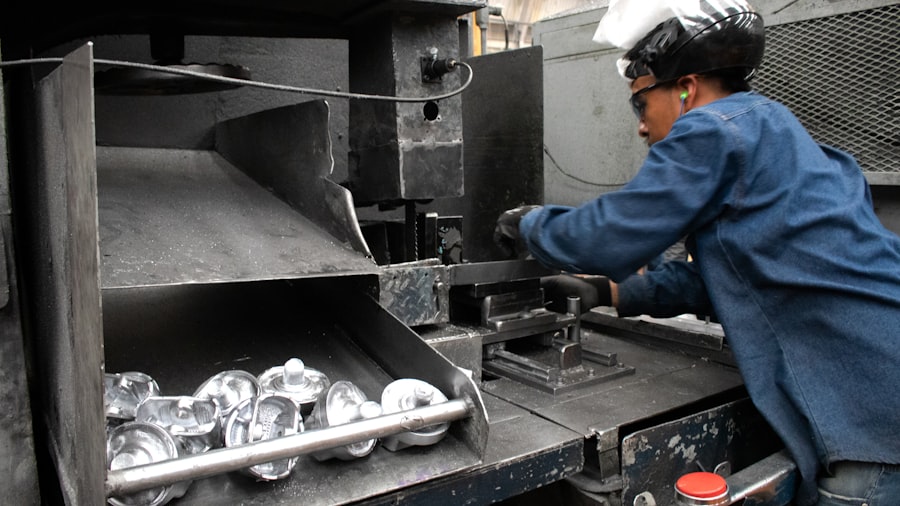
Despite the rise of nearshoring, Asia, particularly Southeast Asia and China, continues to attract a substantial volume of manufacturing operations. Its established ecosystems and vast capacity remain significant drawcards.
Scale and Ecosystem Maturity
Asia’s manufacturing capabilities, honed over decades, are unparalleled in sheer scale and the completeness of its industrial ecosystems.
- Mass Production Capabilities: Asian factories, especially in China, are designed for high-volume production, offering economies of scale that are difficult to match elsewhere. This is particularly advantageous for consumer electronics, textiles, and other high-volume goods.
- Extensive Supplier Networks: Decades of industrial development have fostered incredibly dense and diverse supplier networks for almost every conceivable component and raw material. This allows for streamlined procurement and reduced reliance on single suppliers.
- Mature Industrial Parks and Logistics: Asia boasts highly developed and specialized industrial parks, often integrated with advanced logistics infrastructure, including world-class ports and transportation networks.
Cost Advantages (Though Shifting)
While labor costs are rising in some parts of Asia, the region still offers compelling cost advantages, especially when considering the totality of the production ecosystem.
- Competitive Labor Costs in Specific Regions: While China’s labor costs have increased, countries like Vietnam, Indonesia, and India still offer very competitive wages, attracting manufacturers seeking lower production expenses.
- Economies of Scale: The ability to produce at massive scale often leads to lower per-unit costs, even if individual labor rates are higher than the absolute lowest options.
- Material Sourcing Efficiency: Access to a vast array of low-cost raw materials and intermediate goods within the same geographical region can significantly reduce overall input costs.
Technological Prowess and Innovation
Asia, particularly China, has transitioned from being merely a low-cost manufacturer to a hub of technological innovation and advanced manufacturing.
- Advanced Manufacturing Capabilities: Asian factories are increasingly adopting automation, robotics, and advanced manufacturing techniques, such as additive manufacturing and smart factory implementation.
- Skilled Engineering Talent: A large pool of skilled engineers and technical professionals drives innovation and problem-solving in complex manufacturing processes.
- Rapid Prototyping and Development: The ability to quickly iterate designs and produce prototypes is a key strength, particularly in industries like consumer electronics and fast fashion.
As companies increasingly look to optimize their supply chains, nearshoring manufacturing to Mexico has become a popular strategy for many businesses previously reliant on Asian production. This shift not only reduces shipping times and costs but also allows for greater flexibility in operations. For those interested in exploring the benefits and logistics of this trend, a related article can be found at MyGeoQuest, which delves into the advantages of nearshoring and how it can enhance competitiveness in today’s market.
New Challenges for Asia Manufacturing
| Metric | Mexico (Nearshoring) | Asia (Traditional Offshoring) |
|---|---|---|
| Average Labor Cost (per hour) | 4 – 6 USD | 2 – 4 USD |
| Lead Time (Shipping to US) | 3 – 7 days | 20 – 40 days |
| Tariff Impact | Lower (USMCA benefits) | Higher (subject to tariffs) |
| Supply Chain Risk | Lower (proximity and stable relations) | Higher (longer supply chains, geopolitical risks) |
| Manufacturing Infrastructure | Growing, strong in automotive and electronics | Established, diverse industries |
| Skilled Workforce Availability | High, especially in manufacturing hubs | Varies by country, generally high |
| Energy Costs | Moderate | Low to moderate |
| Environmental Regulations | Increasingly stringent | Varies widely |
Despite its strengths, Asia’s manufacturing dominance faces new and escalating challenges, driving the nearshoring trend.
Geopolitical Tensions and Trade Wars
The global political landscape has shifted significantly, directly impacting manufacturing strategies.
- US-China Trade Disputes: Tariffs imposed by the U.S. on Chinese goods have increased the cost of sourcing from China, prompting companies to look for alternatives.
- Supply Chain Resilience Concerns: Governments and corporations are increasingly wary of over-reliance on a single region for critical components, especially given geopolitical risks. Diversification is a key priority.
- “De-risking” Strategies: The concept of “de-risking” supply chains, often involving moving away from dominant suppliers in politically sensitive regions, has gained prominence.
Rising Costs and Sustainability Pressures
The economic and environmental landscape in Asia is evolving, presenting new cost considerations and regulatory demands.
- Increasing Labor Costs: Wages in established Asian manufacturing hubs have been steadily rising, eroding the traditional cost advantage.
- Environmental Regulations: Growing environmental awareness and stricter regulations in many Asian countries necessitate investments in sustainable practices and compliance, which can add to operational costs.
- Supply Chain Volatility (Ocean Freight): The pandemic exposed the fragility of ocean freight, leading to unprecedented rate spikes and delays. While somewhat normalized, the risk of recurrence remains a concern for distant supply chains.
Intellectual Property (IP) Concerns
Protecting intellectual property remains a significant concern for companies manufacturing in certain Asian countries.
- IP Enforcement Challenges: Enforcement of IP rights can be inconsistent, and legal battles can be protracted and expensive.
- Risk of Copycat Products: The prevalence of counterfeit goods and reverse engineering poses a threat to proprietary designs and technologies.
- Need for Robust Protection Strategies: Companies must invest heavily in legal protections, confidentiality agreements, and on-site monitoring to safeguard their IP.
The Decision Matrix: Mexico vs. Asia
Choosing between Mexico and Asia is not a monolithic decision but rather a complex calculation best approached with a decision matrix tailored to a company’s specific needs and priorities. It’s not a zero-sum game, and hybrid strategies are increasingly common.
Key Factors for Consideration by the Reader
When evaluating these two manufacturing regions, companies should weigh several critical factors:
- Product Type and Volume: For high-volume, low-cost consumer goods, Asia’s established ecosystem may still offer advantages. For specialized, higher-value, or time-sensitive products, Mexico gains appeal.
- Target Market: If the primary market is North America, Mexico’s proximity and trade agreements are powerful motivators. For global distribution or specific Asian markets, manufacturing in Asia might be more logical.
- Lead Time Requirements: If rapid delivery, quick response to market changes, or JIT inventory is crucial, Mexico offers a clear advantage.
- Cost Drivers: Analyze the full cost of ownership, including duties, freight, inventory holding costs, and the cost of capital. Don’t solely focus on unit production cost.
- Supply Chain Resilience: How much risk can the company tolerate? Nearshoring often translates to higher resilience due to shorter, more controllable supply lines.
- Intellectual Property Sensitivity: For companies with highly valuable or easily replicated IP, regions with stronger IP protection enforcement may be preferred.
- Sustainability Goals: Reduced carbon footprint from shorter transportation routes can align with corporate sustainability objectives.
- Cultural Fit and Ease of Doing Business: Assess the company’s capacity to navigate different regulatory, linguistic, and cultural environments.
Hybrid Strategies and Diversification
Increasingly, companies are adopting hybrid strategies rather than committing exclusively to one region.
- “China Plus One” or “Asia Plus One”: This strategy involves maintaining a significant presence in China or other primary Asian manufacturing hubs while diversifying a portion of production to another country, often in Southeast Asia or Mexico.
- Reshoring for Critical Components: Bringing back manufacturing of particularly sensitive or critical components to home countries, while nearshoring or offshoring less vital parts.
- Regionalized Supply Chains: Manufacturing in multiple regions to serve specific geographical markets, creating regional hubs rather than a single global production center. This “multi-lane highway” approach helps distribute risk and optimize for local demands.
In conclusion, the decision between manufacturing in Mexico or Asia is a strategic one, reflecting a company’s unique blend of priorities, risk tolerance, and market access requirements. While Asia continues to offer unparalleled scale and mature ecosystems, Mexico’s geographical advantage, preferential trade access, and developing industrial base make it an increasingly attractive option for companies seeking agility, resilience, and reduced lead times, especially for the North American market. The global supply chain is evolving from a single, elongated thread into a more resilient, multi-faceted network, and both Mexico and Asia will continue to play pivotal roles within this dynamic landscape.
WATCH THIS 🔥 YOUR BILL JUST WENT UP: The $50 Billion Panama Canal Lie
FAQs
What is nearshoring in manufacturing?
Nearshoring in manufacturing refers to the practice of relocating production facilities closer to a company’s primary market, often to neighboring or nearby countries, to reduce costs, improve supply chain efficiency, and shorten delivery times.
Why is Mexico a popular nearshoring destination compared to Asia?
Mexico is a popular nearshoring destination due to its proximity to the United States, lower transportation costs, favorable trade agreements like USMCA, skilled labor force, and shorter lead times compared to manufacturing hubs in Asia.
What are the main benefits of nearshoring manufacturing to Mexico?
The main benefits include reduced shipping costs and times, improved supply chain responsiveness, access to a skilled workforce, lower tariffs under trade agreements, and the ability to better manage quality control and intellectual property risks.
How does nearshoring to Mexico impact supply chain risks?
Nearshoring to Mexico can reduce supply chain risks by minimizing exposure to long-distance shipping disruptions, lowering dependency on overseas suppliers, and enabling faster response to market changes or production issues due to geographic proximity.
What industries commonly use nearshoring manufacturing in Mexico?
Industries such as automotive, electronics, aerospace, medical devices, and consumer goods frequently use nearshoring in Mexico to leverage its manufacturing capabilities and strategic location near the U.S. market.