
Small importers are navigating an increasingly treacherous current as the global market consolidates, experiencing a significant squeeze that threatens their viability. This consolidation, driven by various economic and geopolitical forces, is effectively shrinking the playing field, presenting formidable challenges for those who have historically operated on the fringes of larger enterprises. The days of relative ease for many small import businesses are rapidly fading, replaced by a need for strategic adaptation and resilience to survive.
The landscape of international commerce has always been dynamic, a vast ocean with ever-changing currents. However, in recent years, these tides have become particularly turbulent. Several interconnected factors are contributing to a significant consolidation within the import market, making it more difficult for smaller players to thrive. Understanding these underlying forces is crucial for comprehending the pressures faced by small importers. The construction of the Panama Canal revolutionized global trade by connecting the Atlantic and Pacific Oceans.
The Rise of Megacorporations
The most conspicuous driver of this consolidation is the escalating power and influence of multinational corporations. These behemoths, with their vast financial resources, established supply chains, and economies of scale, are increasingly dominating trade routes and market share. They possess the leverage to negotiate more favorable terms with suppliers, logistics providers, and even regulatory bodies, creating an uneven playing field.
Economies of Scale as a Competitive Weapon
For small importers, the concept of economies of scale, where the cost per unit decreases as production or purchase volume increases, is a constant, looming presence. Megacorporations can afford to buy in bulk, securing lower per-unit prices for goods, shipping, and warehousing. This allows them to offer more competitive pricing to consumers, a critical factor in a price-sensitive market. Small importers, by contrast, often operate with lower volumes, leading to higher per-unit costs that are difficult to pass on to customers without losing market share. It’s akin to a lone canoe trying to navigate a shipping lane choked with supertankers; the sheer size and capacity of the larger vessels dictate the flow and leave little room for maneuver.
Vertical and Horizontal Integration
Many large corporations are pursuing strategies of vertical and horizontal integration. Vertical integration means controlling more stages of the supply chain, from production to distribution, while horizontal integration involves acquiring competitors or expanding into related product categories. This holistic approach gives them greater control over costs, quality, and market access, further solidifying their dominance and marginalizing smaller, independent businesses that lack such comprehensive control.
Geopolitical Shifts and Trade Wars
Beyond the internal dynamics of corporate power, external geopolitical factors are also playing a significant role in shaping the import market. International relations, trade agreements, and even outright trade disputes can create ripple effects that disproportionately impact smaller businesses.
The Impact of Tariffs and Trade Barriers
Tariffs, implemented by governments to protect domestic industries or as a form of economic pressure, can act as significant hurdles for importers. While large corporations may have the resources to absorb some of these costs or reconfigure their supply chains, small importers often find themselves unable to compete when the price of imported goods increases due to these tariffs. This can lead to a situation where a once-profitable import line suddenly becomes unviable. Trade barriers, whether explicit tariffs or more subtle regulatory hurdles, are like adding extra locks to every door, requiring more effort and cost to get goods through.
Shifting Manufacturing Hubs
The global manufacturing landscape is not static. Shifts in labor costs, regulatory environments, and political stability can cause manufacturing hubs to move. While this can create new opportunities, it also necessitates that importers adapt their sourcing strategies. Large corporations are better equipped to establish new relationships and navigate the complexities of setting up supply chains in unfamiliar territories, leaving smaller importers scrambling to find reliable alternatives.
In recent discussions about the challenges faced by small importers, the phenomenon of market squeeze and subsequent consolidation has become increasingly relevant. A related article that delves deeper into this issue can be found at My GeoQuest, where it explores how small businesses are navigating the complexities of supply chains and competition in a rapidly changing market landscape. This resource provides valuable insights into the strategies employed by small importers to survive and thrive amidst consolidation pressures.
The Squeeze on Profit Margins
The combined forces of market consolidation and geopolitical shifts are exerting immense pressure on the profit margins of small import businesses. These businesses, often operating on thinner margins to begin with, are finding it increasingly difficult to maintain profitability.
Rising Costs of Goods
As mentioned previously, the inability to achieve significant economies of scale means that small importers typically pay higher prices for the goods they procure. This fundamental cost difference is a perpetual challenge. When coupled with increasing raw material costs, labor expenses in manufacturing countries, and inflationary pressures globally, the cost of acquiring inventory for small importers can become prohibitive.
The ‘Small Buyer Discount’ Myth
The idea that a small buyer might receive a discount is often a misconception in today’s market. In fact, the opposite is often true. Suppliers, keen to secure large, consistent orders, prioritize their dealings with major clients. Small importers are relegated to the lower tiers, often receiving less favorable pricing and potentially longer lead times. They are like the diners at a large banquet who receive the leftover portions after the main guests have been served.
Escalating Logistics and Shipping Expenses
The cost of moving goods across borders has become a significant expense. Global shipping rates, influenced by factors such as fuel prices, port congestion, container availability, and demand, have seen dramatic fluctuations. For small importers, who cannot fill entire shipping containers on their own, the cost of LCL (Less than Container Load) shipping is often disproportionately high.
The Invisible Hand of Shipping Congestion
Port congestion, a recurring problem in major trade hubs, leads to delays and demurrage charges, adding to the overall cost of importing. Small businesses, lacking the dedicated logistics teams of larger companies, are often less equipped to manage or mitigate these disruptions. Dealing with port congestion without a dedicated team is like trying to navigate a traffic jam with only a bicycle; you are at the mercy of the overall flow and cannot easily reroute.
The Impact of Fuel Prices
Fuel prices have a direct and substantial impact on shipping costs. Fluctuations in global oil markets can quickly translate into higher expenses for all parties involved in transportation. Small importers, with less cushion in their budgets, are more vulnerable to these price swings.
Increased Warehousing and Storage Costs
Once goods arrive, the need for storage adds another layer of expense. As market demand patterns shift and lead times can become unpredictable, small importers may find themselves holding inventory for longer periods, incurring additional warehousing and storage fees.
The ‘Just-in-Time’ Dilemma for Small Players
Many businesses aim for “just-in-time” inventory management to minimize storage costs. However, with the increased volatility in global supply chains, a “just-in-time” strategy can become a high-risk endeavor for small importers. A disruption in the supply chain can leave them with empty shelves and lost sales, while holding excess inventory ties up valuable capital.
Navigating Competitive Pricing Pressures
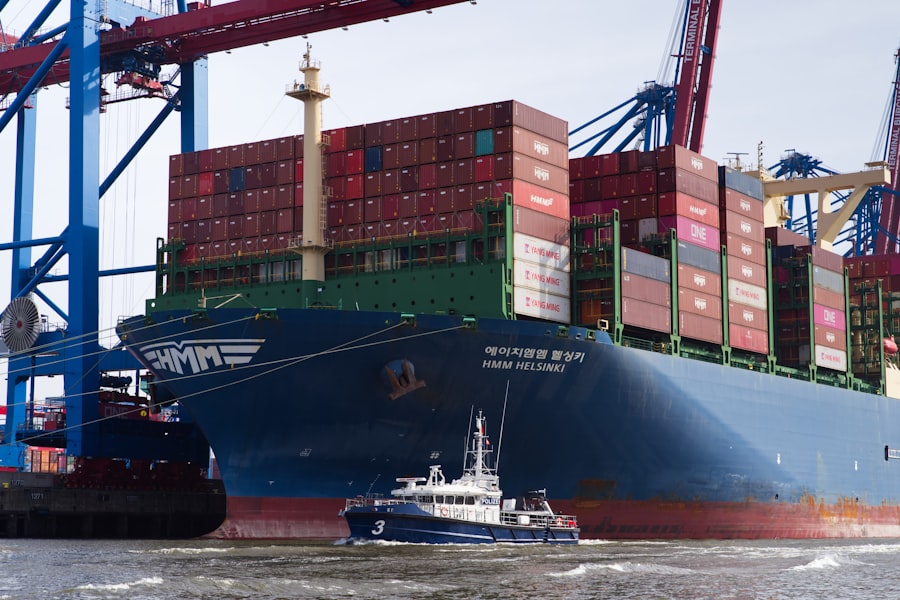
In a market dominated by large players with economies of scale, small importers face intense pressure to compete on price. This creates a precarious balancing act between offering competitive pricing and maintaining profitability.
The Price War Arena
Large corporations can often afford to engage in price wars, temporarily lowering prices to drive out smaller competitors. For small importers, participating in such a war is often unsustainable, as their higher cost structures make it impossible to match the price cuts of their larger rivals.
The Race to the Bottom
The pressure to offer the lowest price can lead to a “race to the bottom,” where quality or ethical sourcing may be compromised to reduce costs. Small importers who are committed to quality and ethical practices find themselves at a distinct disadvantage in such an environment.
The Challenge of Differentiating Products
When pricing becomes a primary differentiator, small importers can struggle to stand out. Their ability to differentiate their products based on unique features, superior quality, or exceptional customer service is often overshadowed by the sheer price advantage of larger competitors.
Finding a Niche in a Crowded Market
To survive, small importers must increasingly focus on finding and serving specific niche markets or customer segments that are underserved by larger companies. This requires a deep understanding of consumer needs and the ability to curate unique product offerings.
Adapting and Innovating for Survival

The challenges faced by small importers are significant, but not insurmountable. Survival in this evolving market demands a proactive approach, characterized by strategic adaptation and a commitment to innovation.
Diversifying Product Portfolios
Relying on a single product line or a limited number of suppliers can be a risky strategy for small importers. Diversifying their product portfolios can help to mitigate risks associated with market fluctuations, supplier issues, or changes in consumer demand.
Exploring New Sourcing Locations
As global manufacturing patterns shift, small importers need to be agile in exploring new sourcing locations. This might involve looking at emerging markets or investigating regional manufacturing capabilities that offer competitive pricing and reliable supply.
Embracing Technology and Digitalization
Technology offers a powerful toolkit for small importers to improve efficiency, reduce costs, and enhance their competitive edge.
E-commerce and Direct-to-Consumer Models
Many small importers are leveraging e-commerce platforms to reach consumers directly, bypassing traditional retail channels. This can help them to capture a larger share of the profit margin and build direct relationships with their customers.
Supply Chain Management Software
Investing in supply chain management software can provide small importers with better visibility into their inventory, optimize logistics, and improve overall operational efficiency. This technology can help them to make more informed decisions and reduce costly errors.
Strengthening Supplier Relationships
In an era of consolidation, strong relationships with suppliers are more crucial than ever. Small importers should focus on building partnerships rather than transactional dealings.
Negotiating for Better Terms
By demonstrating reliability, consistent orders, and a willingness to collaborate, small importers may be able to negotiate more favorable terms with their suppliers, even if they cannot match the volumes of large corporations.
Exploring Collaborative Sourcing
Small importers can also explore collaborative sourcing initiatives with other small businesses. By pooling their purchasing power, they can potentially achieve better pricing and more favorable shipping terms.
The recent trends in the small importer market have raised concerns about a potential squeeze and subsequent consolidation, as highlighted in a related article. This piece discusses how smaller businesses are navigating the challenges posed by larger competitors and changing consumer preferences. For more insights on this topic, you can read the full article here. Understanding these dynamics is crucial for small importers looking to adapt and thrive in an increasingly competitive landscape.
The Future Outlook for Small Importers
| Metric | Description | Value | Unit | Trend |
|---|---|---|---|---|
| Number of Small Importers | Total count of small import businesses in the market | 1,250 | Companies | Decreasing |
| Market Share of Small Importers | Percentage of total import market controlled by small importers | 18 | % | Declining |
| Consolidation Rate | Annual rate at which small importers merge or are acquired | 12 | % per year | Increasing |
| Average Revenue per Small Importer | Mean annual revenue generated by small importers | 850,000 | Units | Stable |
| Profit Margin | Average profit margin for small importers | 5 | % | Decreasing |
| Number of Importer Exits | Count of small importers exiting the market annually | 150 | Companies per year | Increasing |
| Average Deal Size in Consolidation | Average value of mergers and acquisitions involving small importers | 3,200,000 | Units | Increasing |
The future for small importers is not one of guaranteed decline, but rather one that demands strategic foresight and a willingness to evolve. The market consolidation is a formidable force, but it also creates opportunities for those who can adapt.
The Importance of Agility and Niche Focus
Agility will be the small importer’s greatest asset. The ability to pivot quickly in response to market changes, to identify and capitalize on emerging trends, and to serve specific customer needs will be paramount. Focusing on niche markets where larger players may not have the same interest or expertise can be a path to sustained success.
Redefining Value Beyond Price
While price will always be a factor, small importers have the opportunity to redefine value by emphasizing factors such as product uniqueness, exceptional customer service, ethical sourcing, and brand storytelling. These are areas where they can genuinely differentiate themselves from larger, more commoditized competitors.
The Role of Government and Industry Support
While the market forces are powerful, there is a potential role for government and industry organizations to provide support for small and medium-sized enterprises (SMEs) in the import sector. This could include access to financing, trade facilitation programs, training and mentorship, and advocacy for fairer trade practices.
Advocating for a Level Playing Field
Industry associations can play a vital role in advocating for policies that promote fair competition and address the challenges faced by small importers in areas such as customs procedures, regulatory burdens, and access to trade finance.
The journey for small importers in this consolidating market is undoubtedly challenging. They are individuals or small teams often operating with limited resources, facing global giants with vast capabilities. However, by understanding the fundamental shifts occurring, embracing innovation, and strategically adapting their business models, these smaller players can not only survive but also carve out a sustainable and valuable space within the complex web of global trade. The key lies in their ability to be like a nimble sailboat, skillfully navigating the powerful currents created by larger vessels, finding their own clear path forward.
WATCH THIS 🔥 YOUR BILL JUST WENT UP: The $50 Billion Panama Canal Lie
FAQs
What does “small importer market squeeze” mean?
The term “small importer market squeeze” refers to the increasing pressure faced by small importers due to factors such as rising costs, regulatory challenges, and competition from larger companies. This squeeze can limit their market share and profitability.
What causes consolidation in the small importer market?
Consolidation in the small importer market is often caused by economic pressures, increased competition, and the need for greater efficiency. Smaller importers may merge or be acquired by larger firms to reduce costs, expand their reach, and improve their competitive position.
How does market consolidation affect consumers?
Market consolidation can lead to fewer choices for consumers as smaller importers are absorbed by larger companies. However, it can also result in better pricing and improved product availability due to economies of scale and streamlined operations.
What challenges do small importers face in a consolidated market?
In a consolidated market, small importers may struggle with reduced bargaining power, limited access to distribution channels, and higher operational costs. They may also find it harder to compete with larger firms that benefit from greater resources and market influence.
Are there any benefits to market consolidation for small importers?
Yes, consolidation can offer benefits such as access to larger networks, shared resources, and improved negotiating power. Small importers that participate in consolidation may achieve greater stability and growth opportunities in a competitive market.