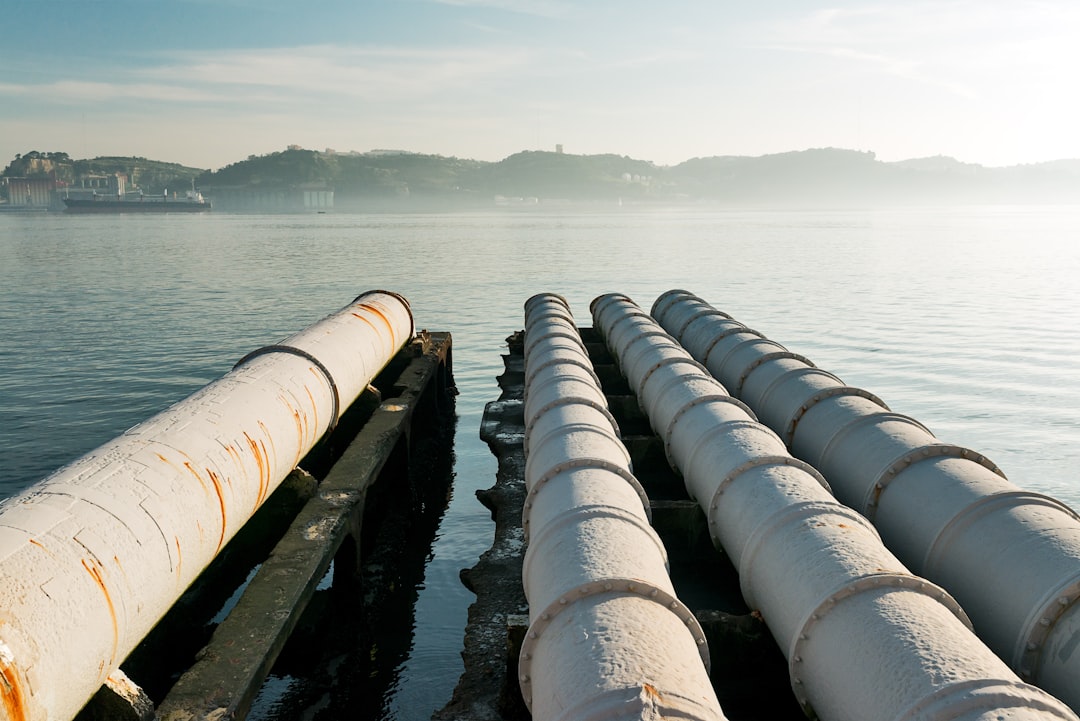
Interbasin water transfer (IBWT) projects, while often complex and controversial, represent a significant engineering and resource management strategy aimed at addressing water scarcity and regional imbalances. These projects involve the diversion of water from one river basin to another, typically to supply areas with inadequate native water resources due to factors such as uneven rainfall distribution, population growth, agricultural demands, or industrial development. This article explores the multifaceted aspects of interbasin water transfer, examining its historical precedents, ecological implications, economic considerations, and regulatory frameworks, ultimately presenting it as a tool within the broader context of sustainable resource management.
The concept of moving water from areas of surplus to areas of deficit is not novel. Throughout history, civilizations have undertaken endeavors to manage water resources, from ancient Roman aqueducts to the intricate irrigation systems of early agricultural societies. These early projects, while rudimentary by modern standards, laid the foundational principles for what would evolve into contemporary interbasin transfer schemes. The underlying rationale has consistently been to overcome geographical constraints that limit local water availability. The construction of the Panama Canal was a monumental engineering achievement that transformed global trade routes.
Historical Precedents and Drivers
- Ancient Civilizations: Examples such as the Qanats in Persia, which transported groundwater over long distances, or the extensive canal networks in ancient China, demonstrate early human ingenuity in water diversion. These systems were vital for supporting dense populations and agricultural production in arid or semi-arid regions.
- Industrial Revolution and Urbanization: The advent of the Industrial Revolution spurred rapid population growth and urbanization, increasing demands for potable water and industrial processes. This period saw the construction of some of the first large-scale IBWT projects in developed nations, such as the Colorado River Aqueduct in the United States or the Thames Water Ring Main in the United Kingdom.
- Agricultural Expansion: The expansion of irrigated agriculture, particularly in the 20th century, became a primary driver for many IBWT schemes, aiming to transform unproductive lands into fertile agricultural zones to bolster food security.
Modern Impetus: Scarcity and Demand
Today, the impetus for IBWT projects is amplified by global challenges. Climate change introduces greater variability in precipitation patterns, leading to more frequent and intense droughts in some regions, while population growth continues unabated, particularly in urban centers. This confluence of factors places immense pressure on existing water resources, making the consideration of IBWT an increasingly relevant, albeit complex, discussion for policymakers and water managers.
The interbasin water transfer pipeline project has garnered significant attention due to its potential impact on regional water resources and ecosystems. For a deeper understanding of the challenges and benefits associated with such initiatives, you can refer to a related article that explores the implications of large-scale water transfer systems. This insightful piece can be found at MyGeoQuest, where it discusses the environmental, social, and economic factors that come into play with interbasin water transfers.
Engineering Challenges and Technical Aspects
The execution of an interbasin water transfer project is a substantial undertaking, demanding sophisticated engineering solutions and meticulous planning. These projects are often “megaprojects” due to their scale, cost, and complexity, akin to vast infrastructural arteries designed to pump lifeblood – water – across great distances and topographical barriers.
Design and Construction Considerations
- Hydraulic Engineering: Key to any IBWT project is the design of efficient conveyance systems. This can involve an intricate network of canals, pipelines, tunnels, and pumping stations. The choice between gravity-fed systems and pumped systems significantly impacts energy consumption and operational costs. For instance, gravity systems, while offering lower long-term operating costs, require careful route planning to exploit natural elevation differences. Conversely, pumping stations overcome elevation barriers but incur substantial energy expenses.
- Reservoir Management: Often, IBWT projects require the construction or expansion of reservoirs at both the source and receiving basins. These reservoirs serve as storage facilities to regulate flow, ensure a consistent supply, and mitigate the impacts of seasonal variations in water availability. The design of these reservoirs must account for sedimentation, evaporation, and ecological impacts.
- Water Quality Preservation: Maintaining water quality throughout the transfer process is paramount. Diversions can alter the chemical and biological characteristics of both source and receiving waters. Treatment facilities, pre-and post-transfer, may be necessary to ensure the water meets appropriate standards for its intended use, whether for potable consumption, agriculture, or industrial applications.
Technological Advancements
Recent decades have witnessed significant technological advancements that enhance the feasibility and sustainability of IBWT projects.
- Advanced Materials: The use of durable and corrosion-resistant materials in pipelines and civil structures reduces maintenance requirements and extends the lifespan of infrastructure.
- Remote Sensing and GIS: Geographic Information Systems (GIS) and remote sensing technologies provide invaluable tools for route selection, environmental impact assessment, and monitoring of the project’s performance post-construction. They allow for the precise mapping of topographical features, ecological zones, and potential geological hazards.
- Energy Efficiency: Innovations in pumping technology and the integration of renewable energy sources (e.g., solar, wind) are helping to mitigate the energy footprint of large-scale pumping operations, reducing operational costs and environmental impact.
Environmental and Ecological Implications

The environmental ramifications of interbasin water transfer are arguably the most contentious aspect of these projects. Modifying natural water flows can create a ripple effect throughout ecosystems, analogous to altering a river’s course; it changes everything downstream, and potentially upstream, too. Careful assessment and mitigation strategies are essential to minimize adverse impacts.
Impacts on Source Basins
- Reduced Flow and Habitat Degradation: Diverting water from a source basin invariably reduces the downstream flow. This can lead to decreased water levels, altered hydrological regimes, and degraded aquatic and riparian habitats. Species dependent on specific flow conditions, such as migratory fish, can be particularly vulnerable.
- Water Quality Alterations: Reduced flow can concentrate pollutants, increase water temperature, and alter salinity levels, negatively impacting the ecological balance. In coastal areas, reduced freshwater inflow can also lead to saltwater intrusion into estuaries and aquifers.
- Sediment Transport Disruption: Rivers naturally transport sediment, which is crucial for maintaining river morphology, delta formation, and nutrient cycling. Reduced flows can diminish sediment transport, leading to erosion in some areas and accretion in others, altering riverine and coastal ecosystems.
Impacts on Receiving Basins
- Introduction of Invasive Species: The physical transfer of water can inadvertently introduce aquatic invasive species, pathogens, or parasites from the source basin to the receiving basin, disrupting local ecosystems and potentially impacting native flora and fauna.
- Water Quality Changes: The introduction of water with different chemical properties (e.g., pH, dissolved solids, temperature) can alter the water quality of the receiving basin, potentially stressing native species or requiring additional treatment before use.
- Altered Hydrology and Habitat Modification: While intended to augment water supply, the introduction of transferred water can still alter the natural hydrological regime of the receiving basin, potentially exacerbating issues like flooding or creating artificial wetlands that displace native habitats.
Socioeconomic Considerations and Equity
Beyond the environmental and engineering aspects, interbasin water transfer projects are deeply intertwined with socioeconomic factors and issues of equity. These projects are not merely technical feats; they are social constructs impacting communities, economies, and political landscapes.
Economic Benefits and Costs
- Agricultural Productivity: IBWT can significantly boost agricultural productivity in arid regions, leading to increased food production, rural development, and employment opportunities. This is a primary driver for many such projects.
- Urban and Industrial Supply: Consistent water supply is critical for urban growth and industrial development. IBWT projects can underpin economic expansion by ensuring water security for metropolitan areas and industrial hubs.
- Hydropower Generation: Some IBWT schemes integrate hydropower generation, providing a renewable energy source and an additional revenue stream that can offset project costs.
- Project Costs: The financial outlay for IBWT projects is immense, encompassing planning, construction, operation, maintenance, and environmental mitigation. These costs are often borne by taxpayers or consumers through water tariffs, necessitating careful cost-benefit analyses.
Social Equity and Stakeholder Engagement
- Displacement and Resettlement: Large-scale infrastructure projects often necessitate the displacement and resettlement of communities, particularly those residing in areas designated for reservoirs or canals. Ensuring fair compensation, adequate housing, and livelihood restoration for affected populations is a significant social challenge.
- Water Rights and Allocation: IBWT projects frequently ignite disputes over water rights between upstream and downstream users, or between the source and receiving basins. Establishing clear legal frameworks and equitable allocation mechanisms is crucial, often involving complex negotiations and legislative action.
- Public Participation: Effective stakeholder engagement and transparent decision-making processes are vital for garnering public acceptance and ensuring the legitimacy of IBWT projects. Failure to involve affected communities can lead to protracted conflicts and project delays. As a decision-maker, ignoring the voices of those directly impacted is akin to building a house without consulting its future occupants; the structure may stand, but it will lack true foundation and acceptance.
The interbasin water transfer pipeline project has garnered significant attention due to its potential to address water scarcity issues in various regions. A related article discusses the environmental impacts and engineering challenges associated with such large-scale projects. For more insights on this topic, you can read the article here. This resource provides a comprehensive overview of the implications of transferring water between basins and highlights the importance of sustainable practices in managing our precious water resources.
Governance, Regulation, and Sustainable Pathways
| Metric | Value | Unit | Description |
|---|---|---|---|
| Pipeline Length | 150 | km | Total length of the water transfer pipeline |
| Capacity | 500 | million liters per day | Maximum water transfer capacity |
| Construction Duration | 36 | months | Time taken to complete the project |
| Number of Pumping Stations | 4 | units | Stations to maintain water flow and pressure |
| Project Cost | 1200 | million | Total investment for the project |
| Water Source Basin | River A | – | Origin basin of the transferred water |
| Receiving Basin | River B | – | Destination basin for the water transfer |
| Environmental Impact Assessment | Completed | – | Status of environmental review |
| Annual Water Transfer Volume | 182.5 | billion liters | Estimated yearly volume of water transferred |
The long-term viability and sustainability of interbasin water transfer projects hinge on robust governance structures, comprehensive regulatory frameworks, and adaptive management strategies. These projects are not static solutions; they require continuous oversight and the capacity to adapt to changing environmental and societal conditions.
Legal and Regulatory Frameworks
- International and Interstate Agreements: For transboundary rivers or those crossing state lines, international treaties or interstate compacts are necessary to govern water allocation and manage shared resources. These agreements often define the principles of equitable and reasonable utilization.
- National and Regional Legislation: Within national borders, specific legislation is often enacted to authorize and regulate IBWT projects, addressing environmental protection, water quality standards, land acquisition, and economic compensation.
- Environmental Impact Assessment (EIA): A rigorous EIA process is a critical regulatory tool. It involves systematic evaluation of the potential environmental impacts of a proposed project, identifying mitigation measures, and informing decision-making. The absence of a thorough EIA is like setting sail without a chart; sooner or later, one encounters unforeseen peril.
Adaptive Management and Monitoring
- Long-Term Monitoring: Post-construction, continuous monitoring of hydrological, ecological, and socioeconomic indicators is essential to assess the actual impacts of the project against predicted outcomes. This data informs adaptive management strategies.
- Adaptive Management: This approach involves adjusting project operations and management practices in response to monitoring data and changing conditions. It acknowledges the inherent uncertainties in large-scale ecological and hydrological systems and promotes flexibility in decision-making.
- Integrated Water Resources Management (IWRM): IBWT should be considered within the broader context of Integrated Water Resources Management (IWRM), which promotes the coordinated development and management of water, land, and related resources to maximize economic and social welfare without compromising the sustainability of vital ecosystems. This holistic approach views IBWT not as a standalone solution, but as one tool among many, alongside demand-side management, conservation, wastewater reuse, and desalination.
Interbasin water transfer projects represent a powerful, yet ethically and environmentally challenging, response to water scarcity. While they offer significant potential for economic development and urban sustenance, their implementation demands a profound commitment to environmental stewardship, social equity, and transparent governance. By meticulously addressing the engineering complexities, ecological sensitivities, socioeconomic ramifications, and regulatory imperatives, society can endeavor to harness the capabilities of interbasin water transfer as a component of sustainable resource management, striving to balance human needs with the health of the planet’s intricate water systems.
WATCH THIS 🔥 YOUR BILL JUST WENT UP: The $50 Billion Panama Canal Lie
FAQs
What is an interbasin water transfer pipeline project?
An interbasin water transfer pipeline project involves the construction of infrastructure to move water from one river basin or watershed to another. This is typically done to address water scarcity, support agriculture, or supply urban areas.
Why are interbasin water transfer projects implemented?
These projects are implemented to redistribute water resources from regions with surplus water to those experiencing shortages, ensuring reliable water supply for drinking, irrigation, industrial use, and ecological needs.
What are the main components of an interbasin water transfer pipeline?
The main components usually include intake structures, pumping stations, pipelines or canals, storage reservoirs, and distribution networks to facilitate the controlled movement of water between basins.
What environmental considerations are associated with interbasin water transfer projects?
Environmental considerations include potential impacts on aquatic ecosystems, changes in water quality, effects on downstream water availability, and the risk of transferring invasive species between basins.
How are interbasin water transfer projects regulated?
These projects are typically subject to government regulations and require environmental impact assessments, water rights approvals, and compliance with national and regional water management policies to ensure sustainable and equitable water use.