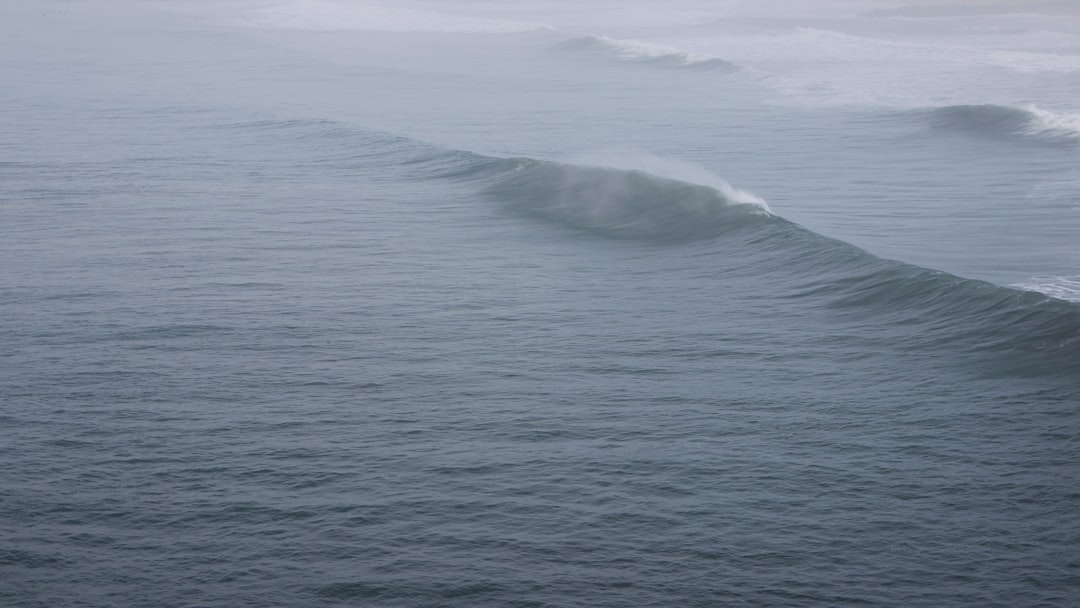
The Drake Passage, a formidable expanse of water separating the southern tip of South America from the Antarctic Peninsula, is renowned for its tempestuous weather and challenging sea conditions. For centuries, mariners have navigated its treacherous waters, encountering everything from gale-force winds to towering waves. Among the myriad hazards inherent to this region, the phenomenon of rogue waves stands as a particularly potent and unpredictable threat. This article will delve into the nature of rogue waves in the Drake Passage, dissecting the mechanisms of their formation, the risks they pose, and the strategies employed to mitigate their impact.
Rogue waves, often termed “monster waves” or “freak waves,” are defined as waves that are more than twice the significant wave height (the average height of the highest one-third of waves in a given sea state). Unlike tsunamis, which are generated by seismic activity, rogue waves are spontaneous oceanic events, emerging from the surrounding wave field with little to no warning. In the Drake Passage, several factors coalesce to create an environment conducive to their generation. Learn about the history and engineering marvel of the Panama Canal in this informative video.
The Dynamics of Rogue Wave Formation
The formation of rogue waves is a complex interplay of various oceanographic and meteorological phenomena. While no single mechanism entirely explains their genesis, several theories are widely accepted.
Nonlinear Wave Interaction (Focusing)
One primary mechanism is nonlinear wave interaction, often referred to as wave focusing. In a complex sea state, waves of different heights, periods, and directions can interact constructively. When multiple wave trains, generated by different storm systems or propagating at varying speeds, converge in a particular area, their crests can superimpose, leading to a localized amplification of wave height. The Drake Passage, with its consistent exposure to intense low-pressure systems moving eastward around Antarctica, frequently experiences such multi-directional wave fields. These systems generate powerful swells that propagate into the Passage, creating a fertile ground for constructive interference.
Current-Wave Interaction
The interaction of ocean currents with existing wave fields is another significant contributor. The Antarctic Circumpolar Current (ACC), the most powerful ocean current on Earth, flows eastward through the Drake Passage unimpeded by landmasses. When strong waves propagate against or obliquely to this swift current, the interaction can dramatically steepen and shorten the wavelength of the waves. This reduction in wavelength, coupled with the conservation of wave energy, leads to a significant increase in wave height. Imagine a river flowing forcefully, and then introducing an obstacle; the water piles up against it. Similarly, waves pushing against the formidable ACC can be “piled up,” their energy concentrated into a more imposing form.
Wind-Wave Generation and Dispersion
The relentless, strong winds characteristic of the “Furious Fifties” and “Screaming Sixties” latitudes, which encompass the Drake Passage, play a crucial role in initial wave generation and continued growth. These sustained winds transfer energy to the ocean surface, creating robust wave fields. As these waves travel, they disperse, meaning waves of different periods travel at different speeds. However, under specific conditions, particularly in areas of strong focusing or current interaction, this dispersion can be temporarily disrupted, allowing for the formation of abnormal waves.
Shoaling Effects (Lesser Extent)
While shoaling effects are more commonly associated with coastal areas, the bathymetry of the Drake Passage, though deep, is not entirely uniform. Underwater ridges and seamounts can locally influence wave propagation, and while not a primary driver of rogue waves in the open ocean of the Passage, localized bathymetric features can potentially contribute to wave amplification if other conditions are met.
Rogue waves pose a significant risk in the Drake Passage, an area known for its treacherous waters and unpredictable weather patterns. These massive waves can appear suddenly and are often much larger than surrounding waves, making them particularly dangerous for vessels navigating through this region. For more detailed insights into the risks associated with rogue waves in the Drake Passage, you can read the related article found here: Rogue Wave Risk in the Drake Passage.
The Perils of Rogue Waves for Vessels
The sudden and unpredictable nature of rogue waves makes them an exceptionally dangerous phenomenon for any vessel traversing the Drake Passage. Unlike typical large waves, which ships are designed to ride over, rogue waves present a unique and severe threat.
Structural Damage and Capsizing Potential
A conventional vessel, even one designed for heavy seas, is engineered to withstand a certain level of wave action. However, a rogue wave, with its extreme height and often steep face, can exceed these design parameters. The sheer volume and force of water impacting the bow or superstructure can inflict devastating structural damage, including cracked hulls, collapsed deckhouses, and ripped-off equipment. In extreme cases, if a rogue wave breaks over the deck or strikes the vessel at an unfavorable angle, it can lead to immediate capsizing, particularly for smaller or less stable vessels. The rapid change in buoyancy and the overwhelming force can destabilize a ship faster than its inherent righting moment can compensate.
Loss of Propulsion and Steering
The violent impact of a rogue wave can critically damage vital ship systems. Engines can be swalled by water, leading to immediate power loss. Steering mechanisms, particularly rudders and propellers, are highly vulnerable to the immense forces exerted by such waves. Loss of propulsion and steering in the Drake Passage leaves a vessel adrift in one of the world’s most hostile environments, significantly increasing the risk of further damage, loss of control, and ultimately, sinking.
Human Injury and Loss of Life
Beyond structural damage, rogue waves pose a direct threat to human life. Crew members on deck exposed to a breaking rogue wave face the risk of being swept overboard, suffering severe blunt force trauma, or being trapped within damaged sections of the ship. Even below deck, the violent motion caused by an impact can lead to falls, collisions with fixtures, and other injuries. The sudden, unannounced nature of these waves leaves little time for preparation, exacerbating the danger to personnel.
Strategies for Mitigating Rogue Wave Risk
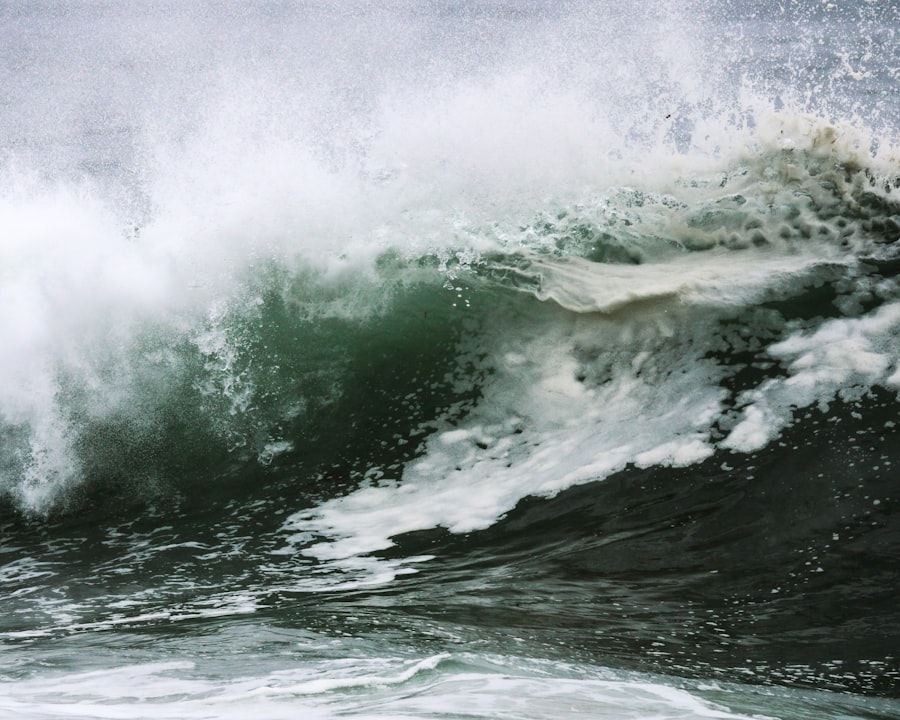
Given the inherent unpredictability and destructive potential of rogue waves, mitigation strategies focus on a combination of forecasting, ship design, and operational procedures. While complete rogue wave avoidance remains elusive, these measures significantly reduce risk.
Advanced Forecasting and Monitoring
Technological advancements in oceanography and meteorology are continually improving our ability to predict sea states and, by extension, areas where rogue wave formation is more likely.
Satellite and Buoy Data
Satellite altimetry provides crucial data on significant wave heights across vast oceanic regions. Coupled with data from an expanding network of ocean buoys, which measure wave height and period in real-time, this information allows meteorologists to generate more accurate wave forecasts. Operators of vessels traversing the Drake Passage meticulously monitor these forecasts, looking for indicators of extreme sea states or converging wave systems.
Numerical Wave Models
Sophisticated numerical wave models, such as the WaveWatch III model, assimilate vast amounts of observational data and meteorological inputs to simulate wave propagation and predict future sea states. These models can, with increasing accuracy, identify areas where wave energy is consolidating and where the conditions for rogue wave generation are more favorable. While they cannot predict the exact timing and location of a singular rogue wave, they can highlight “hotspots” where vigilance is paramount.
Onboard Radar Systems (Emerging Technologies)
The development of onboard radar systems capable of detecting incoming waves and even identifying potentially anomalous wave forms is an active area of research. These systems, once fully implemented and robust, could provide invaluable short-term warnings to vessels, allowing for immediate evasive action or emergency preparations. Imagine a ship’s radar not just seeing other vessels or land, but literally “seeing” the shape and size of approaching waves in remarkable detail.
Ship Design and Construction Standards
The design and construction of vessels operating in the Drake Passage are critical in enhancing their resilience against extreme wave events.
Enhanced Hull Strength and Freeboard
Ships destined for Antarctic waters are often built to higher classification standards, incorporating increased hull plating thickness, stronger internal framing, and robust watertight compartments. Higher freeboard (the distance from the waterline to the main deck) provides a greater margin of safety against waves breaking over the deck, reducing the likelihood of water ingress and damage to deck equipment.
Bow and Superstructure Reinforcement
Areas highly susceptible to wave impact, such as the bow and the forward superstructure, receive special attention during design. This includes additional reinforcement, stronger windows and doors, and the careful positioning of critical equipment to minimize exposure. The bridge, being the command center, is particularly protected.
Stability and Seakeeping Characteristics
Vessels operating in high seas are designed with optimal stability characteristics to recover quickly from rolling and pitching motions. Good seakeeping refers to a vessel’s ability to maintain its course and speed in adverse weather without excessive motion, thereby minimizing stress on the structure and providing a safer environment for those on board. This includes hull forms that dissipate wave energy effectively and robust ballasting systems for trim and stability control.
Operational Procedures and Crew Training
Even with advanced forecasting and robust ship design, human preparedness remains a cornerstone of rogue wave risk mitigation.
Route Planning and Evasion Tactics
Experienced navigators meticulously plan their routes through the Drake Passage, often seeking windows of calmer weather or attempting to circumnavigate areas predicted to experience particularly severe sea states. If a rogue wave “hotspot” is identified, they may opt to delay passage or alter course to avoid the worst conditions. Even when a precise rogue wave warning isn’t possible, prudent route planning involves keeping the vessel in deeper water and away from areas where current-wave interactions are known to be severe.
Vessel Speed and Heading Adjustments
When confronted with challenging seas, adjusting vessel speed and heading is a fundamental strategy. Reducing speed lessens the impact force of waves. Changing heading, even slightly, can alter how the vessel encounters waves – for instance, taking waves more “on the bow” rather than broadside can improve stability and reduce rolling, though it can also increase slamming. The captain’s experience and judgment are paramount in making these real-time decisions, navigating a delicate balance between safety and maintaining progress.
Securement of Equipment and Personnel Safety
Prior to entering known rough waters, all loose equipment on deck and below deck must be rigorously secured to prevent it from becoming flying projectiles during violent motion. Watertight doors and hatches are sealed. All personnel are briefed on safety procedures, including the use of safety harnesses when on deck and remaining in designated safe areas below deck. During extreme conditions, non-essential personnel are often instructed to remain in their cabins. This preparation acts as a critical buffer, mitigating secondary risks that arise from overwhelming forces.
The Continuing Quest for Understanding

Despite significant progress, the study of rogue waves is an ongoing scientific endeavor. The Drake Passage serves as a natural laboratory for researchers, offering unparalleled opportunities to observe and analyze these formidable ocean phenomena. Ongoing research utilizing advanced sensors, such as lidars and specialized radar systems, aims to refine our understanding of their formation mechanisms and improve predictive capabilities. The ultimate goal is to move beyond statistical prediction towards real-time, deterministic forecasts of individual rogue wave events, thereby further enhancing safety for those who dare to navigate the tempestuous waters of the Drake Passage. As you, the reader, consider the power of the ocean, remember that even in the face of such overwhelming forces, human ingenuity persistently strives to understand, adapt, and ultimately, endure.
WATCH THIS 🔥 YOUR BILL JUST WENT UP: The $50 Billion Panama Canal Lie
FAQs
What is a rogue wave?
A rogue wave is an unusually large and unexpected ocean wave that can be extremely dangerous to ships and offshore structures. These waves are significantly higher than the surrounding waves and can appear suddenly without warning.
Why is the Drake Passage known for rogue waves?
The Drake Passage, located between South America and Antarctica, is known for its strong winds, powerful currents, and rough seas. These conditions contribute to the formation of rogue waves, making the area particularly risky for maritime navigation.
How do rogue waves form in the Drake Passage?
Rogue waves in the Drake Passage form due to a combination of factors including strong wind speeds, ocean currents converging, and the unique topography of the seafloor. These elements can cause wave energy to focus and create exceptionally large waves.
What risks do rogue waves pose to vessels in the Drake Passage?
Rogue waves can cause severe damage to ships, including capsizing, structural damage, and loss of cargo. The unpredictable nature of these waves increases the danger for vessels navigating the Drake Passage, especially smaller or less sturdy ships.
Are there measures to predict or mitigate rogue wave risks in the Drake Passage?
While predicting rogue waves remains challenging, advances in satellite monitoring, wave modeling, and weather forecasting have improved awareness of conditions that may lead to rogue waves. Mariners are advised to use updated weather information and avoid the Drake Passage during severe weather to reduce risk.