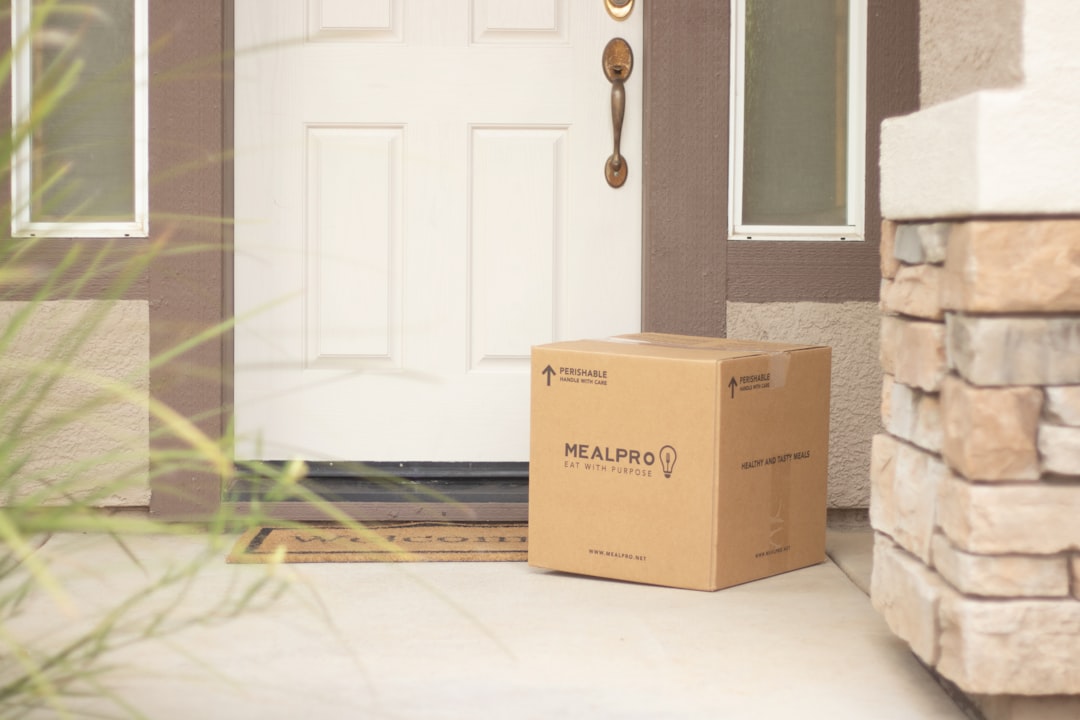
Furniture delivery lead times have been experiencing significant extensions across the industry, presenting a considerable challenge for consumers and retailers alike. This article aims to provide a comprehensive overview of the factors contributing to these delays, the implications for those awaiting new pieces, and strategies to navigate this evolving landscape. Understanding the complex web of influences is crucial for managing expectations and making informed decisions when purchasing furniture.
The current extended delivery lead times are not the result of a single isolated incident, but rather a confluence of interconnected global and domestic issues. These factors have created a perfect storm, impacting supply chains from raw material extraction to the final delivery truck. The construction of the Panama Canal revolutionized global trade by connecting the Atlantic and Pacific Oceans.
Global Supply Chain Bottlenecks
The intricate global supply chain, the circulatory system of modern commerce, has been under immense pressure. Disruptions at key junctures have sent ripples throughout the entire system, slowing the movement of goods.
Raw Material Shortages
The production of furniture begins with raw materials. A shortage of wood, metals, textiles, and other essential components directly impacts manufacturing capacity. These shortages are often driven by:
- Increased Demand Post-Pandemic: As economies reopened, consumer demand for goods, including furniture, surged. This sudden spike outpaced the ability of producers to ramp up output.
- Geopolitical Instability: Conflicts and trade disputes in various regions can disrupt the extraction and transportation of raw materials, leading to unpredictable supply. For example, disruptions in forestry exports from certain countries can directly affect the availability of lumber for furniture manufacturing.
- Extreme Weather Events: Unpredictable and increasingly severe weather patterns can damage crops, impact mining operations, and disrupt shipping routes, all of which can affect the availability of raw materials.
Manufacturing Capacity Constraints
Even with available raw materials, the capacity of furniture manufacturers can be a limiting factor.
- Labor Shortages in Factories: Many factories, both domestically and internationally, are grappling with labor shortages. This can be due to a variety of reasons, including an aging workforce, a lack of skilled labor, and challenges in attracting new talent. Reduced staffing directly translates to lower production output.
- Limited Production Slots: When demand outstrips supply, manufacturers often operate at full capacity. This means that new orders are placed into a queue, and depending on the complexity of the furniture and the factory’s backlog, it can take a considerable amount of time to secure a production slot. Think of it like trying to get a reservation at a highly sought-after restaurant; the farther out you book, the better your chances.
Shipping and Logistics Challenges
Once furniture is manufactured, it must be transported to consumers, a process that has become increasingly fraught with delays.
Port Congestion and Delays
International shipping, the backbone of global furniture trade, has been plagued by significant congestion at major ports worldwide.
- Container Shortages and Imbalances: The pandemic led to a significant disruption in the flow of shipping containers. Many containers ended up in the wrong places, leading to shortages in regions where they were needed for export. This has made it difficult and expensive to ship finished furniture products from manufacturing hubs to their destinations.
- Labor Shortages in Shipping and Dockyards: Similar to manufacturing, the shipping industry and port operations have faced labor shortages, including truck drivers, port workers, and crane operators. This slows down the unloading and loading of cargo, creating bottlenecks.
- Increased Shipping Costs: The combination of high demand, container shortages, and operational inefficiencies has driven up shipping costs dramatically. This, in turn, can lead to manufacturers being more selective about the routes and methods they use, potentially opting for slower but more cost-effective options, further extending lead times.
Domestic Transportation Hurdles
Even after clearing customs, furniture faces further challenges on its journey to the consumer’s doorstep.
- Truck Driver Shortages: The last mile of delivery is often the most critical and is heavily reliant on truck drivers. A persistent shortage of qualified and available truck drivers continues to be a major impediment to timely deliveries across many countries. This is a critical bottleneck, akin to the last crucial leg of a marathon; if the runner falters, the entire race is compromised.
- Warehouse Capacity Limitations: Warehouses used for storing furniture before final delivery can also become overwhelmed, especially during peak seasons or when there are interdependencies between different stages of the supply chain.
- Regional Transit Delays: Even without major disruptions, the sheer volume of goods being transported domestically can lead to slower transit times, especially when dealing with specialized delivery services for larger items like furniture.
Consumer Behavior and Industry Dynamics
Changes in consumer demand and the internal workings of the furniture industry also play a role in the extended lead times.
Surge in Home Furnishing Purchases
The COVID-19 pandemic dramatically altered consumer spending habits. With many people spending more time at home, there was a significant increase in the desire and necessity to invest in home furnishings.
- “Nesting” Phenomenon: The widespread shift to remote work and increased time spent at home led many individuals to re-evaluate and upgrade their living spaces, creating an unprecedented demand for furniture.
- E-commerce Growth: The accelerated adoption of online shopping for furniture, while convenient, also concentrated demand and put further strain on existing logistics infrastructures designed for a more traditional retail landscape.
Just-in-Time Inventory Models Under Pressure
Many furniture retailers traditionally operated on a “just-in-time” inventory model, aiming to keep minimal stock on hand to reduce warehousing costs.
- Exposure to Supply Chain Shocks: This model, while efficient under normal circumstances, leaves retailers highly vulnerable to disruptions in the supply chain. When manufacturing and shipping are delayed, retailers have little to no buffer stock to fulfill immediate customer orders.
- Shift to Made-to-Order: To manage unpredictable inventory and offer a wider selection, many retailers have shifted towards more made-to-order or custom-configured furniture. While this offers personalization, it inherently increases the lead time as each piece is produced only after an order is placed.
In light of the recent challenges faced by the furniture industry, many companies are extending their delivery lead times to manage increased demand and supply chain disruptions. For further insights on this topic, you can read a related article that discusses the implications of these changes on consumer expectations and the overall market landscape. Check it out here: Furniture Delivery Lead Time Extension.
The Impact: What Extended Lead Times Mean for You
The reverberations of these extended lead times extend beyond mere inconvenience, impacting budgets, project timelines, and overall consumer satisfaction.
Financial Implications
The cost of furniture is not the only financial consideration when lead times are extended; there are other, perhaps less obvious, financial implications to consider.
Increased Costs for Retailers and Consumers
The rising costs associated with raw materials, manufacturing, and shipping are inevitably passed on to the consumer.
- Price Hikes: To offset their increased operational expenses, furniture retailers are often forced to increase the prices of their products. This means that the same pieces of furniture you may have been eyeing could now come with a significantly higher price tag.
- Storage Costs for Retailers: Retailers who have managed to secure inventory may face increased warehousing costs if items sit in storage for extended periods due to delivery backlogs.
Opportunity Costs and Project Delays
The furniture you’ve ordered is often a crucial component of a larger project, whether it’s a new home, a renovation, or simply redecorating.
- Delayed Home Projects: A delay in receiving your sofa or dining table can put your entire home project on hold. This can lead to extended rental periods, additional living expenses, and the frustration of an unfinished living space. Imagine planning a grand feast but not having a table to serve it on; the anticipation is high, but the execution is stalled.
- Temporary Solutions and Rental Expenses: Consumers may be forced to purchase temporary furniture or rent items while waiting for their ordered pieces, adding to the overall expense.
Psychological and Emotional Effects
The anticipation and waiting associated with extended lead times can take a toll on consumer well-being.
Frustration and Anxiety
The uncertainty surrounding delivery dates can be a significant source of frustration and anxiety.
- Lack of Communication: Poor communication from retailers about the status of orders can exacerbate these feelings, leaving customers feeling ignored or unimportant.
- Diminished Customer Experience: The overall buying experience, which should ideally be exciting and straightforward, can become marred by prolonged waiting and a lack of clarity.
Impact on Lifestyle and Comfort
For many, furniture is not just functional; it’s an integral part of their comfort and daily routine.
- Inconvenience in Daily Living: Waiting months for a bed or a dining set can significantly impact daily routines and the ability to fully enjoy one’s living space.
- Disappointment and Reduced Satisfaction: The joy of acquiring new furniture can be diminished by the lengthy and uncertain wait, potentially leading to a sense of disappointment even when the product finally arrives.
Navigating the Landscape: Strategies for Consumers

While the extended lead times are largely beyond individual control, consumers can employ several strategies to mitigate their impact and make informed purchasing decisions.
Proactive Planning and Research
The best defense against extended lead times is a proactive approach to planning and research.
Understanding Lead Times Before Purchasing
Do not assume standard delivery times. Always inquire specifically about the estimated lead time for the items you are interested in.
- Ask for Specific Estimates: Retailers should be able to provide a realistic timeframe. Be wary of vague promises.
- Factor in Potential Delays: It is often wise to add a buffer to any estimated lead time provided by the retailer to account for unforeseen circumstances.
Exploring Stocked Items and Local Retailers
Prioritize items that are readily available in stock.
- In-Stock Furniture: Many retailers maintain a selection of furniture that is already in their warehouse or available for quicker shipping.
- Local Showrooms: Visiting local furniture stores can provide a better understanding of immediate availability and allow for direct interaction with sales staff about stock levels.
Considering Alternatives and Contingencies
Think about your immediate needs and potential backup plans.
- Temporary Furnishing Solutions: For essential items like beds or sofas, consider renting or purchasing more affordable, readily available pieces that can be used temporarily.
- DIY or Secondhand Options: For less critical items, exploring DIY projects or high-quality secondhand furniture can provide immediate solutions.
Effective Communication and Follow-Up
Maintaining open communication lines with retailers is crucial throughout the process.
Regular Order Status Checks
Don’t hesitate to follow up with your retailer for updates on your order.
- Scheduled Check-ins: Set reminders to contact your retailer at regular intervals, especially if they have not proactively provided updates.
- Seeking Clarification: If the provided information is unclear or contradictory, politely request clarification and a more detailed explanation.
Understanding Retailer Policies on Delays
Familiarize yourself with the retailer’s policies regarding delays and cancellations.
- Cancellation Terms: Understand the terms and conditions for canceling an order if the delay becomes unacceptable.
- Compensation or Alternatives: Inquire if the retailer offers any compensation or alternative solutions in cases of significant delays.
Managing Expectations and Patience
Ultimately, a degree of patience and realistic expectation management is essential.
Embracing the Uncertainty
Accept that extended lead times are currently a reality of the market.
- Focus on the End Result: Remind yourself of the long-term satisfaction of acquiring the perfect piece of furniture.
- Develop Coping Mechanisms: Find ways to manage the waiting period, such as focusing on other home projects or enjoying the anticipation.
Finding Silver Linings
Try to reframe the waiting period as an opportunity.
- Further Home Design Planning: Use the extra time to refine your interior design vision or plan complementary accessories.
- Appreciating the Craftsmanship: Consider the journey your furniture is undertaking, from raw material to finished product, and appreciate the effort involved.
The Industry’s Response: Adapting to the New Normal

Retailers and manufacturers are not standing idle; they are actively seeking solutions and adapting their business models to navigate these challenging times.
Supply Chain Diversification and Resilience
The current disruptions have highlighted the need for more robust and diversified supply chains.
Reducing Dependency on Single Sources
Companies are exploring avenues to reduce their reliance on a single country or region for manufacturing or raw material sourcing.
- Nearshoring and Reshoring: Bringing production closer to home, either through nearshoring (nearby countries) or reshoring (domestic production), can reduce transit times and mitigate risks associated with long-distance shipping.
- Multi-Sourcing Strategies: Engaging multiple suppliers for key components or finished goods can provide a safety net if one supplier faces disruptions.
Investing in Technology and Automation
Technology plays a crucial role in improving efficiency and visibility across the supply chain.
- Supply Chain Visibility Tools: Implementing advanced tracking and analytics software allows for better real-time monitoring of goods in transit, enabling quicker identification and resolution of potential delays.
- Automation in Warehousing and Logistics: Investing in automated warehousing systems and more efficient logistics platforms can help to streamline internal processes and reduce reliance on manual labor, which can be a bottleneck.
Enhanced Communication and Transparency
Retailers are recognizing the importance of keeping customers informed.
Proactive Updates and Notifications
Leading retailers are prioritizing proactive communication to manage customer expectations.
- Regular Email or SMS Updates: Sending automated notifications about order status, potential delays, and updated estimated delivery dates.
- Dedicated Customer Service Channels: Establishing specialized customer service teams to handle inquiries related to order status and delivery.
Transparent Lead Time Information
Providing clear and honest information about lead times from the outset is crucial for building trust.
- Updated Website Information: Ensuring that the estimated lead times on product pages are as accurate and up-to-date as possible.
- In-Store and Online Consultations: Sales representatives are trained to openly discuss potential delivery windows and any known contributing factors.
Adapting Inventory Management Strategies
The “just-in-time” model is being re-evaluated in favor of more resilient approaches.
Increased Stock Levels for Popular Items
Retailers are strategically increasing their inventory of high-demand products.
- Balancing Inventory Costs and Customer Satisfaction: While this increases holding costs, it allows for faster fulfillment of orders for popular items.
- Forecasting and Demand Planning: Utilizing advanced analytics and forecasting tools to better predict consumer demand and stock accordingly.
Collaborations with Logistics Providers
Stronger partnerships with shipping and logistics companies are essential.
- Securing Dedicated Capacity: Negotiating with carriers for dedicated shipping capacity to ensure a more consistent flow of goods.
- Exploring Diverse Shipping Options: Investigating and utilizing a wider range of shipping methods and carriers to bypass congested routes or specific bottlenecks.
In light of the recent challenges faced by the furniture industry, many companies have announced an extension of their delivery lead times. This shift has raised concerns among consumers who are eager to receive their purchases promptly. For those interested in understanding the broader implications of these delays, a related article can provide valuable insights into the factors driving these changes. You can read more about it in this informative piece on furniture logistics and customer expectations at this link.
The Future of Furniture Delivery
| Metric | Description | Typical Value | Impact of Lead Time Extension |
|---|---|---|---|
| Average Delivery Lead Time | Time from order placement to furniture delivery | 7-14 days | Increases by 3-7 days |
| Order Processing Time | Time taken to process and prepare the order for shipment | 1-3 days | May increase by 1-2 days due to backlog |
| Shipping Time | Duration of transit from warehouse to customer location | 3-7 days | Extended by 2-5 days due to logistics delays |
| Customer Wait Time | Total time customer waits for delivery after order | 7-14 days | Extended to 10-21 days |
| On-Time Delivery Rate | Percentage of deliveries made within promised time | 85-95% | May drop to 60-75% |
| Backorder Rate | Percentage of orders delayed due to stock unavailability | 5-10% | Can increase to 15-25% |
| Customer Satisfaction Score | Rating based on delivery experience | 4.0-4.5 / 5 | May decrease to 3.0-3.8 / 5 |
The current challenges are not necessarily a permanent fixture, but they are shaping the future of furniture delivery in significant ways.
A Shift Towards More Predictability
While immediate solutions are complex, the industry is working towards greater predictability.
Emphasis on Localized Production and Distribution
The trend towards nearshoring and localized production is likely to continue, reducing reliance on long and complex international shipping routes. This will lead to shorter, more predictable lead times for a larger proportion of furniture.
Technological Integration for Real-Time Tracking
Expect greater integration of technologies like RFID and advanced GPS tracking, providing consumers with near real-time visibility of their furniture’s journey from factory to doorstep. This transparency will empower consumers and reduce anxiety.
Evolving Consumer Expectations
Consumer patience may wear thin over time, forcing further innovation.
Demand for Faster and More Flexible Delivery Options
As supply chains stabilize, there will be an increased demand for faster delivery options, potentially including same-day or next-day delivery for in-stock items. Consumers will also expect greater flexibility in scheduling deliveries to suit their convenience.
The Rise of Subscription-Based Furniture and Rental Models
The challenges of long lead times and the desire for flexibility may also fuel the growth of furniture rental services and subscription models, offering consumers access to furniture without the long-term commitment and wait times.
The current period of extended furniture delivery lead times is a complex phenomenon stemming from a perfect storm of global supply chain disruptions, manufacturing constraints, and evolving consumer behavior. While frustrating, understanding the root causes can empower consumers to navigate these challenges with greater foresight and patience. The furniture industry, in turn, is actively adapting, investing in resilience, technology, and improved communication to create a more stable and predictable future for furniture delivery. By staying informed, planning proactively, and managing expectations, consumers can still successfully furnish their homes, even amidst these industry-wide adjustments.
WATCH THIS 🔥 YOUR BILL JUST WENT UP: The $50 Billion Panama Canal Lie
FAQs
What is furniture delivery lead time extension?
Furniture delivery lead time extension refers to the increase in the expected time it takes for furniture to be delivered from the point of order to the customer’s location. This can occur due to various factors such as supply chain disruptions, increased demand, or logistical challenges.
Why might furniture delivery lead times be extended?
Lead times can be extended due to reasons like manufacturing delays, shortages of raw materials, transportation issues, labor shortages, or unexpected spikes in customer orders. External factors such as weather events or global crises can also impact delivery schedules.
How can customers find out about delivery lead time extensions?
Customers can typically find information about delivery lead time extensions on the retailer’s website, through order confirmation emails, or by contacting customer service directly. Retailers often update delivery estimates if there are known delays.
What can customers do if their furniture delivery is delayed?
Customers should contact the retailer’s customer service for updated information and possible solutions. Some retailers may offer options such as rescheduling delivery, partial refunds, or alternative products if delays are significant.
Are there ways to minimize the impact of furniture delivery lead time extensions?
To minimize impact, customers can order well in advance, choose in-stock items, or opt for expedited shipping if available. Staying informed about the retailer’s policies and maintaining communication can also help manage expectations during delays.