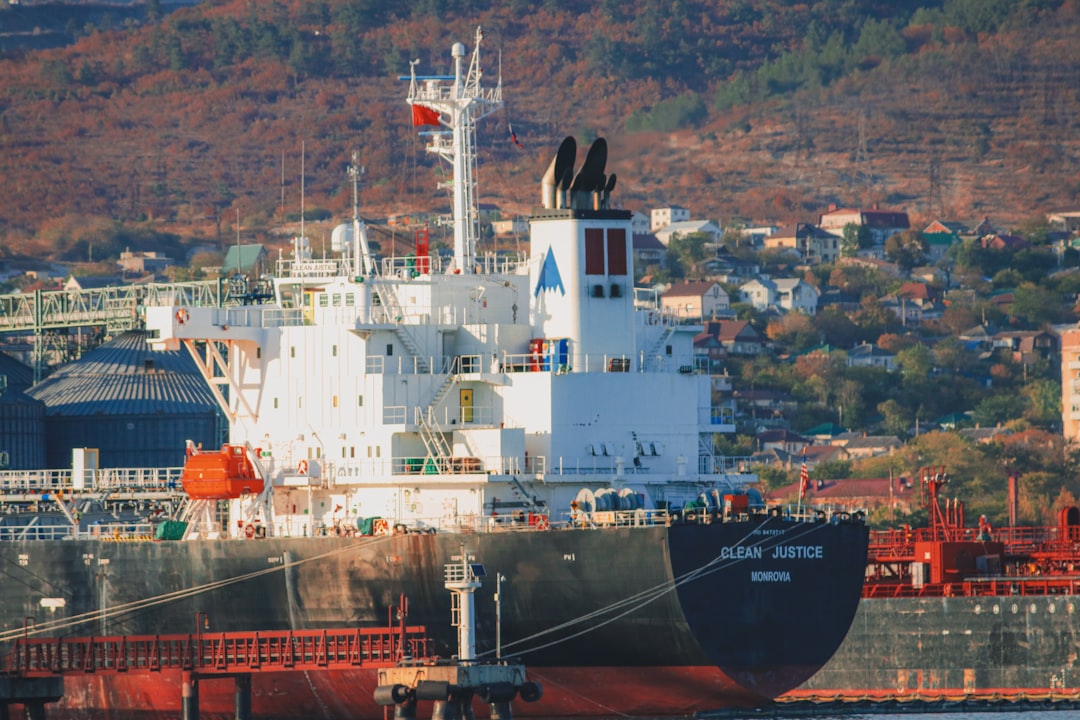
Bulk carriers, the workhorses of global trade, transport vast quantities of unpackaged raw materials such as iron ore, grain, and coal across oceans. Their profit margins, often perceived as monolithic, are in reality subject to the fine-grained influence of operational decisions, most notably rerouting. The economics of bulk carrier rerouting are a complex interplay of costs, revenues, and external factors, demanding sophisticated analysis to maximize profitability. This article explores the economic rationale and practical considerations behind such redecisions.
Rerouting, in the context of bulk shipping, refers to the practice of altering a vessel’s pre-planned course or destination. This maneuver is not undertaken lightly, as it carries inherent costs and risks. However, the potential for significant financial gain often outweighs these deterrents, turning rerouting into a strategic tool for maximizing profit. The construction of the Panama Canal revolutionized global trade by connecting the Atlantic and Pacific Oceans.
Responding to Market Fluctuations
The commodities market is a dynamic entity, characterized by rapid shifts in supply and demand. A sudden surge in demand for a particular commodity in a specific region, or a disruption in an alternative supply chain, can drive up prices substantially.
Capitalizing on Price Differentials
Consider a bulk carrier laden with iron ore, originally destined for a European port. During its voyage, an industrial boom in Southeast Asia creates an unforeseen spike in iron ore prices in that region, eclipsing the European market price. Rerouting the vessel to the higher-paying Asian port, even with added fuel costs and potential charter penalties, may yield a significantly greater profit. This is a classic arbitrage opportunity, where the carrier leverages geographic price discrepancies.
Mitigating Price Declines
Conversely, a sudden oversupply or economic downturn in an intended destination market can depress prices. In such scenarios, rerouting to an alternative, more stable market, even one offering a slightly lower immediate return, can prevent substantial losses. This acts as a risk mitigation strategy, preserving capital and maintaining profitability in volatile environments.
Optimizing Operational Efficiency
Beyond market prices, operational factors play a crucial role in the rerouting decision. Even incremental improvements in efficiency can translate into substantial savings over a long voyage or across a fleet.
Avoiding Congestion and Delays
Port congestion, a perennial challenge in global shipping, can lead to costly demurrage charges – fees incurred for delays beyond the agreed loading or unloading time. A vessel idling outside a congested port represents a significant drain on resources, consuming fuel and delaying subsequent charters. Rerouting to a less congested port, even if it requires additional inland transport for the cargo, can prove economically advantageous. This is akin to navigating a traffic jam by taking a longer, but faster, alternate route.
Leveraging Weather and Sea Conditions
Adverse weather, such as storms or strong head currents, can significantly increase fuel consumption and prolong transit times. Real-time weather forecasting allows carriers to identify and bypass such conditions. Rerouting to a slightly longer, but calmer, route can lead to fuel savings and ensure timely delivery, thereby avoiding potential penalties for late arrival. This is analogous to a skilled driver adjusting their route to avoid hazardous road conditions.
Minimizing Bunkering Costs
Fuel, or “bunker” fuel, represents a substantial portion of a bulk carrier’s operating expenses. Bunker prices vary significantly across different ports and regions due to local taxes, supply and demand dynamics, and geopolitical factors. Rerouting to a port with lower bunker prices, even if it adds a small deviation to the overall journey, can result in considerable cost savings. This requires sophisticated fuel procurement strategies that factor in price differentials and availability.
In the context of bulk carrier rerouting economics, a related article that provides valuable insights is available at MyGeoQuest. This article explores the various factors influencing the decision-making process for rerouting bulk carriers, including fuel costs, port fees, and geopolitical considerations. Understanding these elements is crucial for shipping companies aiming to optimize their operations and reduce expenses in an increasingly competitive market.
The Costs and Risks of Rerouting
While the potential for profit is significant, rerouting is not without its economic drawbacks and inherent risks. A comprehensive cost-benefit analysis is paramount before making such a decision.
Direct Financial Costs
Several direct costs are immediately associated with rerouting, impacting the carrier’s bottom line.
Increased Fuel Consumption and Transit Time
The most obvious cost is the consumption of additional fuel due to a longer route. Even seemingly small detours can accumulate substantial fuel expenses over a bulk carrier’s vast distances. Furthermore, an extended transit time means the vessel is unavailable for its next charter for a longer period, impacting potential revenue. This is a direct trade-off between the immediate gain from rerouting and the opportunity cost of lost charting time.
Port Diversion Fees and Penalties
Some ports levy fees for unexpected arrivals or changes in itinerary, particularly if the rerouting was not communicated within a stipulated timeframe. Additionally, if the rerouting is due to a failure to meet a contractual obligation (e.g., late arrival at the original destination), charter party agreements may include penalties or liquidated damages clauses, further eroding profitability.
Additional Cargo Handling and Logistics Costs
If the rerouting necessitates unloading at a different port than originally intended, additional inland transportation costs (e.g., by rail, truck, or barge) may be incurred to deliver the cargo to its final destination. This can be particularly significant for bulk commodities, where infrastructure for onward transport might be less developed at the new port.
Contractual and Reputational Risks
Beyond the direct financial implications, rerouting carries significant contractual and reputational risks that demand careful consideration.
Breach of Charter Party Agreements
A charter party is a legally binding contract between the vessel owner and the charterer, outlining the terms of the voyage, including the destination. Unauthorized rerouting can constitute a breach of this agreement, potentially leading to legal disputes, claims for damages, and even charter termination. Clear communication and renegotiation with the charterer are crucial to avoid such complications.
Damage to Shipper-Carrier Relationships
Even if legal repercussions are avoided, frequent or unexplained rerouting can damage the carrier’s relationship with its shippers. Reliability and predictability are highly valued in the shipping industry. A carrier perceived as unreliable or difficult to work with may face reduced future bookings, impacting its long-term revenue streams. Maintaining transparency and providing justifiable reasons for rerouting are essential for preserving trust.
Insurance Implications
Rerouting without proper notification to insurers can invalidate certain insurance policies, particularly those related to cargo and hull & machinery. This could leave the carrier exposed to significant financial losses in the event of an incident or accident during the revised voyage. Insurers need to be informed to assess the new risk profile of the journey.
Decision-Making Frameworks for Rerouting
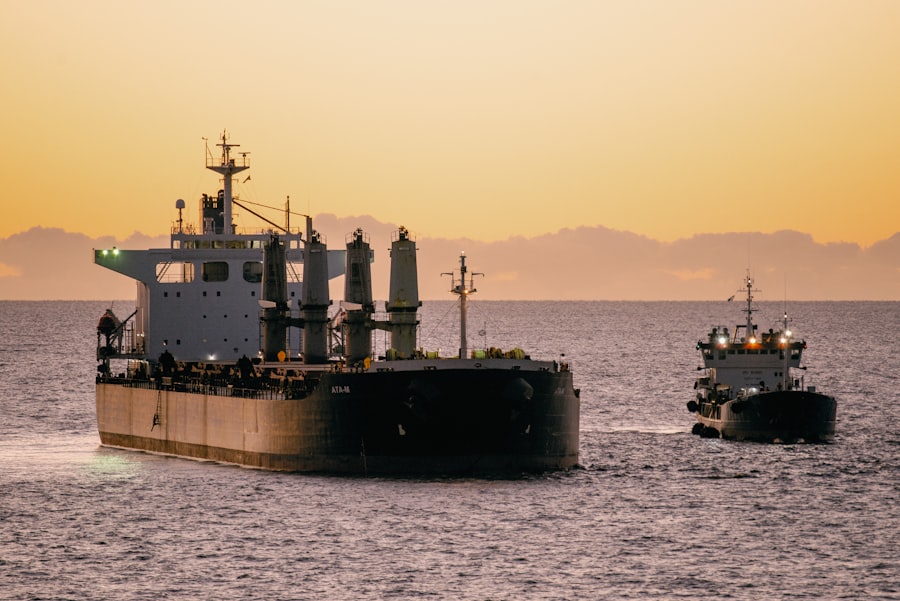
The decision to reroute a bulk carrier is a complex one, typically involving multiple stakeholders and requiring sophisticated analytical tools.
Real-time Market Intelligence and Data Analytics
Effective rerouting hinges on access to up-to-the-minute information. This includes not only commodity prices but also port congestion data, weather forecasts, bunker prices, and real-time vessel positioning.
Predictive Modeling of Commodity Prices
Sophisticated algorithms analyze historical data, market indicators, and geopolitical events to forecast future commodity price movements. These models provide decision-makers with a probabilistic assessment of potential price changes, enabling them to anticipate opportunities or threats. The more accurate these predictions, the stronger the financial basis for a rerouting decision.
Port State Control and Berth Availability Data
Access to real-time information on port congestion, including waiting times, berth availability, and ongoing and expected disruptions (e.g., strikes, equipment failures), is crucial. This data helps identify potential choke points and allows for proactive rerouting to less encumbered facilities. This is akin to a pilot having full awareness of air traffic and runway availability at various airports.
Collaborative Decision-Making Processes
The decision to reroute is rarely made in isolation. It often involves a collaborative effort among various departments within a shipping company and external partners.
Interaction with Chartering and Operations Teams
The chartering team, responsible for securing future cargo, must assess the impact of rerouting on subsequent voyages and potential revenue. The operations team, meanwhile, focuses on the practicalities of the revised route, including fuel consumption, crew schedules, and vessel maintenance. Their combined expertise provides a holistic view of the implications.
Communication with Shippers and Consignees
Transparent and timely communication with the shipper (the cargo owner) and consignee (the recipient) is paramount. Rerouting affects their supply chain and planning. Obtaining their consent, where required by contract, and managing their expectations are critical to maintaining good business relationships and avoiding disputes.
Technological Advancements Facilitating Rerouting
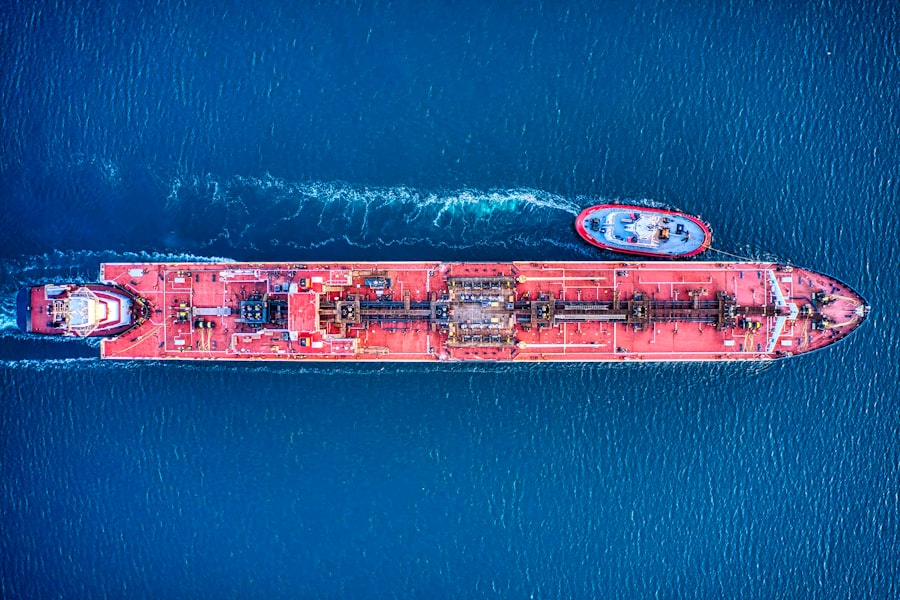
Technological innovations have significantly enhanced the capabilities for effective rerouting, making it a more efficient and data-driven process.
Satellite Communication and GPS Tracking
Real-time satellite communication allows for constant contact with vessels at sea, enabling instantaneous transmission of new orders and receipt of vessel status updates. GPS tracking provides precise location and speed data, feeding into route optimization algorithms. These technologies form the backbone of modern fleet management.
Enhanced Data Exchange for Better Decisions
The ability to transmit and receive large volumes of data facilitates more informed decision-making. Vessels can send real-time reports on fuel consumption, engine performance, and weather conditions, while shore-based teams can transmit updated market intelligence and rerouting instructions. This constant feedback loop improves the accuracy and responsiveness of rerouting strategies.
Route Optimization Software and Machine Learning
Advanced software leverages historical data, real-time feeds, and machine learning algorithms to recommend optimal routes. These tools consider a multitude of factors, far exceeding human capacity for manual calculation.
Dynamic Route Planning Algorithms
These algorithms continuously analyze variables such as weather, currents, bunker prices, port congestion, and market prices to suggest the most economically viable route. They can dynamically adjust routes in response to changing conditions, acting as an ever-vigilant co-pilot. For instance, if a sudden storm materializes, the algorithm can recommend a different course to avoid it, minimizing fuel burn and ensuring safety.
Integration with Enterprise Resource Planning (ERP) Systems
Seamless integration of rerouting software with the company’s ERP system allows for a comprehensive view of costs, revenues, and operational data. This integration streamlines accounting, invoicing, and reporting, providing a clear financial picture of each rerouting decision. This enables companies to assess the overall impact on their financial health, rather than just isolated voyage profits.
In the context of bulk carrier rerouting economics, understanding the factors that influence shipping routes is essential for optimizing operational costs. A related article that delves into the intricacies of this topic can be found at this link, where various economic models and case studies are discussed. By analyzing these models, shipping companies can make informed decisions that enhance their efficiency and profitability in an ever-evolving market.
Ethical and Environmental Considerations
| Metric | Description | Typical Values | Impact on Rerouting Decision |
|---|---|---|---|
| Fuel Consumption Rate | Amount of fuel consumed per nautical mile | 20-40 metric tons/day | Higher consumption increases rerouting cost |
| Fuel Price | Cost per metric ton of bunker fuel | 300-700 | Higher prices make longer routes less economical |
| Time Charter Rate | Daily hire rate for the vessel | 5,000-15,000 | Higher rates increase cost of longer voyages |
| Port Fees | Charges for docking and services at ports | 1,000-10,000 per port call | Additional port calls increase total costs |
| Distance Saved | Reduction in nautical miles by rerouting | 100-1,000 nautical miles | Greater savings reduce fuel and time costs |
| Delay Costs | Costs associated with late delivery | Variable, depending on contract | High delay costs discourage longer reroutes |
| Weather Impact | Effect of weather on route safety and speed | Variable | Severe weather may necessitate rerouting |
| Canal Transit Fees | Fees for passing through canals (e.g., Suez, Panama) | 50,000-500,000 | High fees may justify longer alternative routes |
While profit maximization is a primary driver, rerouting decisions must also consider ethical implications and environmental impact.
Minimizing Environmental Footprint
Longer routes necessitated by rerouting invariably lead to increased fuel consumption and, consequently, higher greenhouse gas emissions. Serious consideration must be given to the environmental cost alongside the financial gain.
Sustainable Rerouting Practices
Carriers are increasingly exploring options that balance profitability with environmental responsibility. This might involve choosing routes that, while slightly longer, encounter more favorable currents or winds, thereby offsetting some of the increased fuel consumption. The use of alternative fuels and more fuel-efficient vessel designs also plays a role in mitigating the environmental impact of rerouting. This reflects a growing understanding that long-term profitability is intertwined with sustainable practices.
Crew Welfare and Safety
Extended voyages due to rerouting can impact crew welfare, leading to fatigue and extended separation from family. Safety must always remain the paramount concern.
Ensuring Adequate Rest and Support for Crew
Shipping companies have a responsibility to ensure that rerouting decisions do not compromise crew rest periods or safety protocols. Provisions for adequate supplies, medical support, and communication with loved ones are crucial during extended journeys. This recognizes the human element at the heart of shipping operations.
In conclusion, the economics of bulk carrier rerouting are a multifaceted domain, where strategic foresight, technological prowess, and a nuanced understanding of market dynamics converge. While primarily driven by the imperative to maximize profit, prudent rerouting decisions also factor in operational efficiency, risk mitigation, and increasingly, ethical and environmental responsibilities. As global trade continues to evolve and supply chains become more intricate, the ability to effectively and intelligently reroute bulk carriers will remain a critical differentiator for success in the competitive maritime industry. For the informed operator, rerouting is not merely an optional maneuver, but a sophisticated instrument wielded with precision to navigate the turbulent seas of global commerce and steer towards sustained profitability.
WATCH THIS 🔥 YOUR BILL JUST WENT UP: The $50 Billion Panama Canal Lie
FAQs
What factors influence the decision to reroute a bulk carrier?
Key factors include fuel costs, weather conditions, port congestion, piracy risks, and the urgency of cargo delivery. Economic considerations such as charter rates and potential delays also play a significant role.
How does rerouting impact the overall cost of bulk carrier operations?
Rerouting can increase fuel consumption and voyage time, leading to higher operational costs. However, it may also reduce expenses related to port fees, avoid costly delays, or enhance safety, potentially offsetting additional costs.
What role does fuel price volatility play in bulk carrier rerouting economics?
Fuel price fluctuations significantly affect rerouting decisions. Higher fuel prices may discourage longer routes, while lower prices might make alternative routes more economically viable, influencing the balance between time and cost efficiency.
How do weather conditions affect rerouting decisions for bulk carriers?
Adverse weather such as storms or rough seas can prompt rerouting to ensure safety and prevent cargo damage. Avoiding severe weather may increase voyage distance but reduce risks and potential costs from accidents or delays.
Can rerouting improve the environmental efficiency of bulk carrier voyages?
Yes, rerouting can optimize fuel consumption and reduce emissions by avoiding congested or adverse areas, enabling more efficient speeds, and selecting routes with favorable currents, contributing to greener shipping practices.