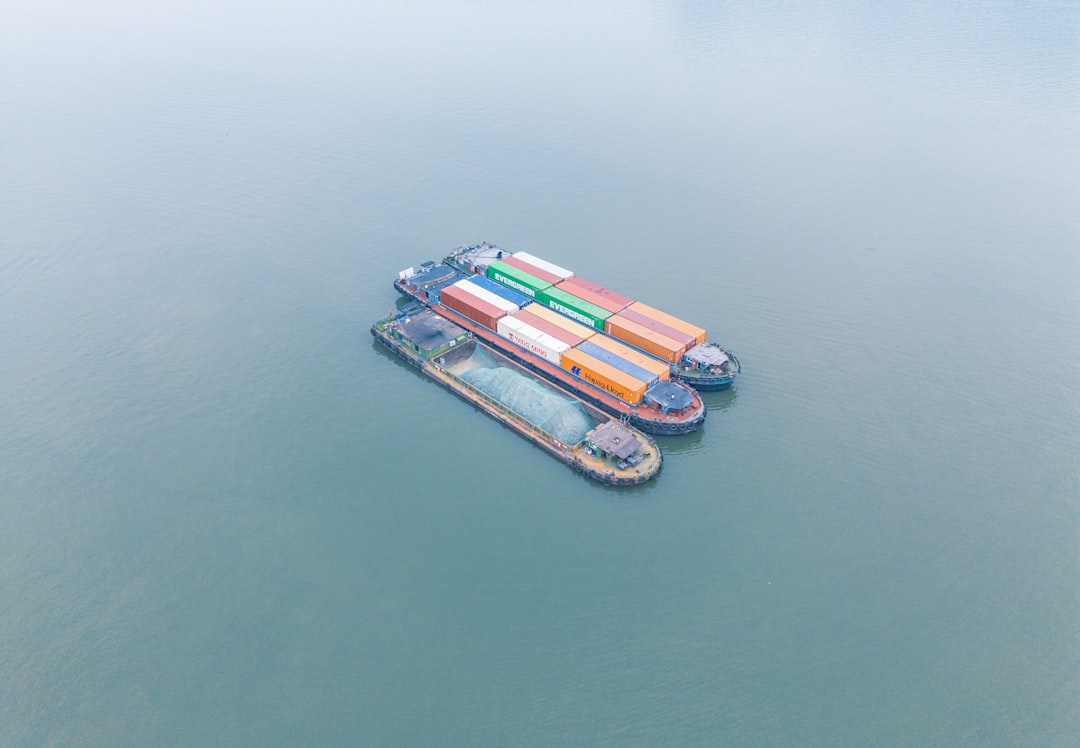
The intricate global trade network, a veritable circulatory system for vital resources, often experiences localized constrictions that reverberate outwards. One such significant chokepoint, the grain export bottleneck, has profound implications for international commodity prices and, consequently, global economic stability. This article will explore the multifarious causes, consequences, and potential ameliorative strategies associated with these export impediments.
A grain export bottleneck arises when the capacity to move agricultural commodities from production areas to international markets is insufficient to meet demand or current supply volumes. This insufficiency can manifest in various stages of the supply chain, creating a logjam that impedes the free flow of goods. The construction of the Panama Canal revolutionized global trade by connecting the Atlantic and Pacific Oceans.
Infrastructure Deficiencies
One of the primary drivers of export bottlenecks is inadequate infrastructure. Many grain-producing regions, particularly in developing nations, lack the robust transportation and storage facilities necessary for efficient export.
Limited Rail Capacity
Railways are often the most cost-effective means of transporting bulk commodities over long distances. However, in many areas, national rail networks suffer from years of underinvestment, characterized by aging rolling stock, single-track lines, and insufficient sidings. This limits the volume and speed at which grain can be moved to port.
Inadequate Road Networks
While rail handles bulk, road networks are crucial for last-mile delivery and connecting farms to railheads or smaller ports. Poorly maintained roads, often unpaved in rural areas, become impassable during adverse weather conditions, effectively severing links in the supply chain.
Port Congestion and Capacity Limitations
Even if grain successfully reaches ports, the process can falter. Insufficient berth space for vessels, outdated loading equipment, and inadequate storage facilities at port terminals can lead to lengthy delays. Ships waiting at anchor represent a significant cost, which is ultimately passed on to the consumer.
Geopolitical and Economic Disruptions
External factors, beyond infrastructural limitations, frequently contribute to or exacerbate grain export bottlenecks. These disruptions can swiftly alter supply and demand dynamics, creating unforeseen pressures on the export pipeline.
Conflict and Sanctions
Armed conflicts, as observed in various regions globally, can directly disrupt agricultural production, destroy infrastructure, and render export routes impassable. Furthermore, international sanctions imposed on specific nations can sever trade ties, thereby creating artificial bottlenecks for commodities that would otherwise flow freely.
Protectionist Policies and Trade Barriers
Governmental policies, such as export bans, tariffs, or quotas, can intentionally restrict the outflow of grain. While often implemented to ensure domestic food security or support local industries, these measures inevitably limit global supply and contribute to price volatility.
Currency Fluctuations
Significant shifts in exchange rates can make exports either prohibitively expensive or artificially cheap, thereby influencing the volume of grain traded. A sudden depreciation of a major exporter’s currency can flood the market, while an appreciation can slow exports, both scenarios contributing to market instability.
The recent grain export bottleneck has significantly impacted commodity prices, leading to increased costs for consumers and challenges for farmers. For a deeper understanding of the factors contributing to this situation, you can read a related article that explores the complexities of global grain supply chains and their effects on market dynamics. To learn more, visit this article.
Repercussions on Global Commodity Prices
The direct consequence of grain export bottlenecks is an upward pressure on commodity prices. When the flow of a vital agricultural product is constrained, its scarcity in the international market increases, leading buyers to bid higher.
Supply Shocks and Volatility
Bottlenecks act as a form of “supply shock,” suddenly reducing the available quantity of grain on the global market. This abrupt reduction creates an imbalance between supply and demand, causing prices to surge.
Futures Market Speculation
The anticipation of future supply constraints, fueled by reports of bottlenecks, often leads to increased activity in futures markets. Speculators, seeing potential for price increases, may buy up contracts, further driving up prices even before the physical supply shortage fully manifests.
Increased Shipping and Insurance Costs
Delays at ports, longer transit times due to rerouting around conflict zones, and higher risks associated with certain export routes directly translate into increased shipping and insurance costs. These additional expenses are invariably incorporated into the final price of the commodity.
Food Security Implications
Perhaps the most critical impact of elevated grain prices due to bottlenecks is on global food security. A substantial portion of the world’s population relies on imported grain for staple foods.
Disproportionate Impact on Vulnerable Nations
Low-income, food-importing nations are particularly vulnerable to price spikes. Their limited fiscal space makes it difficult to absorb higher costs, often leading to increased domestic food prices, reduced purchasing power for households, and heightened risk of food insecurity and malnutrition.
Social Unrest and Political Instability
Historically, sharp increases in food prices have been a catalyst for social unrest and political instability. When basic necessities become unaffordable, public dissatisfaction can escalate, sometimes leading to widespread protests and civil disturbances.
Mitigation Strategies and Future Outlook
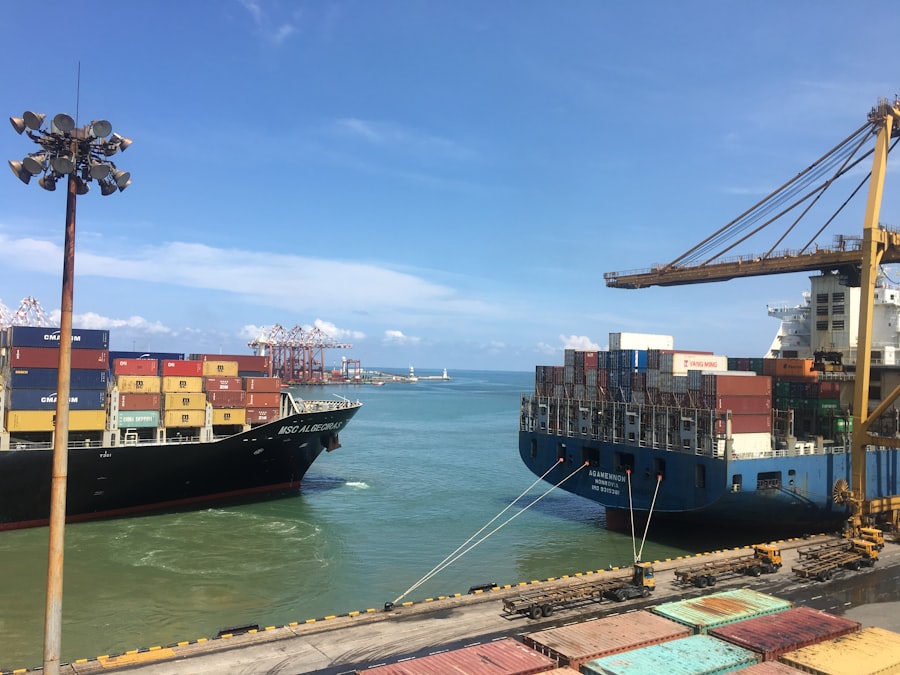
Addressing grain export bottlenecks requires a multi-faceted approach, encompassing infrastructure development, policy adjustments, and international cooperation.
Infrastructure Investment and Modernization
Long-term solutions largely hinge on significant investment in and modernization of export infrastructure. This includes strategic planning and international partnerships to fund crucial projects.
Port Expansion and Automation
Expanding port capacity, deepening channels, and investing in state-of-the-art automated loading and unloading equipment can dramatically improve efficiency. This reduces vessel turnaround times and increases the volume of grain that can be processed.
Rail and Road Network Enhancement
Rehabilitating existing rail lines, constructing new ones, and investing in integrated intermodal terminals can streamline the movement of grain from rural areas to ports. Similarly, improving road infrastructure ensures reliable transport regardless of weather conditions.
Storage and Handling Facilities
Adequate and modern storage facilities at various points along the supply chain – from farm to port – are crucial. These facilities help manage seasonal gluts, ensure quality preservation, and provide buffers against minor logistical disruptions.
Policy and Governance Adjustments
Governmental policies play a significant role both in creating and alleviating bottlenecks. Implementing supportive and stable policies is paramount.
Trade Liberalization and Cooperation
Reducing protectionist trade barriers and fostering international cooperation can facilitate smoother grain flows. Bilateral and multilateral agreements can help standardize procedures, reduce bureaucratic hurdles, and promote efficient cross-border trade.
Risk Management and Contingency Planning
Developing robust risk management frameworks and contingency plans is essential. This includes identifying potential chokepoints, stress-testing supply chains, and establishing emergency reserves or alternative export routes during times of crisis.
Data Transparency and Market Monitoring
Improved data collection and transparency regarding grain stocks, production forecasts, and transport capacities can provide early warnings of impending bottlenecks. This allows market participants to adjust their strategies and reduce speculative pressures.
Technological Innovations
Technological advancements offer new avenues for improving efficiency and resilience in grain export logistics.
Digitalization of Supply Chains
Implementing digital platforms for tracking shipments, managing documentation, and coordinating logistics can significantly reduce administrative delays and improve overall efficiency. Blockchain technology, for example, offers potential for enhanced transparency and security in trade transactions.
Advanced Forecasting and Analytics
Leveraging big data and artificial intelligence for better crop yield forecasting, weather pattern analysis, and transport demand prediction can help optimize logistics planning and identify potential bottlenecks before they occur.
Sustainable Shipping Practices
While not directly addressing bottlenecks, promoting greener shipping practices can contribute to the long-term sustainability of global trade. Efficient vessel design, optimized routes, and alternative fuels reduce operational costs and environmental impact, thereby indirectly supporting the viability of grain exports.
In conclusion, grain export bottlenecks are not merely logistical inconveniences; they are critical junctures that can profoundly influence global commodity prices, destabilize economies, and exacerbate food insecurity. Understanding their complex etiology and implementing comprehensive, forward-looking solutions is imperative for ensuring a stable and equitable global food system. As interconnectedness defines the modern world, a disruption in one corner of the globe can send ripples across continents, acting as a stark reminder of the delicate balance that underpins global food security and economic prosperity. Addressing these chokepoints is a shared responsibility, demanding collaborative efforts from governments, industries, and international organizations.
WATCH THIS 🔥 YOUR BILL JUST WENT UP: The $50 Billion Panama Canal Lie
FAQs
What is a grain export bottleneck?
A grain export bottleneck occurs when there are delays or restrictions in the transportation, processing, or shipping of grain commodities, leading to reduced export capacity and slower movement of goods to international markets.
How do grain export bottlenecks affect commodity prices?
Grain export bottlenecks can lead to reduced supply availability in global markets, which often causes an increase in commodity prices due to supply-demand imbalances. Conversely, if bottlenecks cause domestic oversupply, local prices may decrease.
What are common causes of grain export bottlenecks?
Common causes include infrastructure limitations (such as port congestion or inadequate storage), logistical challenges, regulatory restrictions, labor shortages, adverse weather conditions, and geopolitical conflicts affecting trade routes.
Which commodities are most impacted by grain export bottlenecks?
Commodities such as wheat, corn, barley, soybeans, and other staple grains are most impacted, as they are major agricultural exports that rely heavily on efficient export systems to reach global markets.
What measures can be taken to alleviate grain export bottlenecks?
Measures include investing in infrastructure improvements, streamlining customs and regulatory processes, enhancing logistics and supply chain coordination, increasing storage capacity, and fostering international cooperation to ensure smooth trade flows.