The global energy landscape is a complex tapestry woven with threads of supply, demand, and transport. Among these, the movement of liquefied natural gas (LNG) stands as a critical component, with shipping routes serving as the arteries of this vital trade. For decades, the Panama Canal, a monumental feat of engineering, has been a key thoroughfare for international maritime commerce. However, the canal’s original design posed significant limitations for the burgeoning supertankers and other large vessels integral to modern global trade, particularly concerning LNG carriers.
Before its expansion, the Panama Canal, often referred to as one of the “seven wonders of the modern world,” presented a significant bottleneck for a rapidly evolving global energy sector. The original canal locks, built over a century ago, were designed to accommodate ships known as Panamax vessels, a term that became a standard in naval architecture. These locks, 33.5 meters (110 feet) wide and 320 meters (1,050 feet) long, were marvels of their era but proved to be increasingly restrictive in the 21st century. The construction of the Panama Canal was a monumental engineering achievement that transformed global trade routes.
Limitations of the Original Canal for LNG Carriers
Early LNG carriers, while substantial, could often navigate the original locks with some maneuvering. However, as the industry matured, economies of scale dictated the construction of increasingly larger vessels. These “Post-Panamax” ships, designed to carry more cargo efficiently, found themselves unwelcome at the original canal, forcing them to pursue longer, costlier alternative routes.
The Growing Demand for LNG
The global demand for natural gas, particularly in its liquefied form, experienced a seismic shift in the late 20th and early 21st centuries. Driven by environmental concerns favoring cleaner-burning fuels over coal and oil for electricity generation, industrial processes, and even transportation, LNG became a commodity of strategic importance. Major gas-producing nations, particularly those in the Americas and the Middle East, sought efficient ways to deliver their reserves to energy-hungry markets in Asia and Europe. The lack of direct access through a crucial shortcut like the Panama Canal significantly impacted the logistics and economics of this expanding market.
In recent discussions about the future of LNG shipping, the Panama Canal has emerged as a focal point for logistical challenges and alternatives. An insightful article that explores these alternatives in detail can be found at MyGeoQuest. This resource delves into the implications of using different routes for LNG transport, highlighting the potential benefits and drawbacks of bypassing the Panama Canal in favor of other shipping lanes.
The Panama Canal Expansion Project
Recognizing the escalating limitations and the immense potential for growth, the Panama Canal Authority (ACP) embarked on an ambitious expansion project that was both financially formidable and technically challenging. The project, initiated in 2007 and completed in 2016, aimed to create a parallel set of locks capable of handling larger vessels, effectively doubling the canal’s capacity and transforming its role in global shipping.
Engineering Marvels and Challenges
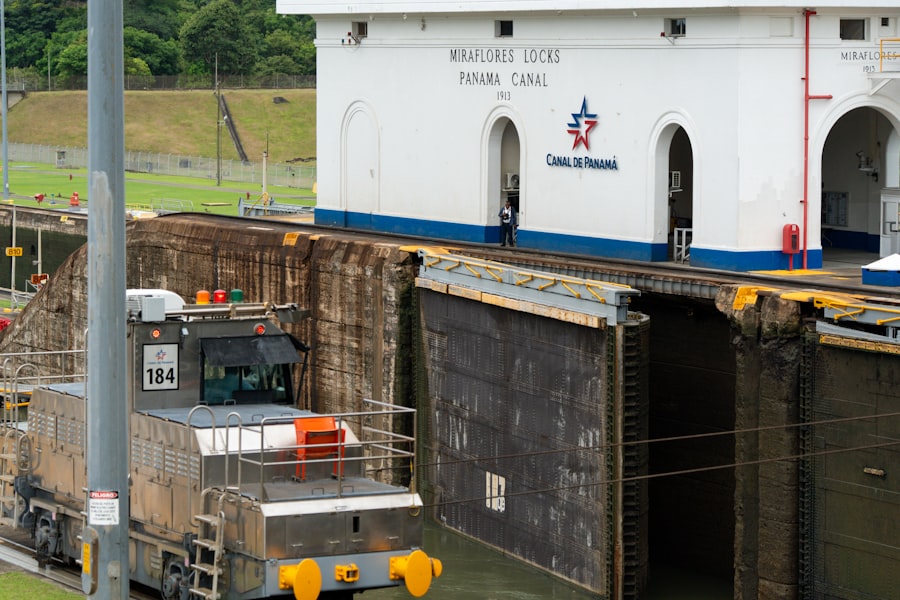
The expansion involved dredging deeper channels, widening existing ones, and, most significantly, constructing two new sets of locks: one on the Pacific side near Miraflores and another on the Atlantic side near Gatun. These new locks, 55 meters (180 feet) wide, 427 meters (1,400 feet) long, and 18.3 meters (60 feet) deep, were designed to accommodate vessels up to 366 meters (1,200 feet) long, 49 meters (160 feet) wide, and with a draft of 15.2 meters (50 feet). This new class of vessels became known as “Neo-Panamax.”
The project incorporated advanced engineering solutions, including state-of-the-art tugboats for guiding vessels and innovative water-saving basins to reduce the amount of fresh water used in each lockage. The sheer scale of excavation and construction, coupled with the need to ensure minimal disruption to existing canal operations, presented monumental logistical and technical hurdles.
Financial Investment and Economic Projections
The cost of the expansion project was approximately US$5.25 billion, a substantial investment for a nation of Panama’s size. The financial justification rested on projections of increased transit volumes, particularly from Neo-Panamax vessels, which would generate significantly higher tolls. The ACP anticipated enhanced revenue streams that would not only repay the investment but also contribute substantially to Panama’s national economy, solidifying its position as a global maritime hub.
Impact on LNG Shipping Routes
The completion of the Panama Canal expansion dramatically altered the calculus for LNG shipping, effectively redrawing the maritime map for this crucial energy commodity. The new locks opened a direct and significantly shorter conduit for a substantial portion of the global LNG fleet, particularly those laden with cargoes originating from the Gulf of Mexico.
Reduced Transit Times and Fuel Costs
Prior to the expansion, LNG carriers too large for the original locks often faced voyages around Cape Horn at the southern tip of South America or through the Suez Canal. For instance, a journey from the U.S. Gulf Coast to key Asian markets like Japan or South Korea via the Suez Canal could span over 20,000 nautical miles. The expanded Panama Canal slashed this distance dramatically, in some cases by more than 8,000 nautical miles.
This reduction in distance directly translates into shorter transit times, typically shaving off several days, and in some instances, weeks, from a voyage. Shorter voyages mean less fuel consumption, a primary operational expense for large vessels. The resulting savings in bunker fuel costs are substantial, enhancing the economic viability of LNG exports from the Americas and making U.S. LNG more competitive in distant markets.
Increased Flexibility and Supply Security
The expanded canal offers increased flexibility for LNG exporters and importers. With multiple viable routes, shippers can better respond to market fluctuations, geopolitical events impacting other waterways, or unexpected logistical disruptions. This enhanced routing optionality contributes to global energy supply security, as a single point of failure in one corridor is less likely to cripple the entire supply chain.
For producers on the U.S. Gulf Coast, the expanded canal is a game-changer. It unlocks unprecedented access to Asian markets, which are the largest consumers of LNG. This direct link strengthens the U.S.’s position as a major global LNG exporter and diversifies the energy portfolios of importing nations.
Geopolitical and Economic Implications
The operationalization of the expanded Panama Canal has had far-reaching geopolitical and economic repercussions, extending beyond the immediate maritime industry. It has subtly but surely shifted trade dynamics and solidified Panama’s strategic global importance.
Shifting Trade Patterns
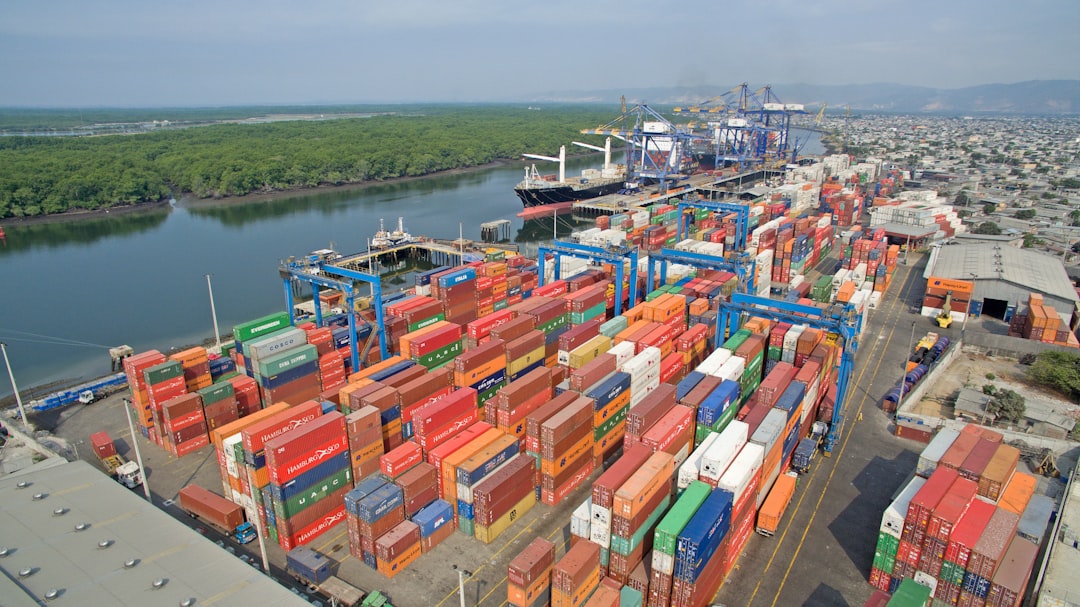
The canal’s ability to handle larger vessels, particularly container ships and LNG carriers, has instigated a noticeable shift in global trade patterns. Ports on the East Coast of the United States, for example, have invested heavily in infrastructure upgrades – such as deepening harbors and acquiring larger cranes – to accommodate Neo-Panamax vessels transiting the expanded canal. This has made them more competitive against West Coast ports, which traditionally served as the primary gateways for Asian goods destined for the eastern U.S.
For the LNG sector, the most pronounced shift has been the increased flow of gas from the U.S. to Asia. This has bolstered regional energy security for Asian nations and provided a new revenue stream for the U.S. energy industry.
Enhancing Panama’s Global Standing
Panama, a nation strategically situated at the crossroads of the Americas, has seen its global standing elevated by the successful completion and operation of the expanded canal. The waterway not only functions as an economic engine for the country but also serves as a symbol of its commitment to global trade and infrastructure development. The canal’s consistent operation and efficient management reinforce Panama’s reputation as a reliable and pivotal player in international logistics.
Competitive Pressure on Other Routes
The expanded Panama Canal has introduced a new layer of competition for other major global shipping routes, notably the Suez Canal. While the Suez Canal remains vital for trade between Europe/Africa and Asia, and for oil traffic from the Middle East to Europe/Americas, the Panama Canal now offers a compelling alternative for specific cargo types, especially for LNG moving between the Americas and Asia. This heightened competition can lead to efficiency improvements and, potentially, lower tolls or revised strategies from competing canal authorities, benefiting global trade.
As the demand for liquefied natural gas (LNG) continues to rise, shipping routes are being reevaluated, particularly concerning the Panama Canal. An interesting perspective on this topic can be found in a related article that discusses alternative shipping routes for LNG, which could potentially alleviate congestion and reduce transit times. For more insights on this subject, you can read the full article here. This exploration of alternative pathways highlights the evolving landscape of global energy transportation and the strategic decisions companies must make in response to changing market dynamics.
Future Outlook and Challenges
| Metric | Panama Canal Route | Alternative Route (e.g., Cape Horn) | Comments |
|---|---|---|---|
| Distance (Nautical Miles) | 7,800 (US Gulf to Asia) | 13,000 (via Cape Horn) | Alternative route is approximately 67% longer |
| Transit Time (Days) | 20-22 | 35-40 | Longer transit increases fuel and operational costs |
| Canal Transit Fee | Varies, typically 200,000 – 500,000 per LNG carrier | 0 | Alternative route avoids canal fees but increases voyage time |
| Vessel Size Limit | Up to 266,000 DWT (Neopanamax) | No size restrictions | Alternative route can accommodate larger vessels |
| Weather Risks | Low to Moderate | High (rough seas, storms) | Alternative route has higher weather-related risks |
| Environmental Impact | Lower emissions due to shorter distance | Higher emissions due to longer distance | Longer route increases carbon footprint |
| Operational Flexibility | Limited by canal schedule and size | High, no scheduling constraints | Alternative route offers more scheduling freedom |
While the Panama Canal expansion has brought forth a new era of maritime logistics, particularly for LNG, its future outlook is not without potential challenges and evolving considerations. The dynamic nature of global trade, environmental pressures, and technological advancements will continue to shape its operational landscape.
Adapting to Climate Change and Environmental Concerns
One of the most pressing long-term challenges for the Panama Canal, and indeed for global shipping, is climate change. Variations in rainfall patterns in the canal’s watershed directly impact the water levels in its freshwater lakes, which are crucial for the lock operations. Prolonged droughts can lead to draft restrictions, limiting the amount of cargo vessels can carry and hindering the full utilization of the expanded locks. The ACP is actively exploring water management strategies, including potential new reservoir projects, to mitigate these risks.
Furthermore, environmental considerations extend beyond water management. The increasing traffic through the canal raises concerns about marine biodiversity, pollution from ships, and the potential spread of invasive species. Sustainable practices and rigorous environmental monitoring will be essential for the canal’s long-term viability and ecological responsibility.
Technological Advancements and Automation
The maritime industry is on the cusp of significant technological transformation, with advancements in automation, artificial intelligence, and digitalization. Autonomous shipping, while still in its nascent stages, could eventually impact the traditional role of pilots and crew. The Panama Canal, as a critical choke point, will need to adapt its operational protocols and infrastructure to integrate new technologies, ensuring efficient and safe transit for future fleets. This includes enhancing digital systems for traffic management, real-time data sharing with vessels, and potentially even automated tugboat operations.
Market Fluctuations and Geopolitical Stability
The volume of traffic through the canal, and consequently its revenue, is susceptible to global market fluctuations and geopolitical stability. Economic downturns in major trading nations can reduce overall shipping demand. Similarly, geopolitical tensions affecting energy prices or trade relations can alter shipping patterns. The canal’s resilience will depend on its ability to adapt its pricing strategies and operational efficiencies to an ever-changing global environment, ensuring it remains an attractive and competitive option for international trade.
The expanded Panama Canal stands as a testament to human ingenuity and foresight, a concrete embodiment of global connectivity. It has not merely widened a waterway; it has broadened economic horizons, streamlined energy flows, and entrenched its status as an indispensable artery in the global circulatory system of trade. As you consider the journey of an LNG molecule from its source to its consumption, remember the critical role this engineering marvel now plays, efficiently bridging continents and fostering a more integrated global energy market. The ripples of its impact continue to spread, shaping the economics and logistics of international commerce for decades to come.
WATCH THIS 🔥 YOUR BILL JUST WENT UP: The $50 Billion Panama Canal Lie
FAQs
What is LNG shipping?
LNG shipping refers to the transportation of liquefied natural gas (LNG) by specialized vessels designed to keep the gas in its liquid state at very low temperatures during transit.
Why is the Panama Canal important for LNG shipping?
The Panama Canal provides a crucial maritime shortcut between the Atlantic and Pacific Oceans, significantly reducing travel time and distance for LNG carriers moving between key markets in Asia, the Americas, and Europe.
What challenges does LNG shipping face when using the Panama Canal?
Challenges include size restrictions due to the canal’s lock dimensions, scheduling delays, and potential congestion, which can impact the efficiency and cost-effectiveness of LNG transport.
What are some alternatives to the Panama Canal for LNG shipping?
Alternatives include longer routes around the southern tip of South America via the Cape Horn, the Suez Canal for certain routes, and emerging Arctic sea routes during summer months, as well as overland LNG transport options in some regions.
How do alternative routes impact LNG shipping costs and delivery times?
Alternative routes often increase voyage distance and duration, leading to higher fuel consumption and operational costs, as well as longer delivery times, which can affect the overall economics and scheduling of LNG shipments.